Overview and Introduction
Political instability, fuel shortages and empty shelves tend to jump to mind when thinking of Zimbabwe; however, over the course of 11 days (8 March 2021-17 March 2021) of nonstop birding in this incredible country, I encountered not only a host of incredible bird species but also a country open to visitors.
Upon planning the trip, the late Tony Wood, a long-time friend and a legend in Zimbabwe birding, and I developed a rough trip plan covering three core areas. Firstly, we would focus on the miombo woodlands and wetlands surrounding the capital city of Zimbabwe – Harare. We would then move northeast and spend a few nights along the banks of the Mazoe River in search of some woodland specials before heading back to Harare for one night. The final stretch would then consist of three nights birding the renowned Eastern Highlands.
I’ve written this blog in a typical trip report style, detailing our movements and species seen every day.
Daily Breakdown
8 March 2021
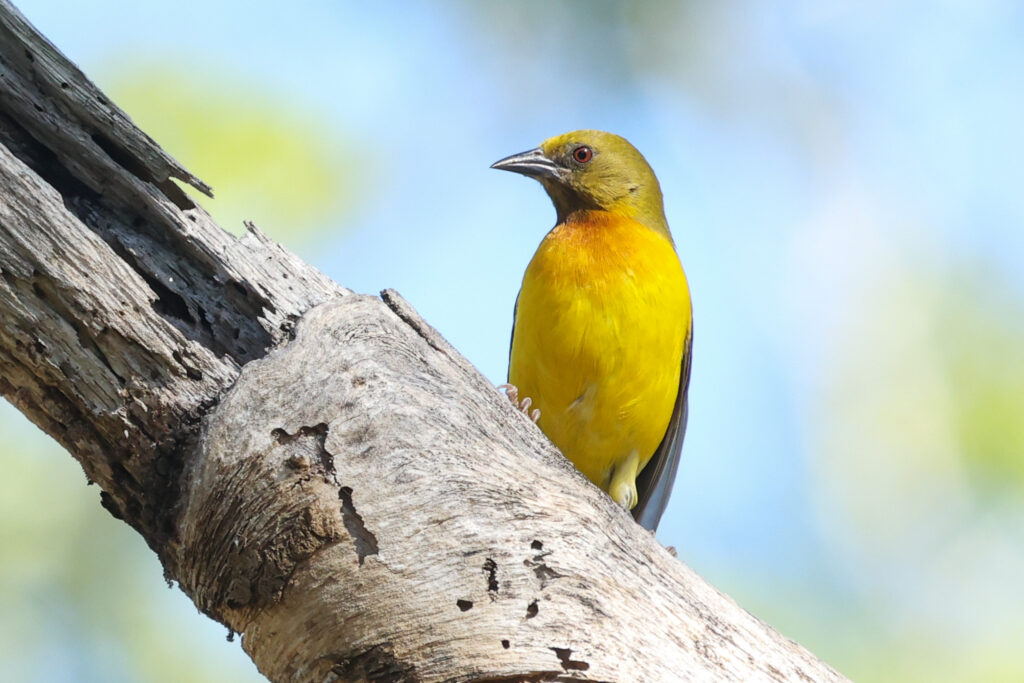
After a quick hour-and-a-half flight from Johannesburg to Harare, I met Tony at the arrivals terminal at Robert Gabriel Mugabe International Airport. We headed for Tony’s house and quickly picked up my first lifer in the garden in the form of a Variable Sunbird. After unpacking, it was all systems go, and we decided to visit Greystone Nature Reserve for some late afternoon birding. The reserve is located within the suburbs of Harare, and the trip list quickly started growing with sightings of Jameson’s and Red-billed Firefinches, Southern Yellow White-eye, African Yellow Warbler, Lesser Honeyguide and the black-headed nigriceps race of Village Weaver. Amur Falcons flew over the reserve in their hundreds as they returned to their roosts nearby, and a pair of Long-crested Eagles also offered splendid views. We returned for an early night with the prospect of excellent miombo birding the following day.
9 March 2021
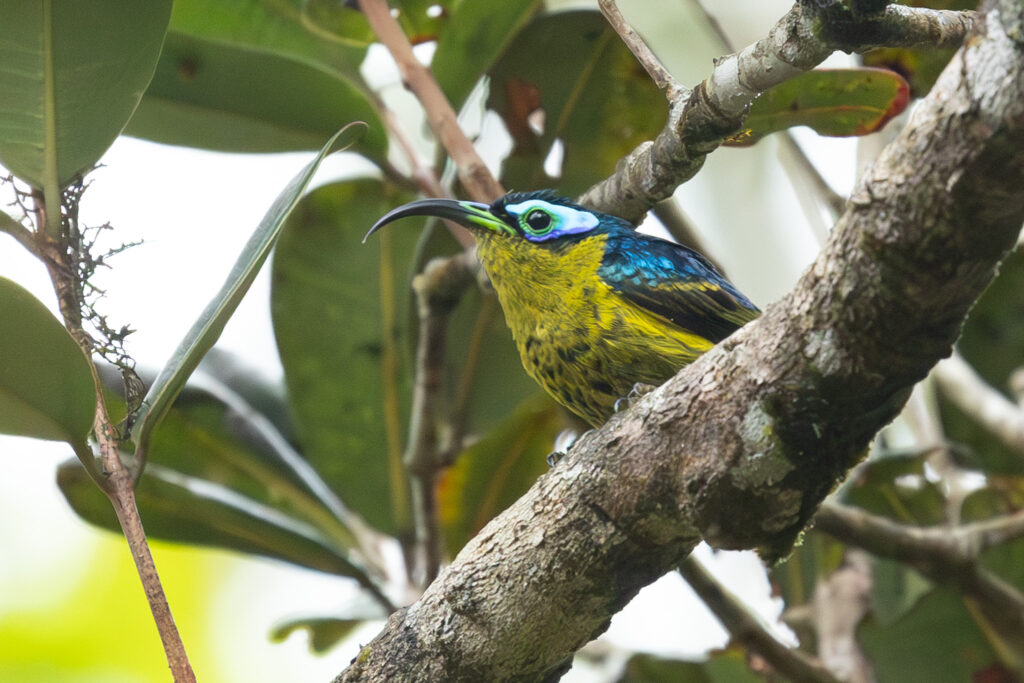
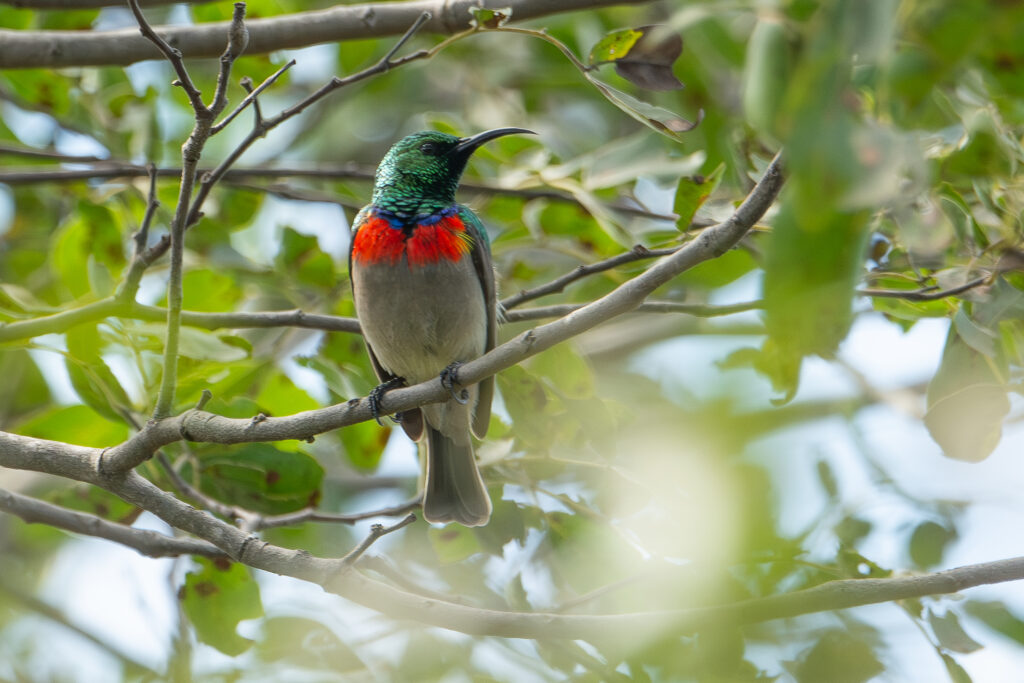
Day two started at 6:30 am, and we planned to spend the morning birding Haka Game Park in search of several miombo woodland specials. For those unfamiliar with the term miombo, it is the name given to woodlands dominated by Brachystegia trees. On our way to Haka, a quick stopover at Greengrove Dam delivered improved views of Variable Sunbird, Senegal Coucal and a small group of foraging Orange-breasted Waxbills. At Haka, the grasslands surrounding Cleveland Dam delivered one of the main targets, Rosy-throated Longclaw, along with both Yellow-throated and Cape Longclaws. We were also afforded great views of Pale-crowned Cisticola, Cuckoo-finch, African Wattled Lapwing and yet another lifer – Yellow-mantled Widowbird.
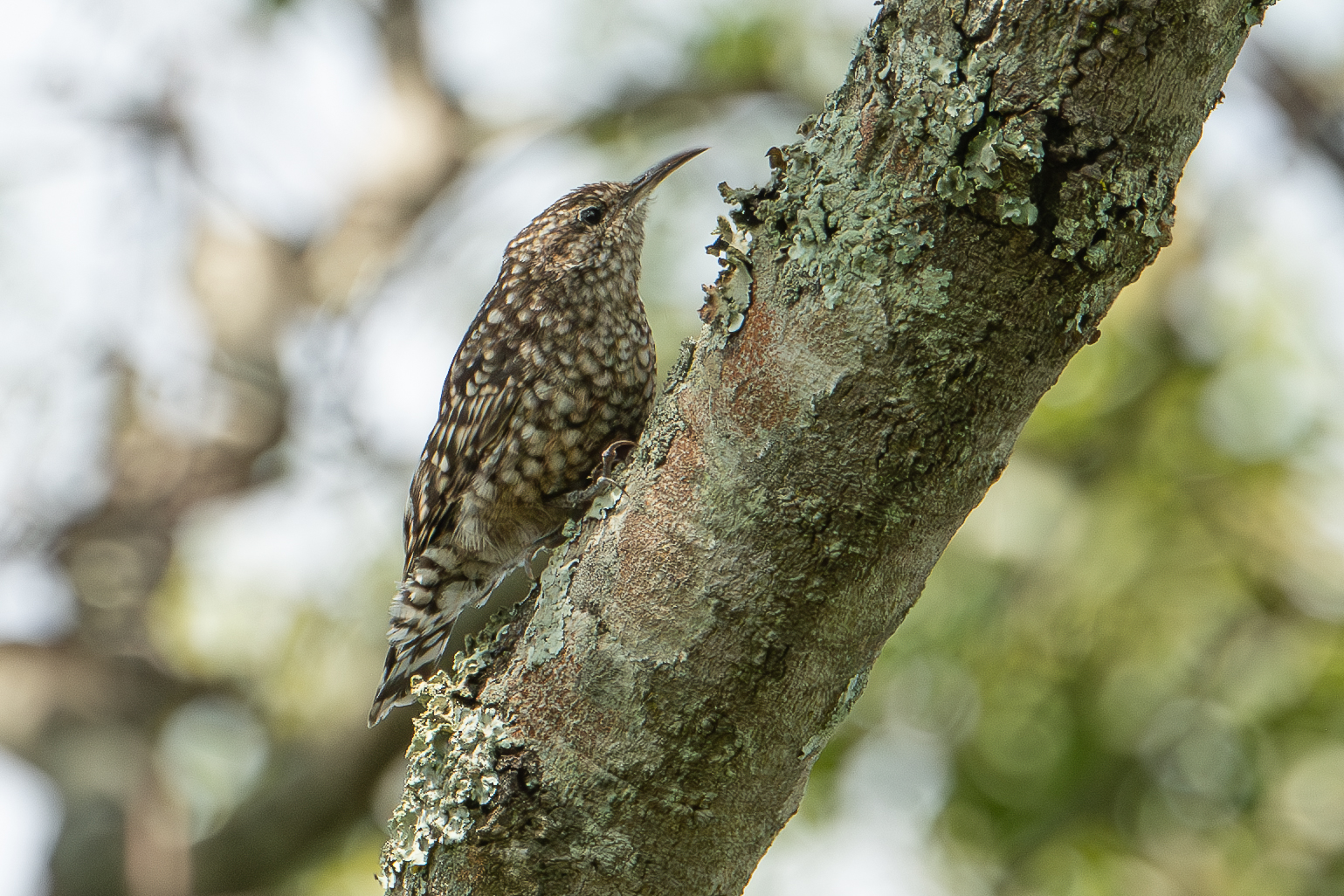
With the sun slowly heating up, Tony and I walked into the miombo woodland, and immediately, I was struck by the silence. The key to miombo birding is finding bird parties, and luckily, we soon found our first party, which delivered, amongst others, Green-backed Honeybird, White-breasted Cuckooshrike, Eastern Miombo Sunbird, Green-capped Eremomela and White-crested Helmetshrike. An Ovambo Sparrowhawk also showed off briefly before darting off into the bush while a Spotted Eagle-Owl sat watching us from its daytime roost. It took over an hour for us to find our next bird party, which contained some cracking birds, including Whyte’s Barbet, African Spotted Creeper and Southern Hyliota.
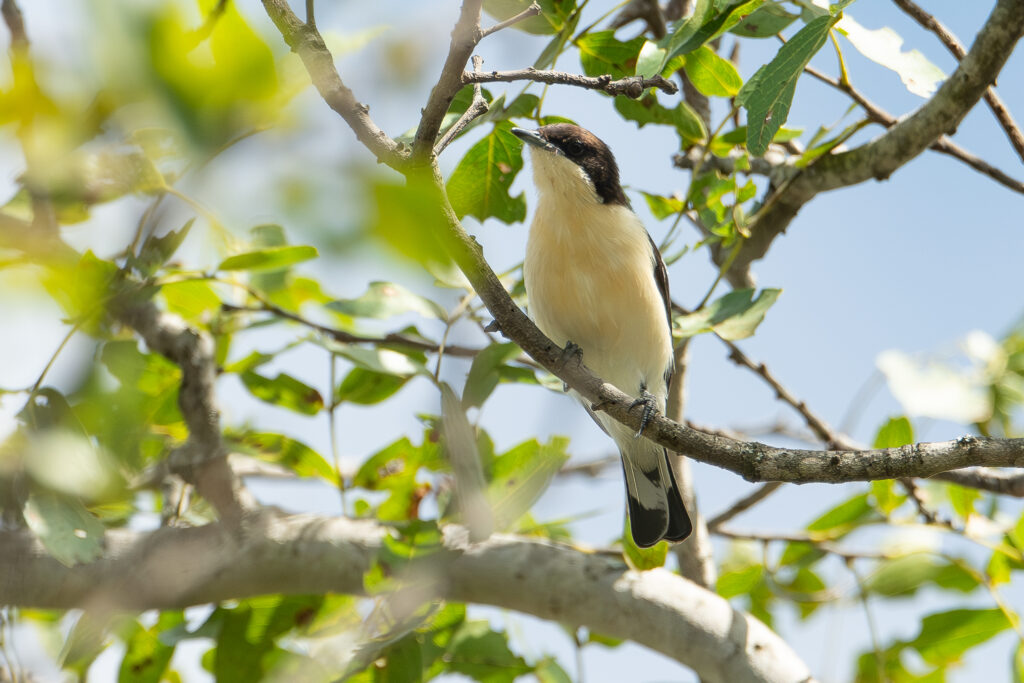
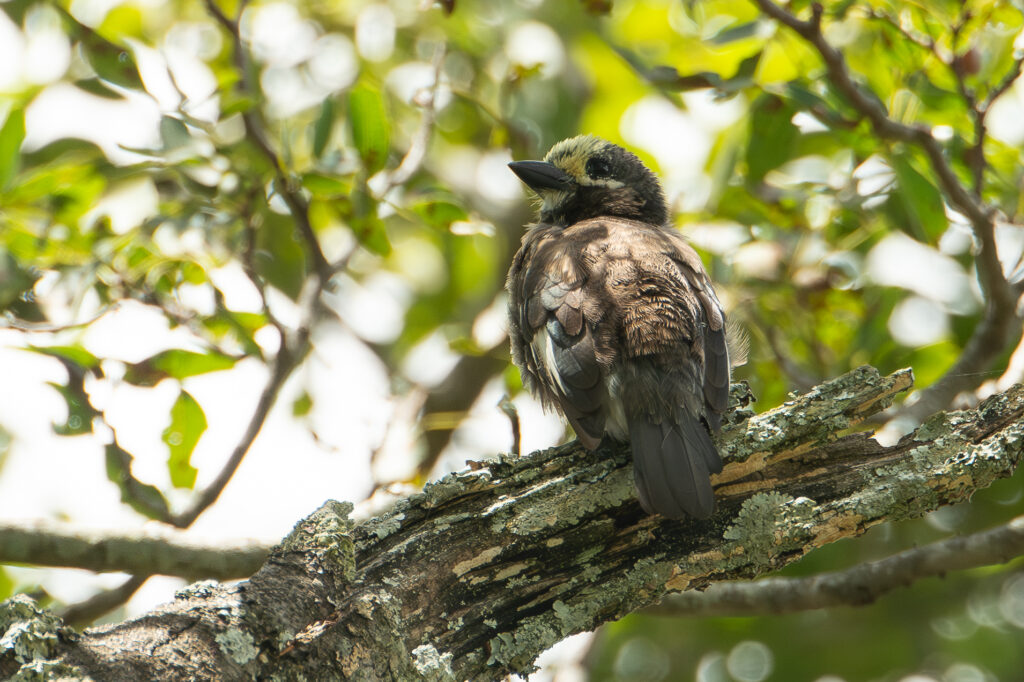
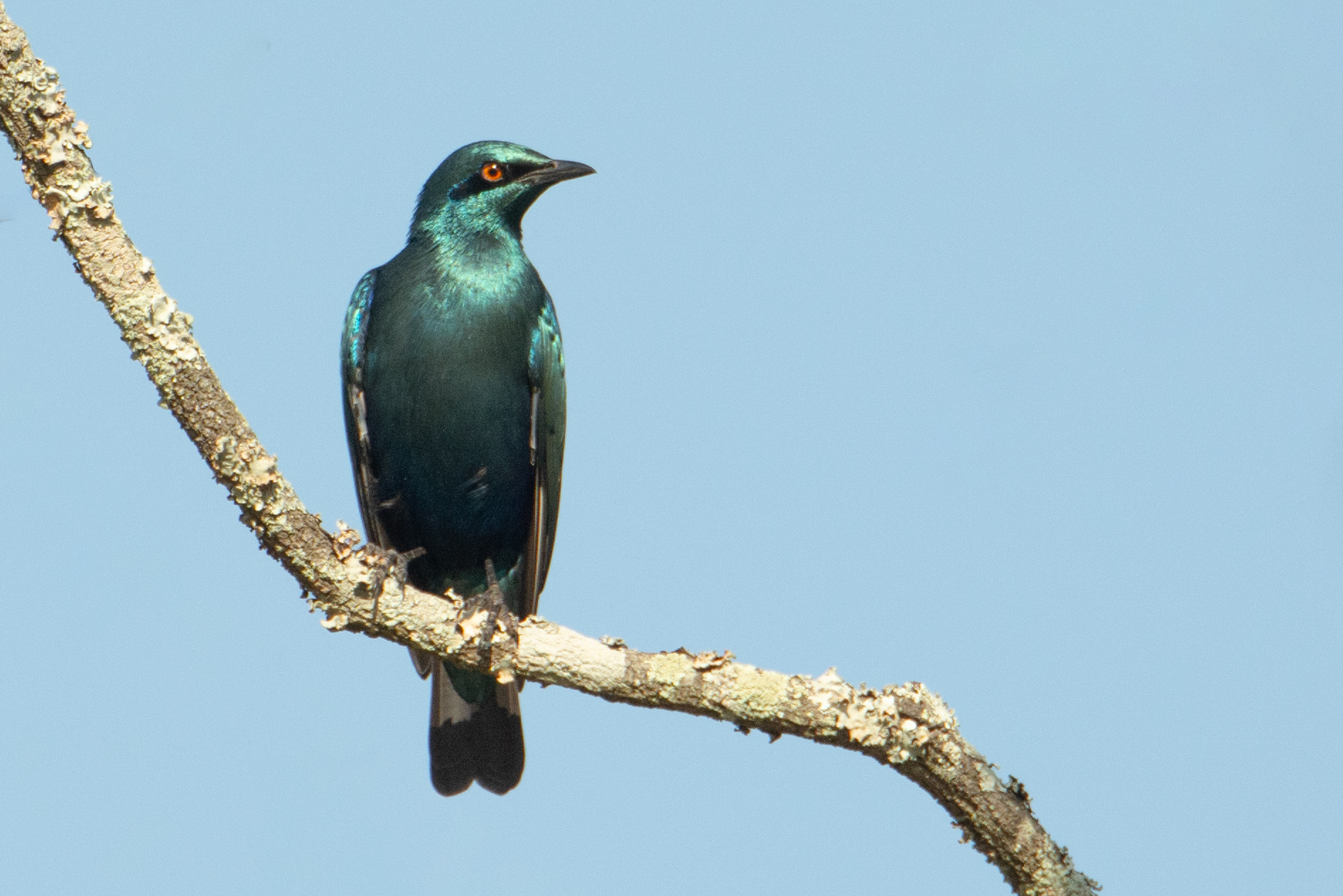
We then headed into a section of the park with more patchy woodlands in search of Miombo Blue-eared Starling; alas, the starlings had other plans for us and proved to be quite elusive, partly due to the fact that the fruiting trees that they feed on were out of the fruiting season. After a quick discussion over lunch, we headed to another of Harare’s splendid parks – the Mukuvisi Woodlands – to search for the starlings. Sure enough, after less than 10 minutes of walking along the well-kept trails that traverse the miombo woodlands at Mukuvisi, a large flock of Miombo Blue-eared Starlings flew into view and started foraging around us, providing splendid photographic opportunities.
10 March 2021
After a successful day of miombo birding, it was time to tackle Harare’s wetlands. Tony and I met up with local guide and avid birder Piet Zwanikken, and after only a few minutes on the road, we arrived at Monavale Wetland. Piet knows the wetlands and vleis of Harare like the back of his hand, and we flushed several Lesser Moorhens and African Crakes before striking gold with the global mega Striped Crake!
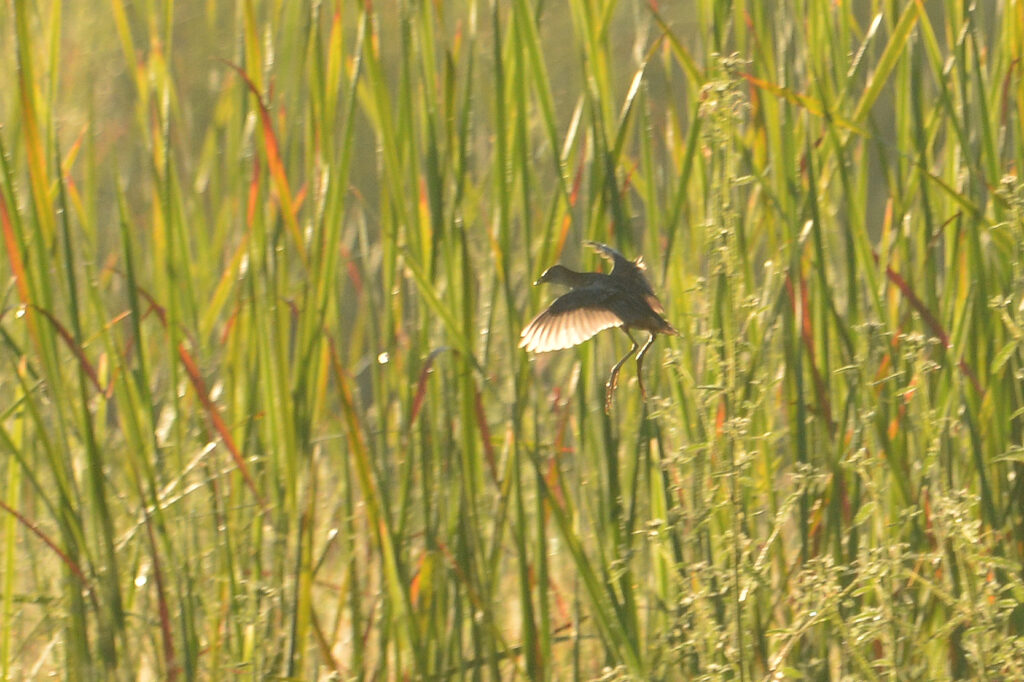
This scarce inhabitant of Africa’s seasonal wetlands immediately became one of the trip highlights and was undoubtedly an unexpected bonus. Monavale continued to produce sightings of Croaking and Pale-crowned Cisticola, Yellow-mantled Widowbird, Cuckoo-finch, Great Reed Warbler and several vocal Streaky-breasted Flufftails (which unfortunately couldn’t be bothered to show themselves).
We returned home for lunch before meeting up with Piet again, this time for more “Miombo Magic.” The road wound between the hills east of Harare, and after half an hour on the road, we arrived at our destination. We walked down a steep track between several illegal gold mines that now threaten these spectacular woodlands and picked up our first bird party. It was sensational, with 23 species in a single party. Highlights included outstanding views of the uncommon Black-eared Seedeater, Cabanis’s Bunting, Red-faced Crombec, White-breasted Cuckooshrike, Green-backed Honeybird and Eastern Miombo Sunbird. Just as quickly as the party arrived, it dissipated, and silence fell over the Brachystegia trees once more.
11 March 2021
Day 4 started before 6 am, and we were off into the miombo once again. We had a few remaining miombo targets. Today, Tony and I met with local birder Jean-Michael Blake to bird Christon Bank.
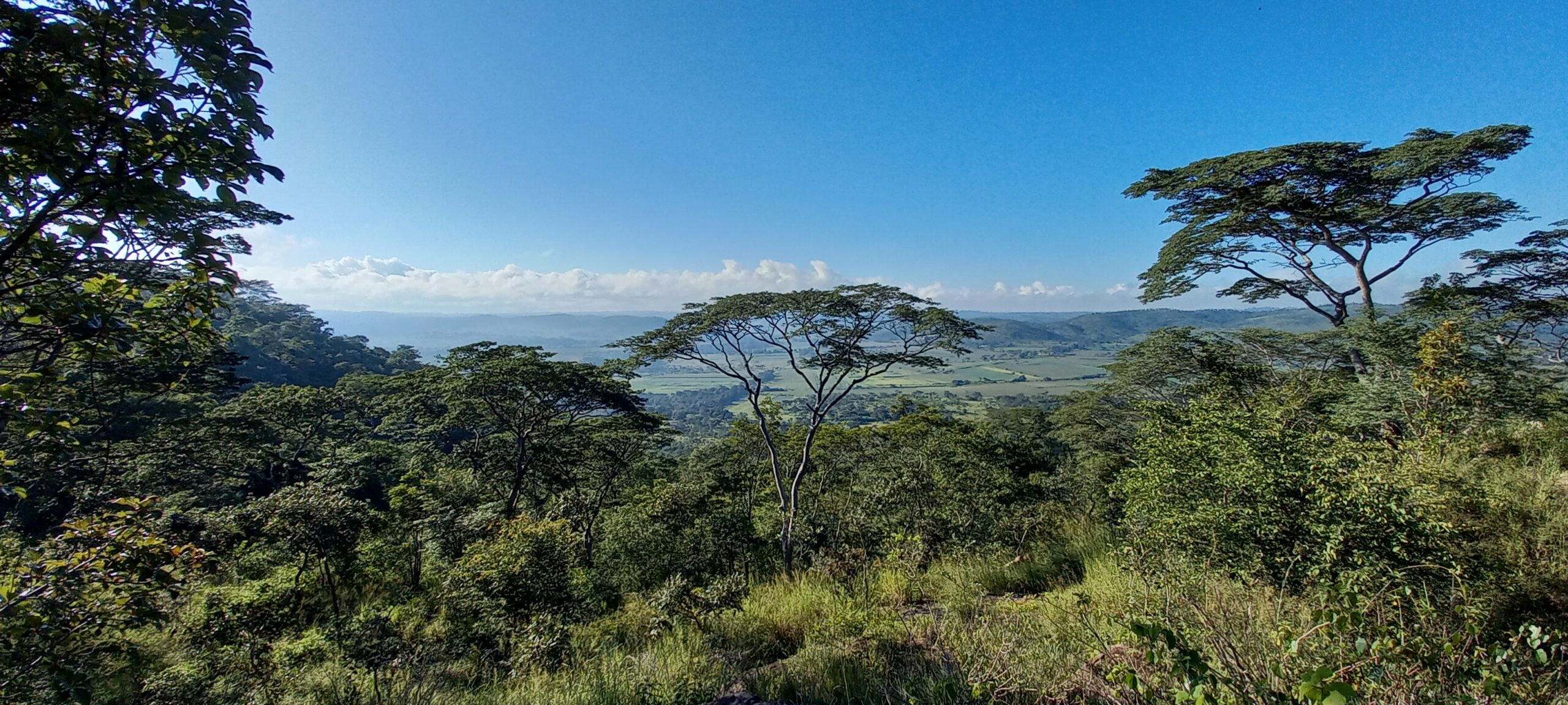
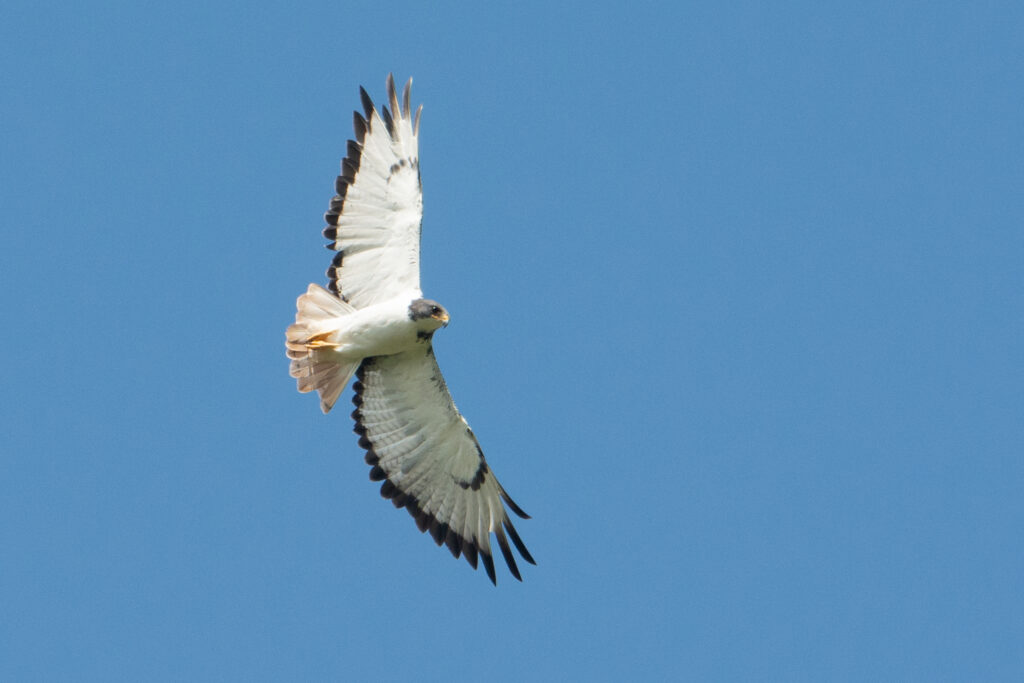
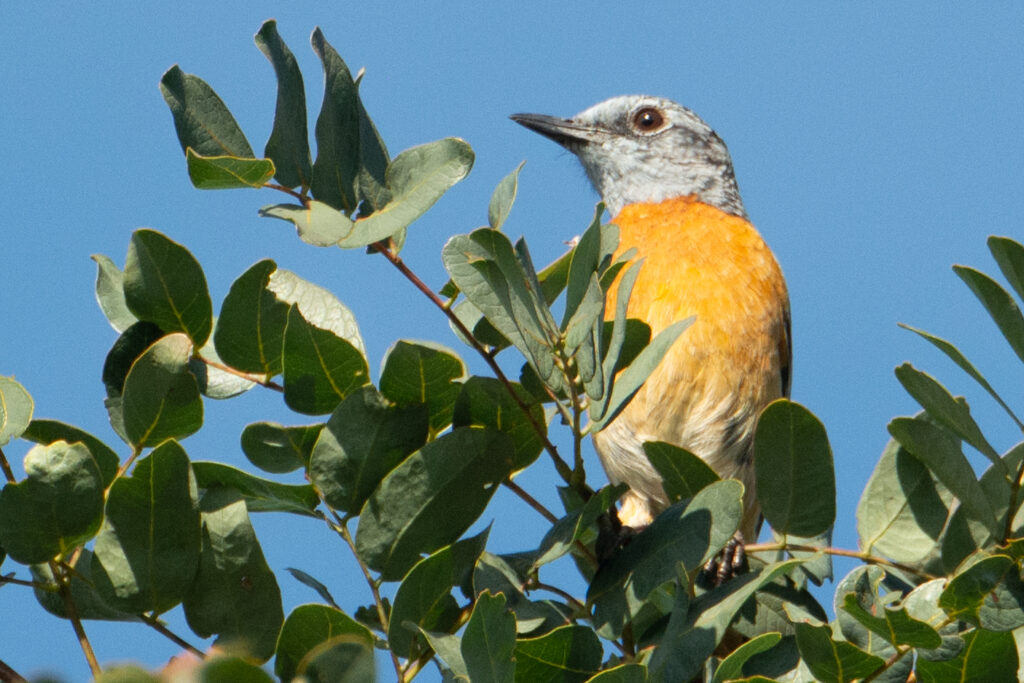
The serenity of Christon Bank was surreal; mist hung between the mountain acacia trees, and we soon picked up Boulder Chat and Miombo Rock Thrush, two of our five targets for the day. We strolled through the hills and added Klaas’s and African Emerald Cuckoos, African Harrier-Hawk, Grey Penduline Tit and Stierling’s Wren-Warbler. Suddenly, a massive bird party pulled into the scene, allowing for views of another African Spotted Creeper, Cabanis’s Bunting and Whyte’s Barbet, along with two lifers, Miombo Tit and Wood Pipit, both of which would prove to be regular sightings for the remainder of the trip. However, the bird of the day came in the form of a single Augur Buzzard cruising slowly overhead, an uncommon and certainly unexpected sighting for this part of Zimbabwe. The remainder of the morning was spent searching unsuccessfully for Copper Sunbird before returning to Harare, packing our gear, and hitting the road northeast to Umfurudzi National Park.
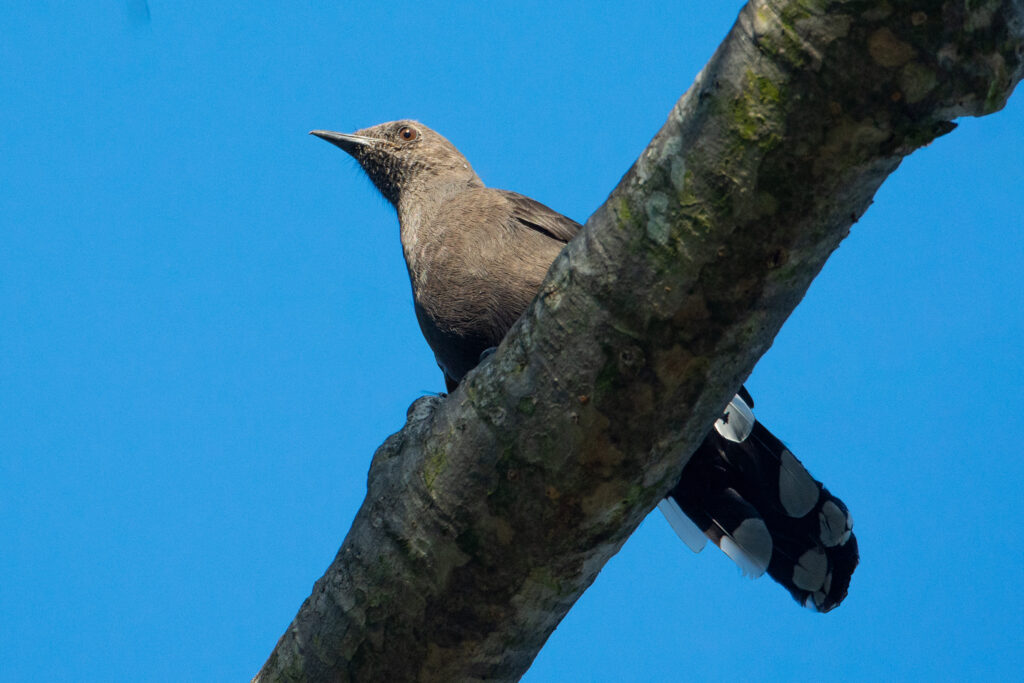
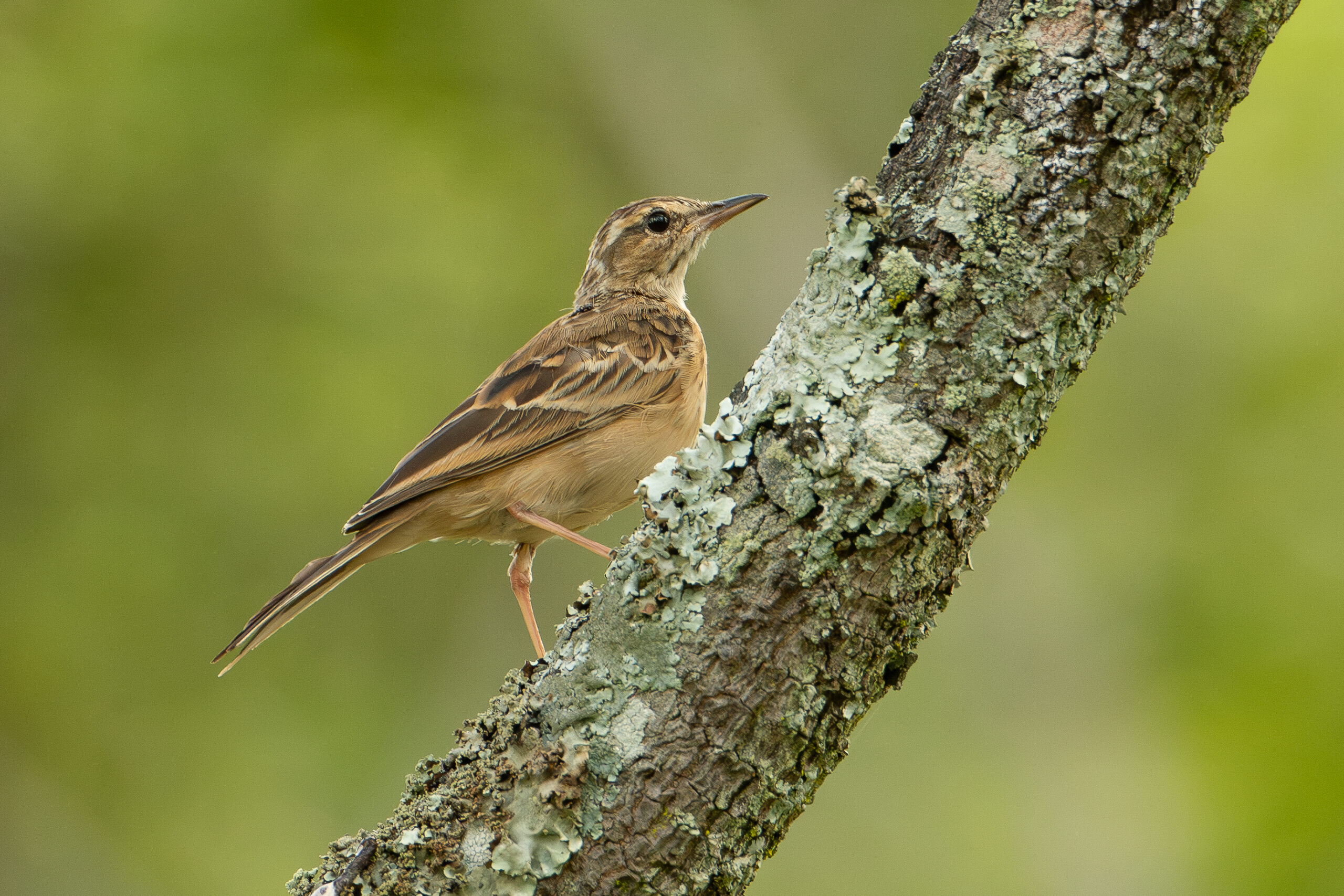
For the most part, the national highways in Zimbabwe were of good quality, but as we passed the town of Shamva on our way to the park, the road completely fell apart. Progress was slow as we drove on a narrow strip of road and dodged endless potholes. At long last, we arrived at Umfurudzi National Park. We were immediately greeted by several Wood Pipits foraging on the road on our way to Hippo Pools – a camp offering a range of accommodations along the stunning Mazoe River. The rest of the afternoon was spent birding around the exquisite camping grounds surrounded by lush lawns and towering riverine trees. Some noteworthy species included Black-throated Wattle-eye (a regular species around the camp), Verreaux’s Eagle-Owl and African Wood Owl, as well as our only Livingstone’s Flycatcher for the trip.
12 March 2021
The sun rose and revealed the prospect of yet another day of excellent birding. Sure enough, the list rocketed with sightings of Grey-headed, Pied, Giant, Brown-hooded and Half-collared Kingfishers, Crowned and Trumpeter Hornbills and Bearded Scrub Robin all within the camp! A quick drive through the drier bushveld produced more Wood Pipit sightings, Red-throated Twinspot and Flappet Lark. We dedicated the remainder of the day to searching for Collared Palm Thrush, which unfortunately gave us the silent treatment during the heat of the day.
13 March 2021
We woke to our final morning in Umfurudzi National Park and returned to an area lined with Lala Palm trees to try again for the Collared Palm Thrush. Before we even had time to lift our binoculars and start searching, three individuals irrupted into song and showed well in the morning light. We also added Bateleur, Marsh Warbler and Village Indigobird to the list before encountering several more Red-throated Twinspots. We headed back to Harare for the night, with the Eastern Highlands due the next day.
14 March 2021
The Eastern Highlands form a mountain range running for approximately 300 km along the border of Zimbabwe and Mozambique. The area is known for its exceptional level of biodiversity, and for southern African birders, the highlands are home to several range-restricted species found nowhere else in the subregion. Chirinda Apalis and Roberts’s Warbler are of particular interest on an international scale as they are endemic to the Eastern Highlands (Chirinda Apalis also occurs on Mount Gorongosa in Mozambique).
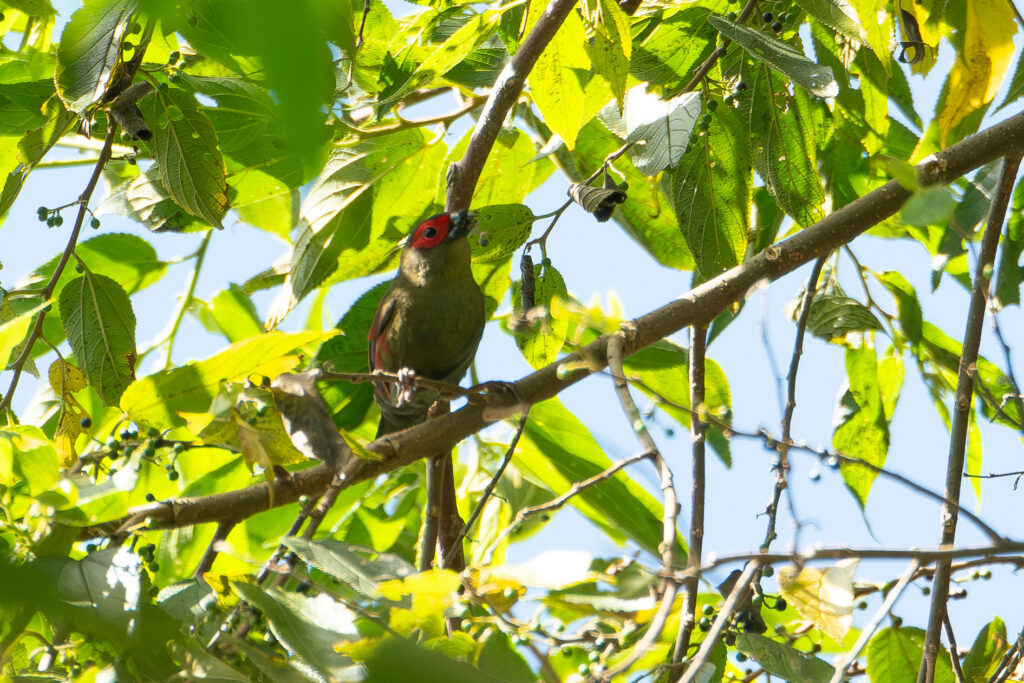
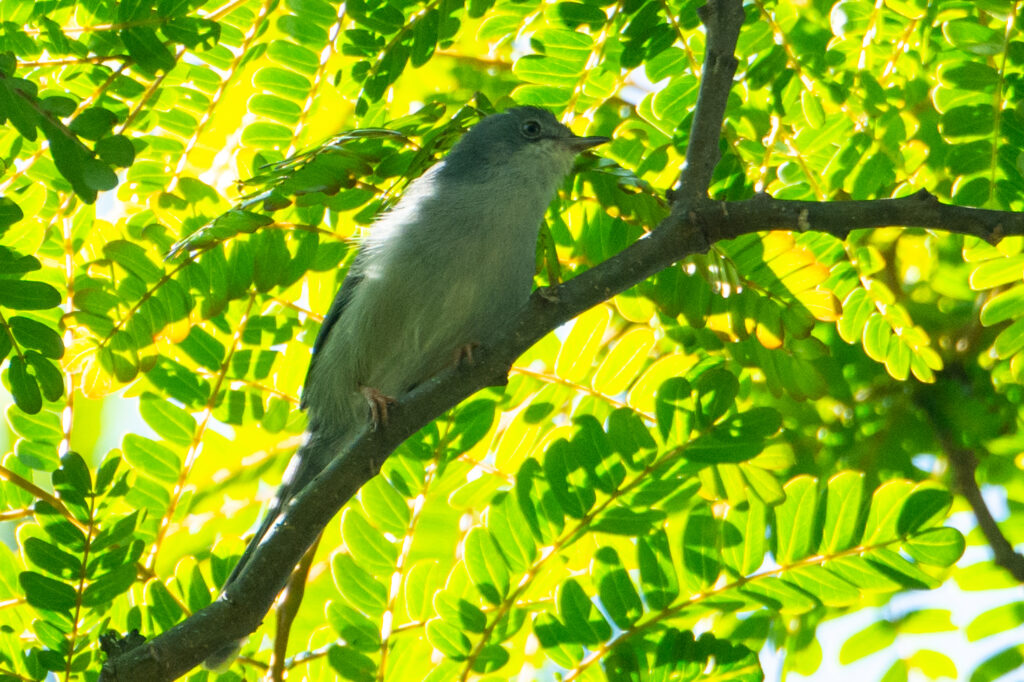
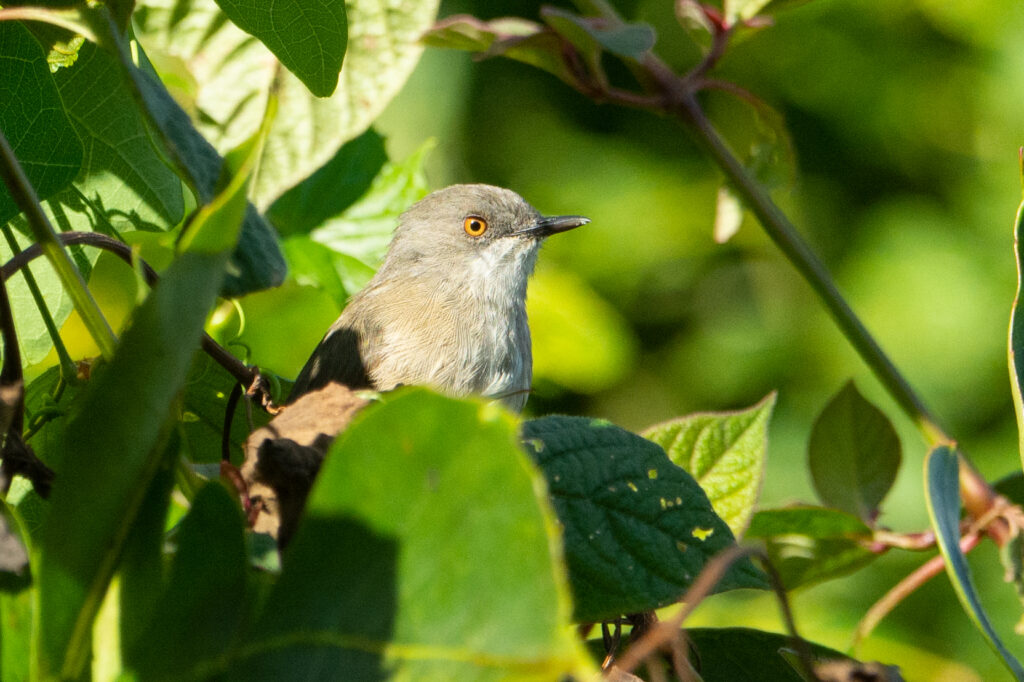
The drive from Harare to Mutare (the nearest city to our accommodation in the Vhumba region of the highlands) was predominantly on single-carriageway roads, making progress slow (5 hours in total to cover 290 km). Yet, we arrived at our accommodation in Seldomseem eager as ever to get to birding. Seldomseen offers an excellent array of self-catering cottages and camping opportunities – not to mention unrivalled birding within the gardens – and is an absolute must-stay in the Vhumba. Tony and I set off to bird the gardens, and our first bird turned out to be an absolute screamer – Red-faced Crimsonwing. The single male foraged for about five minutes as we watched in absolute awe before darting into the forest. The list continued expanding with good views of Yellow-throated Woodland Warbler, Black-fronted Bushshrike, Livingstone’s Turaco, Yellow-bellied Waxbill, Stripe-cheeked Greenbul, Olive Sunbird and White-tailed Crested Flycatcher. We also easily picked up the two highland endemics Chirinda Apalis and Roberts’s Warbler, in the gardens at Seldomseen. We tucked in for an early night in preparation for an epic day birding with Bulawezi – the legend of the eastern highlands.
15 March 2021
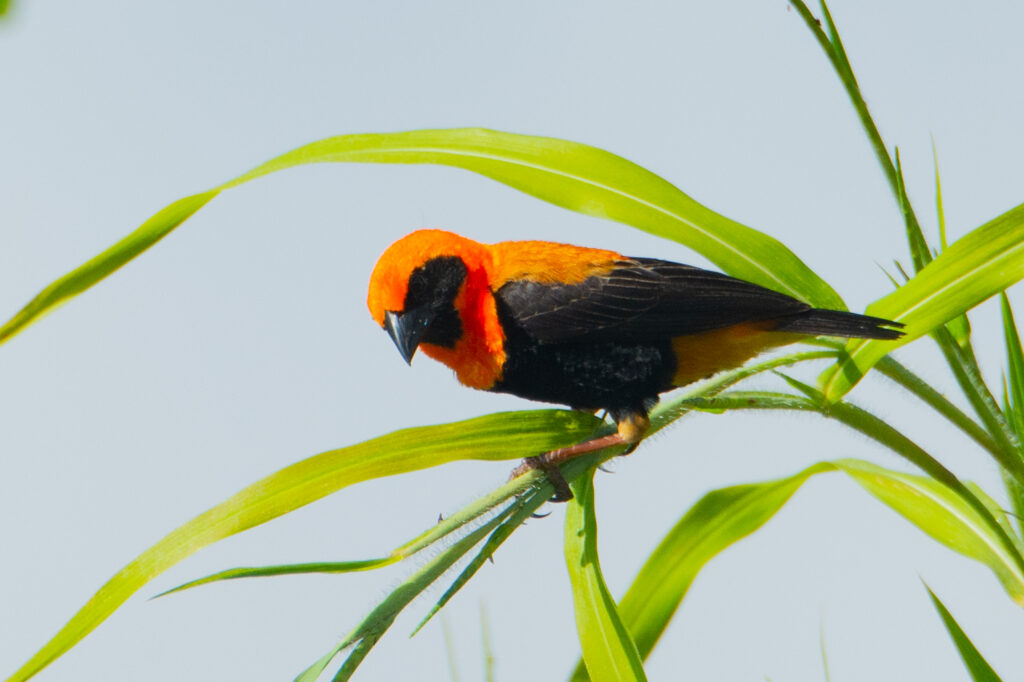
Our plan for the day was simple: we would head down into the low-lying Burma Valley and attempt to take down what was left on the target list. At our first stop in the valley, we found one of our main targets, Black-winged Red Bishop, without hassle, along with several other special birds: Grey Waxbill, Blue-spotted Wood Dove, Dark-backed Weaver and Ayres’s Hawk-Eagle. After nearly an hour of searching, we found our second target species, a vocal Zambezi Indigobird (mega!). Sightings of White-eared Barbet, Red-backed Mannikin, Red-throated Twinspot and Grey Tit-Flycatcher soon followed.
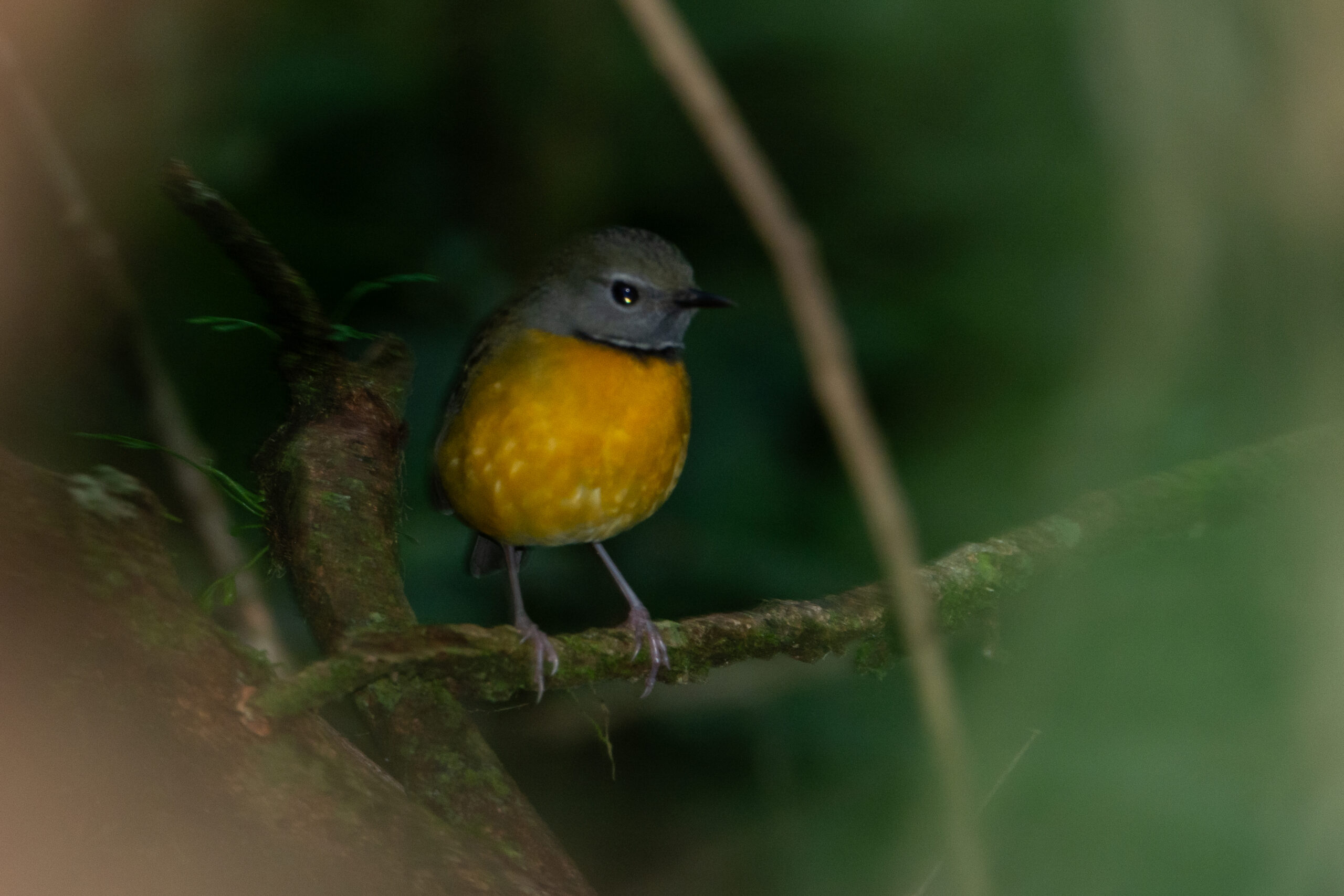
The road wound back up into the Vhumba, and we found ourselves once again birding miombo; we located a bird party, and sure enough, miombo delivered once more with African Golden Oriole, Collared Flycatcher, Scaly-throated Honeyguide, Miombo Rock Thrush and Red-faced Crombec showing well. Other noteworthy additions included Red-necked Spurfowl, Bronzy Sunbird and Garden Warbler on our way back up to Seldomseen. One species was still eluding, so we set off after lunch to track it down. After nearly three hours of searching to no avail, we eventually located a single Swynnerton’s Robin, which became the 700th species for my southern African list. Celebrations were in order, so we retreated to the comfort of our cottage at Seldomseen in preparation for our last day of birding the Vhumba.
16 March 2021
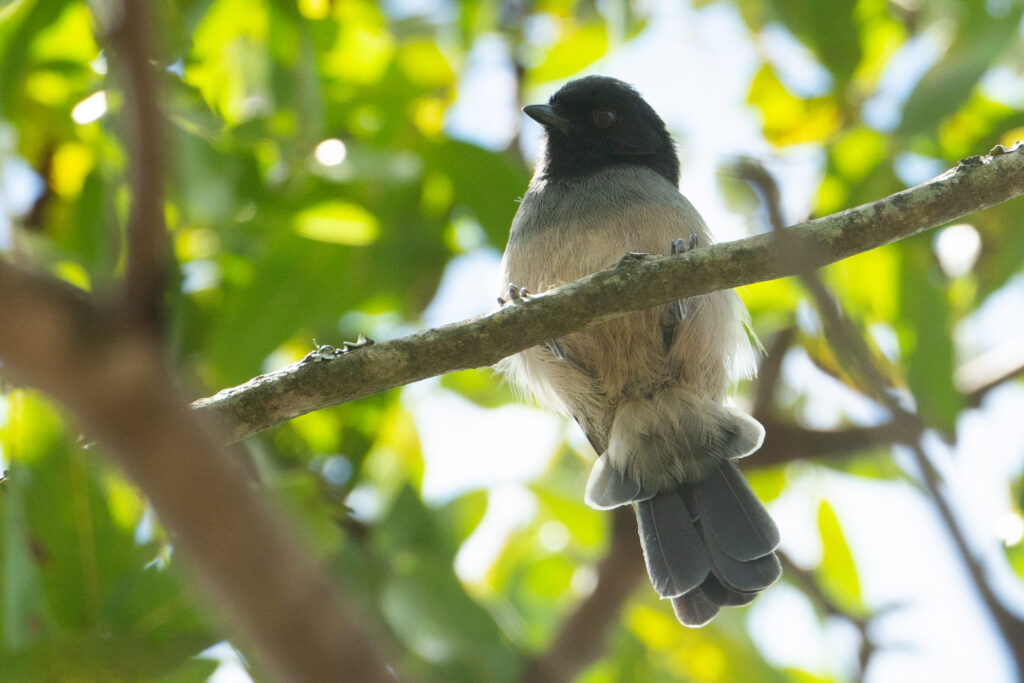
The main target for day three of the highlands mission was Rufous-bellied (Cinnamon-breasted) Tit. We spent the majority of the day attempting to find it. However, we repeatedly failed at all the spots where it had been seen regularly. Still, the birding was by no means dull, and we managed to get sightings of Tree and Striped Pipit, Miombo Tit, Barratt’s Warbler, Eastern Bronze-naped Pigeon and Mottled Swift. Bulawezi still had one last trick up his sleeve, and so we set off up a winding track through the stunted miombo where he had seen the tit before. We hiked for ages, and then, just as we were about to call it a day, a single Rufous-bellied (Cinnamon-breasted) Tit flew into view, offering mind-blowing views. The day was an overwhelming success, and we set off early the next morning for Harare.
17 March 2021
The trip back to Harare passed without hassle and even provided a new trip bird in the form of a Lizard Buzzard sitting on a telephone pole. A quick visit to Chikurubi Vlei in the newer suburbs of Harare provided the final lifer for the trip – a single male Copper Sunbird. After searching for it at several sites over the past few days, it felt great to see the sunbird finally – a fitting end to an incredible trip!
Conclusion
Over the course of 11 days, Tony and I managed to record a total of 246 species, 38 of which were lifers for me. Zimbabwe proved to be an excellent and easy country to travel through. I can only encourage anyone wishing to visit this spectacular country to do so without a second thought and experience the incredible birding that Zimbabwe has to offer first-hand. Bird of the trip? There were several contenders, so the best I could do was come up with a top five in no particular order, which were: Striped Crake, Chirinda Apalis, Roberts’s Warbler, African Spotted Creeper, and Swynnerton’s Robin.
A special thank you needs to go out to all the fantastic Zimbabwe birders whose help was invaluable, including Piet Zwanikken, Jean-Michel Blake, and Bulawesi Murambiwa. Lastly, to my hosts, the Woods, without whom this trip would not have been possible, a massive thank you is due.
eBird Trip Report: https://ebird.org/tripreport/12650