“As I scanned both slopes of the forested valley, it became alarmingly clear that there was plenty of suitable habitat. “They are here, it’s just patience – and a little luck” – Gabriel said whilst scrutinizing every wild avocado tree through his binoculars. I pushed on, up the slippery trail, craning my neck in search of our elusive target. Doubts were starting to set in, were the birds even here this time of the year? Then I heard Gabriel calling from around a bend in the trail: “As quickly and quietly as you can” he exclaimed, “I’ve got it!””
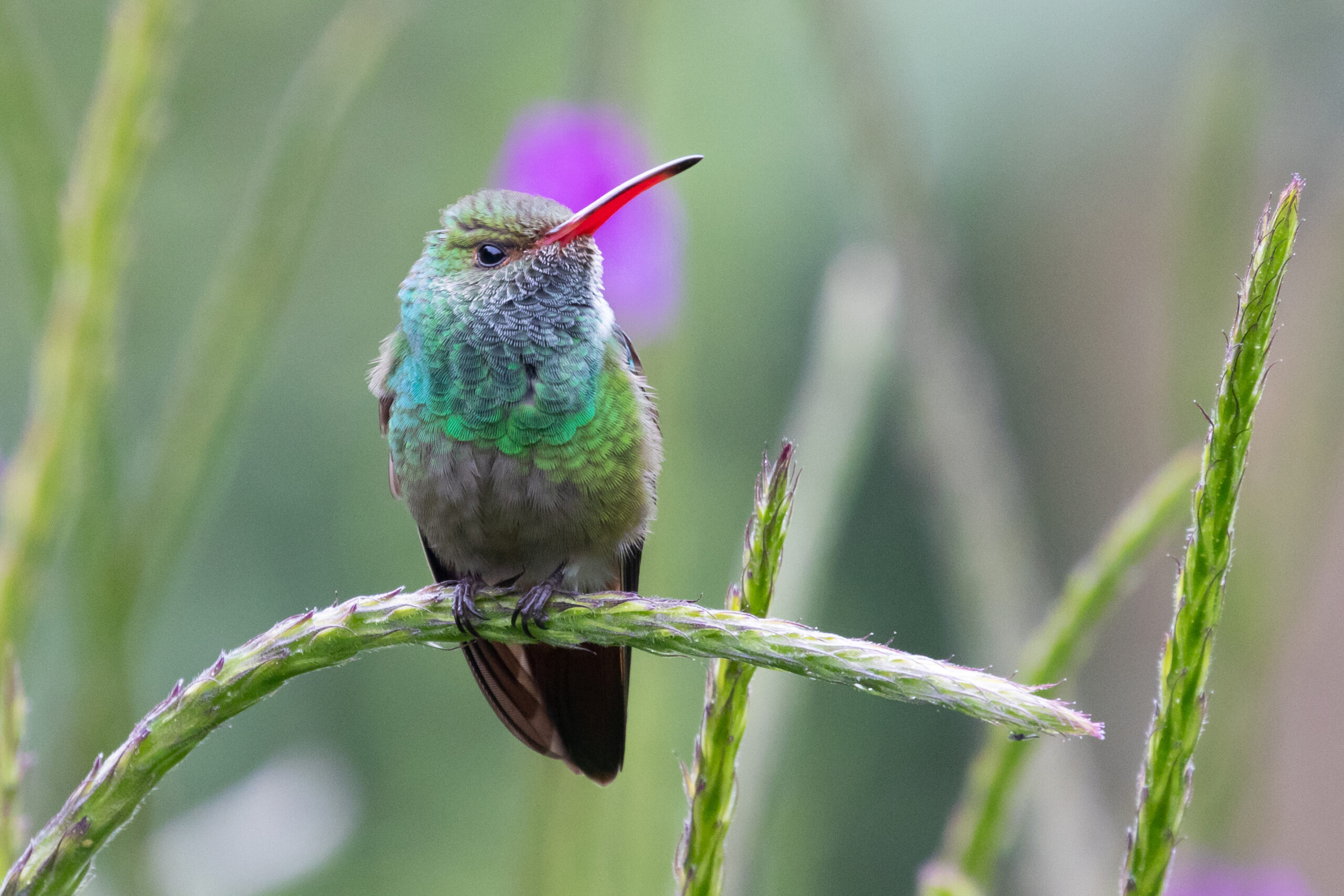
Rufous-tailed Hummingbird was common throughout my time birding in Panama.
Birding Boquete
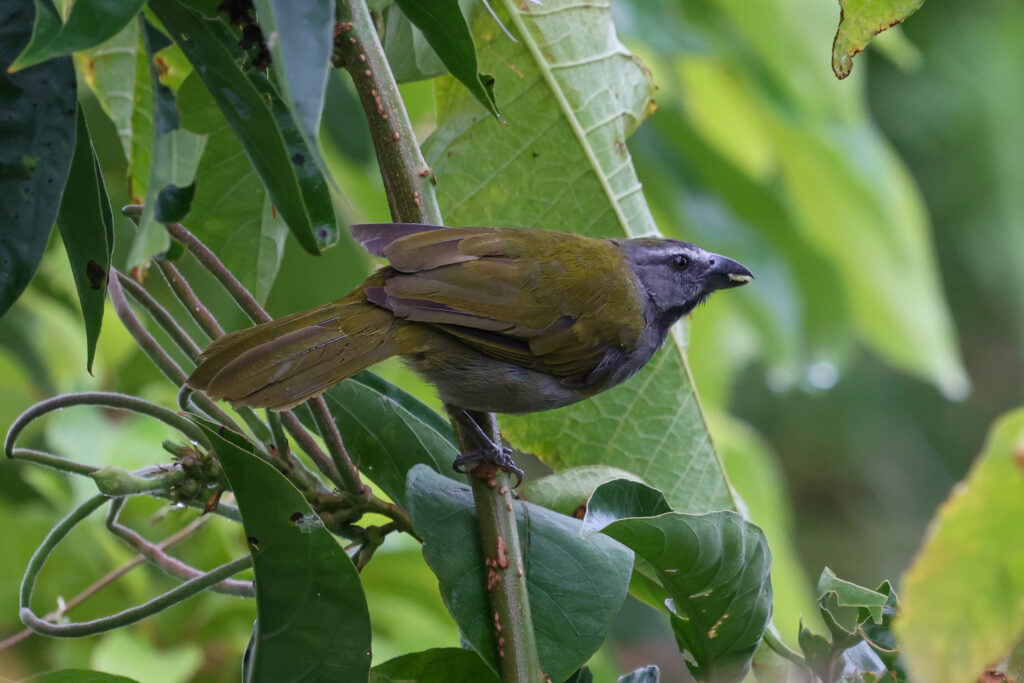
After a good night’s rest, it was time to hire a car, pack the bags, and hit the Pan-American Highway en route to Boquete on the Costa Rican border. Boquete starkly contrasts the hot and bustling Panama City; situated at just over 1,100 meters above sea level, the area is characterized by cool weather, near constant rainfall, forest-cloaked mountainsides, and range-restricted birds. With over seven hours on the road and an overnight stop-over in the picturesque town of El Valle de Antón, it was with great anticipation that the car came to a halt in what could have been a scene taken from a Swiss postcard. The previous day had provided some excellent roadside birding with Blue-headed Parrot, Buff-throated Saltator, Black-chested Jay, Bay Wren, White-lined Tanager, and Roadside Hawk making their way onto the list.
Buff-throated Saltator
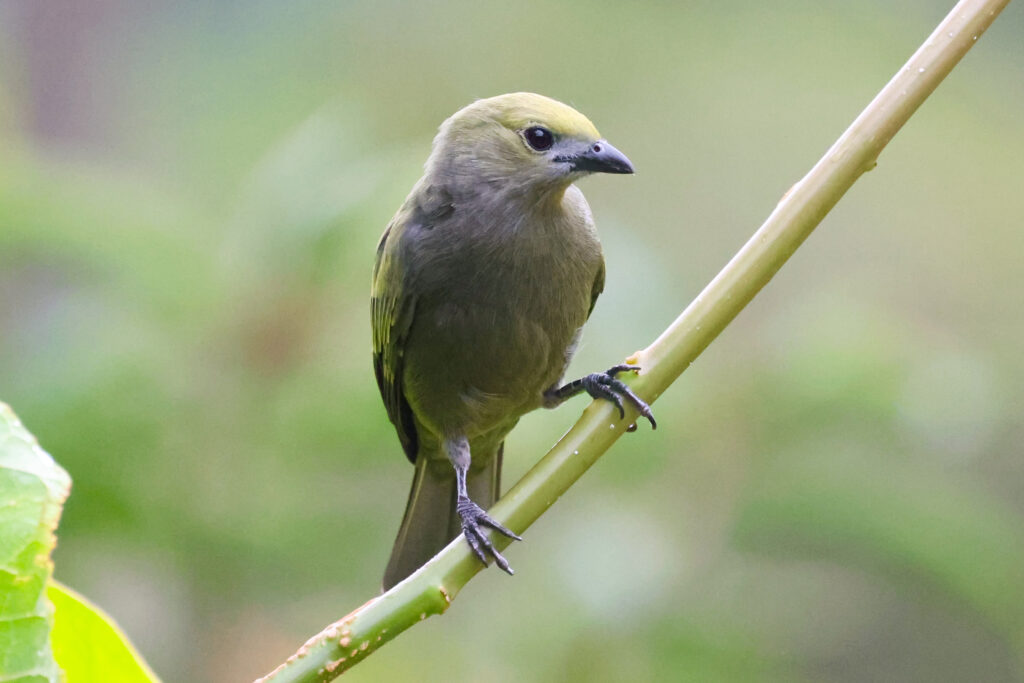
Palm Tanager
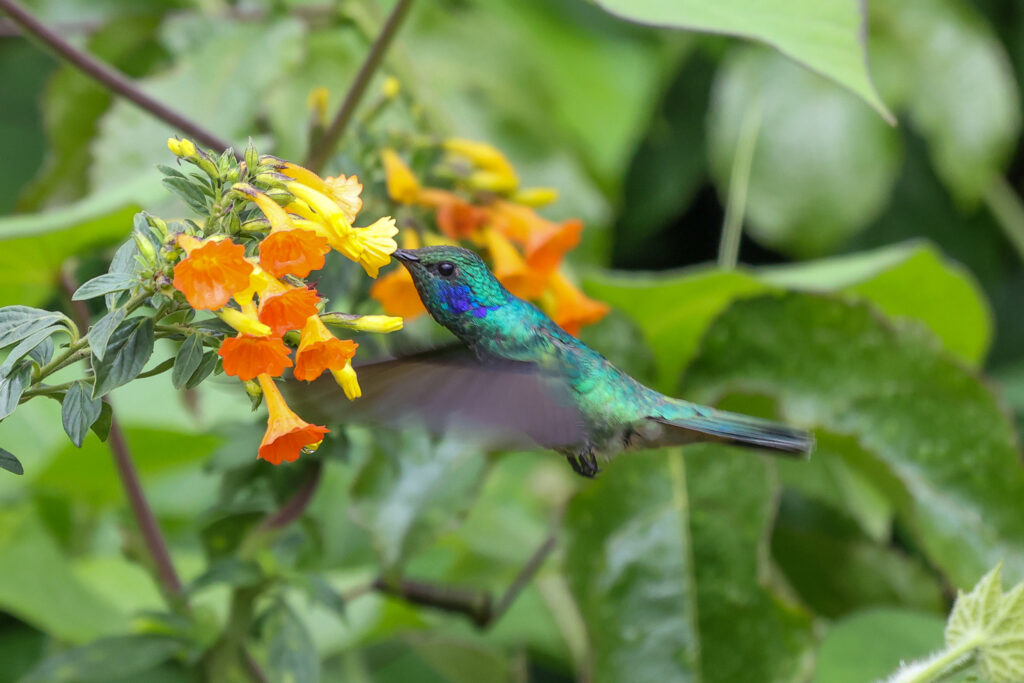
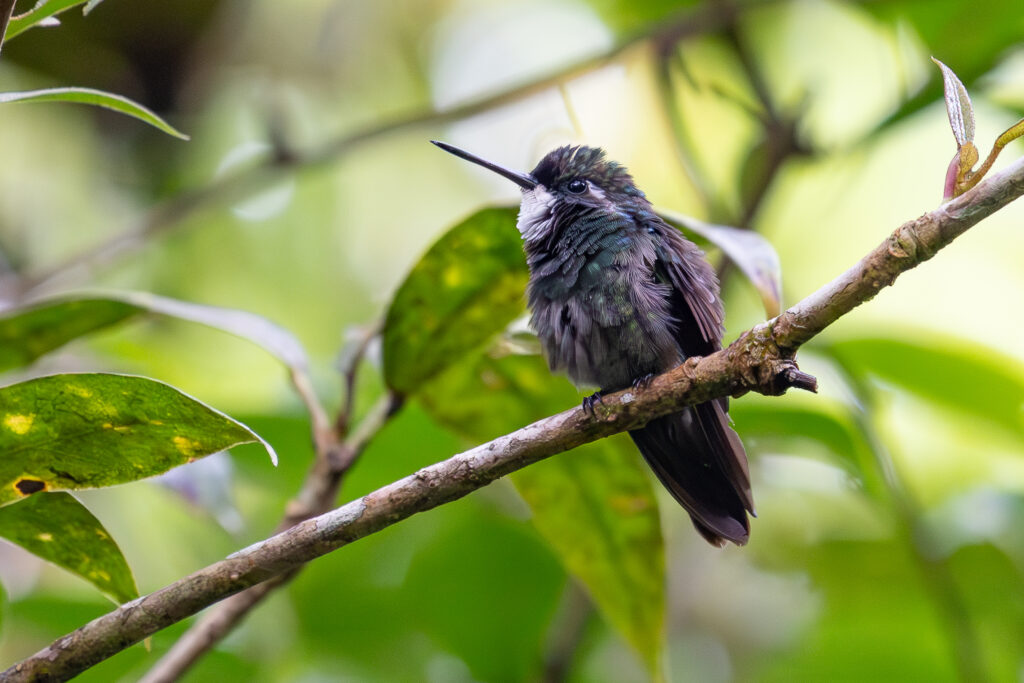
Lesser Violetear
A quick stroll through the neatly manicured gardens in Boquete revealed that I was no longer birding the lowlands; everything was new, and I added Scarlet-rumped Tanager, Yellow-billed Cacique, Red-legged Honeycreeper, Bronzed Cowbird and Lesser Violetear in rapid succession. The sun dipped behind Volcán Barú (the highest point in Panama at 3,474 m above sea level), and a Tropical Screech Owl announced its presence from the forested foothills. I just had a feeling that the following day would be simply spectacular.
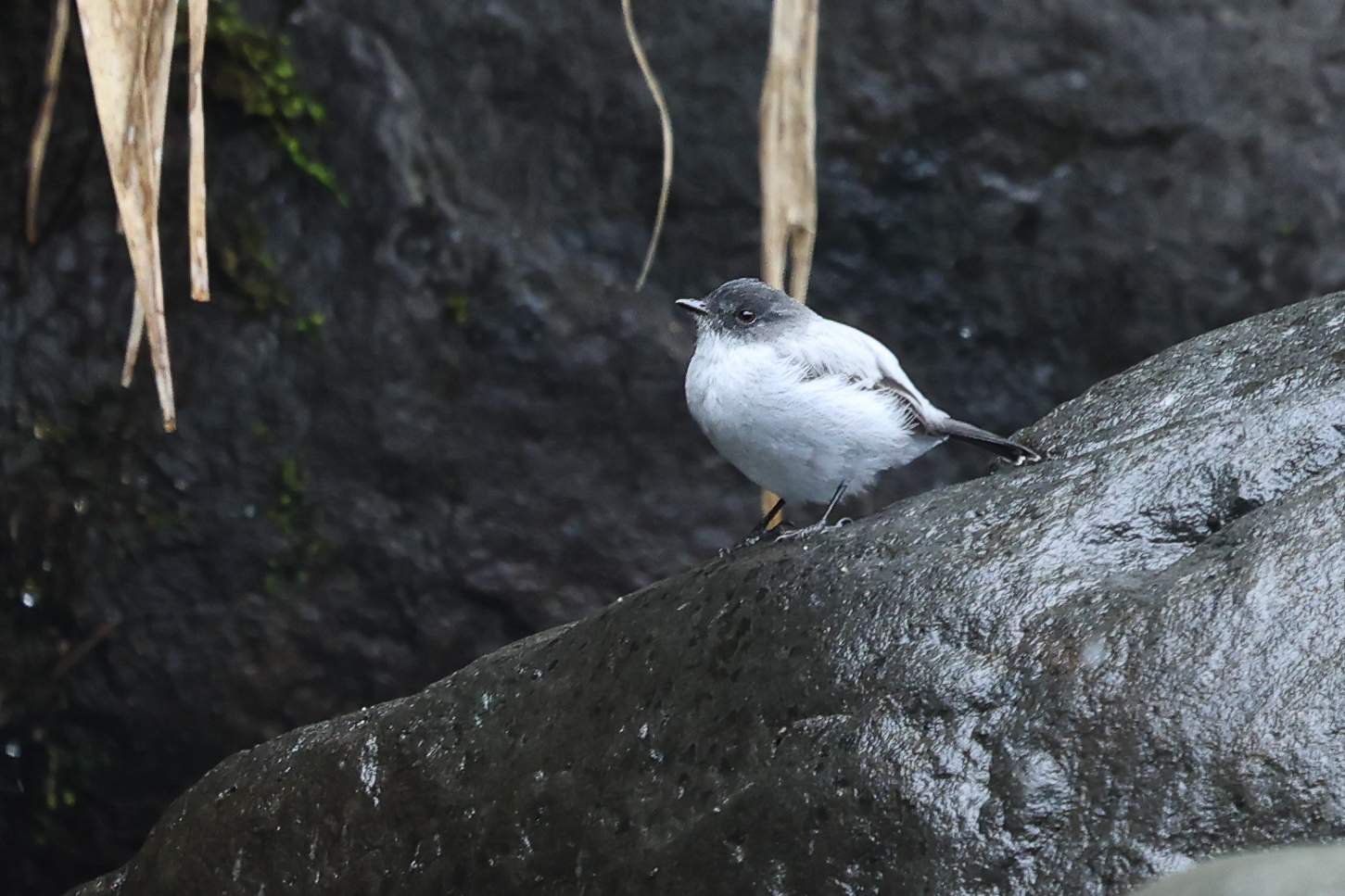
Torrent Tyrannulet was common along the fast slowing streams around Boquete.
My alarm went off at 5 am, but I was already awake, packed, and ready for action. The low-clearance sedan navigated winding roads between coffee estates and over turbulent streams. I started scanning the Caldera River and picked up my first lifer for the morning, the minute Torrent Tyrannulet – as the name suggests, this tiny flycatcher is found exclusively along fast-flowing streams and was one of the species I was keen to see in the highlands.
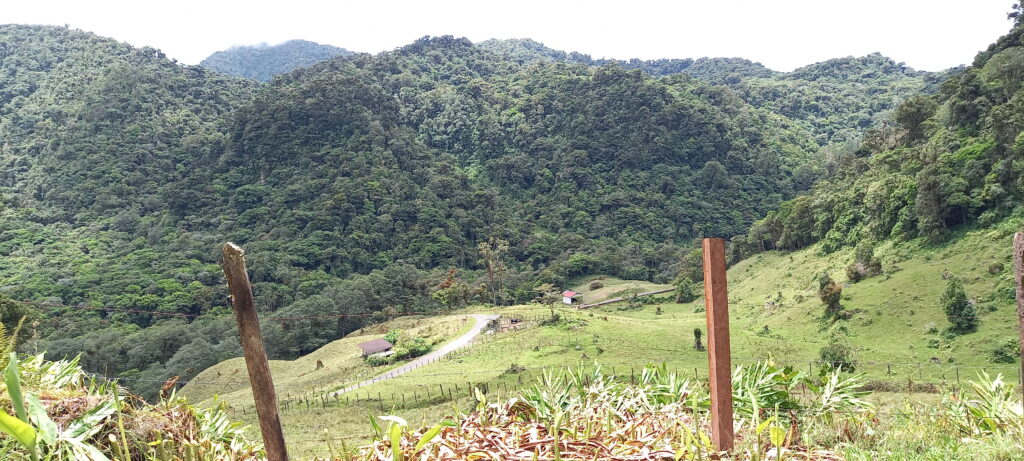
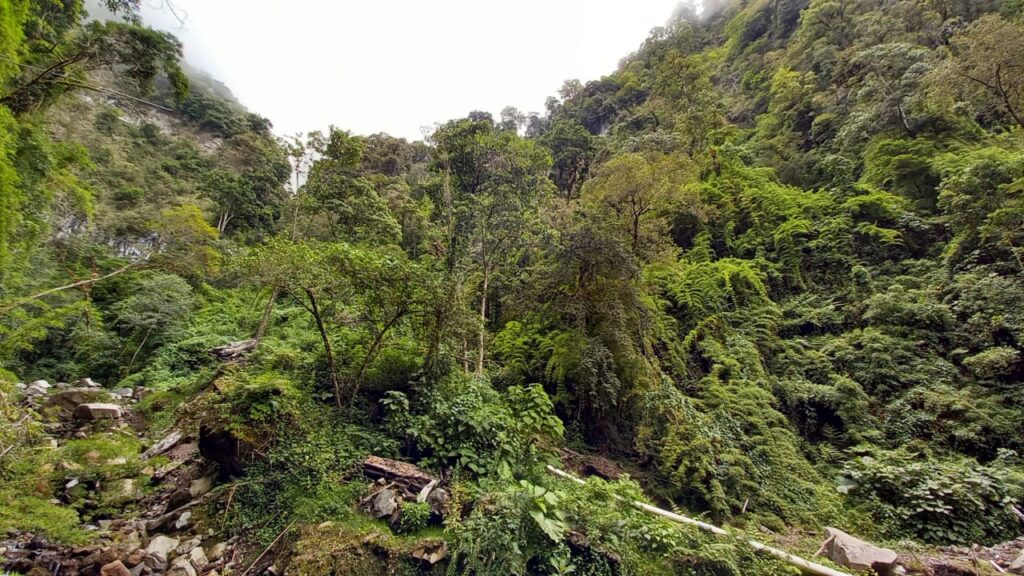
Highland scenery near Boquete.
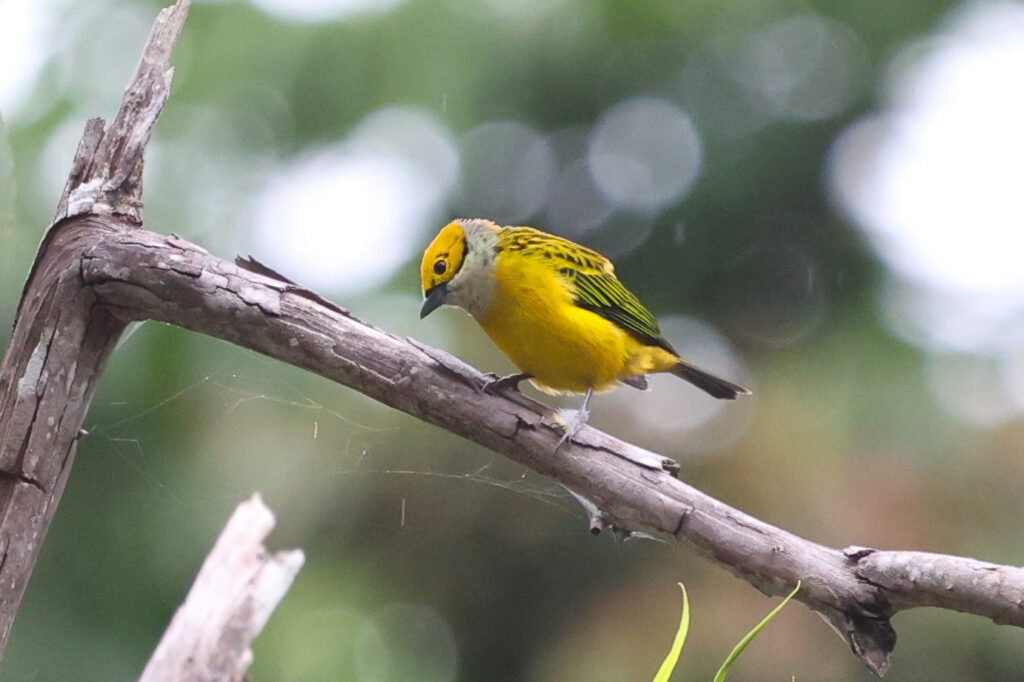
The quiet roads offered fantastic roadside birding with Flame-colored and Silver-throated Tanager, Orange-billed Nightingale-Thrush, Sulphur-winged Parakeet (a Talamanca Mountain endemic), and Black Phoebe showing well. With the altitude increasing, the coffee plantations gradually gave way to cloud forest, and eventually, the road came to an end; only a single-track trail pushed on into the forest. I left the car and started exploring; the endemics started rolling in one by one.
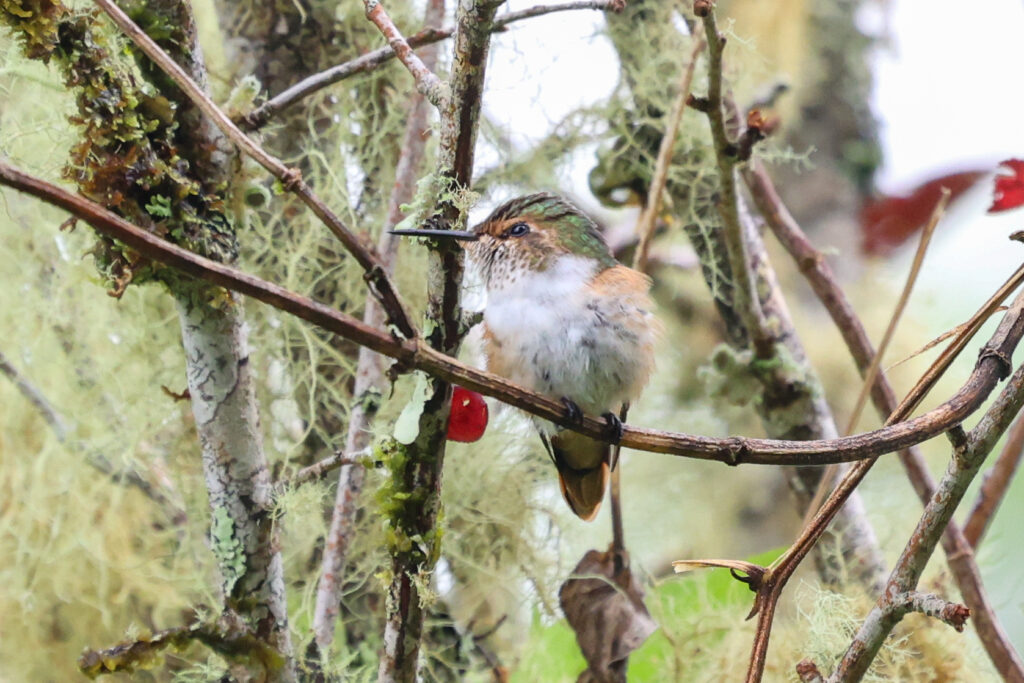
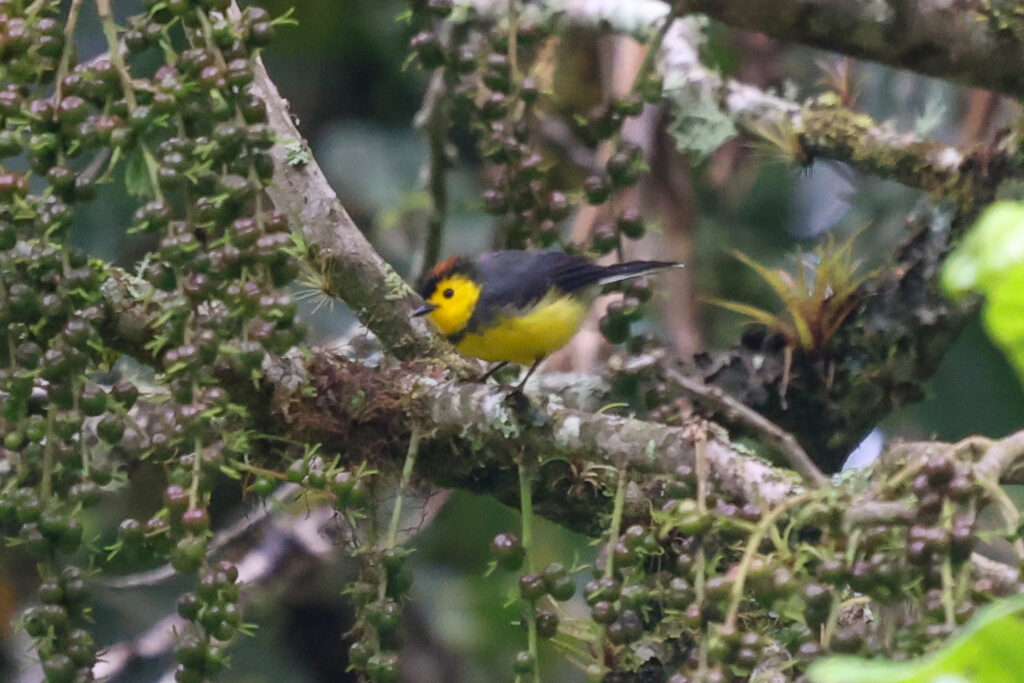
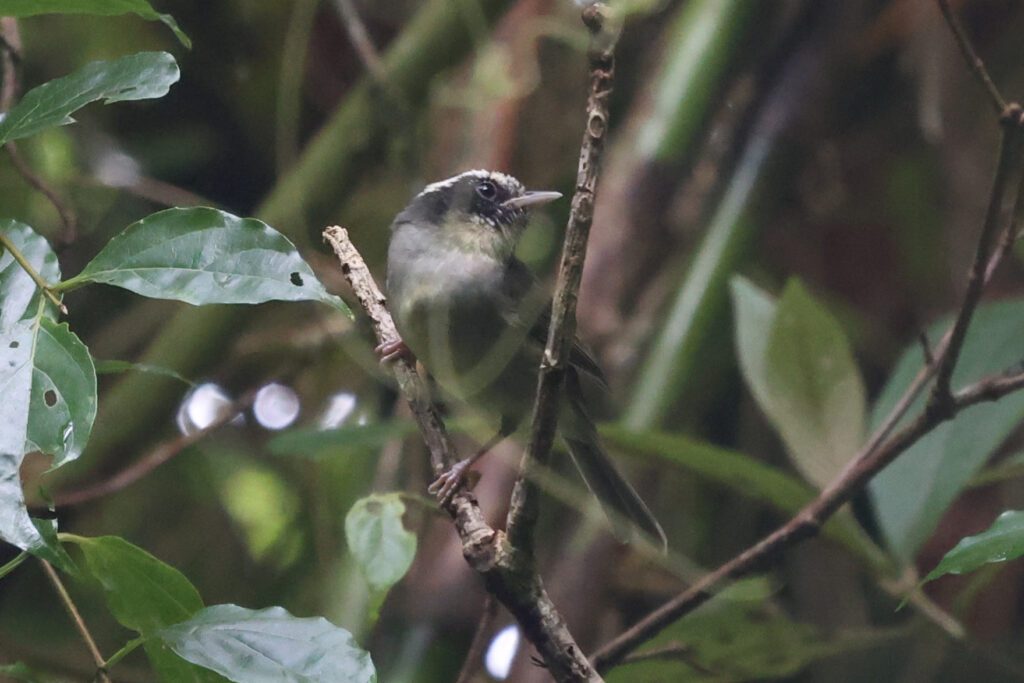
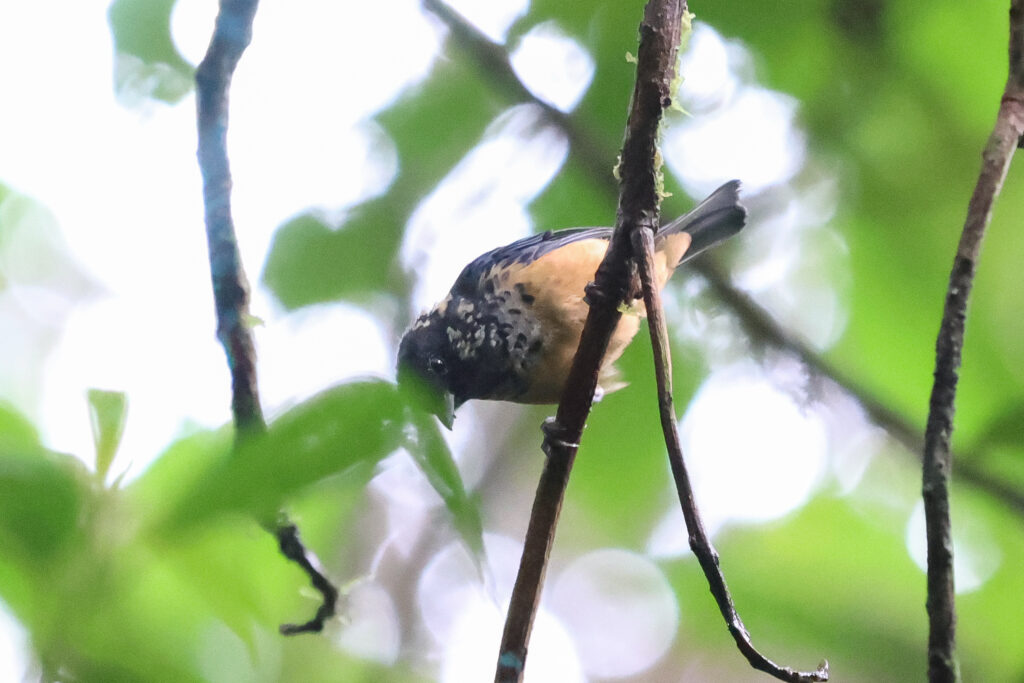
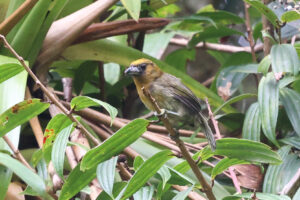
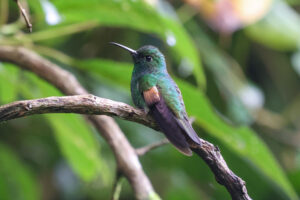
I soaked up incredible views of Ochraceous Wren, Yellow-thighed Brushfinch, Ruddy Treerunner, Black-cheeked Warbler, Spangle-cheeked Tanager, Collared Whitestart, Scintillant Hummingbird, White-throated Mountaingem, Golden-browed Chlorophonia and Black-and-Yellow Phainoptila – all of which are restricted to the mountainous regions of Panama and Costa Rica.
Silver-throated Tanager
Scintillant Hummingbird
Collared Whitestart
Black-cheeked Warbler
White-throated Mountaingem
Spangle-cheeked Tanager
Other mention-worthy species included both Hairy and Acorn Woodpeckers, Prong-billed Barbet (my first member of the family Seminornithidae), Yellow-bellied Siskin, Slate-throated Whitestart, Band-tailed Pigeon, Barred Becard and Buffy Tuftedcheek. I spent several hours of cloud forest birding in what felt like a few minutes; however, the rain settled in for the afternoon, and I was forced to retreat to the Airbnb with a lifer-loaded list.
Prong-billed Barbet
Stripe-tailed Hummingbird
Buffy Tuftedcheek
Day two of birding in Boquete brought with it the prospect of seeing one of the most iconic birds in the world. By some fortune, I met up with a group of birders at the start of Pipeline Trail (not to be confused with Pipeline Road from Part 1 of the Panama series). After scrutinizing eBird maps for recent sightings of my target, Pipeline Trail had repeatedly turned up as an excellent site to search for it. We started the trail and, after only a few minutes, added Elegant Euphonia, White-throated Thrush, Spotted Wood Quail, Brown-capped Vireo, Rufous-capped Warbler, and White-tailed Emerald to the list. As we pushed on up the slippery trail, I chatted to Gabriel Ortiz, who works as a birding guide across Panama, about our prospects of finding the bird, “They are here; it’s just patience – and a little luck,” he replied.
Cloud Forest along Pipeline Trail.
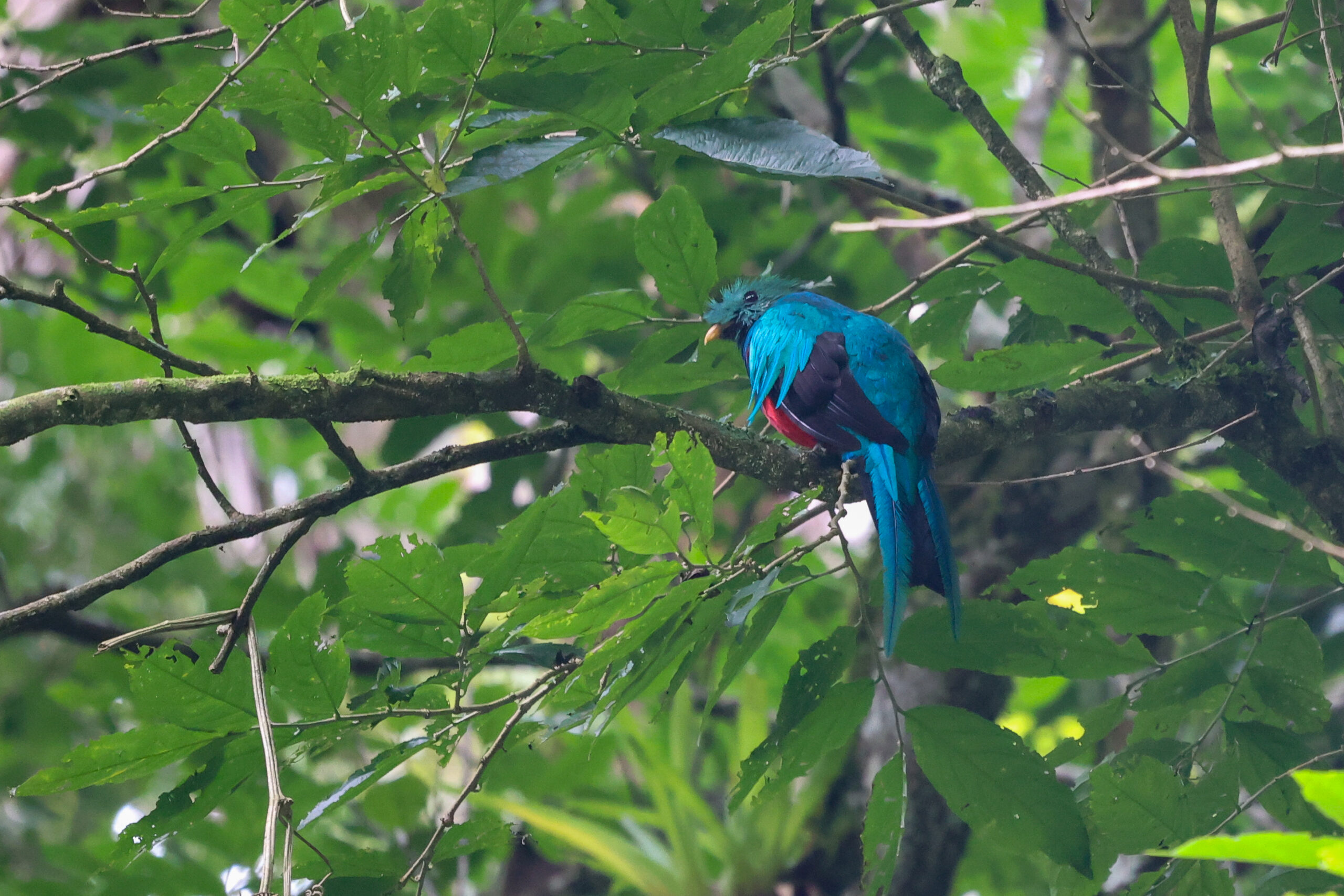
After two hours, I started to feel that painful yet familiar feeling that all birders have experienced – the feeling that I was about to ‘dip’ (failing to find a target species). Wild avocado trees are the name of the game when searching for the species, and after a few hours of investigating prospective fruiting trees, I was almost ready to call it a day. Then, to make matters worse, the weather changed from what started as a cloudless morning to a torrential downpour. That’s when I heard Gabriel calling from around a bend in the trail: “As quickly and quietly as you can,” he exclaimed, “I’ve got it!”. I ran, almost slipped, fixed my binoculars on the area that Gabriel was pointing at, and immediately saw it: in my binoculars, I had a male Resplendent Quetzal.
Resplendent Quetzal – bucket list stuff!
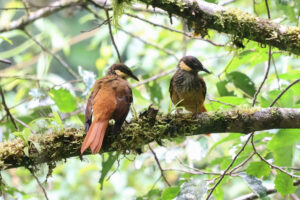
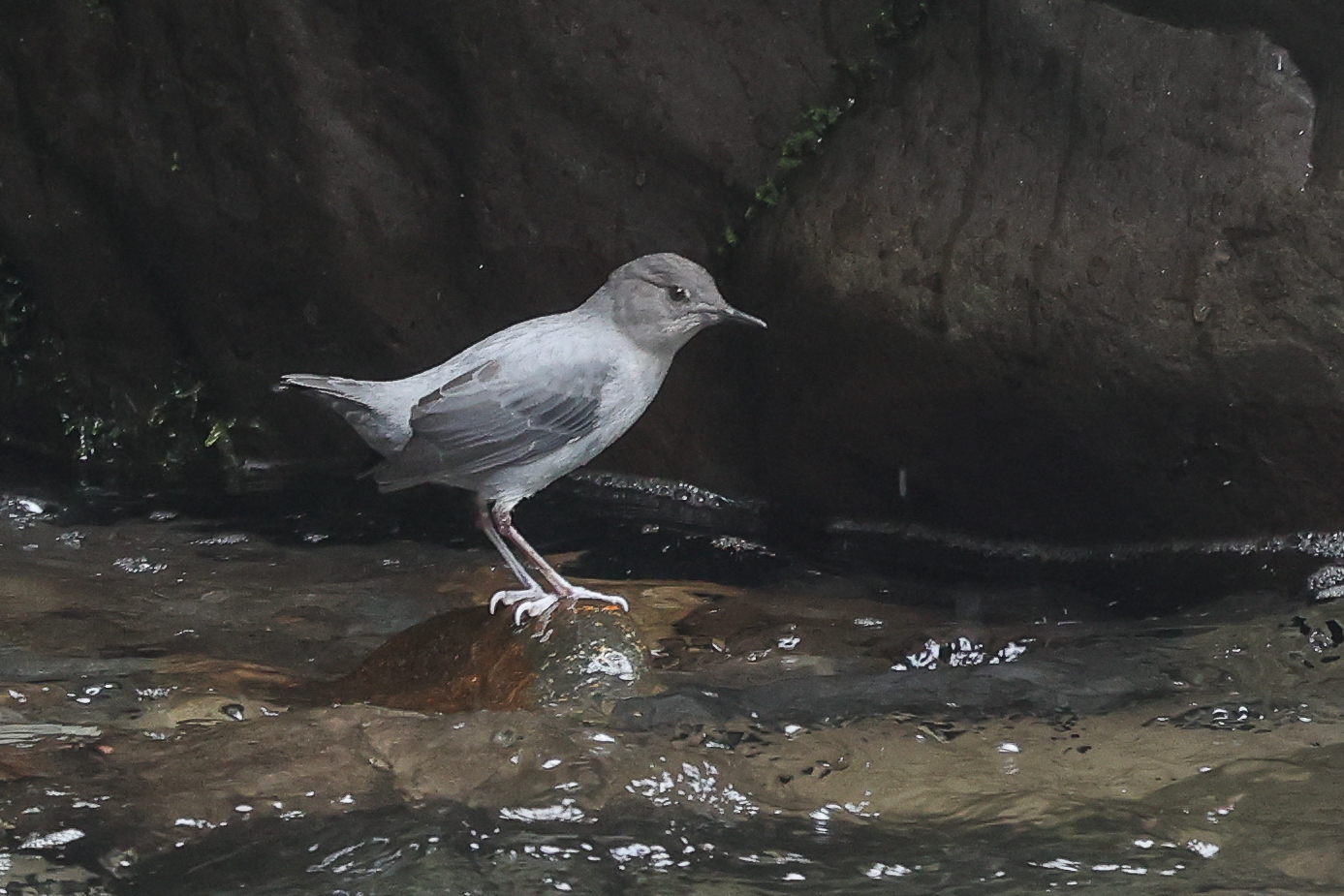
The quetzal was the sacred bird of the ancient Mayas and Aztecs, and even today, the bird is held in regal regard across its range from southern Mexico to western Panama. It also happens to be the national bird of Guatemala, and the country’s currency – the Guatemalan quetzal – owes its name to this spectacular bird. Several fist-bumps and hundreds of photos later, we began our retreat in the unrelenting rain until… we found another three quetzals feeding together in a wild avocado tree! Two males and a single female! The Talamanca Mountains still had a couple of surprises in store for us, with White-naped and Chestnut-capped Brushfinch, Yellowish Flycatcher, and American Dipper showing well.
My first dipper – American Dipper
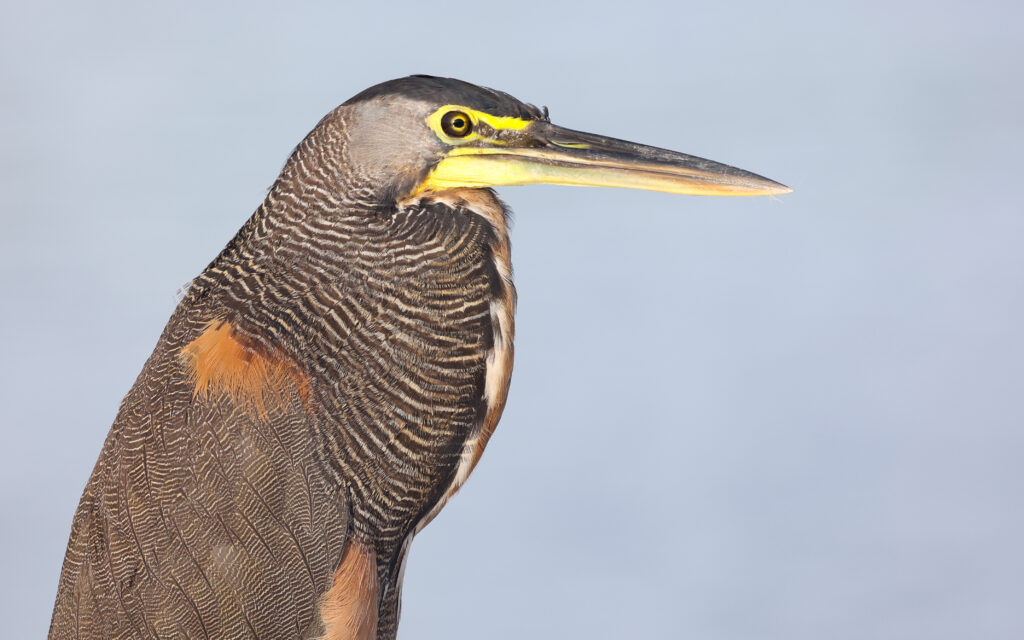
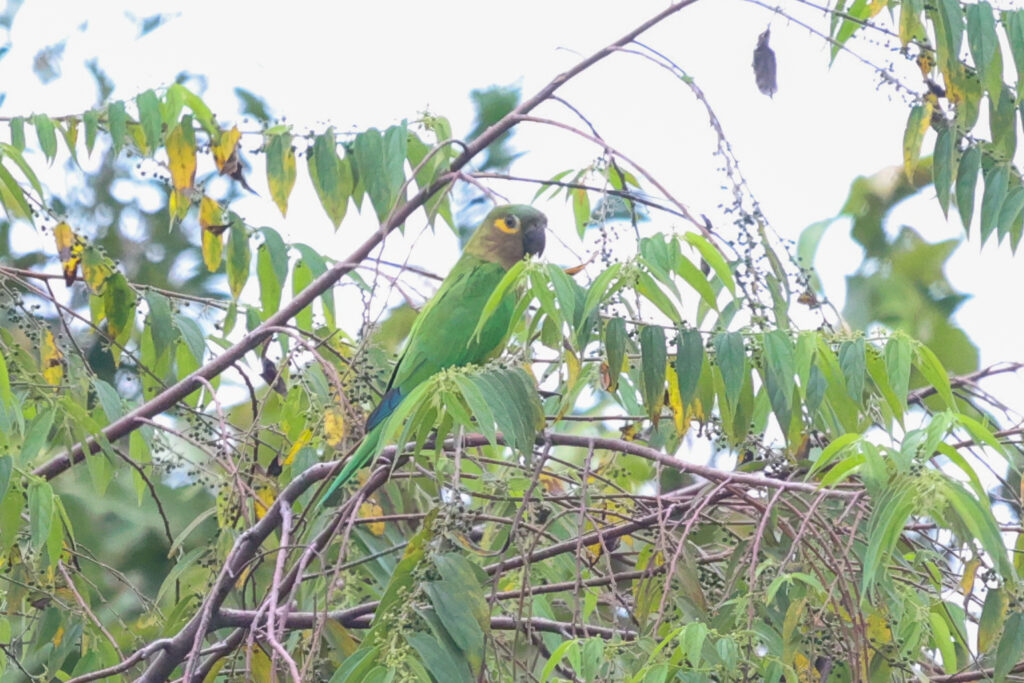
After what had been a brief yet rewarding visit to Boquete, we started the long journey back to Panama City. We decided to break the drive up with an overnight stay in the charming coastal town of Boca Chica, which added, among others Bat Falcon, Bare-throated Tiger Heron, Thick-billed Seed Finch, Crested Oropendola, Brown-throated Parakeet, and Groove-billed Ani.
Bare-throated Tiger Heron
Brown-throated Parakeet
Bat Falcon
Panama had been an incredible adventure; the birding was phenomenal, and the Panamanian people were extremely accommodating. I feel as though I have barely even scratched the surface concerning birding this part of the world, and I can’t wait to return to Central America – hopefully soon!