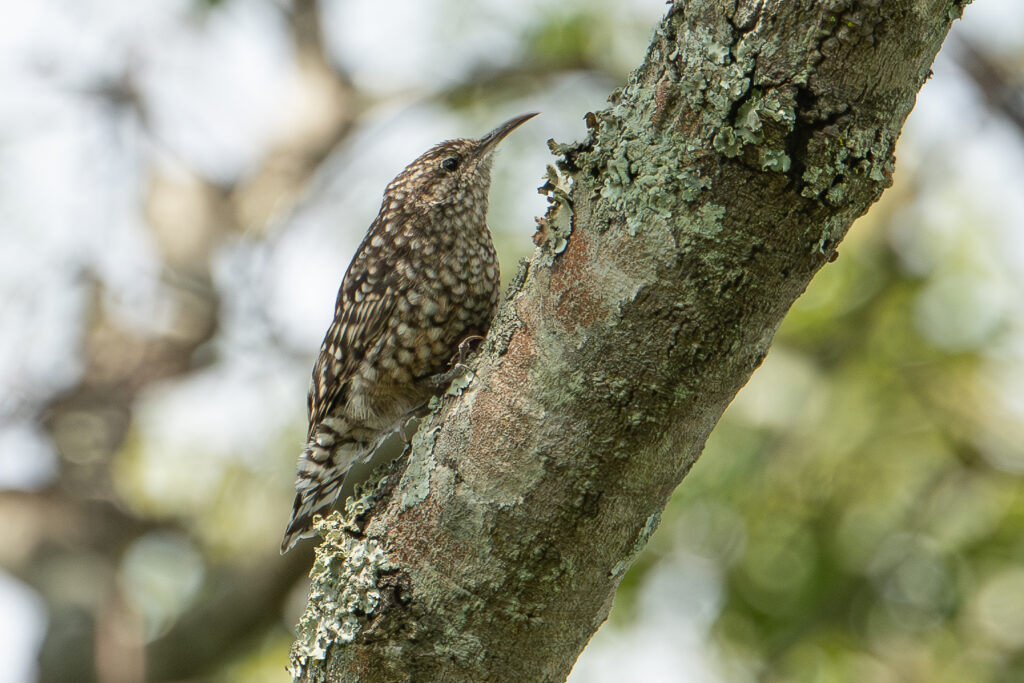
This is Part 2 of 3 of my scouting trip to Madagascar on behalf of Birding Africa Tours. You can have a look at my eBird Trip Report here.

Day 6, 24th November 2023: Andasibe – Antananarivo
Today was mostly a travel day, and we left the wonderful Vakona Forest Lodge just after dawn. The drive to Antananarivo was largely uneventful, and a few brief roadside stops produced Olive Bee-eater, African Stonechat, Mascarene Martins and our first Three-banded Plover for the trip. After arriving in Tana, I said goodbye to Reja and Gimme, who continued south to Antsirabe and Ranomafana. I would be completing the trip in reverse and would catch the flight to Toliara in the southwest the following day.
Day 7, 25th November 2023: Antananarivo – Toliara
I was up again before dawn to catch the 6 am flight to Toliara. The flight took just under two hours, and it was exciting to see the landscape change from terraced rice paddies to the dry, spiny forests of the southwest. The plane touched down in Toliara, and I stepped out into what felt like another word, culturally and climatically. I met up with my local guide and driver, and we drove north to the small town of Ifaty. The habitat was a stark contrast to the lush rainforests of the east. To my left were mangroves and the turquoise waters of the Mozambique channel, while on my right, an arid, almost desert-like landscape with low shrubs stretched for kilometres.
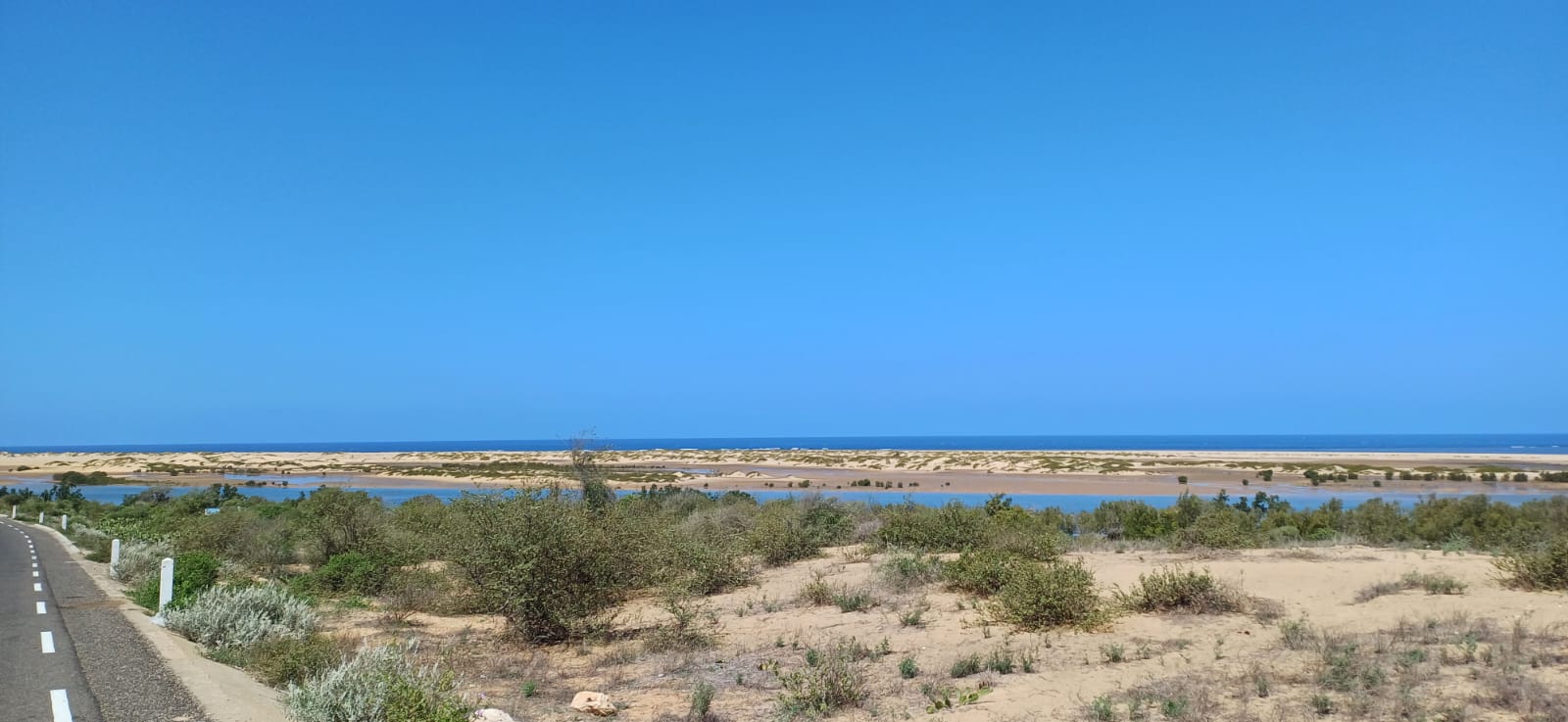
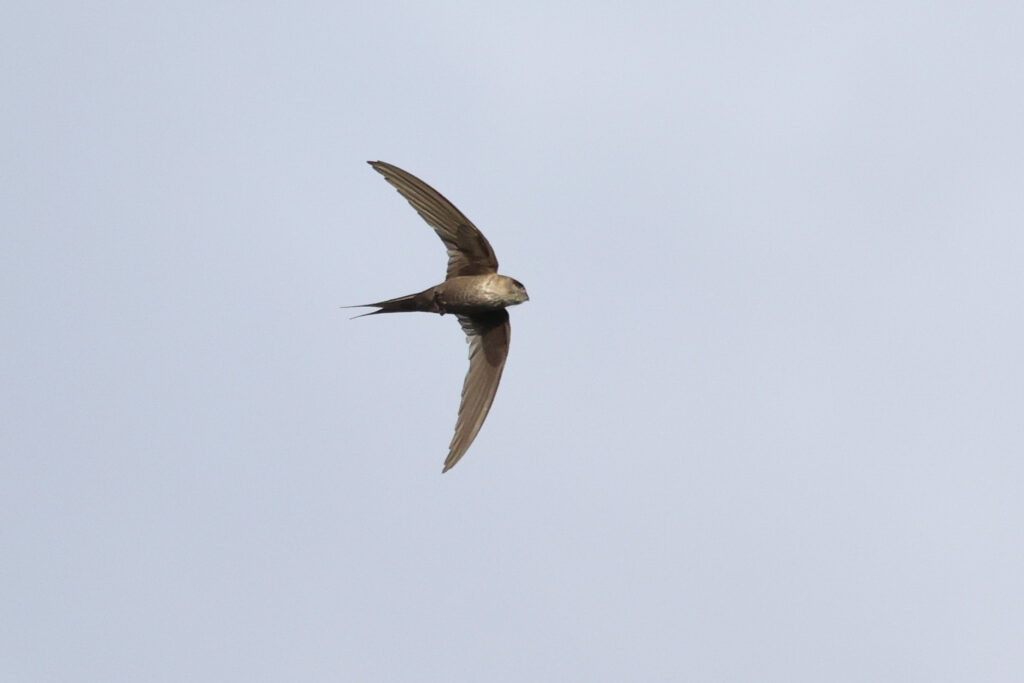
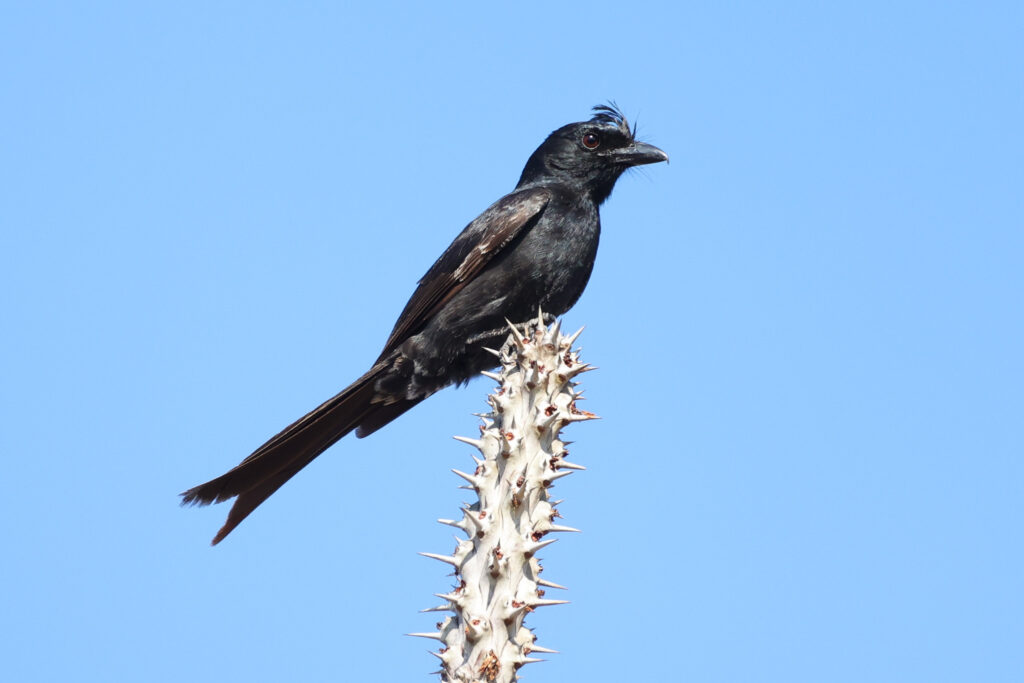
As we approached Ifaty, these shrubs were gradually replaced by taller woodlands and started to resemble the spiny forests I had seen in documentaries as a child. Before reaching my accommodation at Hôtel Solidaire Mangily, a quick roadside stop delivered two lifers, Madagascar Cisticola and Sakalava Weaver (the western counterpart of the Nelicourvi Weaver from Part 1). Namaqua Doves were common in the lodge grounds, as were Malagasy Palm Swifts, Olive Bee-eaters and Crested Drongos.
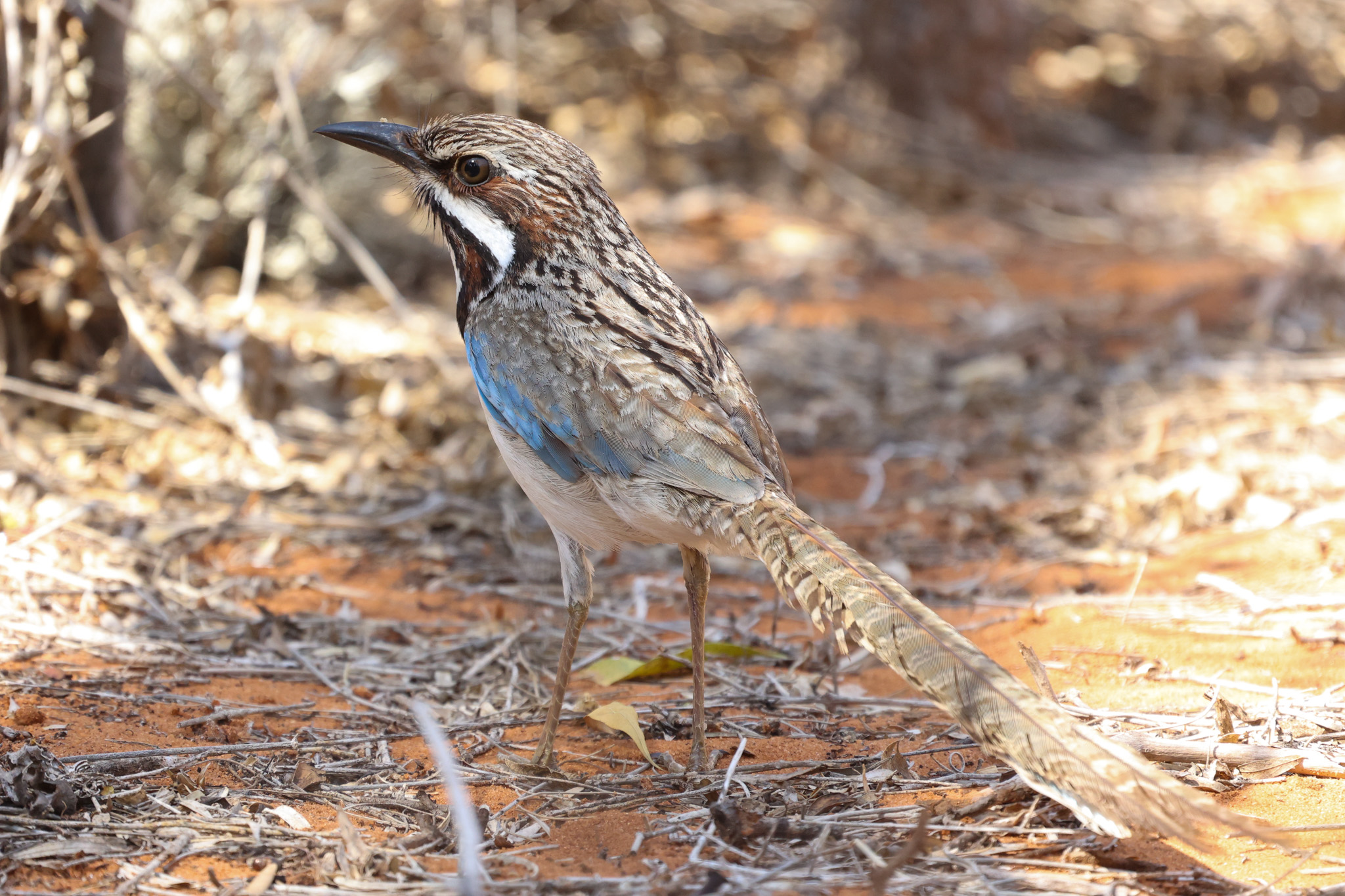
After unpacking, I met with Relatsy – a legend of the southwestern birding scene and a delightful person. We made our way to the Ifaty Spiny Forests at 2 pm. It was so unbelievably hot, but the birding was spectacular. Within 5 minutes, we had connected with one of the most iconic species in Madagascar – the Long-tailed Ground Roller. This was also my final ground roller species, which was extra special.
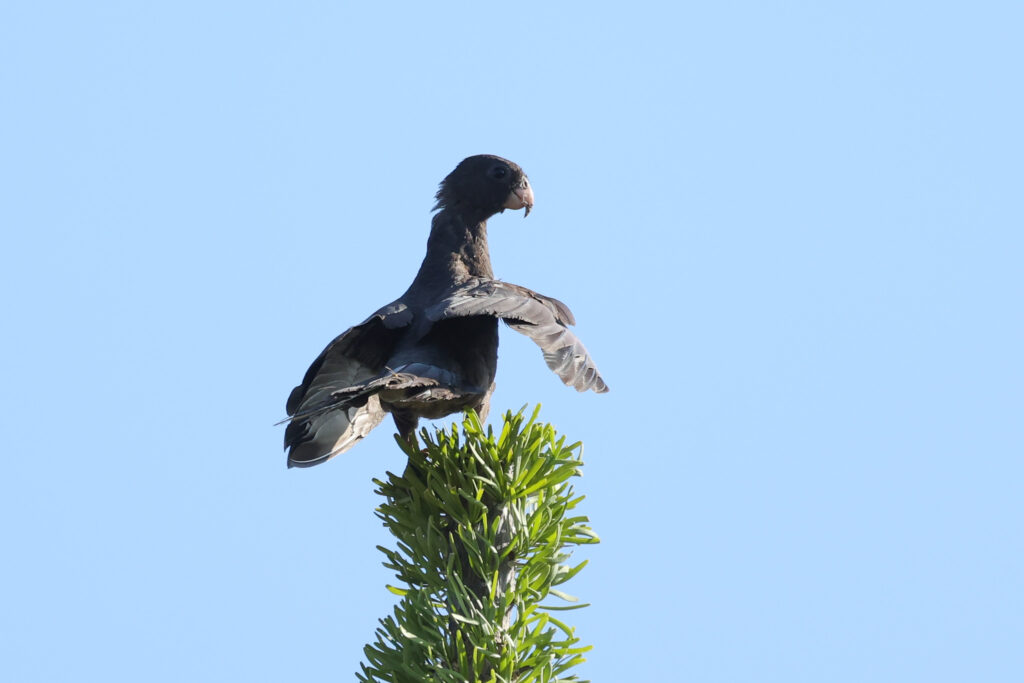
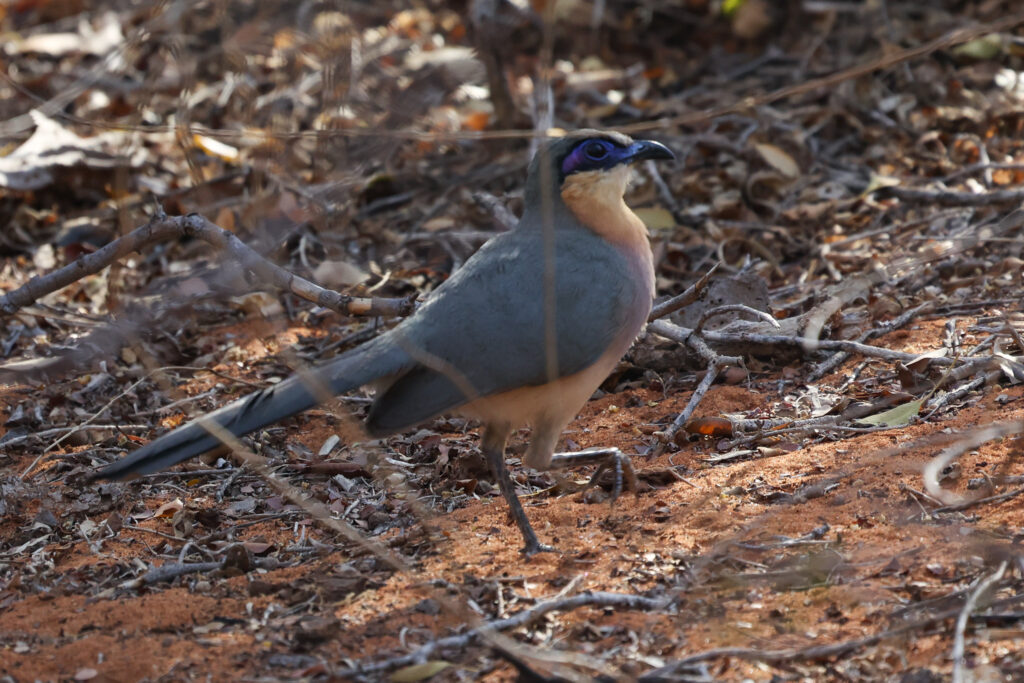
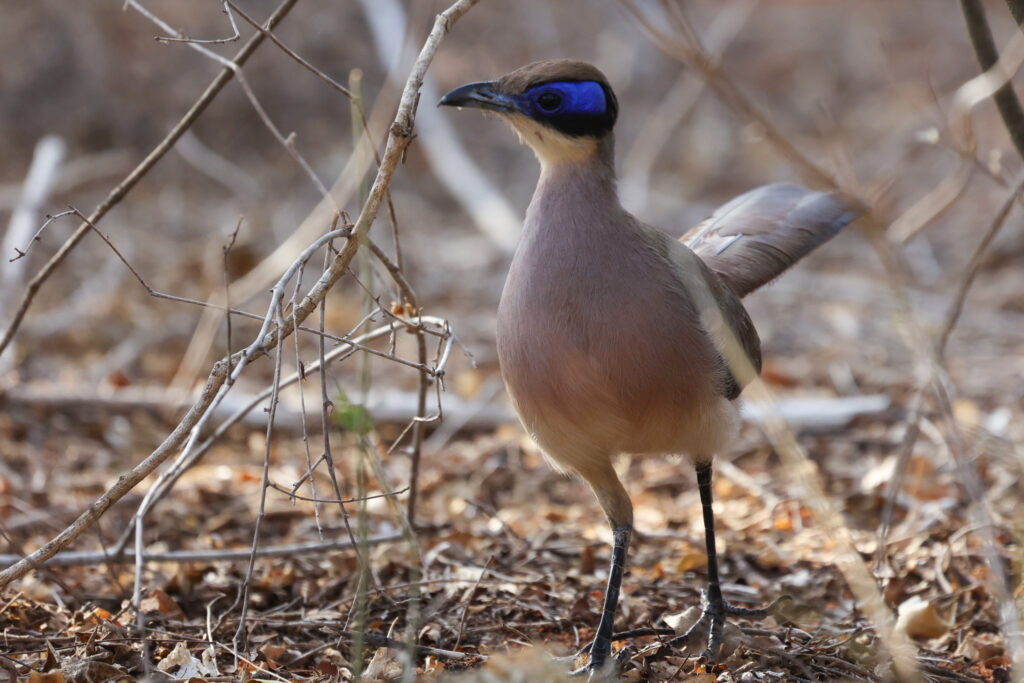
Thamnornis followed, an odd-looking warbler-like tetraka, another southwest special. After struggling for good views of the three rainforest coua species, Running, Olive-capped and Crested Couas proved to be a breeze, and we had beautiful views of these three species. A small group of Sickle-billed Vangas made an appearance later and other birds seen included numerous Madagascar Buttonquails, Lesser Vasa Parrots, Madagascar Hoopoes and Malagasy Turtle Doves. I had foolishly forgotten to take along my water for the afternoon mission and had come down with dehydration – well done, Dan. We had a few species left to target and agreed to meet pre-dawn again the following day when the temperatures were lower.

Day 8, 26th November 2023: Birding Ifaty Spiny Forests and Toliara
I was already birding before sunrise and had terrific views of Madagascar Nightjars from the lodge grounds. I met up with Relatsy, and as planned, we made our way to the Ifaty Spiny Forests. The temperatures were far more comfortable, and the birds were active.
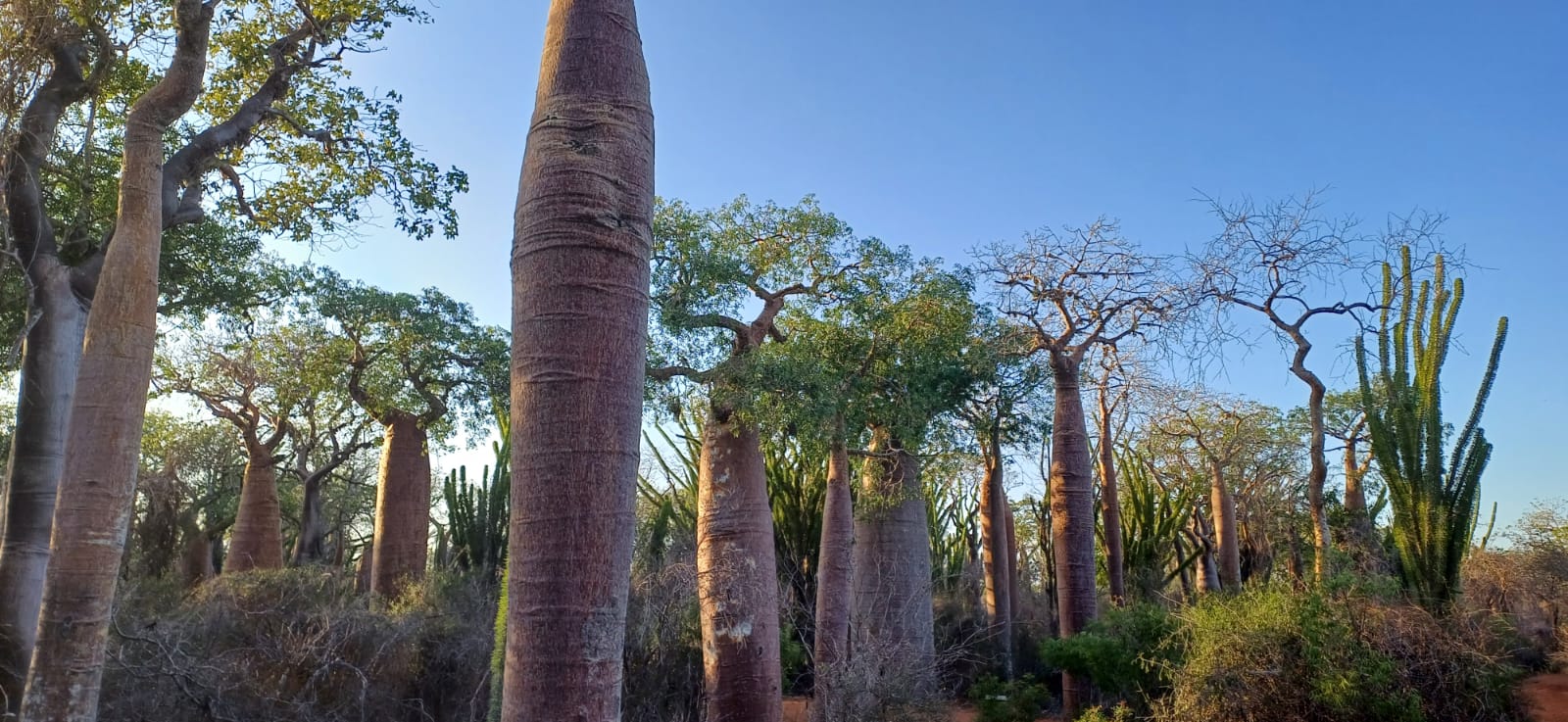
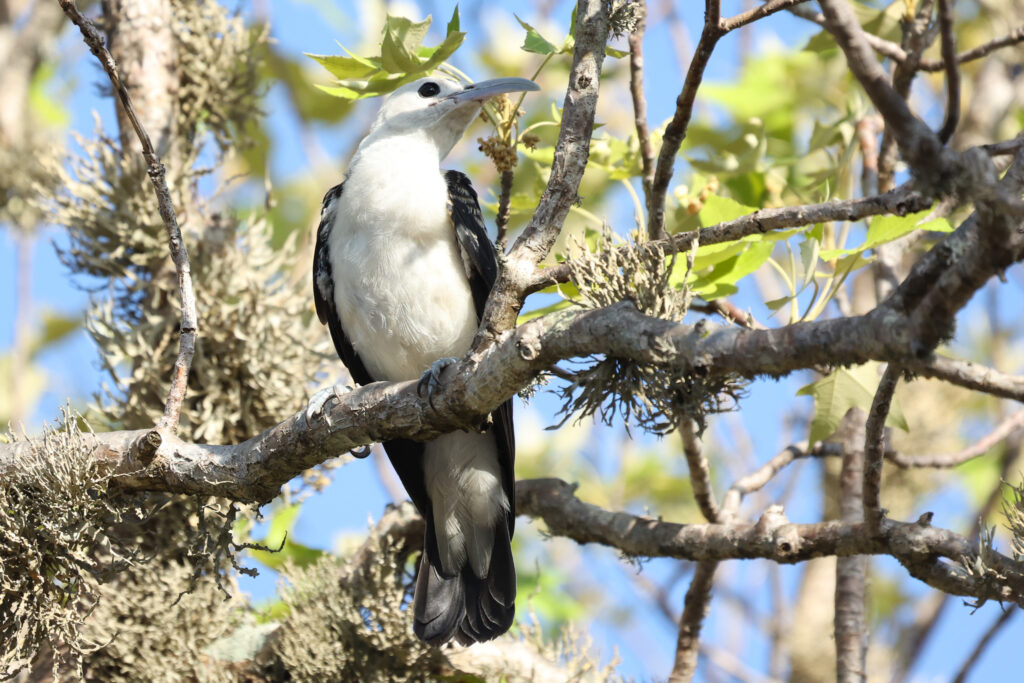
We had more views of many of the species seen the day before and quickly picked up our remaining targets, including Archbold’s Newtonia and Subdesert Mesite – what a bird! The mesite was my first representative of the endemic Mesitornithidae family, and the last of Madagascar’s five endemic families for me. We also managed an unexpected Lafresnaye’s Vanga, a bulky bird with a sturdy bill.

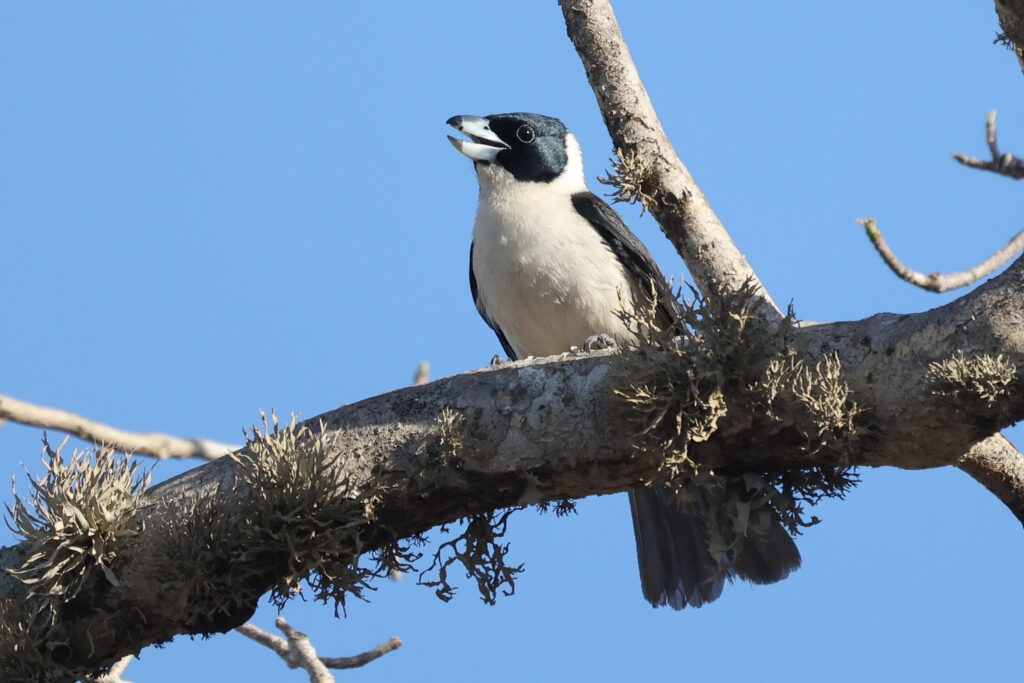

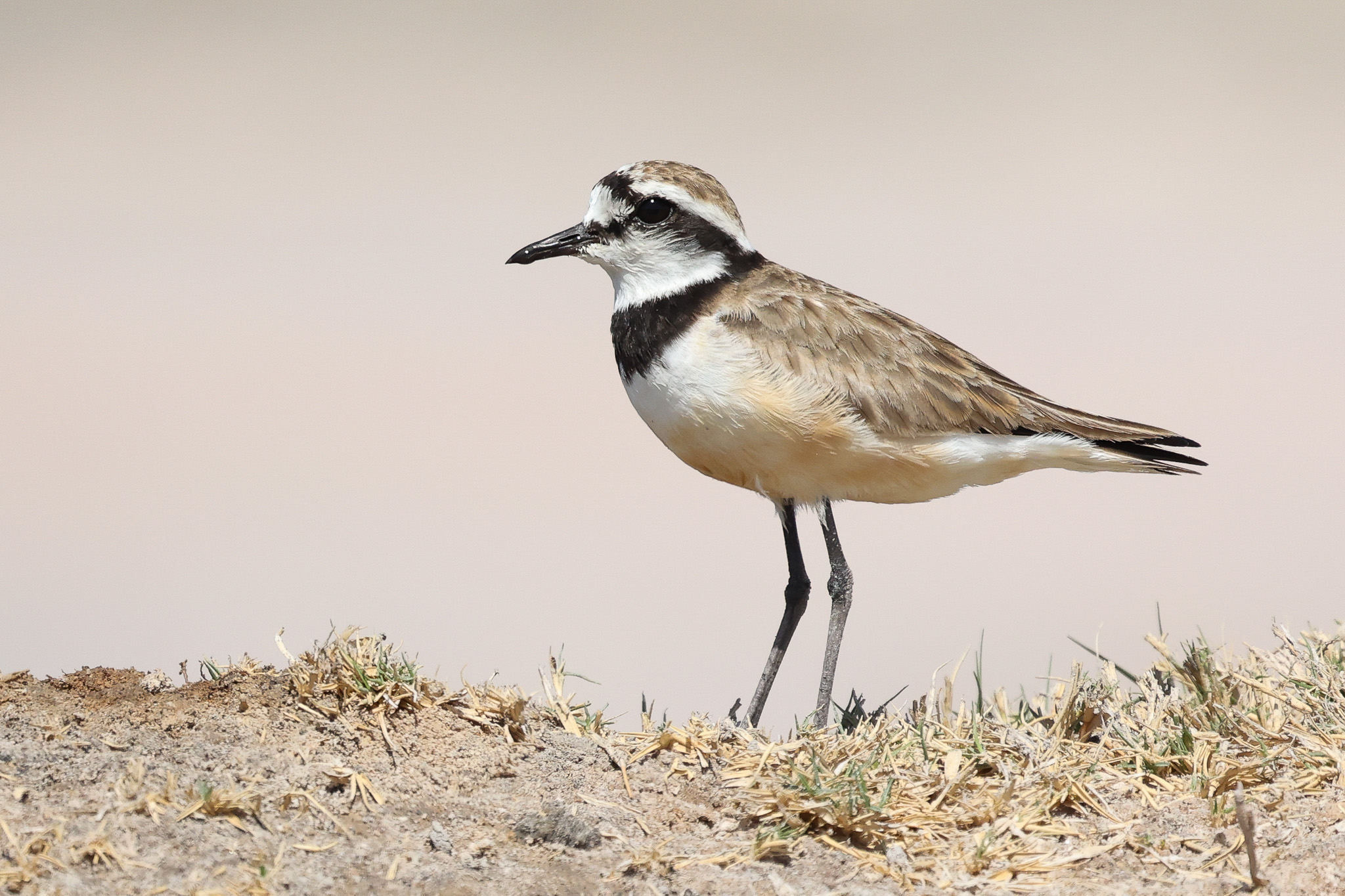
Our morning raid had been successful, and after 9 am, the temperatures had risen to a point where spiny forest birding was no longer feasible. So, we drove to the Ifaty Salt Pans and had point-blank views of Madagascar Plover along with Kittlitz’s Plover and Ruddy Turnstone – both trip birds.
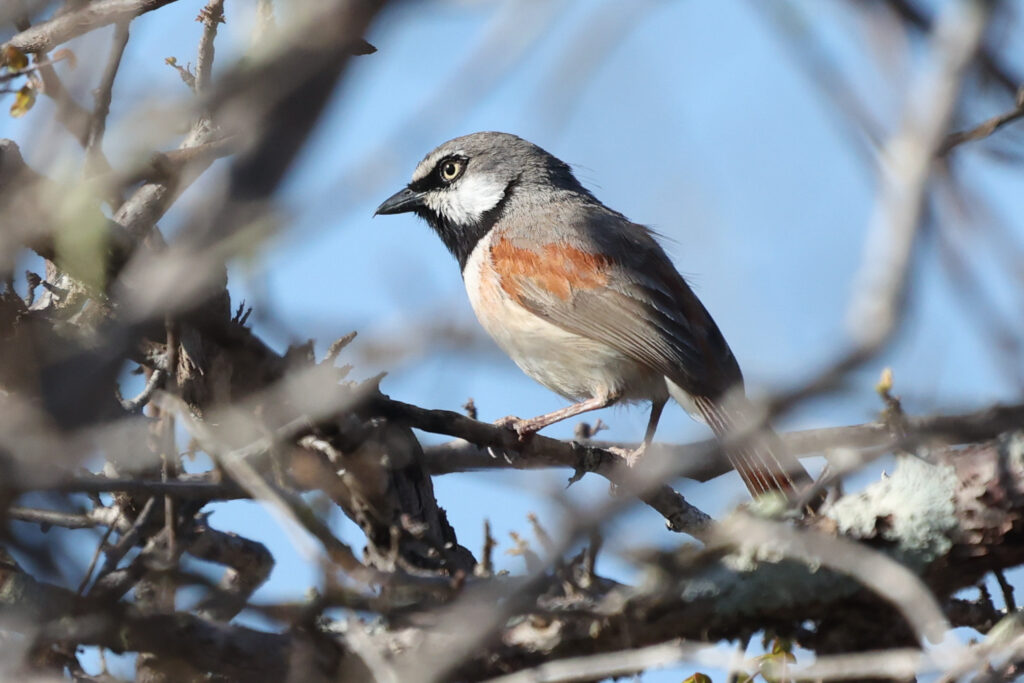
We then returned to Toliara and headed up to the La Table Plateau after lunch. The vegetation on this limestone plateau has a distinctly different feel to it, more stunted and tangly than that of the Ifaty spiny forests. As such, it has a different suite of species – with two major targets. After a few minutes of walking through the thickets here, we picked up Subdesert Brush Warbler and the first of our big targets – Red-shouldered Vanga. This vanga was only described in the 1990’s and occurs exclusively in this specialised vegetation type. The other target here, Verreaux’s Coua, followed suit and showed shortly after our encounter with the vanga.

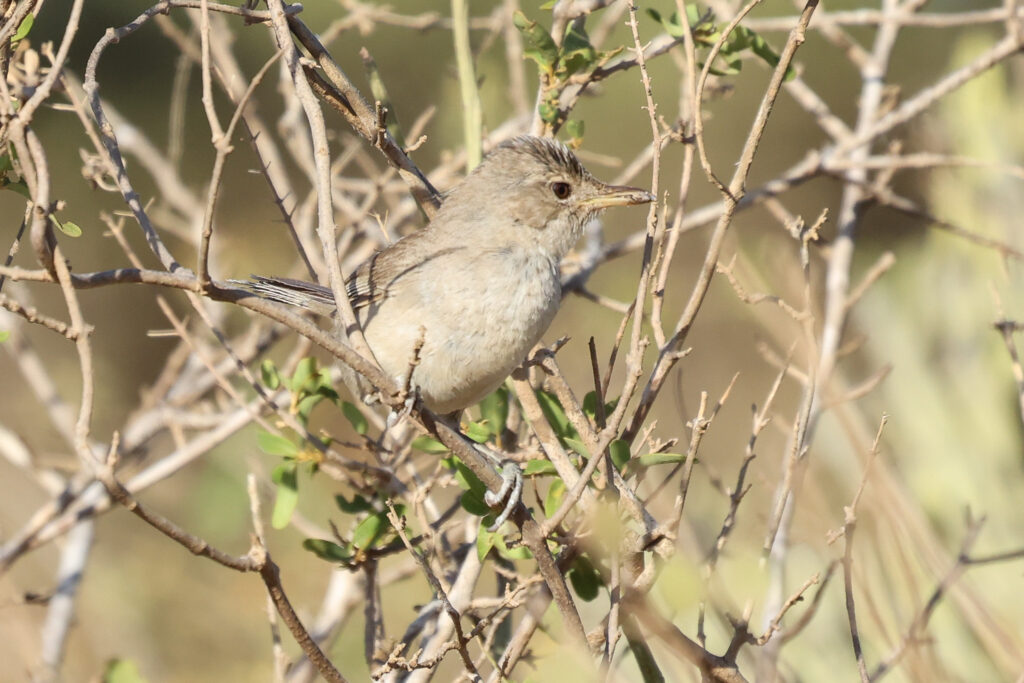
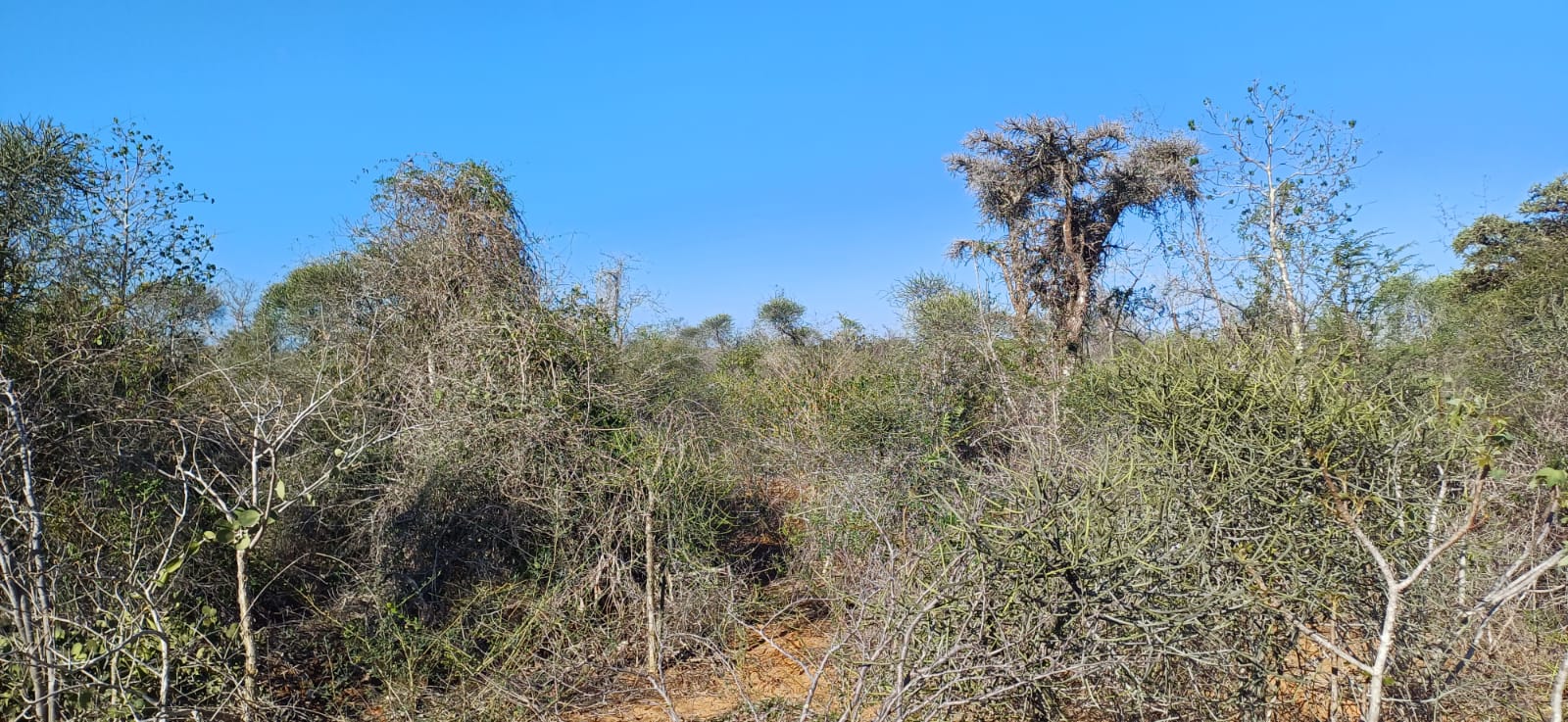
Madagascar Larks were common here, and we had additional views of Chabert and Lafresnaye’s Vanga. We returned to Toliara at sunset with a long travel day and thrilling birding in store for me.
Day 9, 27th November 2023. Toliara – Isalo National Park
Tantely (my translator and guide) and I departed Toliara before sunrise, hoping to arrive at Zombitse-Vohibasia National Park before the heat of the day. I had spent the previous night investigating our chances of seeing Madagascar Sandgrouse en route to Zombitse, and I found a stretch of road where the birds had recently been seen. To my surprise, a pair of Madagascar Sandgrouse came flying over as soon as we pulled off onto the side. Too easy.
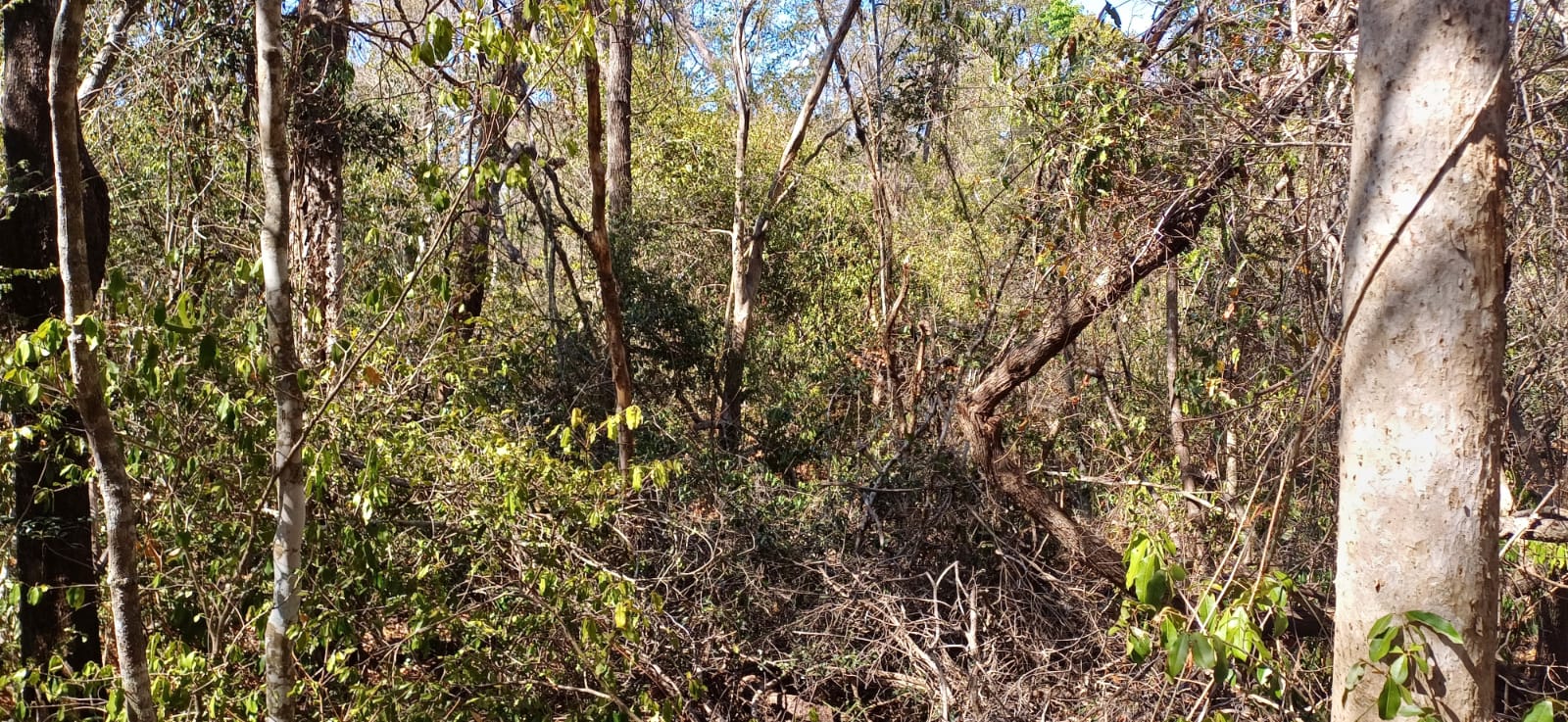
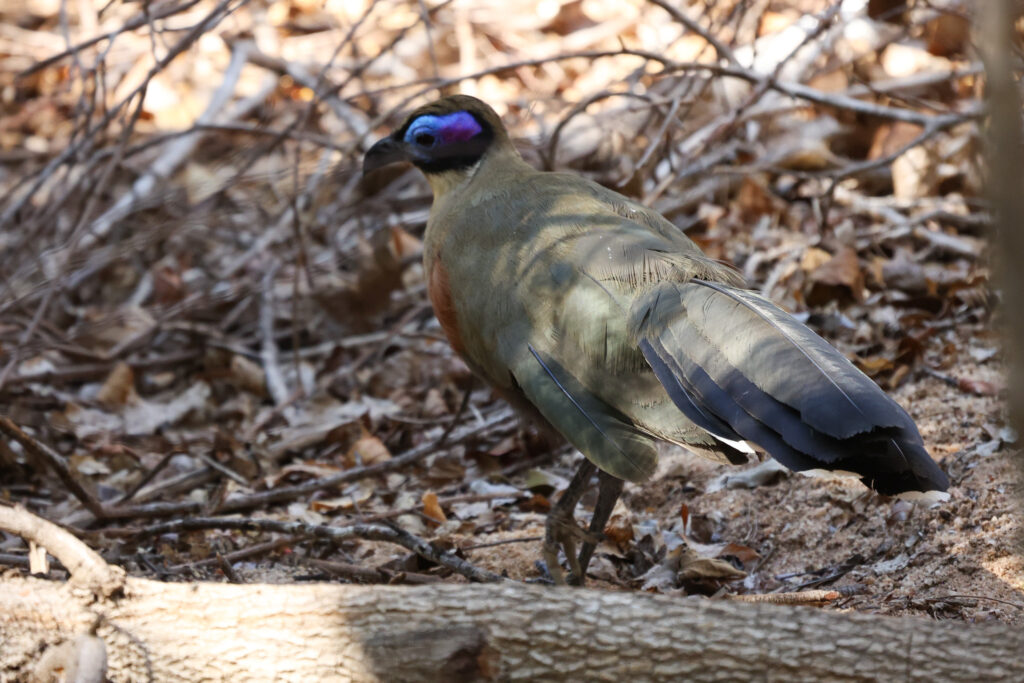
The drive to Zombitse took around 4 hours, and we arrived just after 8 am. This sizeable protected tract of dry forest is accessed from the main road linking the towns of Toliara and Fianarantsoa. It is an essential stop for visiting birders. We hadn’t even started the trail when a Giant Coua came strolling past – I was mind blown. This bird was one of our main targets here, and it put up no fight at all. Cuckoo-rollers and Broad-billed Rollers flew overhead, and Long-billed Bernierias darted through the undergrowth.
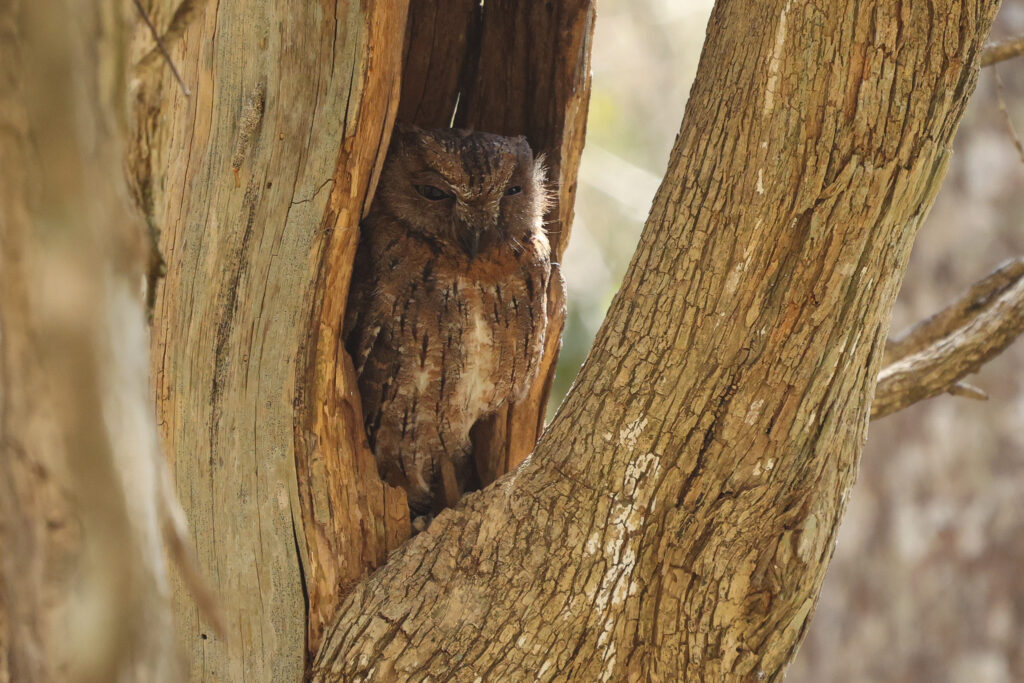
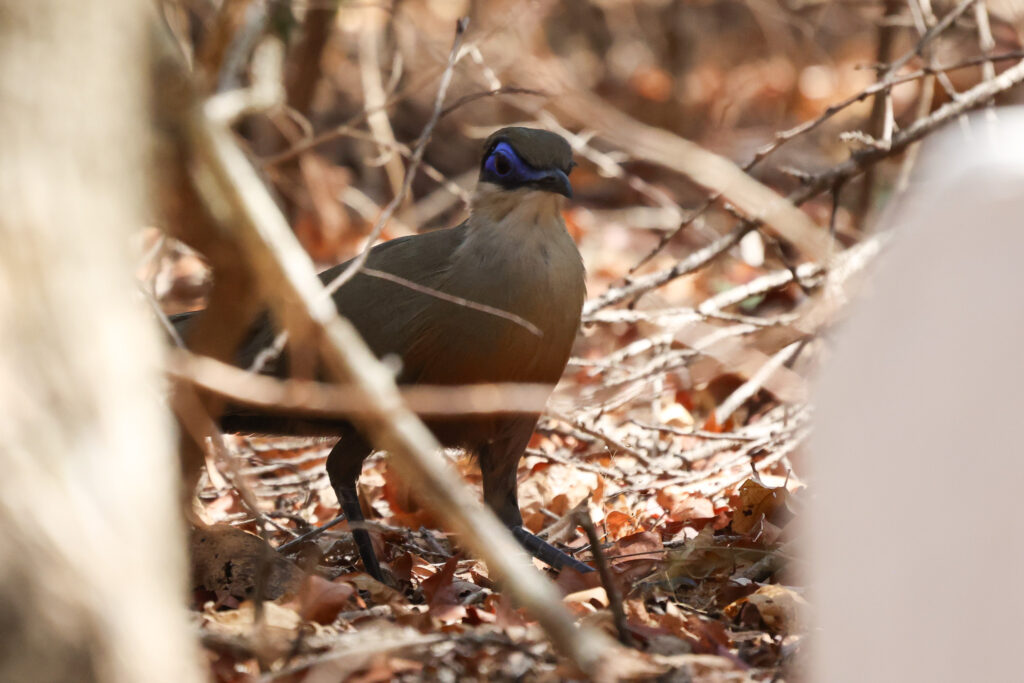
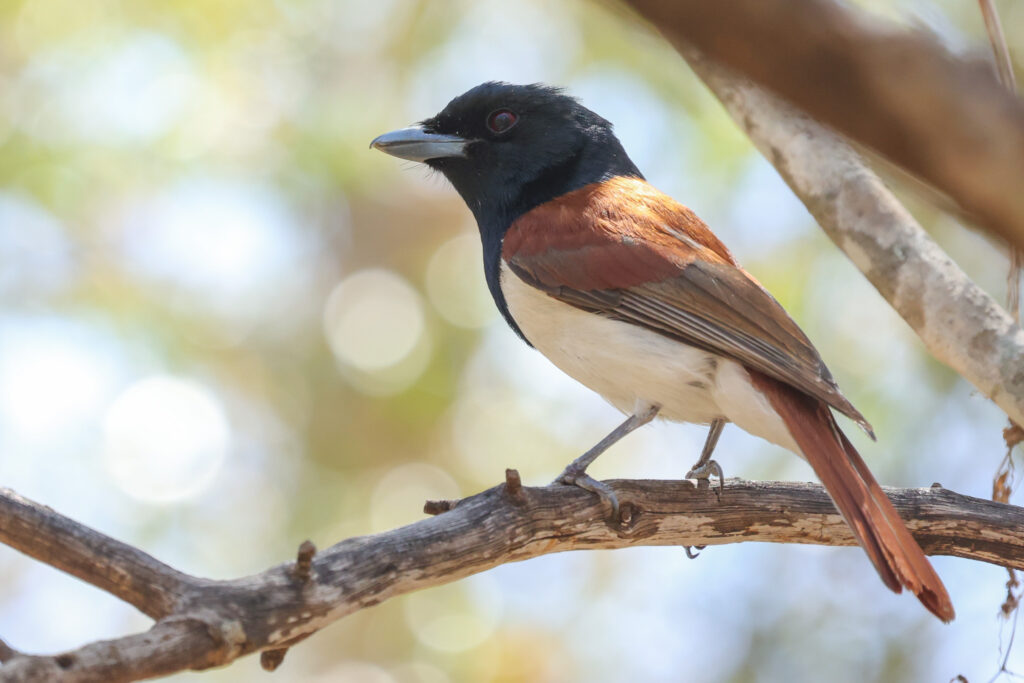
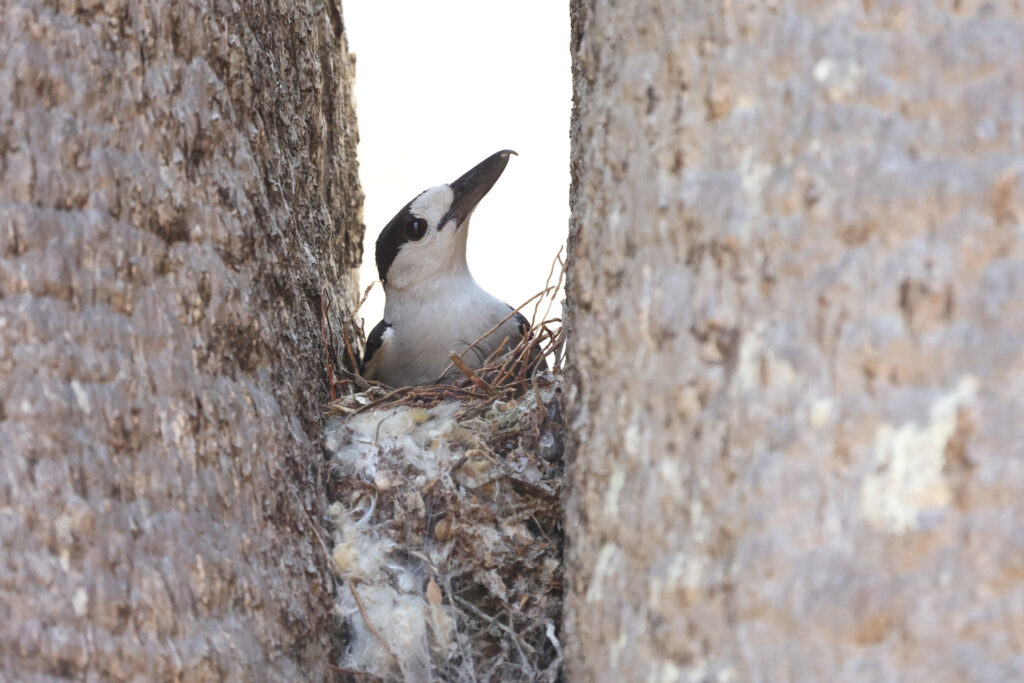
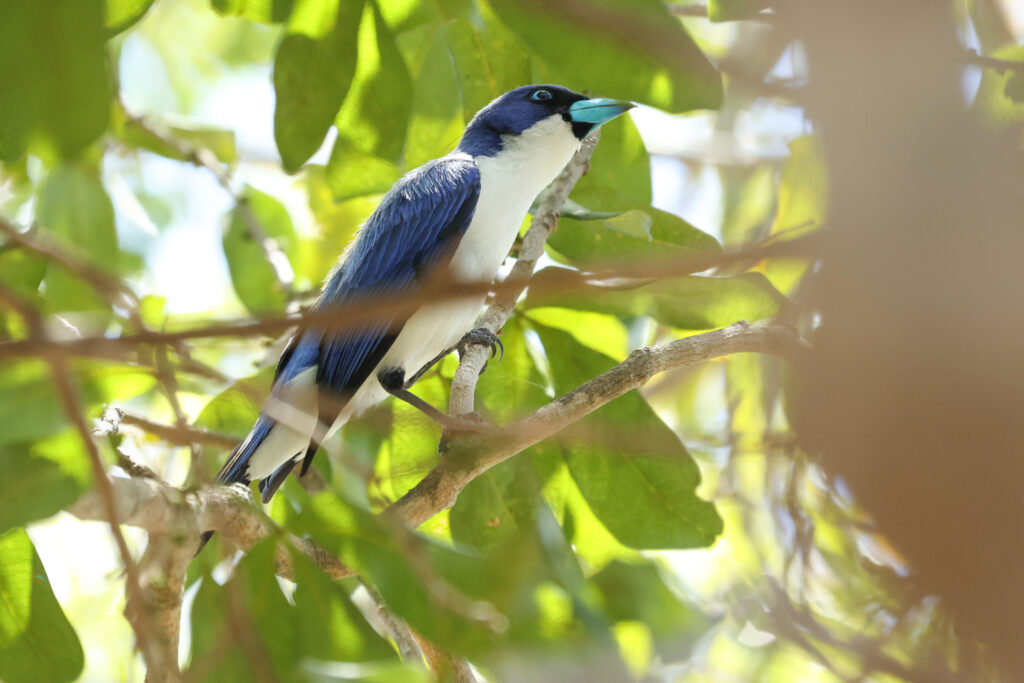
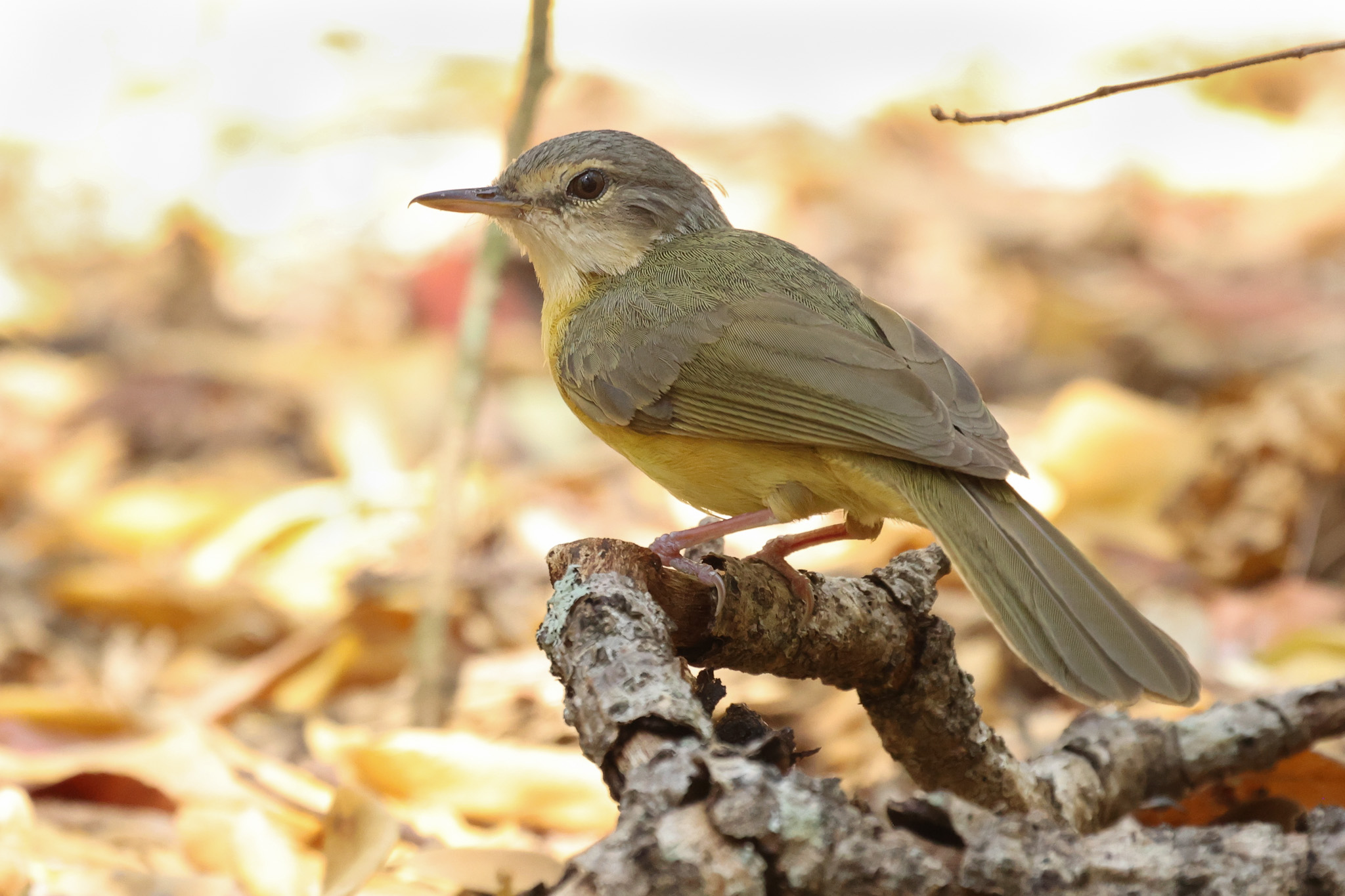
The park guide pointed out a roosting Madagascar (Torotoroka) Scops Owl almost immediately followed by a pair of Appert’s Tetrakas! This bird is extremely localised and found in only a few forest patches in the southwest – a true global mega. I spent ages following these birds as they went about their business and in the process, picked up Rufous, Madagascar Blue and Hook-billed Vangas, a Madagascar Cuckooshrike and several Common Jerys. As we returned to the car, our final target, Coquerel’s Coua, ran across the path. Zombitse had been an overwhelming success, and we continued to our accommodation at the stunning Hôtel le Relais de la Reine de l’Isalo.
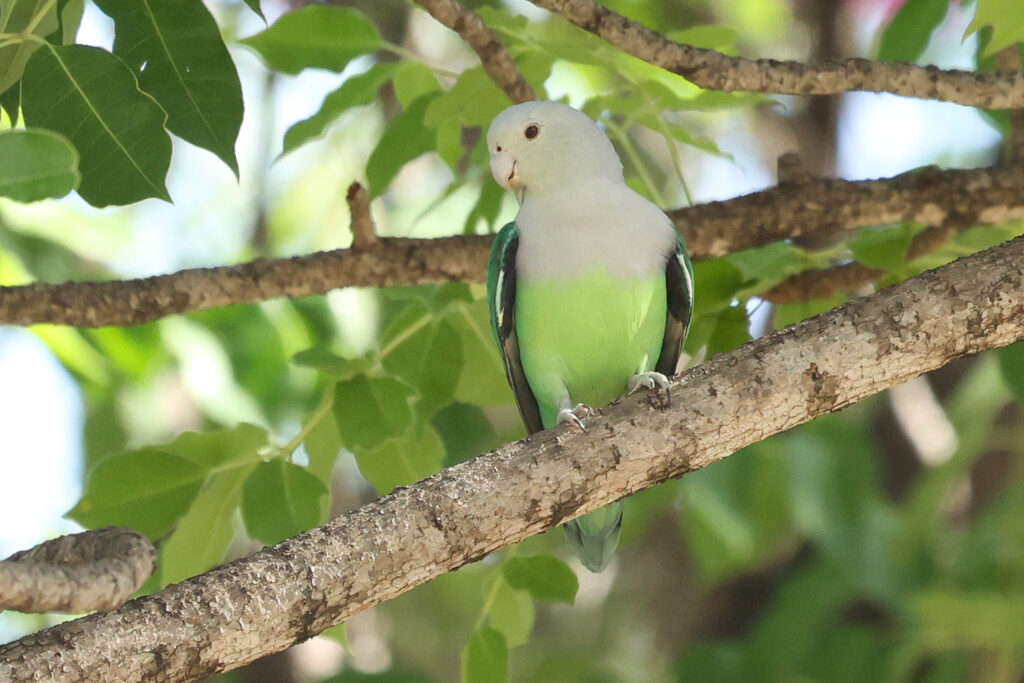
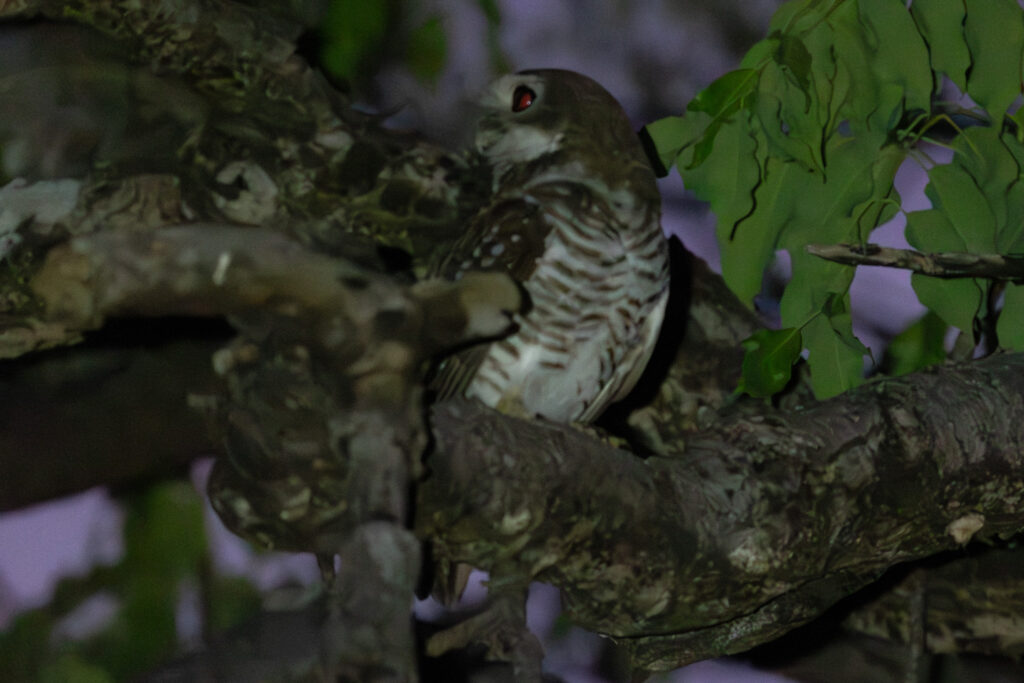
The lodge grounds were very birdy, and I enjoyed watching Grey-headed Lovebirds, Malagasy Palm Swifts, Greater Vasa Parrots, and Madagascar Hoopoes, among others. At night, I tracked down a pair of calling White-browed Owls and was treated to close-up views after a while. The next day, I would continue east to the rainforests of Ranomafana National Park (Part 3).