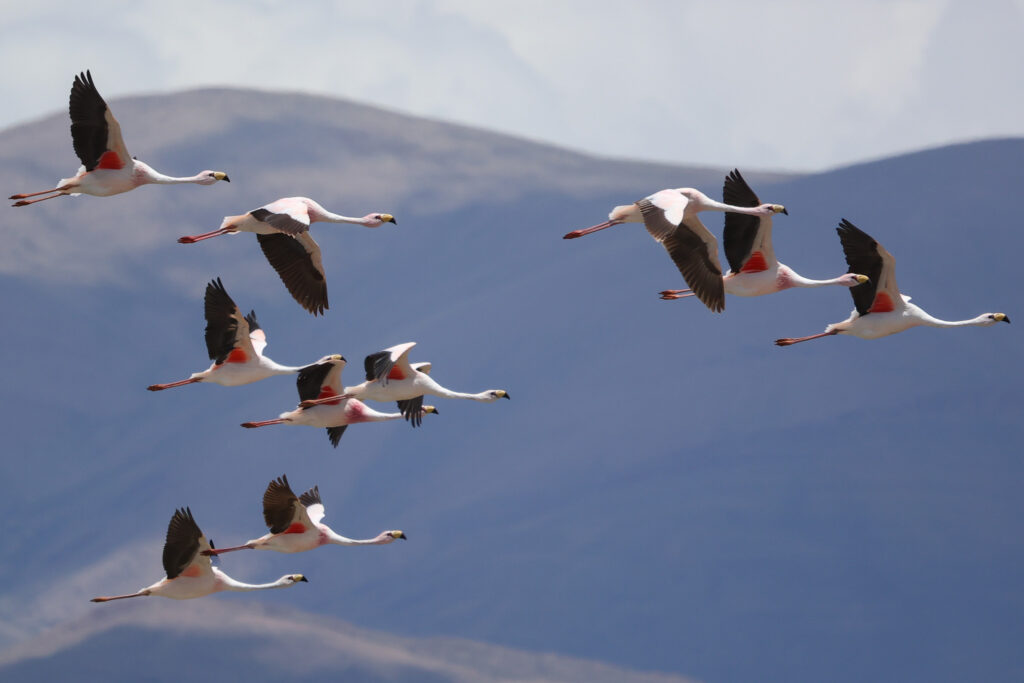
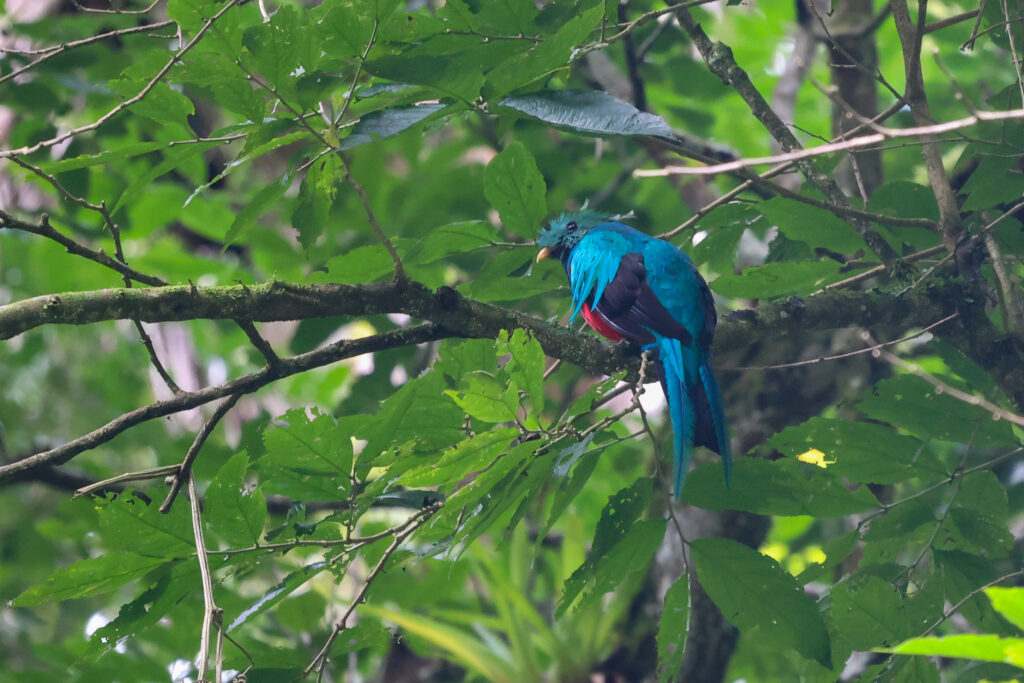
This blog is part three of my Northwest Argentina birding trip with Garret and Joshua. It focuses on our time birding the Yungas forests around Tafí del Valle, the Monte around Cachi and Cafayate, the spectacular Cuesta del Obispo Pass, and the lowlands around Salta. See our eBird trip report here.
Day 5. 11 January 2024. Deán Funes to Tafi del Valle (via Salinas Grandes)
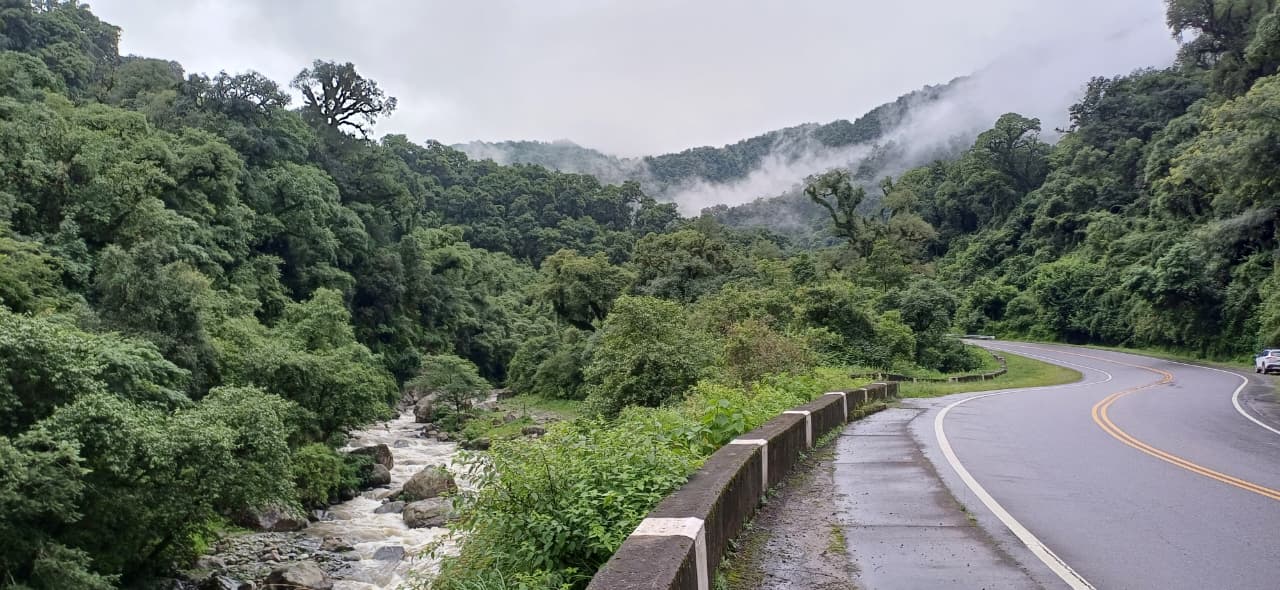
After a spectacular session at Salinas Grandes, we made our way north towards Tafí del Valle, a picturesque town located in the east Andean foothills. From the small town of Santa Lucia, the road began to gain elevation as it followed the Rio la Angostura (Angostura River). We left behind the farmlands and entered the pristine Yungas forest, a habitat that extends from southern Peru to Northwest Argentina. In this part of the world, the Yungas forests are wedged between the Chaco woodlands of the lowlands and the high-altitude Puna grasslands of the Andes.
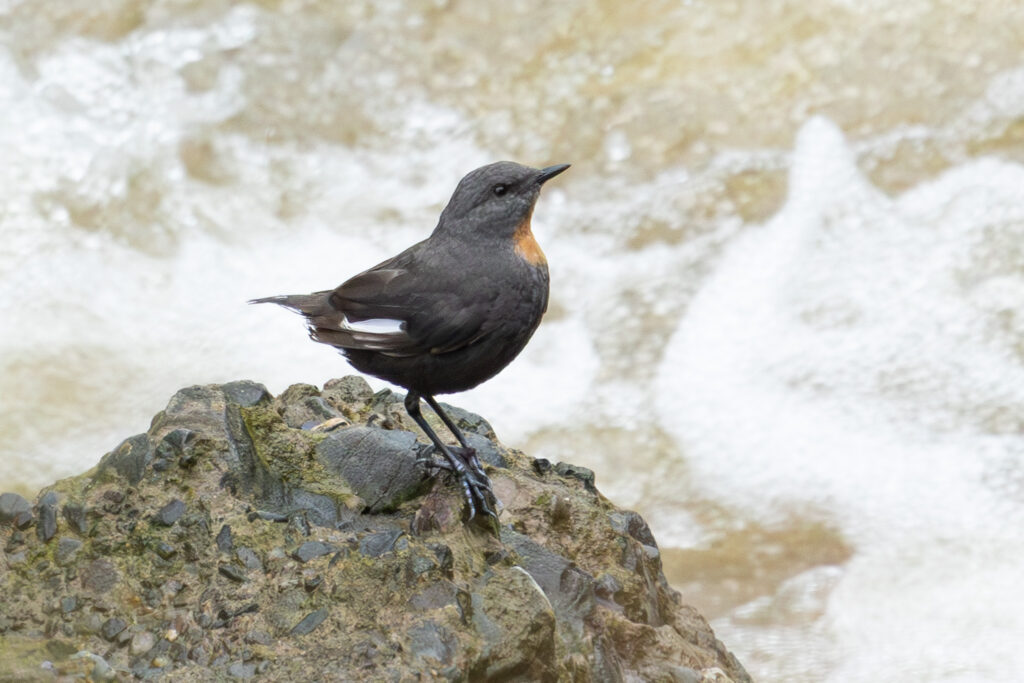
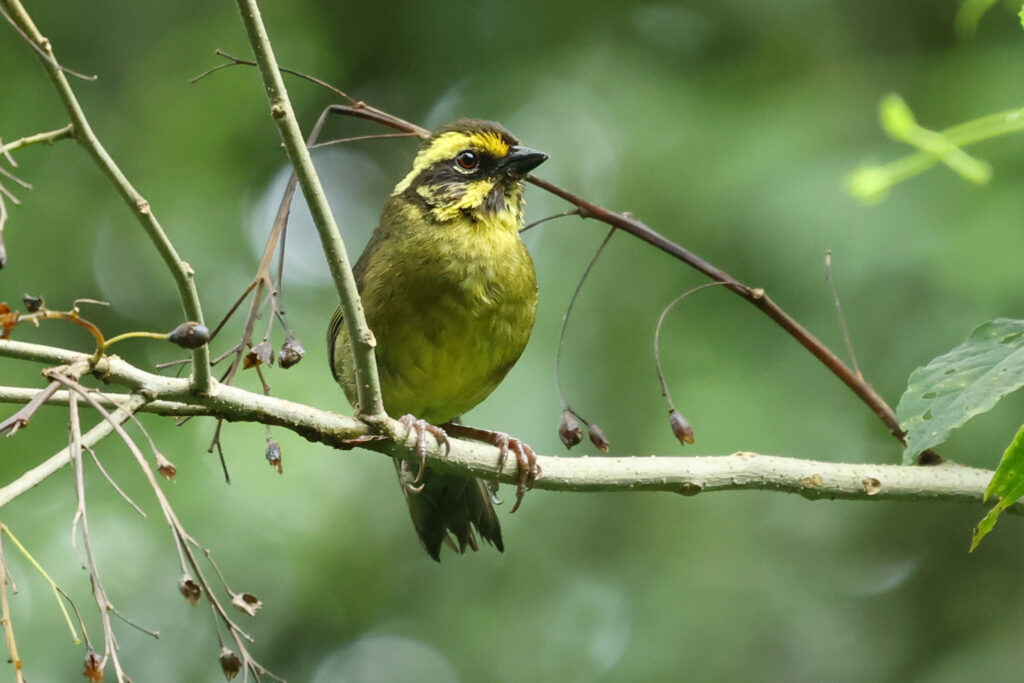
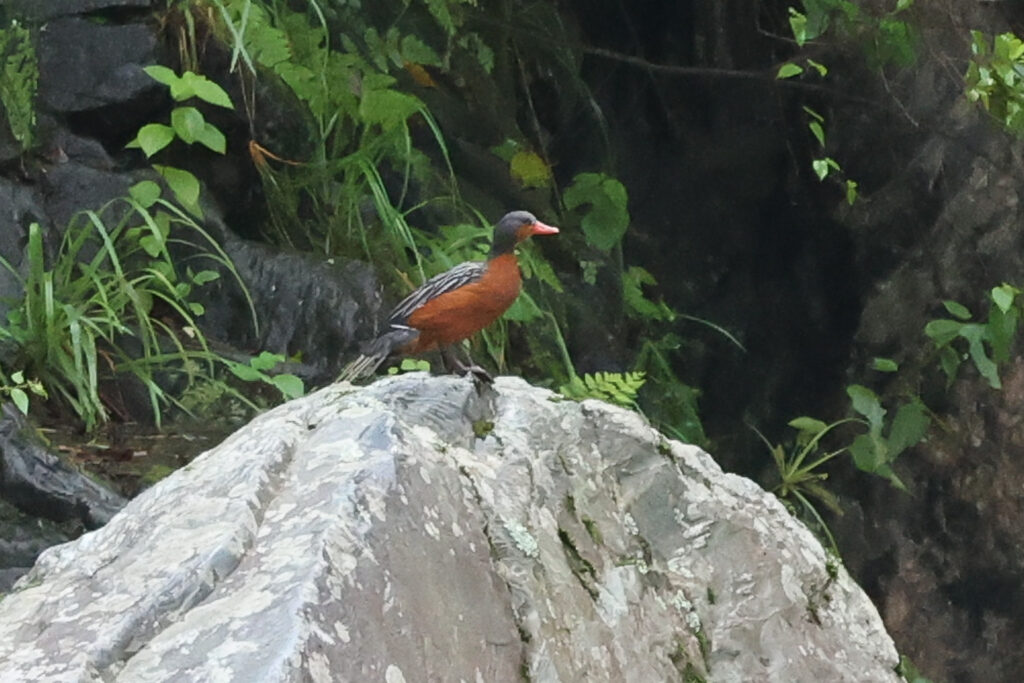
We stopped at several roadside pull-ins where we saw our first Plush-crested Jay, Mitred Parakeet, Swallow-tailed Kite, Yungas Guan, Andean Slaty Thrush, Golden-rumped Euphonia, and Fawn-breasted Tanager. The highlights, however, were on the river. First, we saw the spectacular Torrent Duck, a species I was incredibly keen to see, and we had views of a few individuals. Next was the global mega Rufous-throated Dipper (-27.017876, -65.655958), the “poster boy” of Northwest Argentina, and essentially endemic to the country, with only marginal extension into southern Bolivia. We continued birding in the spectacular forests shrouded in mist and found the endemic Yellow-striped Brushfinch. Although it took us a while to find the first birds, they turned out to be quite common in the upper reaches of the pass.
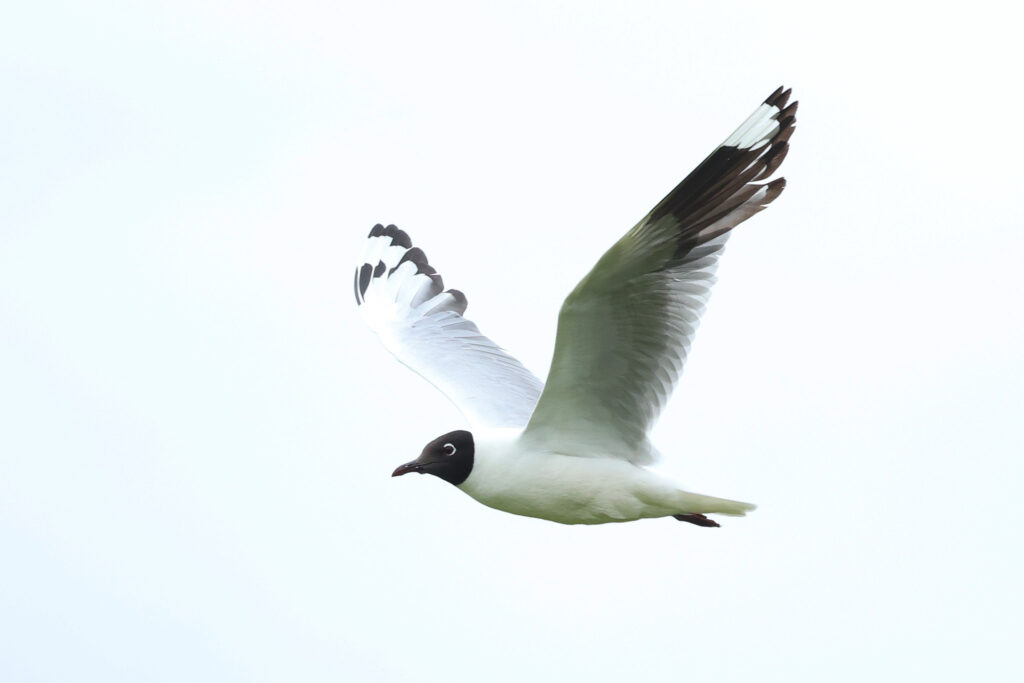
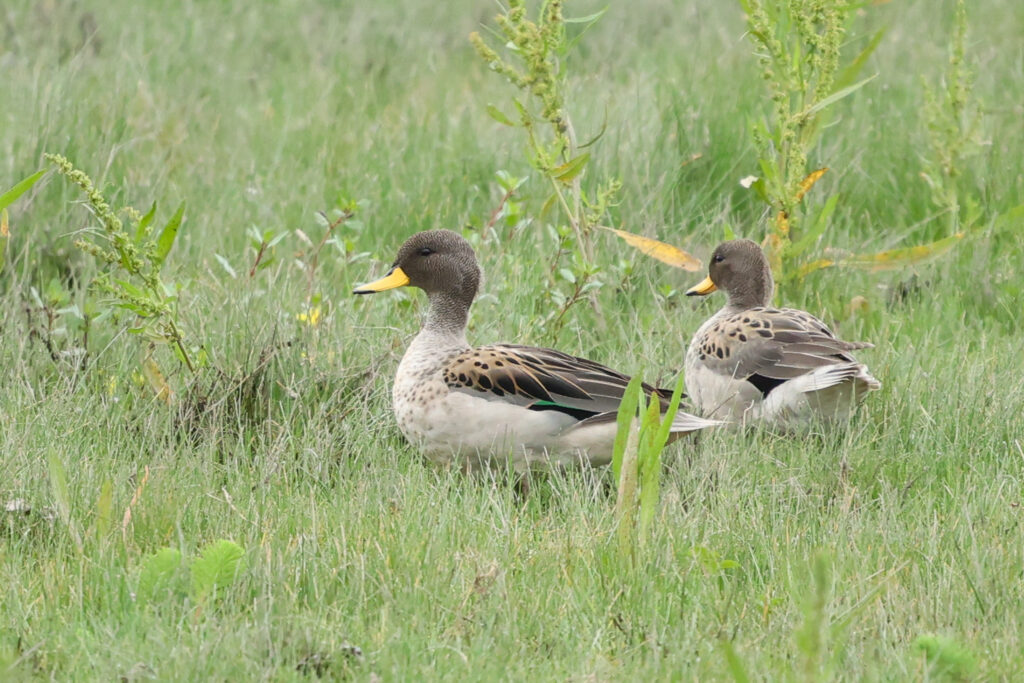
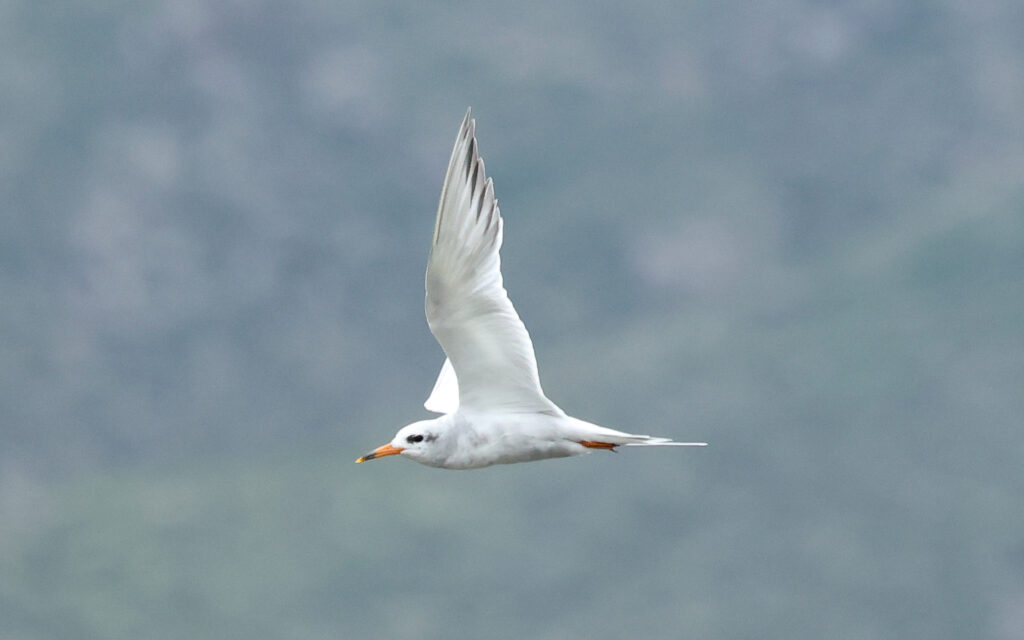
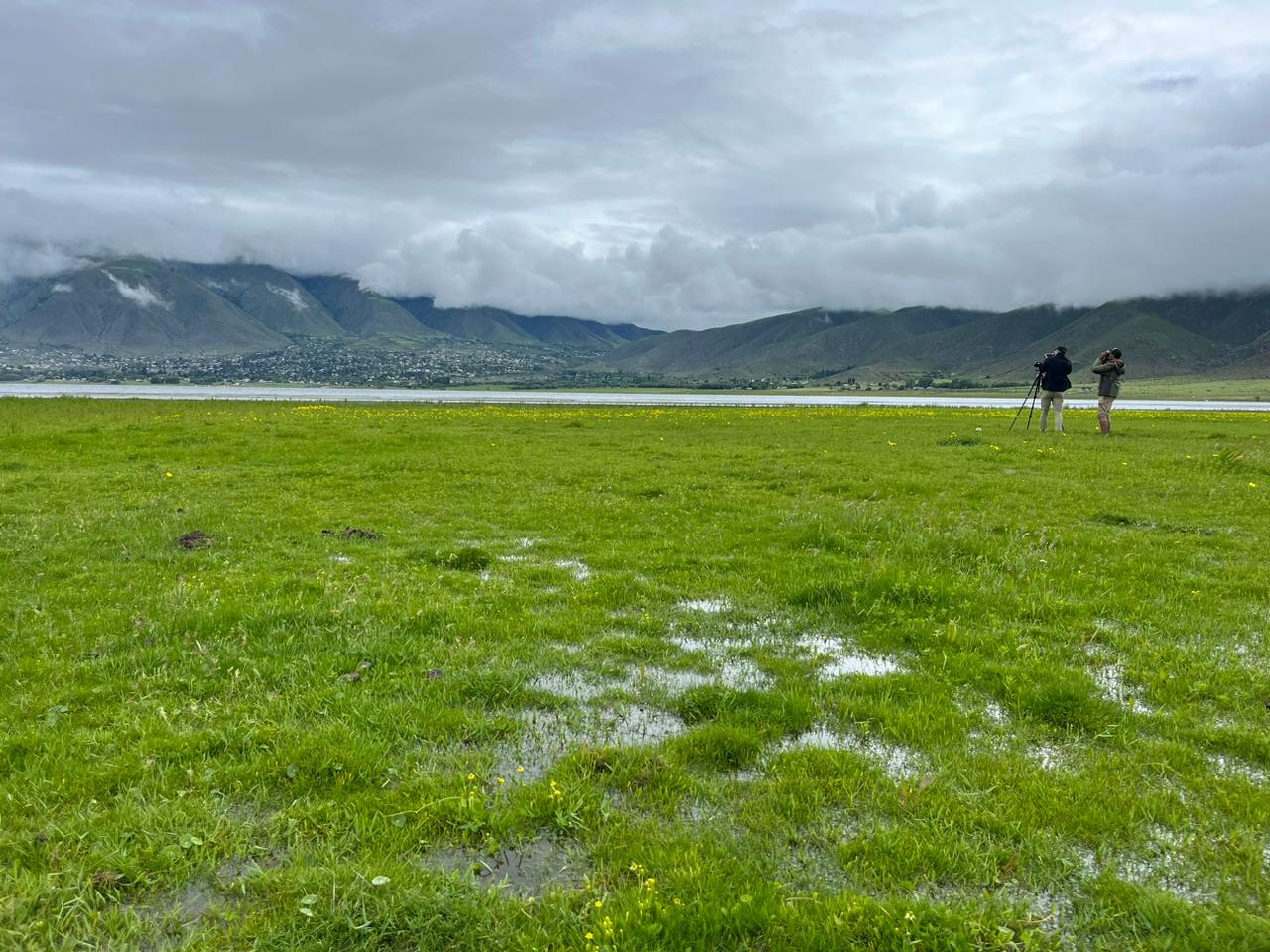
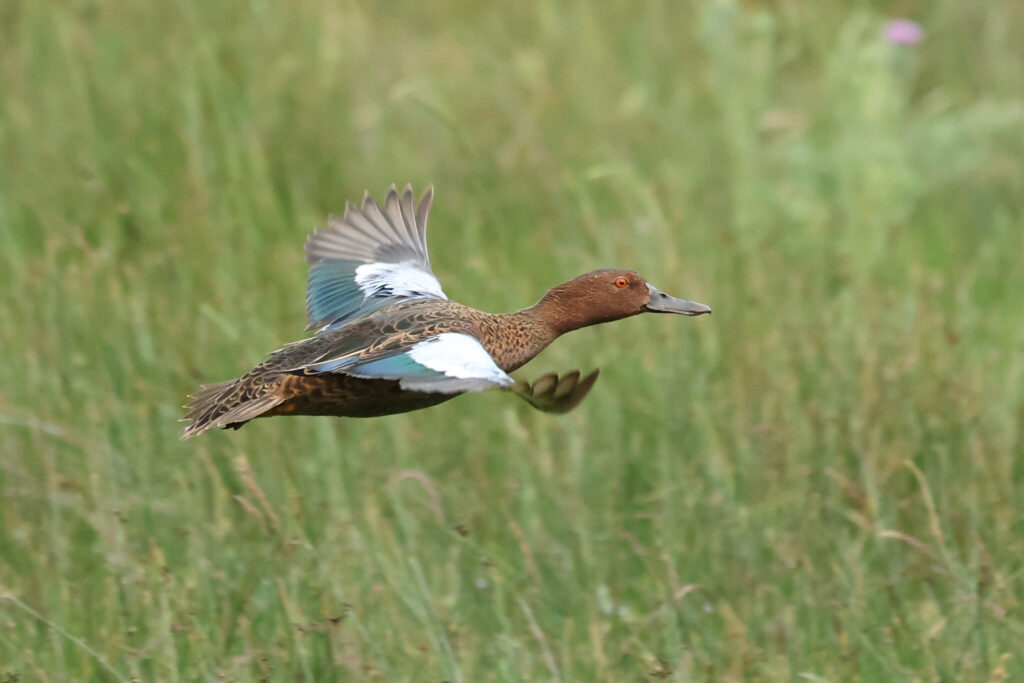
Suddenly, the forest was behind us, and we were surrounded by grassland as we approached Tafí del Valle. A quick stop and scan across the birdy Dique la Angostura (a large lake just south of town, -26.902533, -65.688026) yielded Coscoroba Swan, Andean Goose, Cinnamon Teal, and a few of the previously seen waterfowl, in addition to Andean Coot, Andean and Grey-headed Gulls, White-tufted, Pied-billed, and Great Grebes, and a surprise group of Snowy-crowned Terns (which were breeding at the lake). The wind was howling, so we decided to return the next day to bird the lake properly, as it clearly had potential. On the way to our accommodation in town, we got onto a White-tailed Kite, our only one of the trip.
It was close to dark by the time we arrived at our accommodation, so we decided to walk down to the town square, where we had empanadas for dinner. Like so many of the Andean towns in Argentina, Tafí del Valle greatly exceeded our expectations, and is well worth a visit (and essential to visit anyway if you’re a global birder).
Day 6. 12 January 2024. Tafí del Valle birding and El Infiernillo
Our plan for the morning was to bird the El Infiernillo Pass, which winds its way up through the grasslands to an elevation of over 3,000 meters above sea level. Several endemic and near-endemic targets were on the cards today, and we started birding along the drier western slope (Quebrada de Amaicha) as the eastern slopes were shrouded in mist.
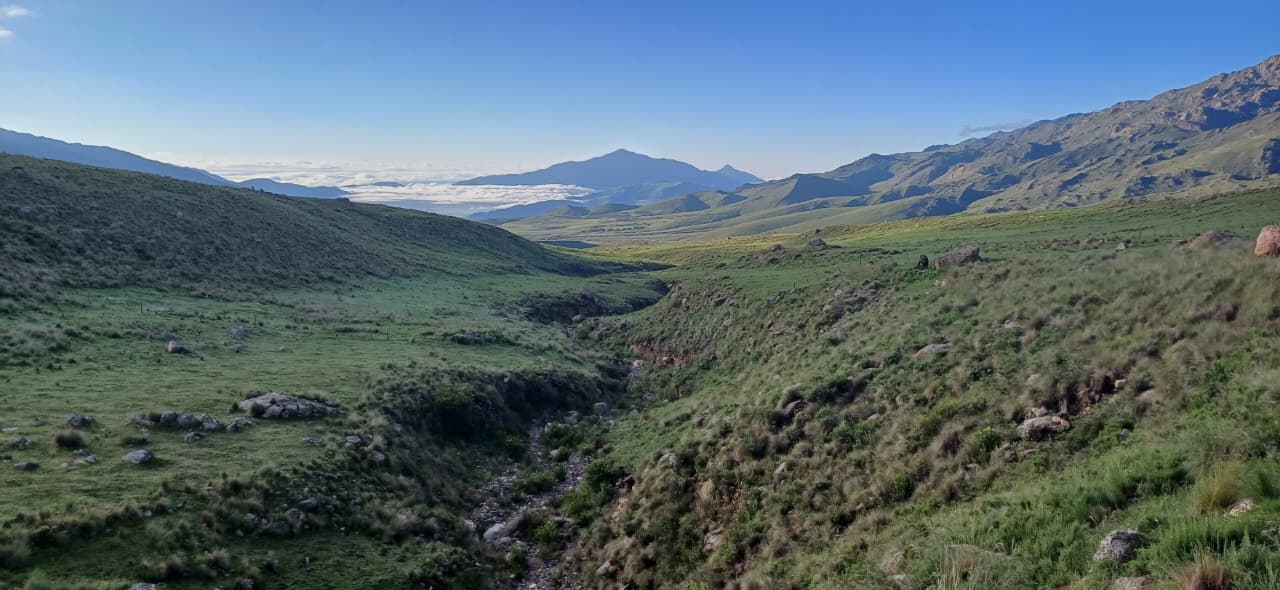
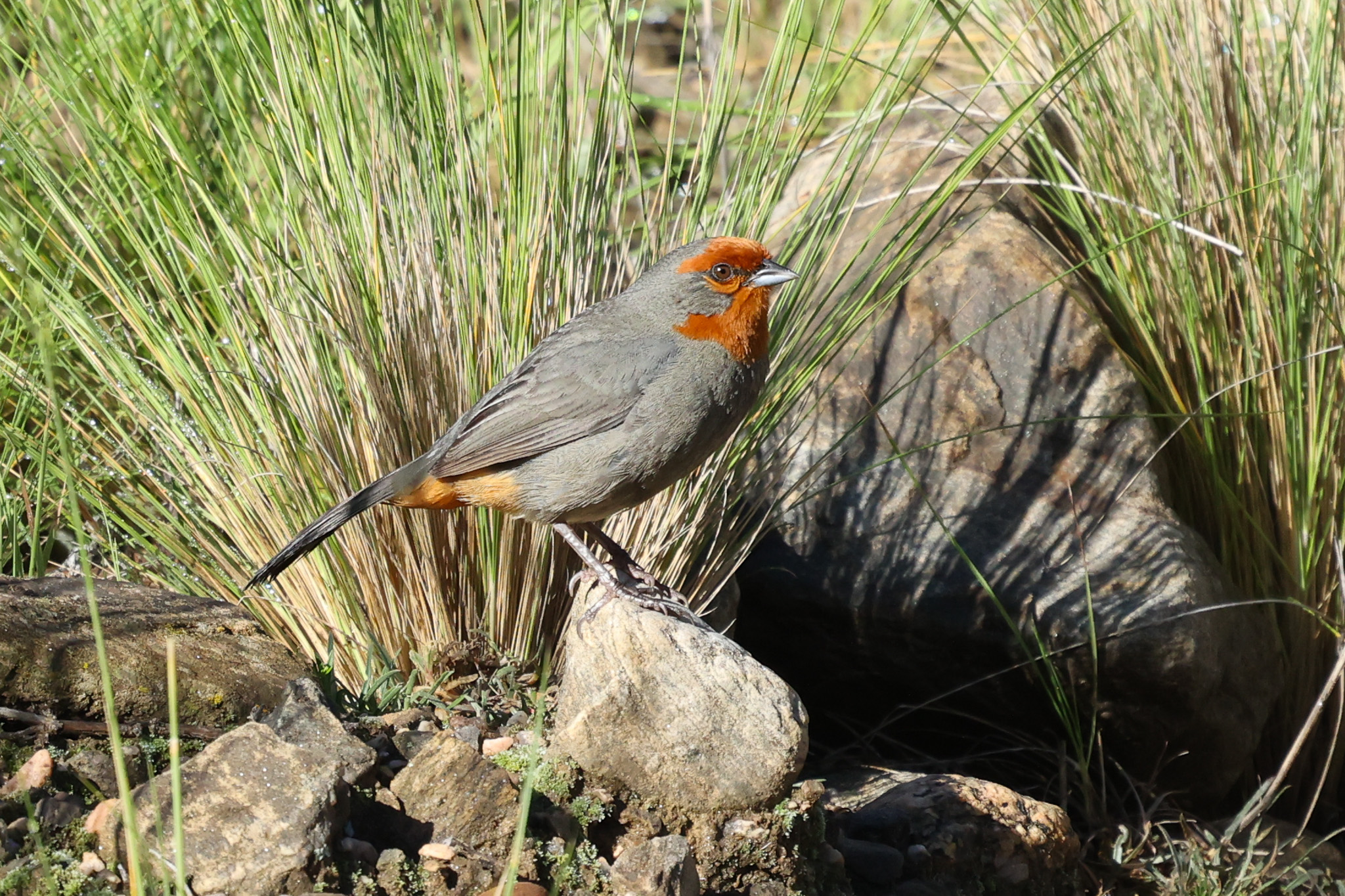
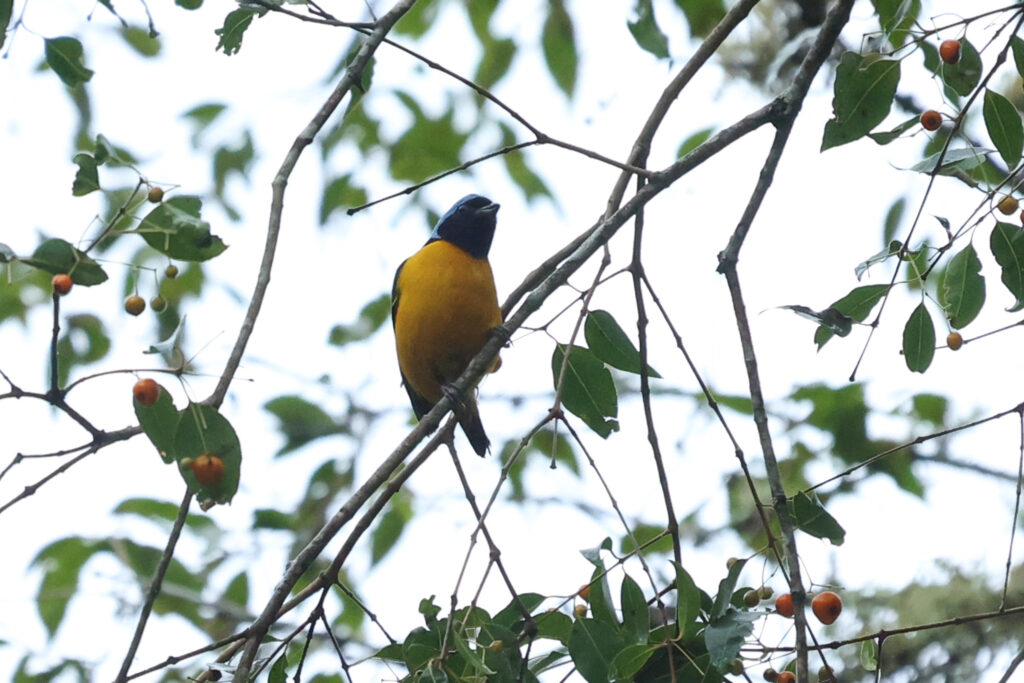
Our first stop for the morning (-26.729487, -65.789198) delivered a new suite of birds, including Greenish Yellow Finch, four species of sierra finch (Band-tailed, Mourning, Ash-breasted, and Grey-hooded), Blue-and-yellow Tanager, Cream-winged and White-winged Cinclodes, and Buff-breasted Earthcreeper. We drove on a bit further (-26.704050, -65.799155) and in one of the dry valleys we had our first sighting of the simply fantastic Giant Hummingbird, along with Rufous-banded Miner, Plain-mantled Tit-Spinetail, Rusty-vented and Cordilleran Canasteros, Black-billed Shrike-Tyrant, D’Orbigny’s Chat-Tyrant, Rufous-sided Warbling Finch, and Black Siskin.
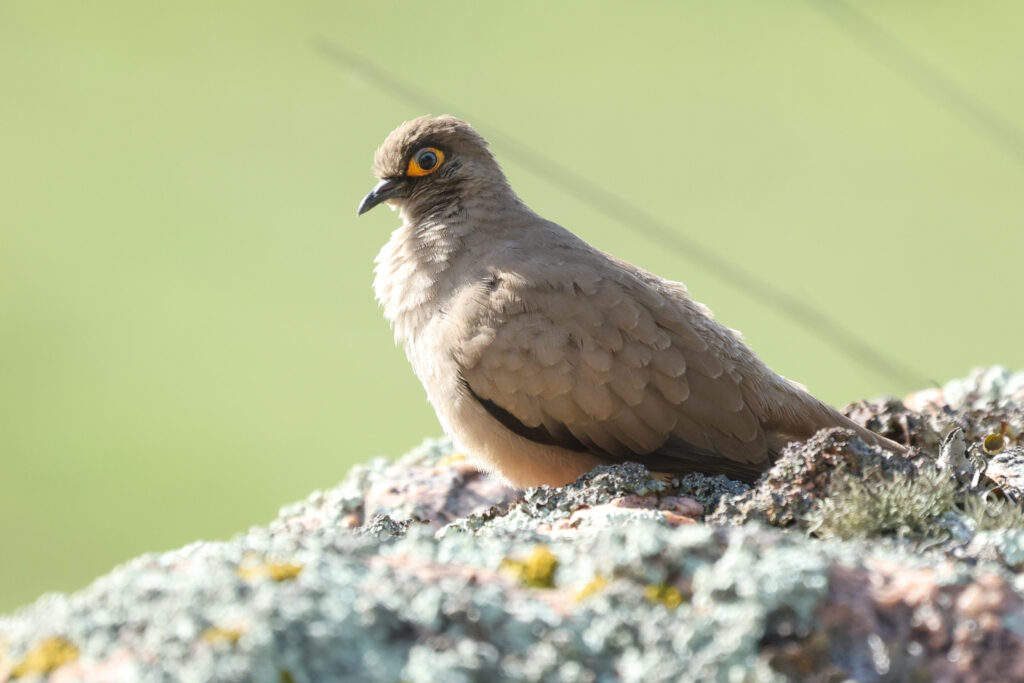
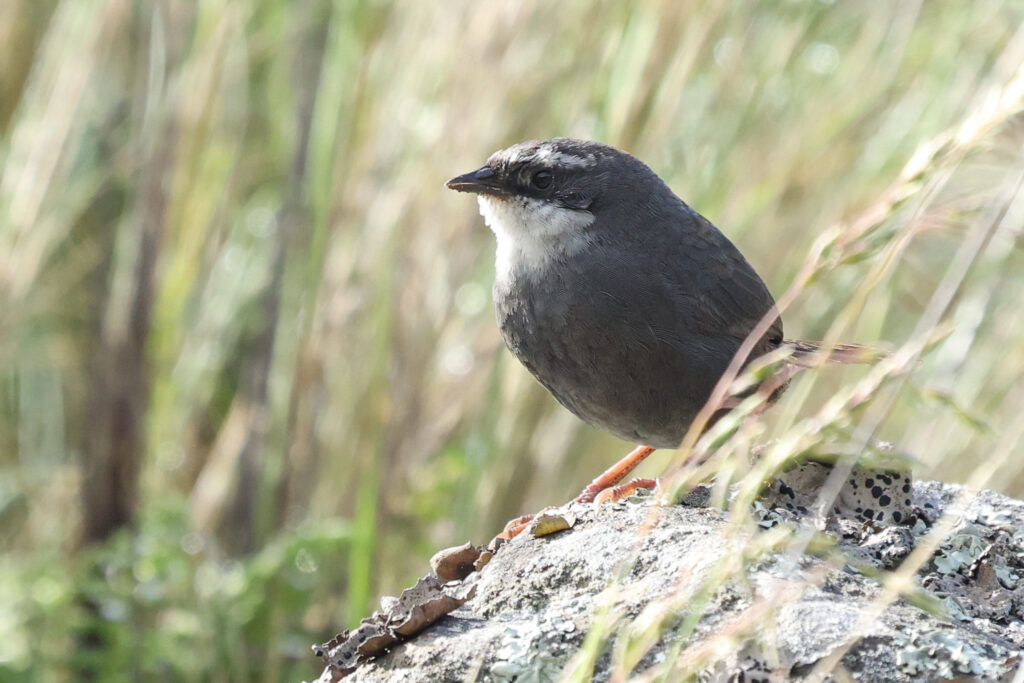
With several lifers in the bag, we decided to make our way back across to the eastern slope. Our first stop (-26.737921, -65.763015), near the summit, was incredibly productive, and we walked away with most of our targets. Highlights here included a showy Andean Tinamou, the endemic duo of Moreno’s Ground Dove and White-browed Tapaculo, and the sought-after and near-endemic Tucuman Mountain Finch. Other sightings here were an approachable Variable Hawk, Buff-breasted Earthcreeper, Streak-fronted Thornbird, White-browed Chat-Tyrant, and Plain-colored Seedeater. After this incredible stop, we slowly made our way back down the pass, picking up another Moreno’s Ground Dove, along with Black-winged Ground Dove.
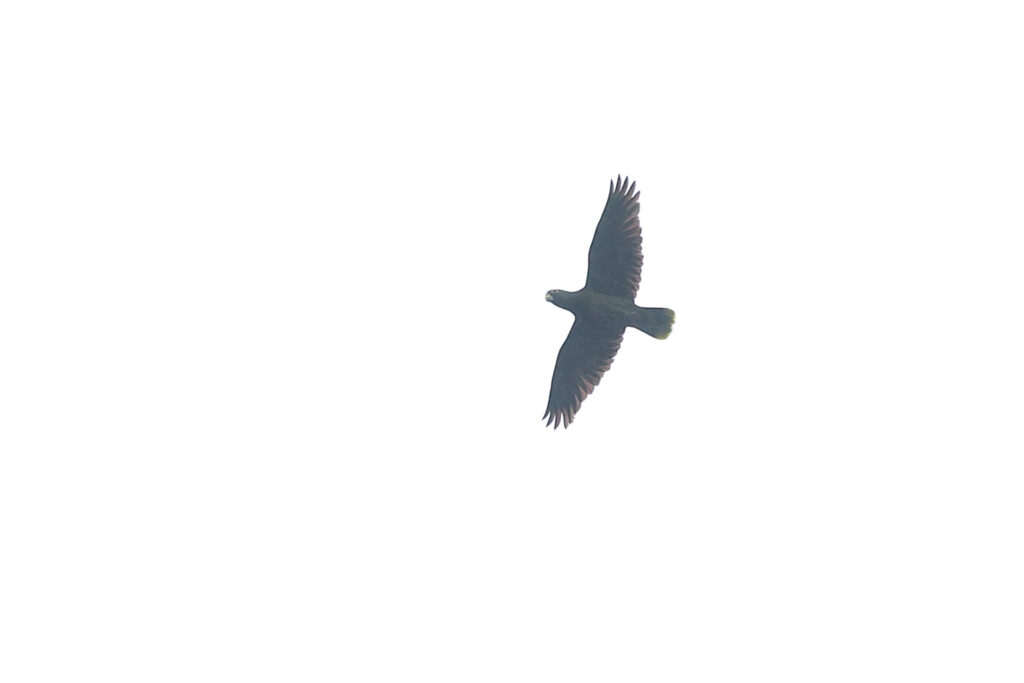
We decided to make our way back down and into the Yungas for another forest birding session. Despite our arriving in the middle of the day, the overcast weather meant that forest bird activity was still quite high. We birded mostly around one section of the road (-27.011194, -65.657759) where a bird party delivered Golden-olive Woodpecker, White-throated Tyrannulet, Mountain Wren, Common Chlorospingus, Golden-winged Cacique, Brown-capped Whitestart, Rusty-browed Warbling Finch, Tropical Parula, and more Yellow-striped Brushfinches. Typical parrot-like screeches led us to a vocal Tucuman Amazon – a range-restricted bird and a big target for us. We also returned to the dipper spot again, and managed brief views of Rufous-throated Dipper and three Torrent Ducks.
The vast habitat diversity that can easily be accessed around Tafí del Valle makes it an incredible place to spend time birding. After our Yungas session, we decided to stop again at Dique la Angostura (we parked here -26.909394, -65.688009). The lake was teeming with birds, and in addition to the species mentioned earlier, we had Andean and Lake Ducks, Common Gallinule, Red-gartered Coot, a flushed Pantanal Snipe, Greater Yellowlegs, Baird’s Sandpiper, Snowy and Great Egrets, and White-rumped and Blue-and-white Swallows.
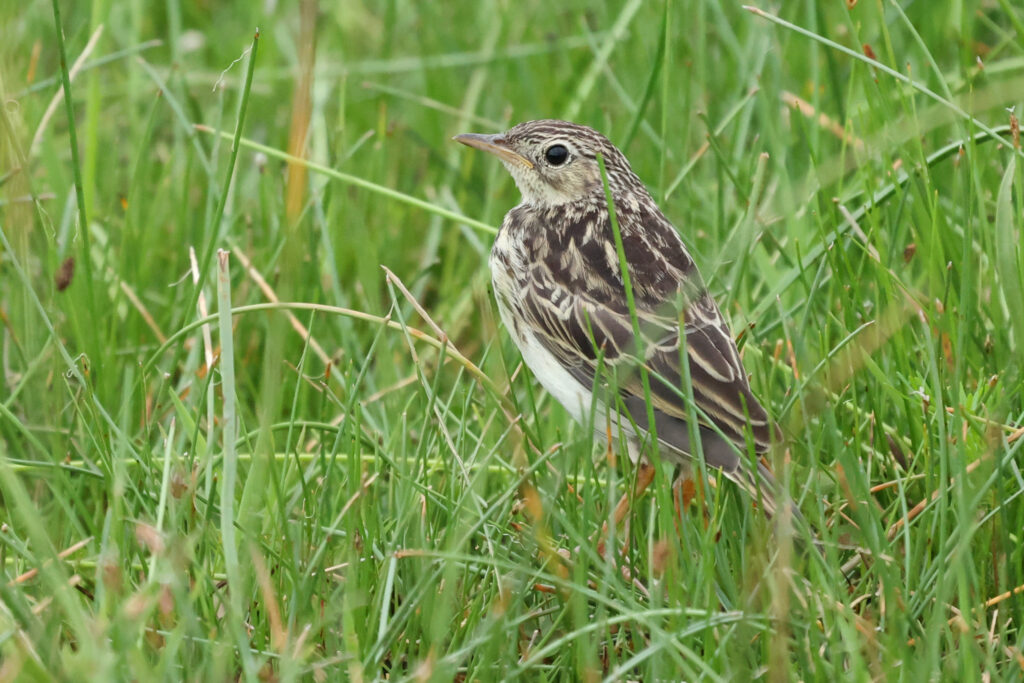
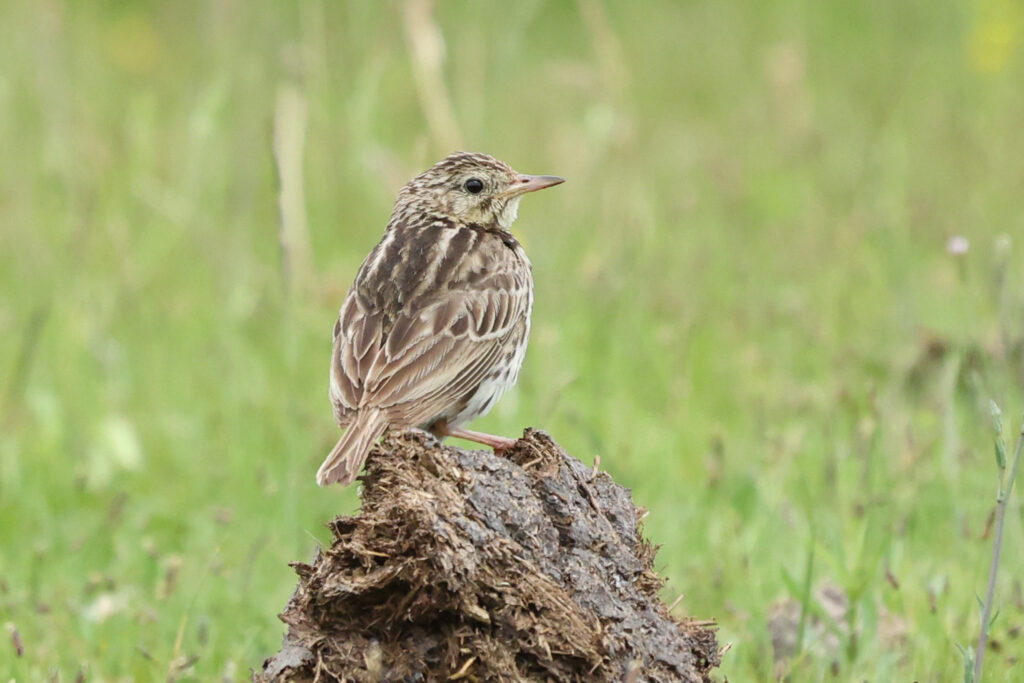
Josh managed to pick up an out-of-range Least Grebe, and by working through loads of pipits, most of which were Correndera and Yellowish Pipits, I managed to find a single Short-billed Pipit, a tricky bird with most of its range falling in the pampas grasslands of Argentina and Uruguay. While I was preoccupied with the pipits, Josh and Garret got onto an American Cliff Swallow and a pair of American Golden Plovers.
We returned to our accommodation at sunset after a long and rewarding day out, where a Yellow-browed Tyrant was hawking insects in the last light. Tomorrow, we will leave Tafí del Valle behind and make our way to the dry inter-Andean valleys.
Day 7. 13 January 2024. Tafí del Valle and Monte birding around Cafayate
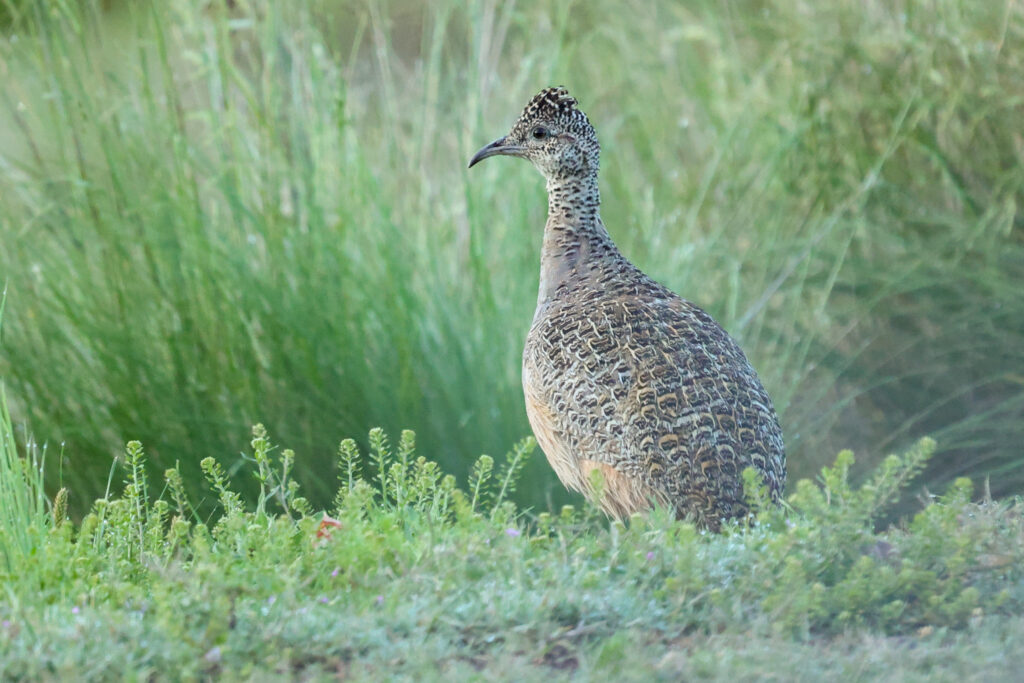
We got up before dawn and started making our way back up El Infiernillo Pass on our way to Cafayate. We made a brief stop in the same area as yesterday and again had a vocal White-browed Tapaculo and an Andean Tinamou. A massive surprise came in the form of an Ornate Tinamou standing unperturbed on the roadside near the highest point on the pass (-26.740585, -65.767310).
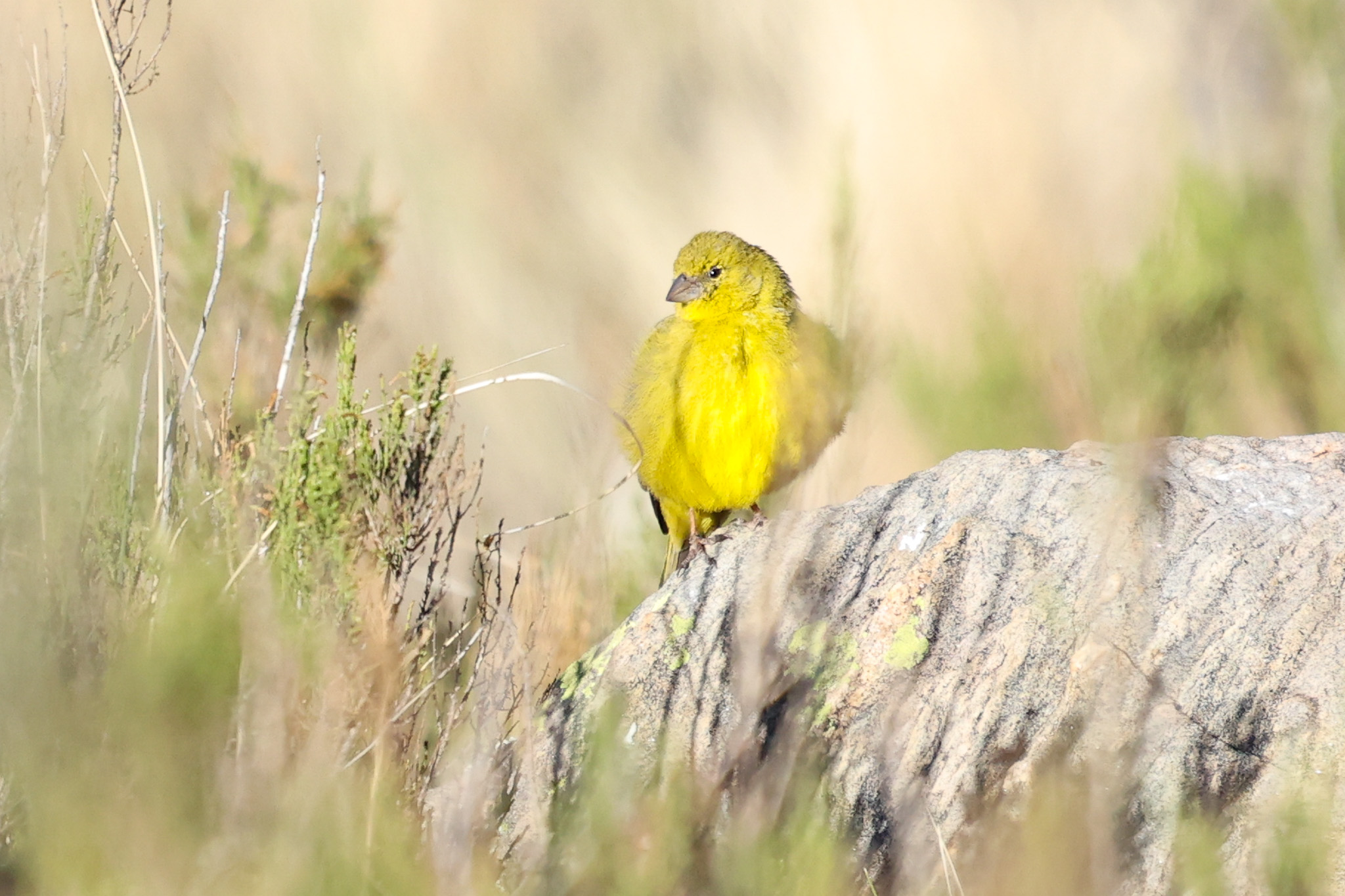
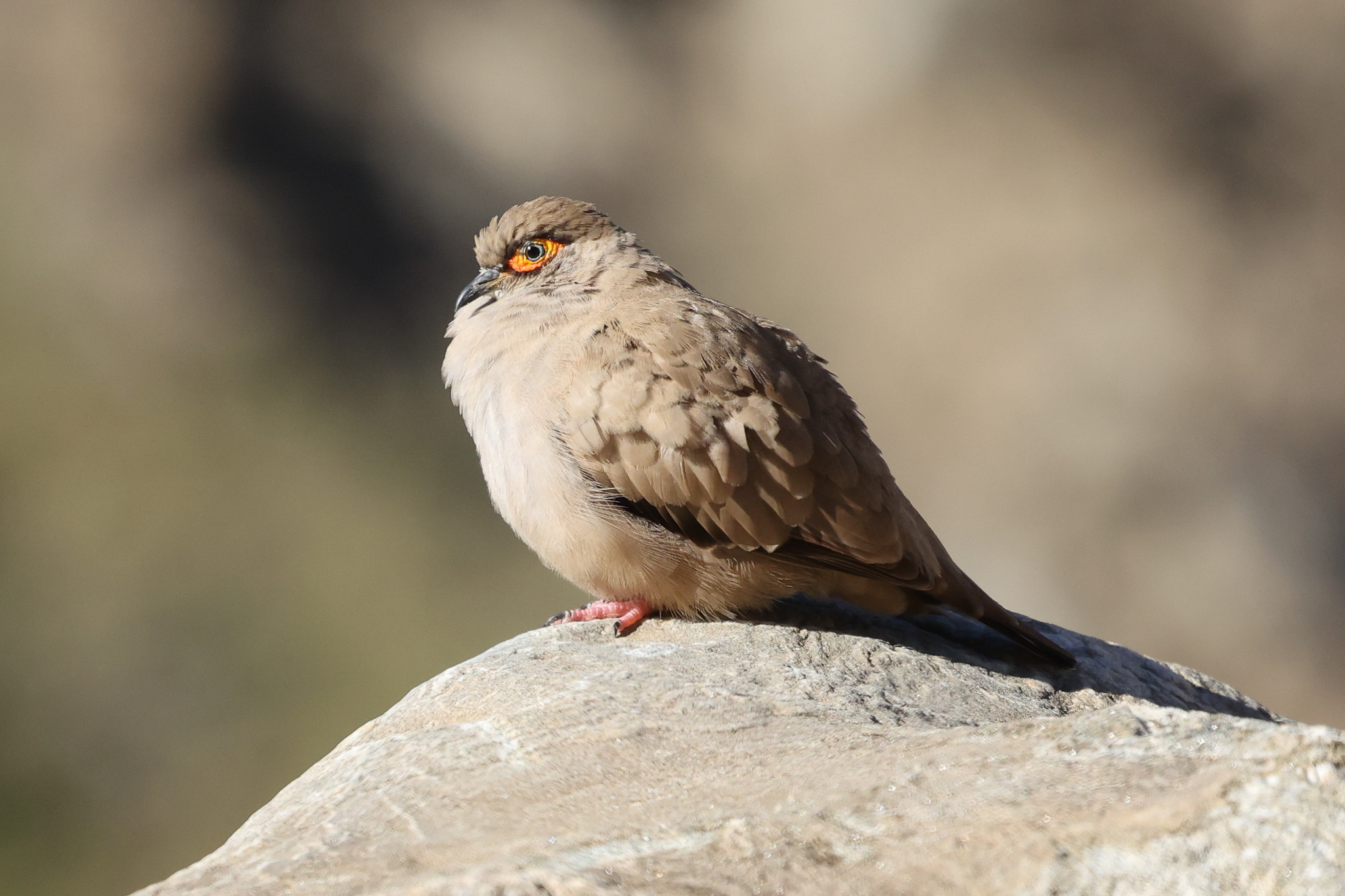
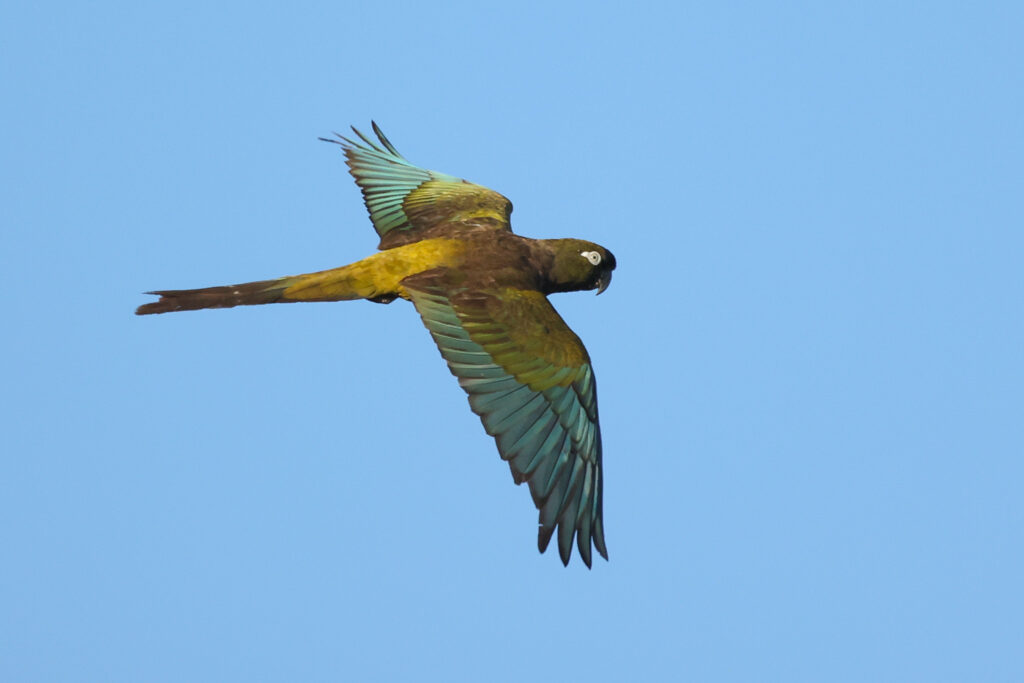
Once past the summit, we began our descent along the dry western slope again. We made several stops at what we assessed to be good spots, usually where there was some vegetation along a dry valley (this valley was particularly productive -26.694044, -65.802859). Some of the birds seen included more Moreno’s Ground Doves (they really aren’t very tricky), Red-tailed Comet, Giant Hummingbird, Grey-hooded Parakeet, Burrowing Parrot, Spot-billed Ground Tyrant, and numerous Greenish Yellow Finches. After scanning through several Greenish Yellow Finches, we eventually found a pair of the endemic Monte Yellow Finches (-26.689786, -65.809067). Don’t underestimate this bird; it is quite tricky to find, and the identification of this species is not as straightforward as the books make it seem.
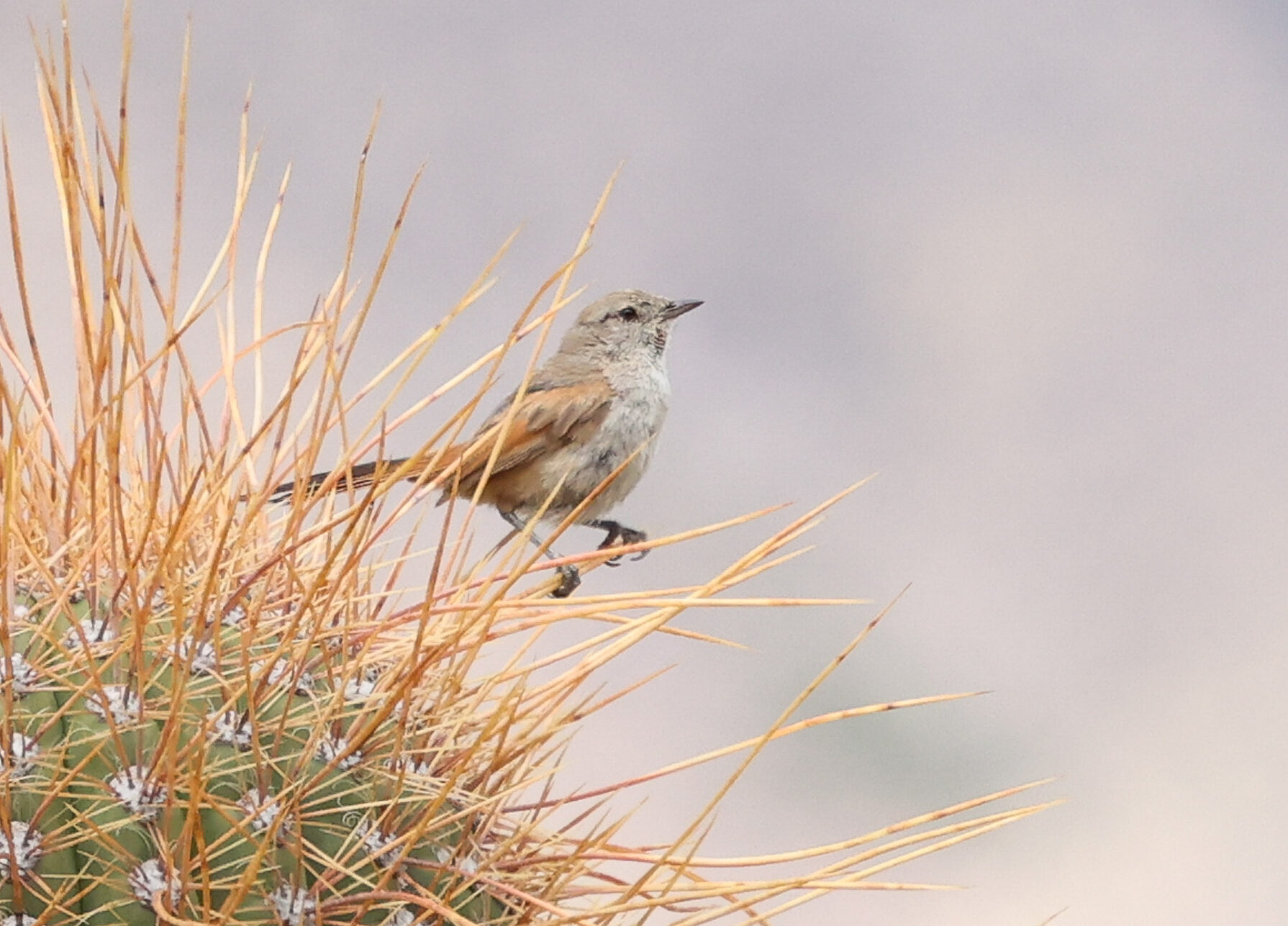
As we made our way further down the pass, the vegetation became more arid, and we soon found ourselves surrounded by cati and scrubby vegetation. We examined a location where Steinbach’s Canastero is occasionally reported (-26.641078,- 65.820543), but had no luck with this species. According to the local eBird reviewer, the bird is over-reported from the area, and its status here remains somewhat uncertain. Anyway, we had good views of the similar Rusty-vented Canastero, Patagonian Mockingbird, Yellow-billed Tit-Tyrant, White-winged Black Tyrant, and a group of Andean Swifts.
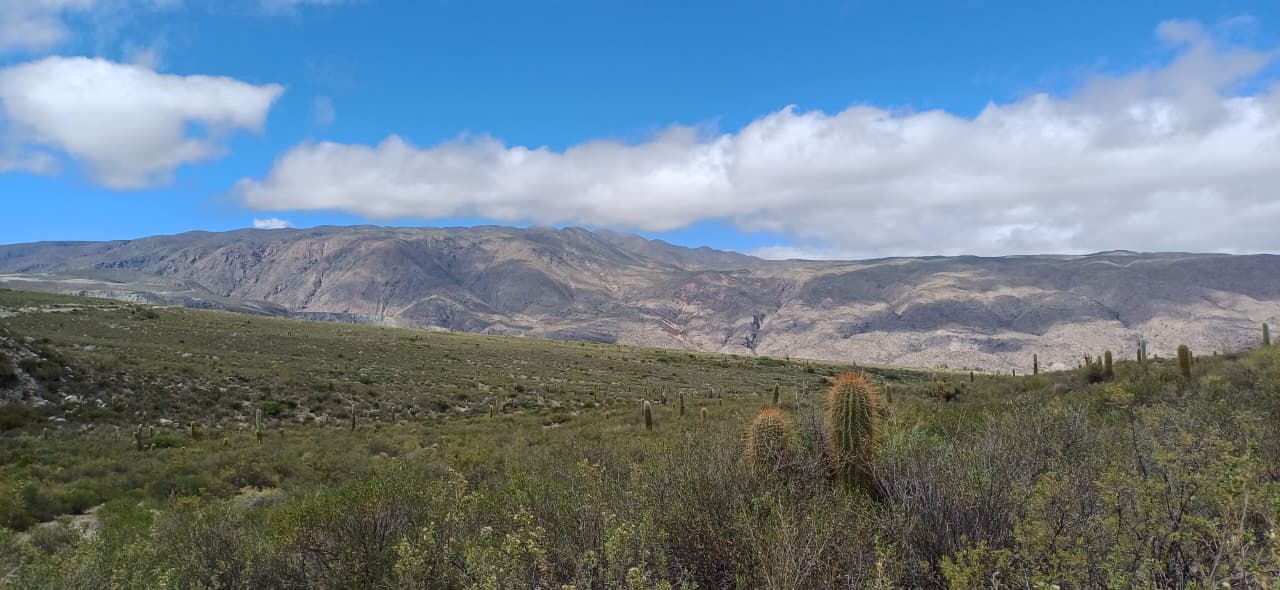
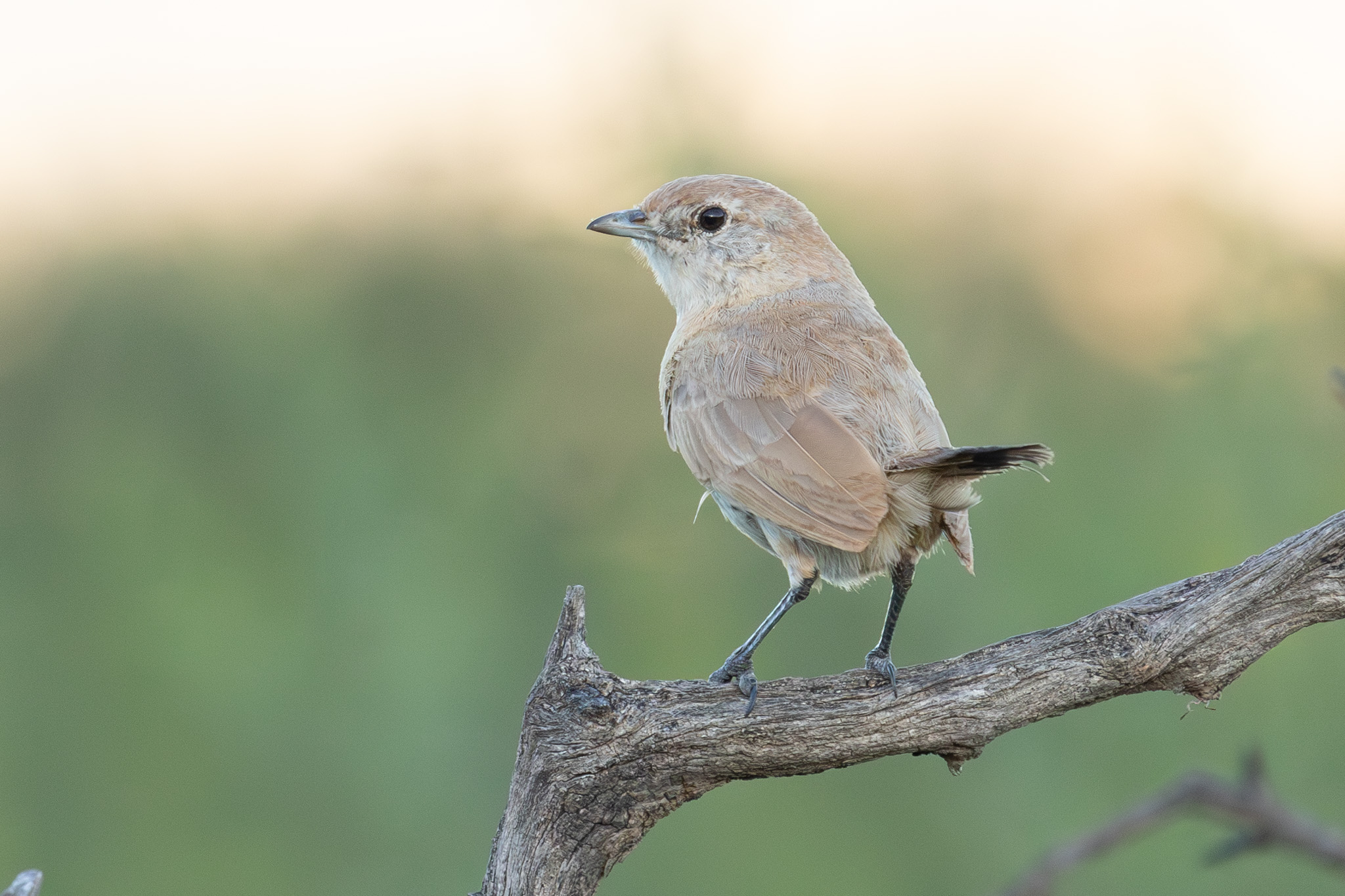
After passing through the small town of Amaicha del Valle, we entered the Monte, a dry and shrubby habitat endemic to Argentina. We had several targets in this habitat and pulled off on an unnamed dirt road where our target species had been reported on eBird (-26.530659, -65.963625). A quick stroll in the baking midday heat quickly produced the endemic duo of White-throated Cacholote and Sandy Gallito. We had excellent views of both endemic targets, along with our only Black-crowned Monjita for the trip, and other species, including Elegant Crested Tinamou, Checkered and White-fronted Woodpeckers, Cliff Flycatcher, Ringed Warbling Finch, and Diuca Finch.
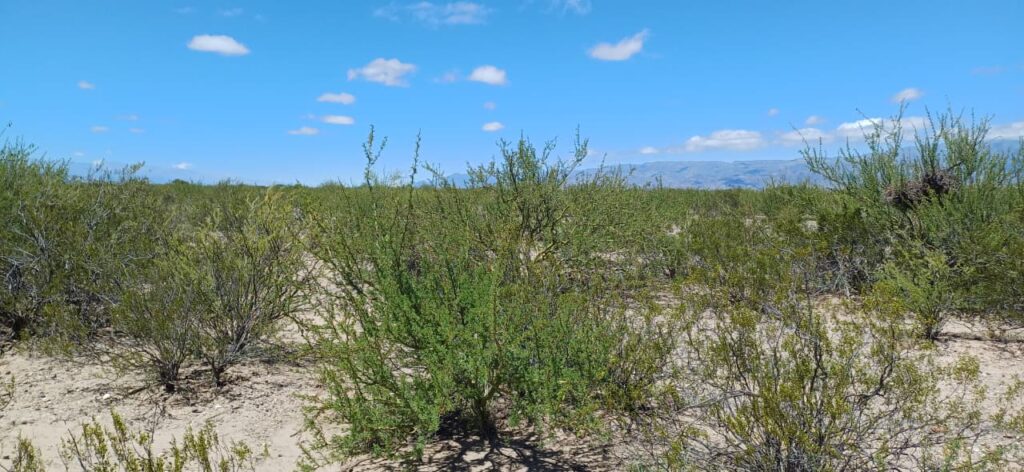
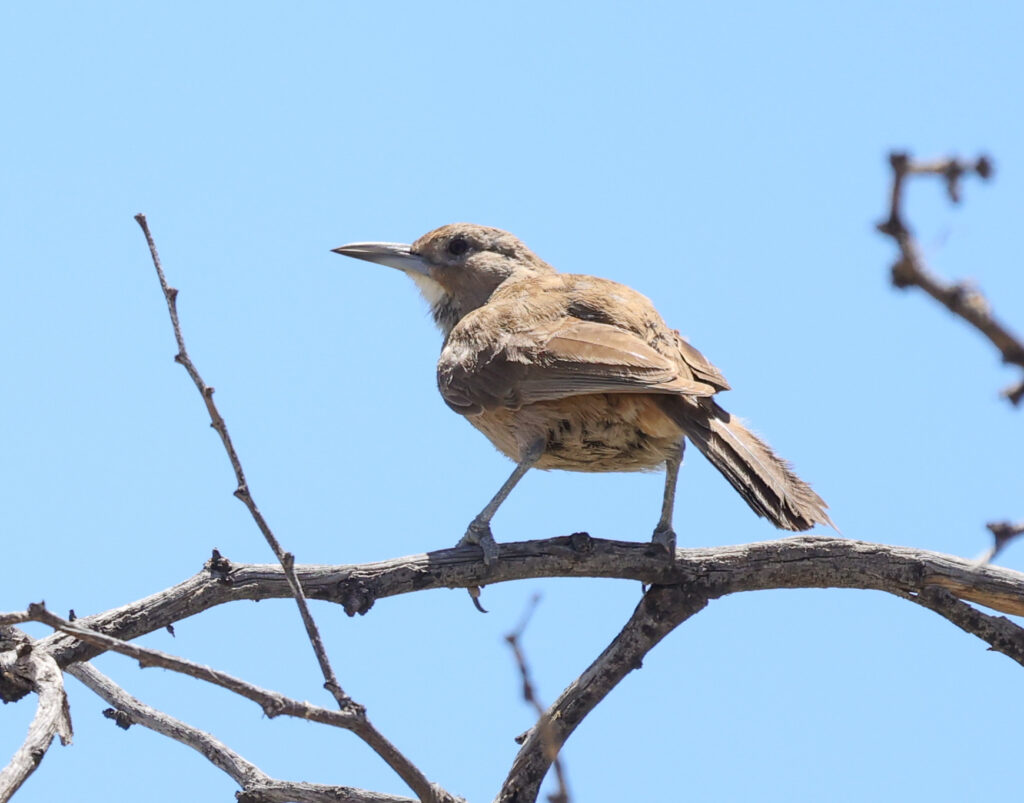
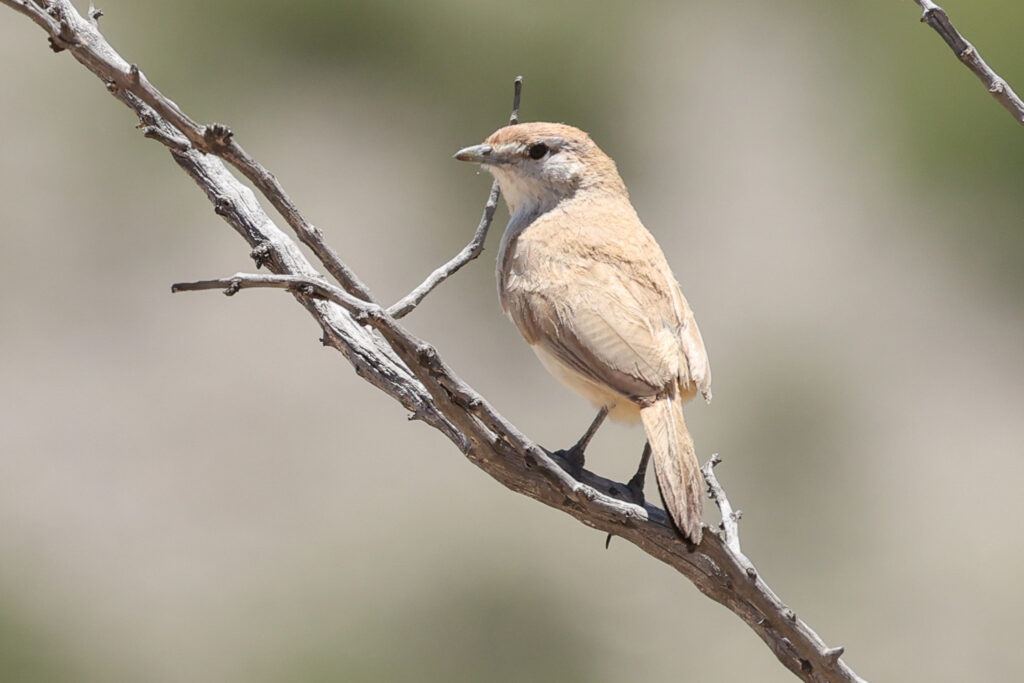
We checked in at our accommodation in Cafayate to escape the heat. Once the temperatures had started to drop, we made our way south of town, doing some exploratory birding on the way to a site where Chaco Owl had been reported in the past. We birded along the road to Ruinas de Quilmes, where we saw incredible numbers of Burrowing Parrots getting ready to roost (-26.479351, -66.020770), along with common birds like Picui Ground Dove, White-tipped Dove, Chimango Caracara, and Greyish Baywing.
An incredibly showy Sandy Gallito also made an appearance. Despite our best efforts, we could not find a Chaco Owl and walked away with only Tropical Screech Owl and Scissor-tailed Nightjar.
Day 8. 14 January 2024. Cafayate to Cachi
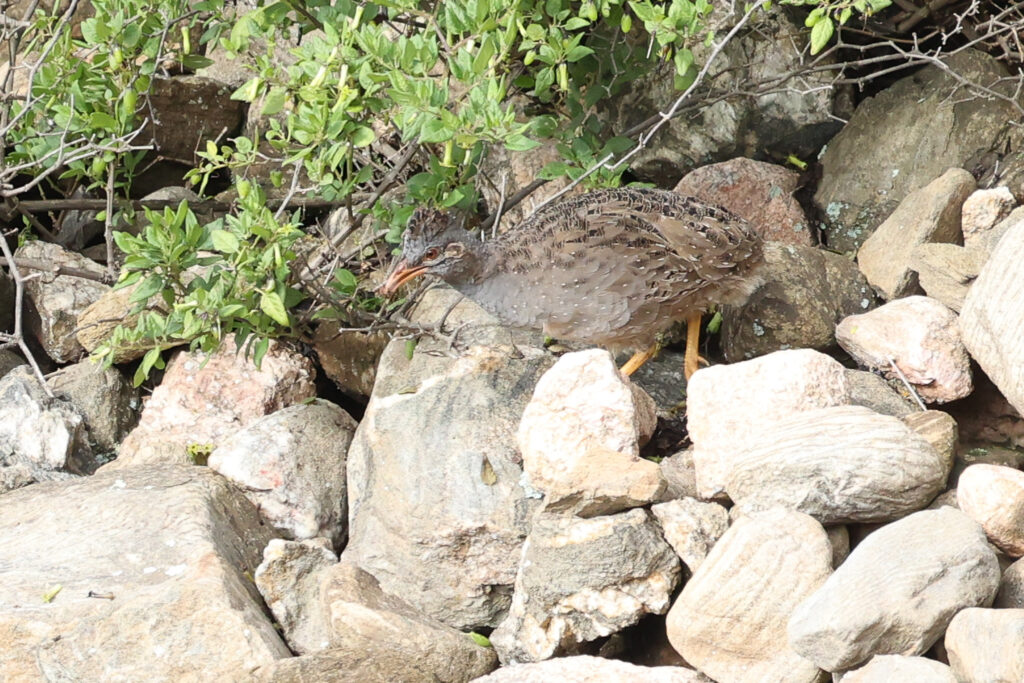
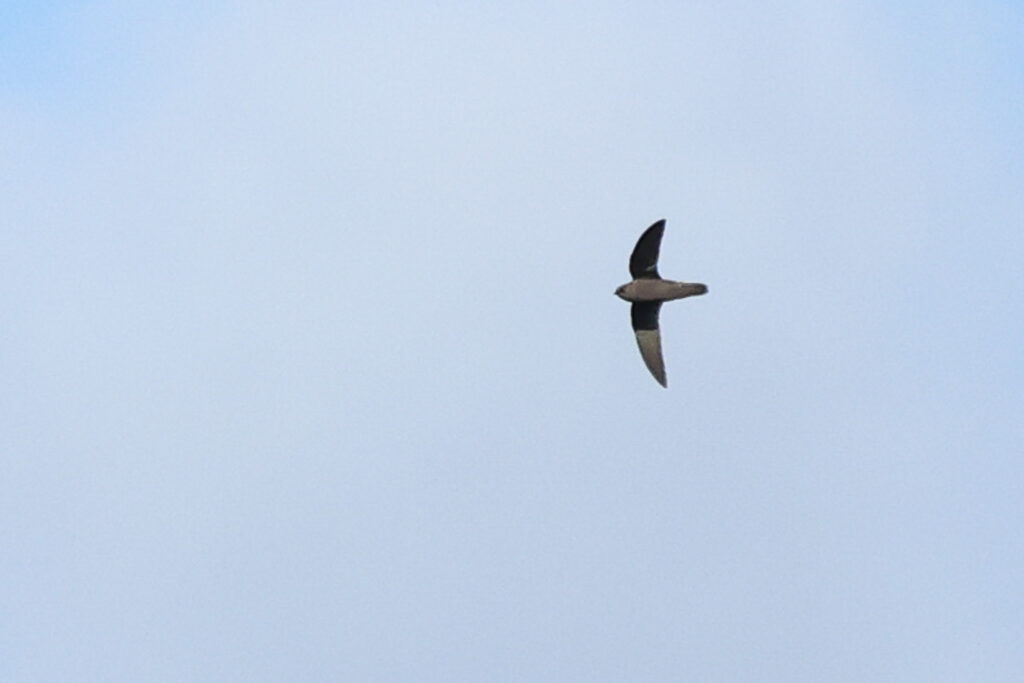
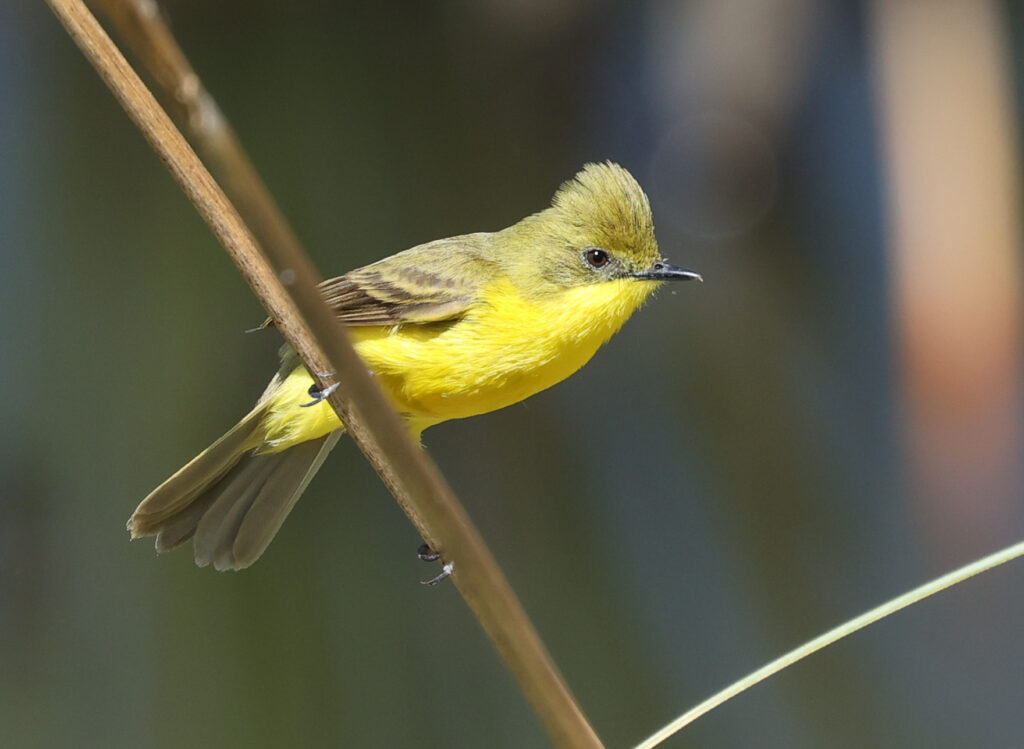
We left Cafayate early and made our way north towards the small town of Cachi. Although the drive was only around 160 km, we took our time and birded extensively in the arid inter-Andean valleys. An early highlight came in the form of a flock of the poorly known Rothschild’s Swifts (-25.975992, -65.961852). We had no specific plan for trying to find this localised species, and we had hoped to “bump into them” while birding in this area. Other mention-worthy birds included Cliff Flycatcher, White-tipped Plantcutter, and Southern Martin, all of which were seen at several sites along the road. A small wetland (-25.436164, -66.254458) in this incredibly arid area proved to be very productive, producing our first Red-fronted Coot and Subtropical Doradito, along with good views of Plumbeous Rail and many of the other waterbirds seen earlier in the trip.
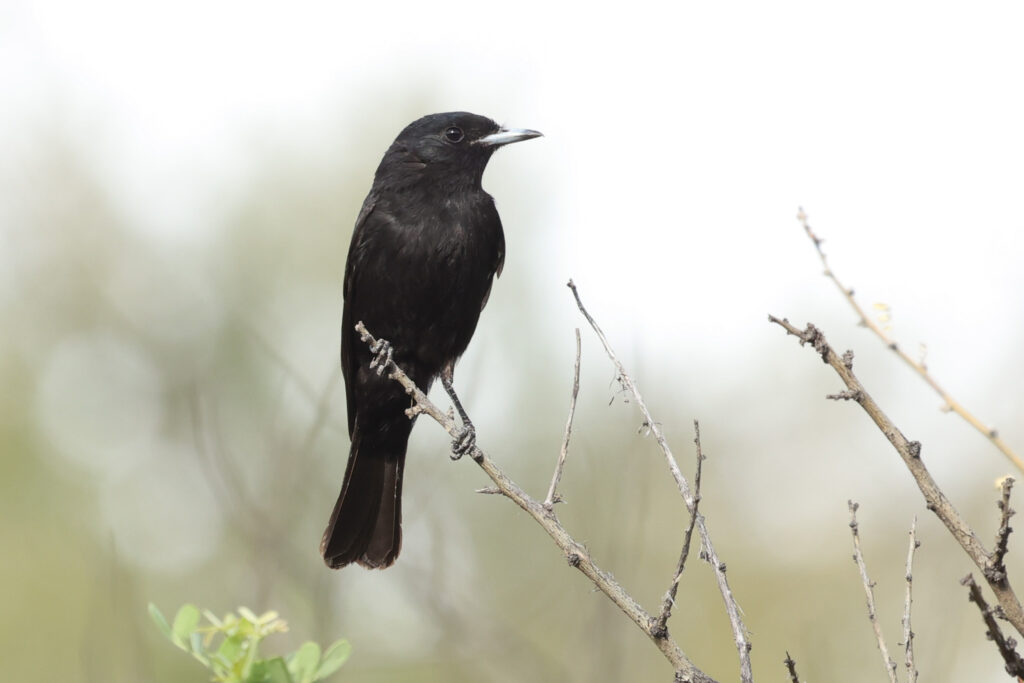
We arrived in Cachi, had lunch, and set out for an afternoon birding session north of town. After our success yesterday, we had already cleaned up all of our Monte targets, so we weren’t looking for anything in particular. As expected, the afternoon session didn’t deliver anything new. We had dinner in the busy square in Cachi and had an early night in preparation for what was one of our most anticipated days of the trip.
Day 9. 15 January 2024. Cachi to Salta and birding Cuesta del Obispo.
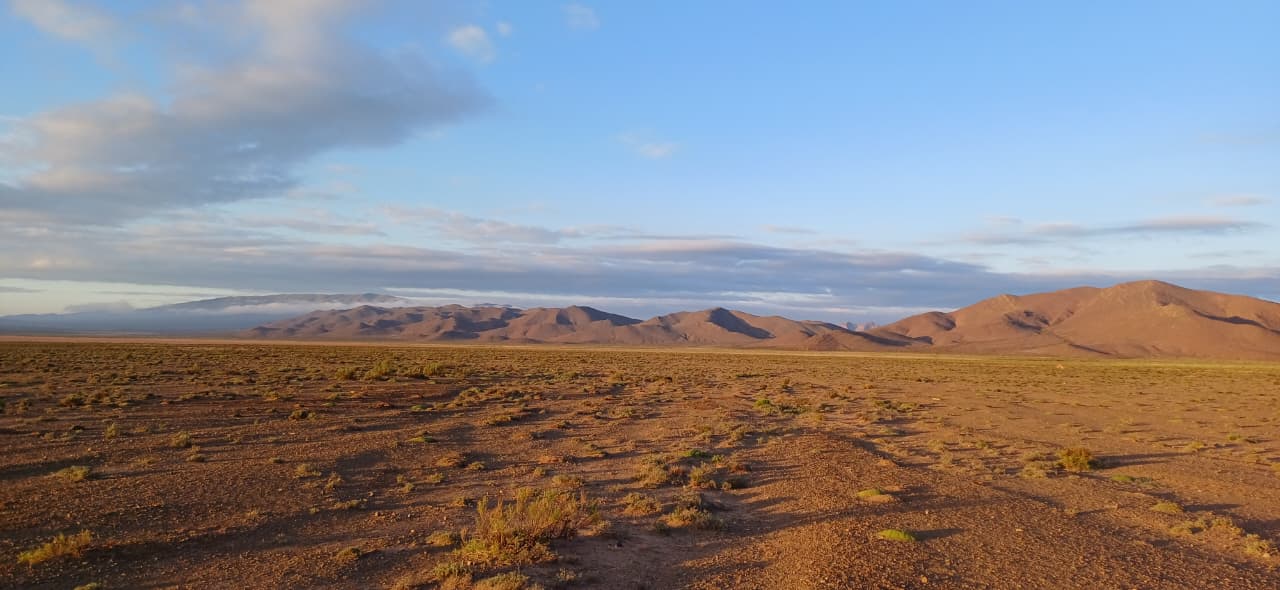
After a pre-dawn start, we found ourselves at over 3,100 meters above sea level waiting for the sunrise over the gravel plains (-25.234469, -65.918157) in Parque Nacional los Cardones.
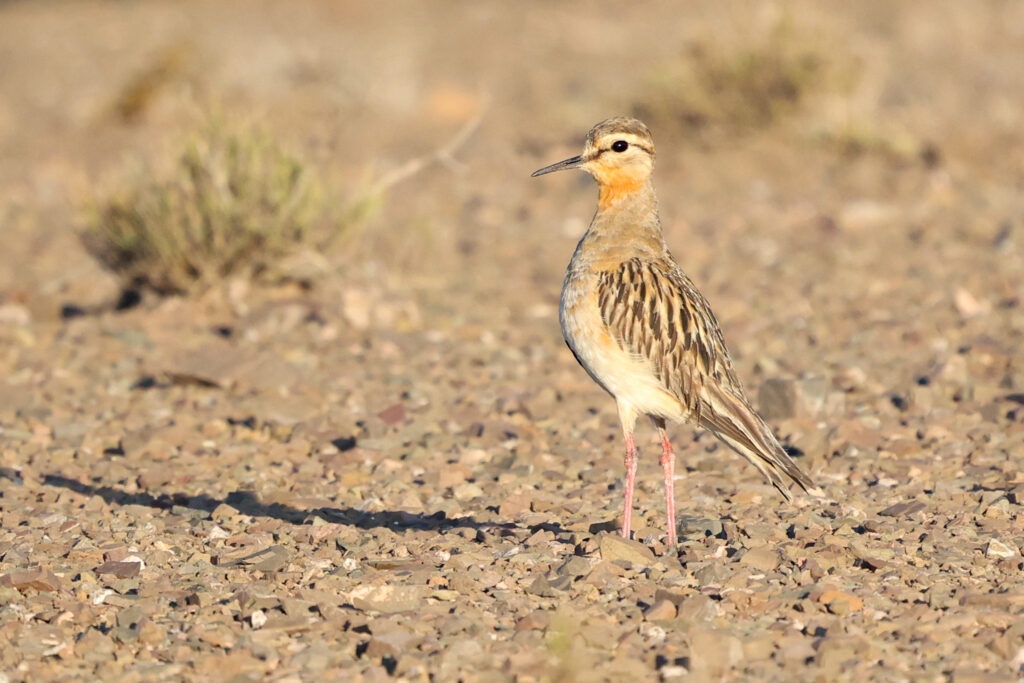
In the early morning light, we began to hear the calls of Tawny-throated Dotterels. Once the sun had risen, we managed to get excellent views of these unique-looking waders. We also had our first (and only) Least Seedsnipes, along with Mountain Caracaras and Andean Lapwings, and a herd of Guanacos. From the highest point on the Cuesta del Obispo Pass, we would drop down over 2,000 meters to the lowlands of Salta, searching for several special species along the way.
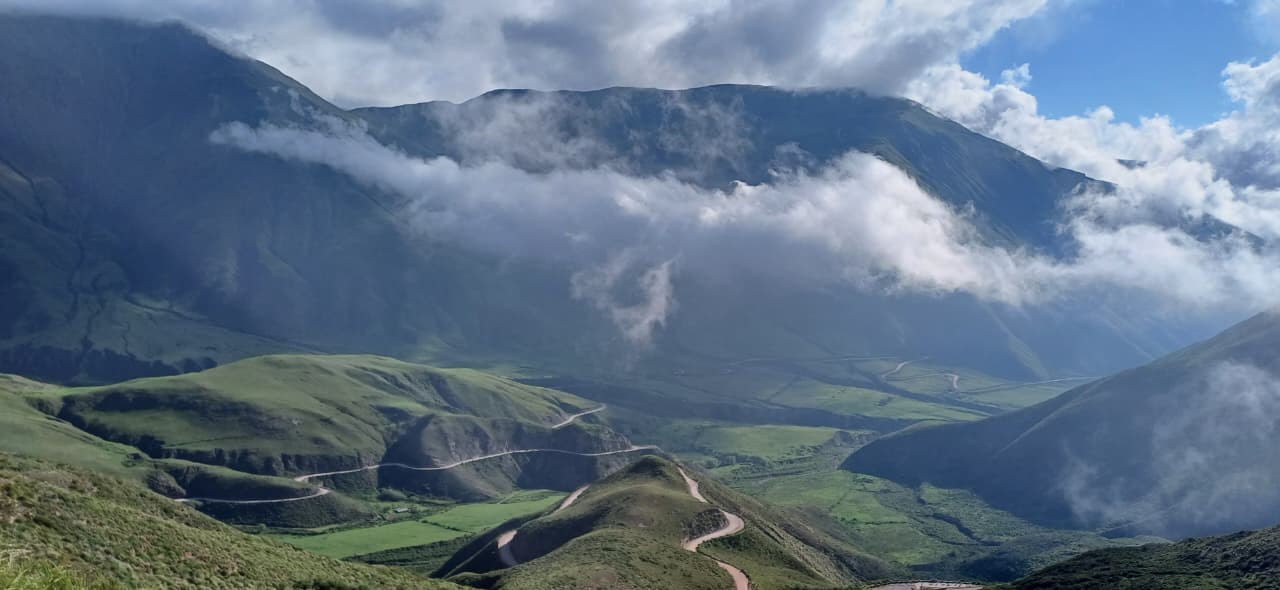
Our first stop (-25.184821, -65.852272) delivered more Moreno’s Ground Doves, Red-tailed Comet, Andean Flicker, and Rufous-webbed Bush Tyrant, among others. The views over the pass and the valley were spectacular! We also heard an Ornate Tinamou calling from the grasslands here. We slowly made our way down the pass, stopping regularly to search for our targets.
One of the first to fall was Maquis Canastero (-25.162874, -65.83931), and we had good views of a pair in the montane thicket vegetation (they turned out to be quite common along the length of the pass). We also had our first views of Rufous Flowerpiercer and Rock Earthcreeper, along with another Tucuman Mountain Finch (-25.178246, -65.816048), and one of our primary targets, the localised Zimmer’s Tapaculo (-25.172064, -65.826777).
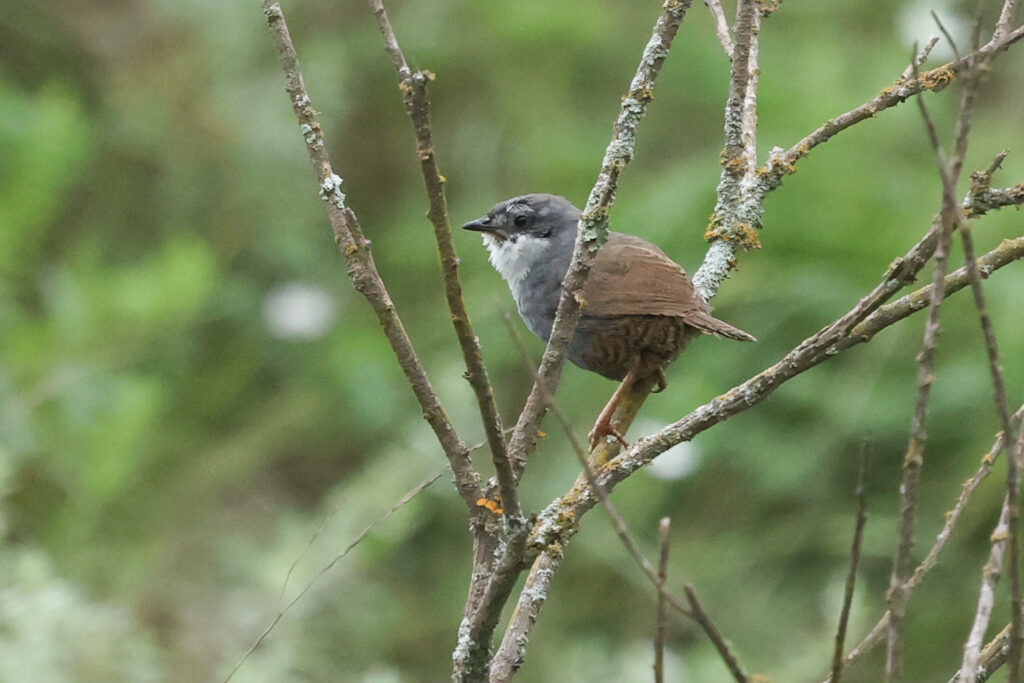
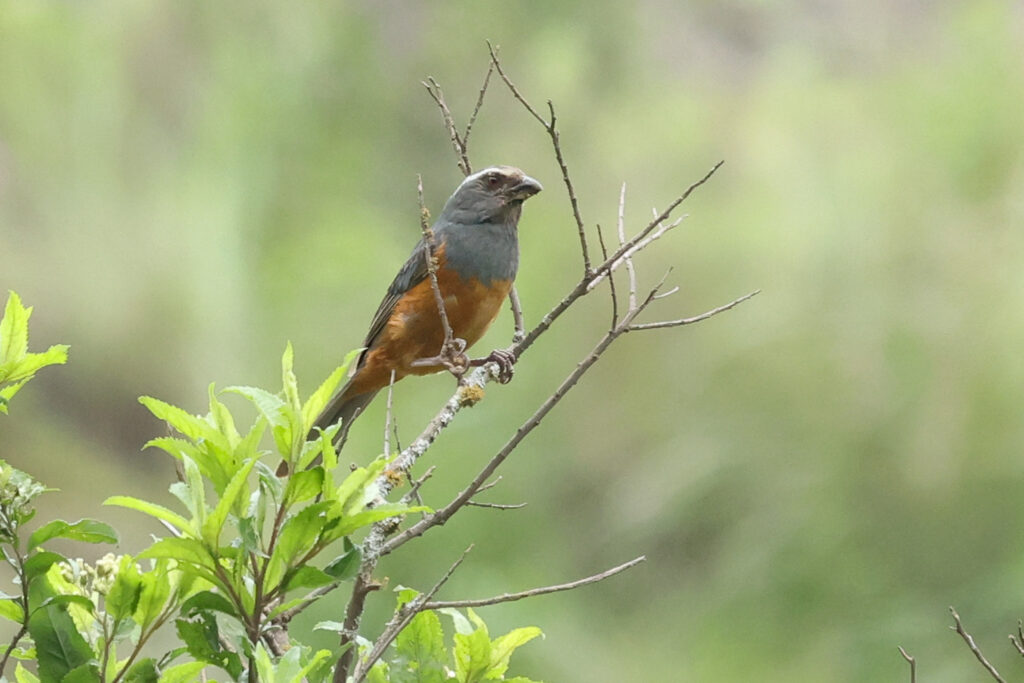
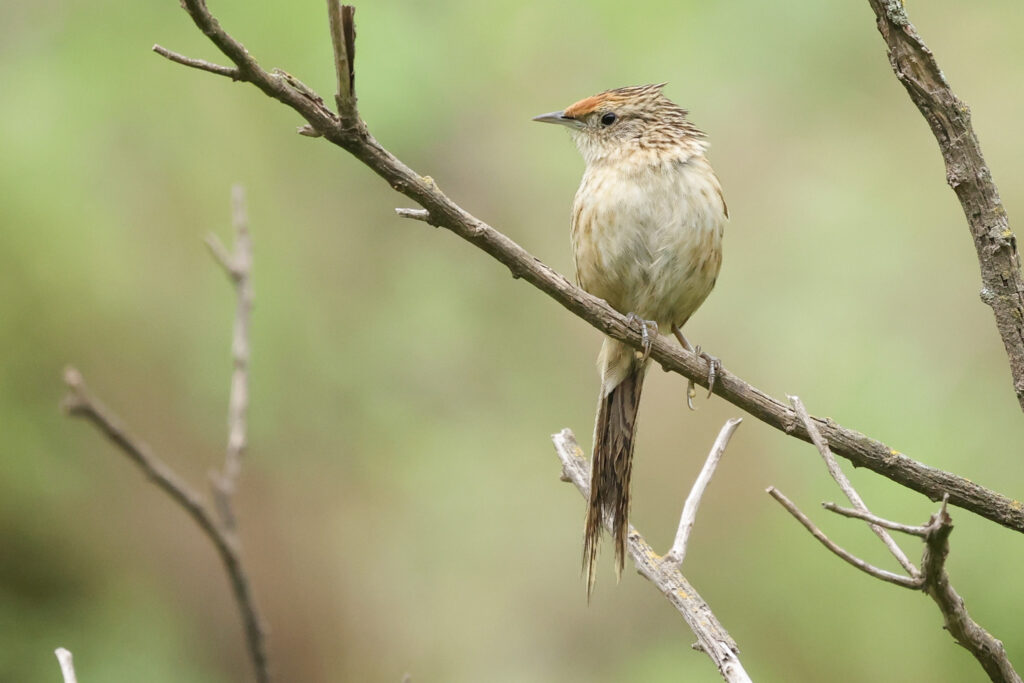
A bit lower down, but still well within the grasslands, we had a very showy Scribble-tailed Canastero (-25.185184, -65.810977) in its tussock grassland habitat and the range-restricted Rufous-bellied Mountain Tanager (-25.185043, -65.810564). Other birds seen on the lower sections of the pass were Tufted Tit-Tyrant, Cream-winged Cinclodes, Rust-and-yellow Tanager, and Black-backed Grosbeak.
Cuesta del Obispo had been extremely rewarding, and we made our way into the lowlands around the city of Salta. We checked out Parque del Bicentenario in Salta (-24.732343, -65.414435) to follow up on a Paint-billed Crake which had been reported there. We didn’t manage to see it this time (we returned on the way back down to Cordoba and succeeded). The park turned out to be a very birdy spot, and we saw many of the waterfowl species we had seen earlier in the trip, along with new birds like the Purple Gallinule, Chestnut-capped Blackbird, and Dark-throated Seedeater.
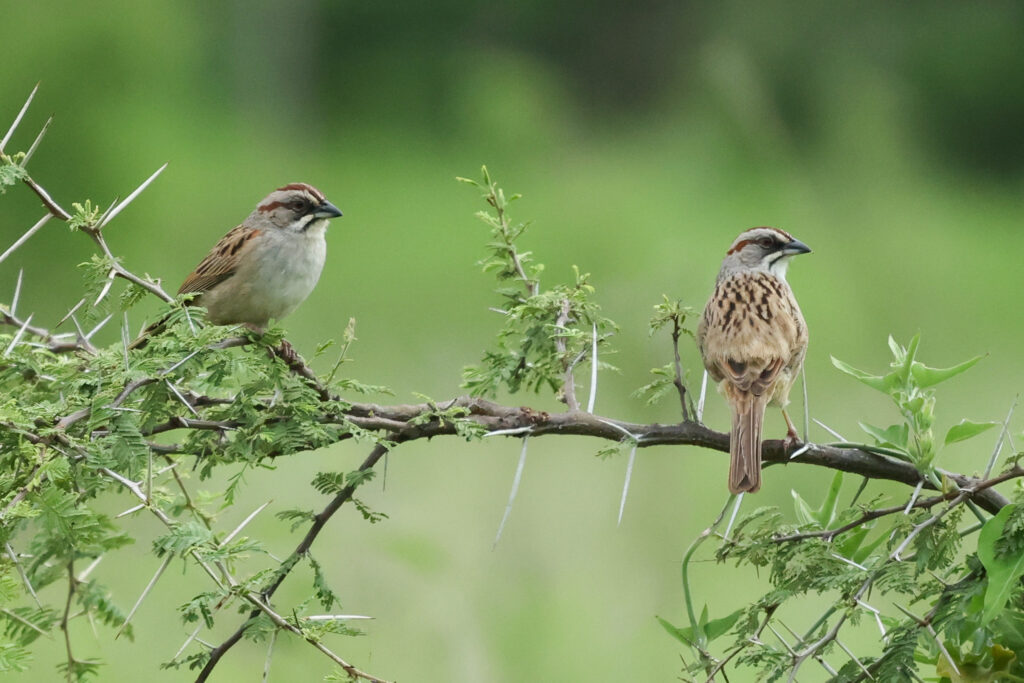
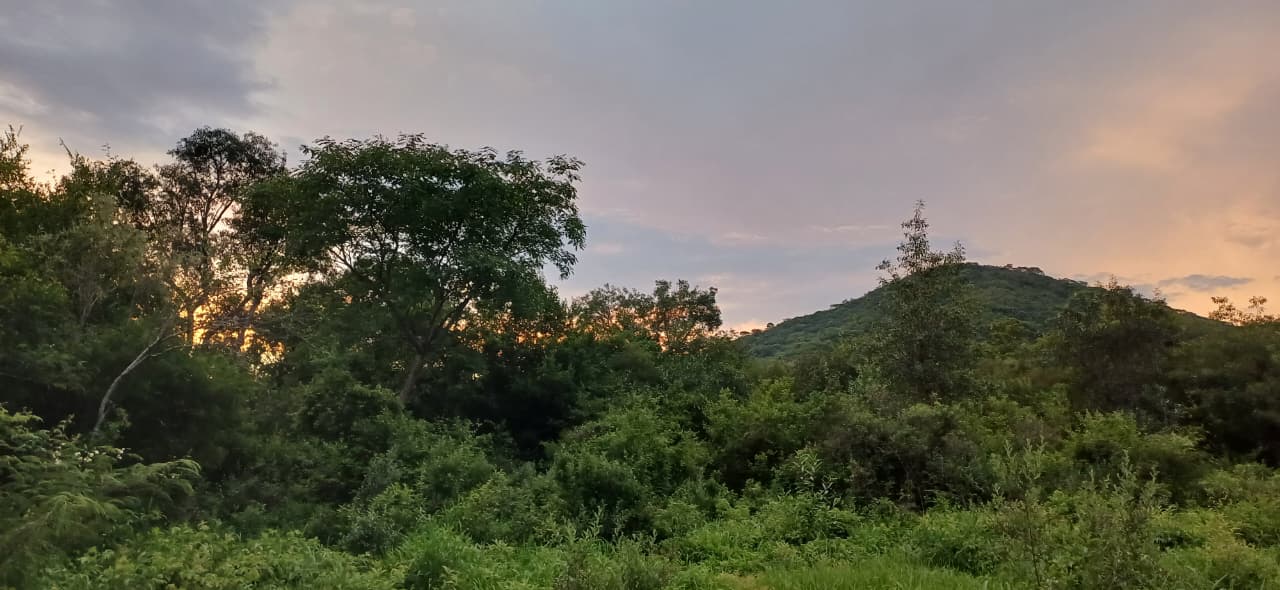
In the afternoon, we met up with local birder Oliver Kohler, who very kindly offered to host us at his farm, Finca La Montaña (-24.820249, -65.223178), just east of Salta. Oliver immediately got us off to a good start when we connected with the scarce Huayco Tinamou, shortly followed by several other excellent birds like Chaco Chachalaca, Yungas Guan, Scaly-headed Parrot, more Rothschild’s Swifts, the fantastic Great Rufous Woodcreeper, Rufous-fronted Thornbird, White-winged Becard, Mottle-cheeked Tyrannulet, Pearly-vented Tody-Tyrant, Southern Mouse-colored Tyrannulet, Greenish Elaenia, Swainson’s Thrush, Yungas Sparrow, Moss-backed Sparrow, Two-banded Warbler, and Orange-headed Tanager. The habitat we were birding was a type of humid Chaco, with affinities to both Yungas and Chaco, and we saw several birds here that we didn’t see elsewhere.
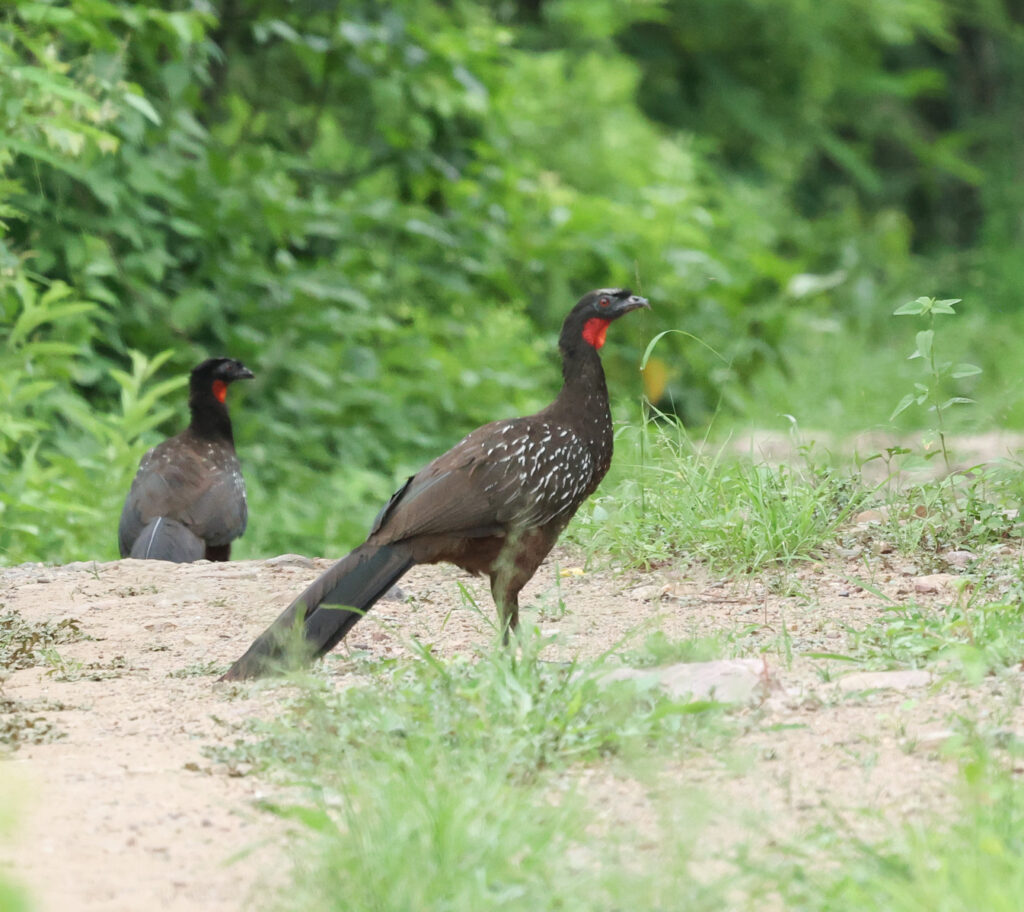
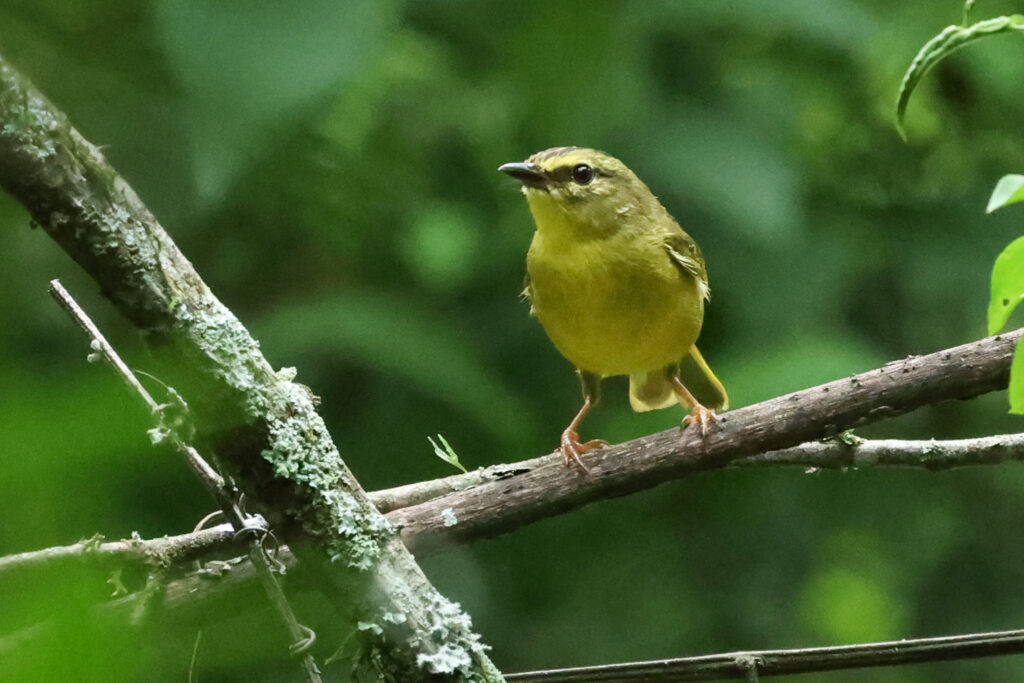
In the evening, we set out to look for owls. We quickly heard our main target, Buff-fronted Owl. However, despite our best efforts (pursuing several vocal individuals until the early hours of the morning), we were unable to get a visual of this sought-after bird (read more about our quest for this bird in Part 4). The good news was that we managed to see the localised Yungas Screech Owl and had more views of Tropical Screech Owl, a vocal Common Potoo, and a Little Nightjar.

After a somewhat frustrating night, we fell asleep, exhausted.