This blog is part four of my Northwest Argentina birding trip with Garret and Joshua. It focuses on our time birding the impressive Yungas forests at Calilegua National Park, Yala, and the high Andean habitats around Yavi on the border with Bolivia. See our eBird trip report here.
Day 10. 16 January 2024. Salta to Calilegua National Park
We bid farewell to Oliver Kohler this morning and started making our way north to Calilegua National Park. On the way out of Finca La Montaña, we enjoyed views of a loud flock of Chaco Chachalacas, along with Buff-browed Foliage-gleaner, Variable Antshrike, Streaked and Swainson’s Flycatchers, Rufous-browed Peppershrike, Crested Oropendola, Black-capped Warbling Finch, and Golden-billed Saltator. We also heard Yungas Dove and saw our only Red-legged Seriema of the trip! After seeing Black-legged Seriema during our time around Córdoba, it was great to have both seriemas in the bag.
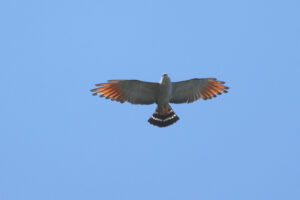
We birded along a dirt road (-24.734550, -65.000223) near Cobos, where we saw Dark-billed Cuckoo, Greater Wagtail-Tyrant, Cinerous Tyrant, Red Pileated Finch, and our first Plumbeous Kite. In the early hours of the afternoon, we arrived at our accommodation in Libertador General San Martín and set out shortly afterwards to Calilegua National Park. The main dirt road in Calilegua climbs steadily through the Yungas forests, allowing you to bird across a wide altitudinal range. We started on the lower sections of the road (the first 7 km past the entrance), where we saw our first Tataupa Tinamou (with chicks!). We had heard this species at several locations, so it was great to see one finally.
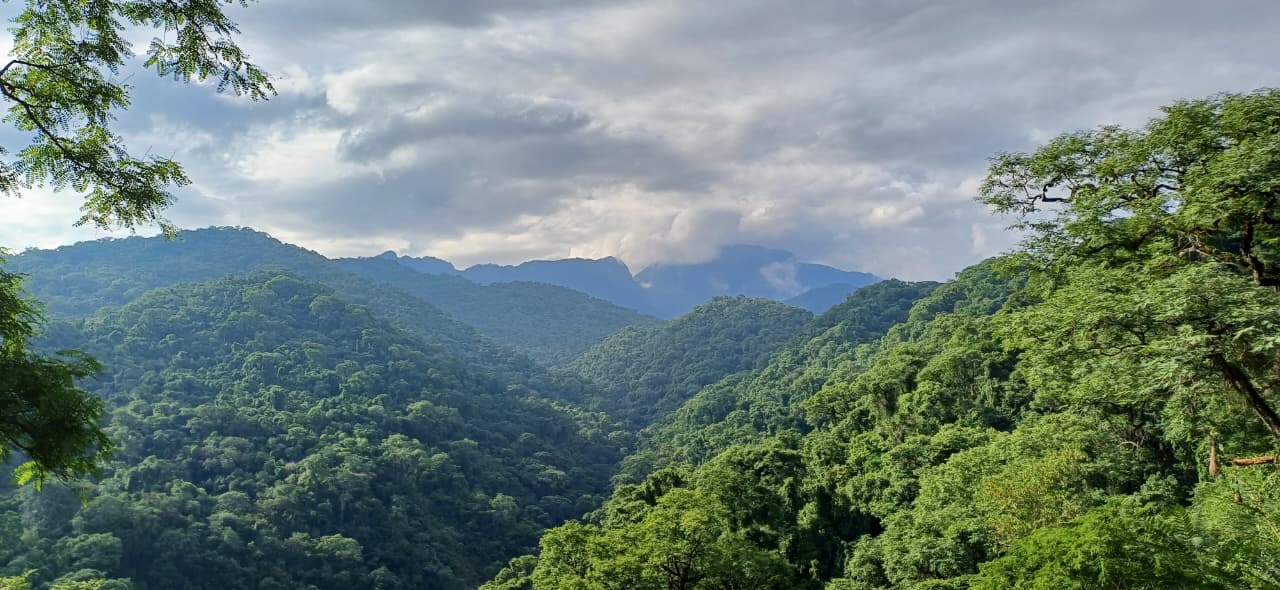
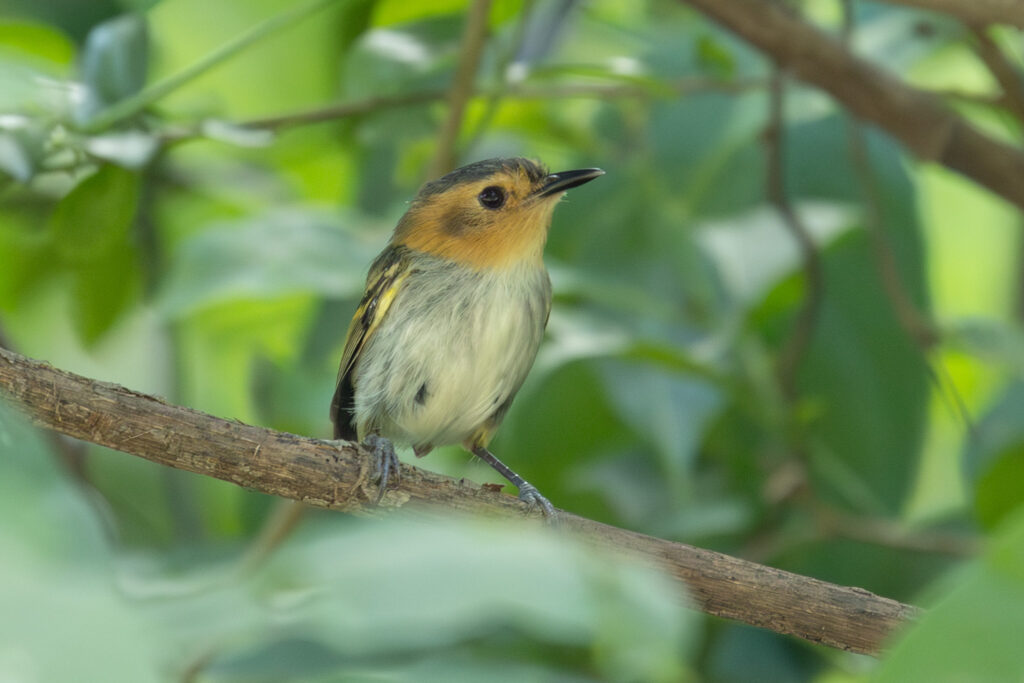
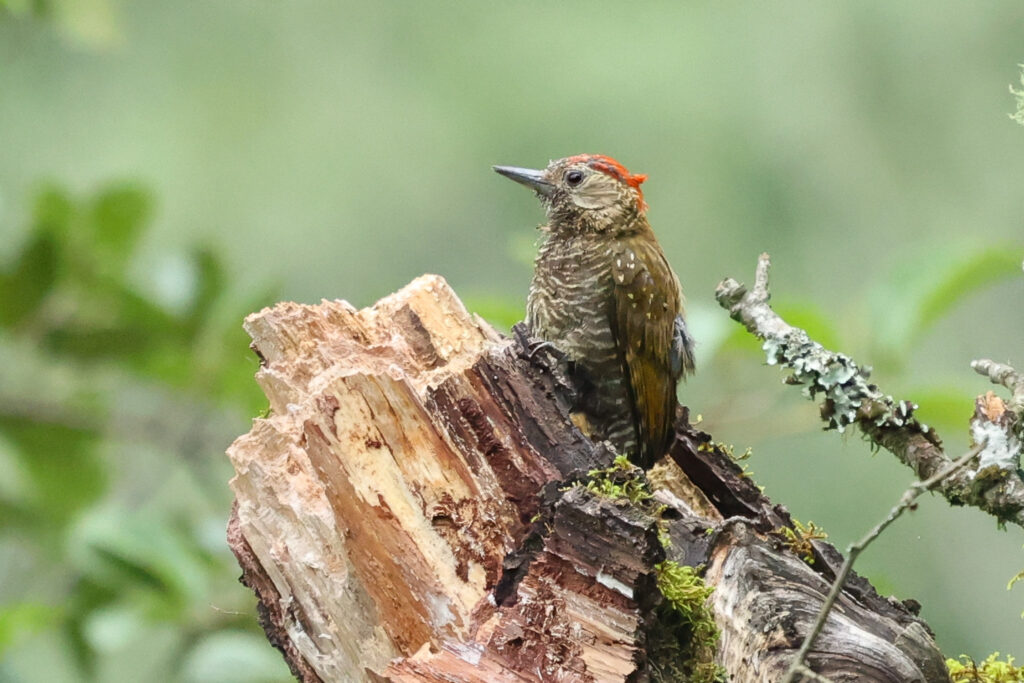
A large flock of Sick’s Swifts cruised overhead, and we also had good views of Rufous-thighed Kite, the localised Dot-fronted Woodpecker, Green-cheeked Parakeet, Olivaceous Woodcreeper, Ochre-cheeked and Azara’s Spinetails, Ochre-faced Tody-Flycatcher, White-bellied Hummingbird, and the iconic Toco Toucan. A quick scan over the Río San Lorenzo (-23.765523, -64.848078) yielded Muscovy Duck and Wood Stork. We had a greasy supermarket dinner and prepared for an early morning in the forests.
Day 11. 17 January 2024. Calilegua National Park birding
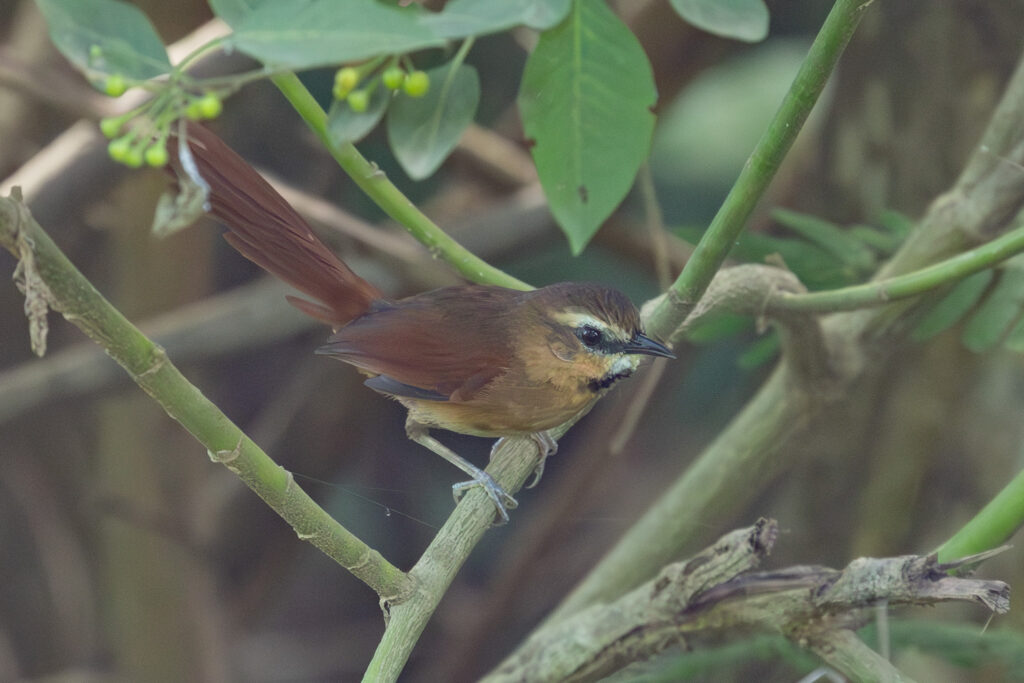
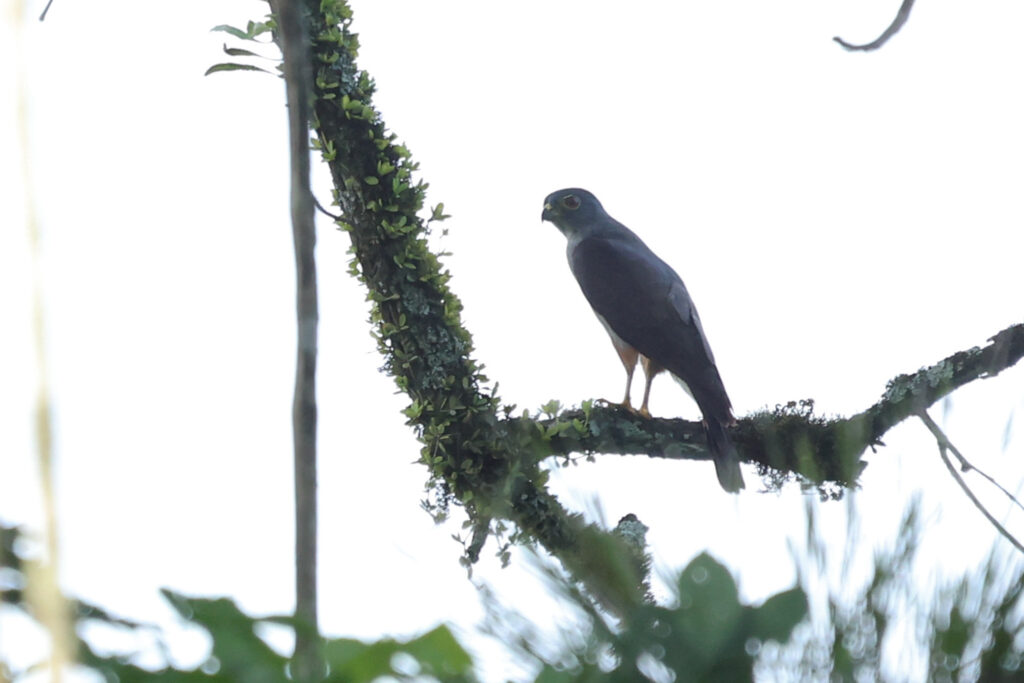
We were on the main road through the park at dawn and had our first stop for the morning at Mesada de las Colmenas picnic site (-23.699743, -64.867161). We parked the car and birded along the main road on foot, which produced Yungas Dove, Planalto Hermit, Bicolored and Broad-winged Hawks overhead, the bulky Giant Antshrike, Black-banded Woodcreeper, Yungas Manakin, White-browed Brushfinch, and one of our primary targets, White-throated Antpitta. The antpittas were vocal, and with a bit of playback, we managed to coax one out of the undergrowth for brief views.
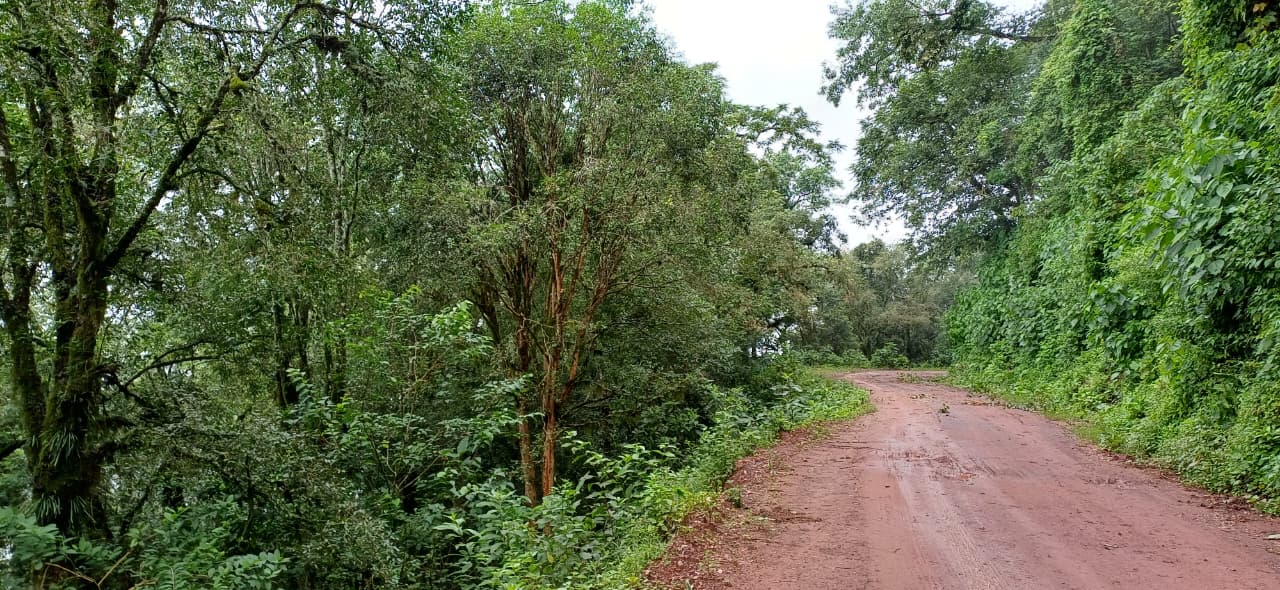
The higher elevation forests (in the area around -23.682201, -64.901710) gave us Blue-crowned Trogon, Smoky-brown Woodpecker, Crested Becard, Buff-banded and Sclater’s Tyrannulets, the localised Fulvous-headed Brushfinch, Pale-legged Warbler, and an unexpected Blue-naped Chlorophonia, a species with only a few records from this area.
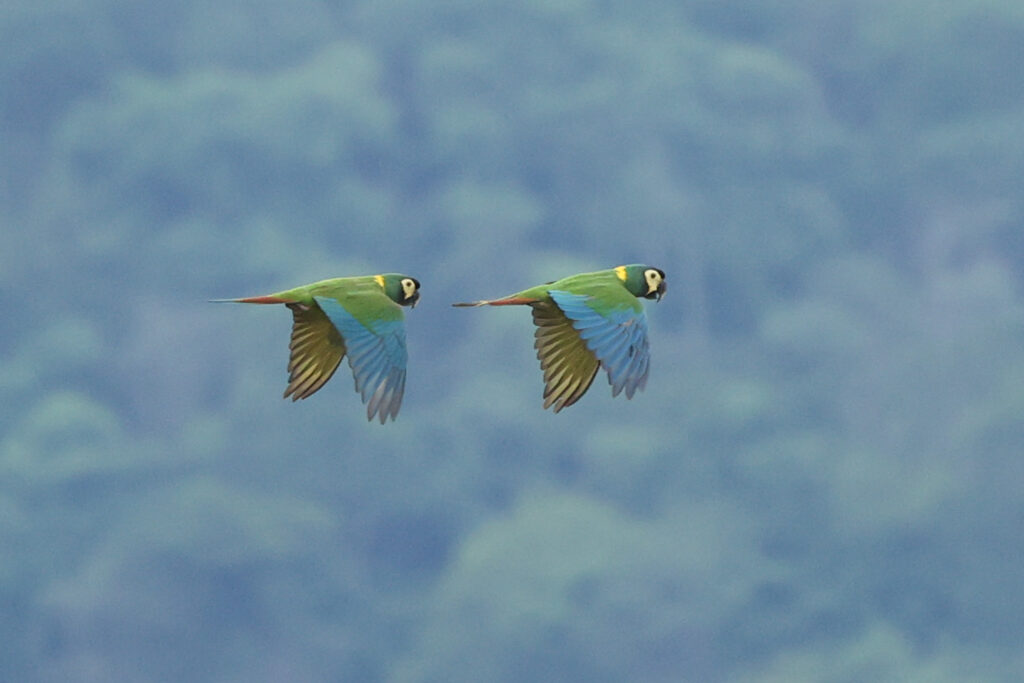
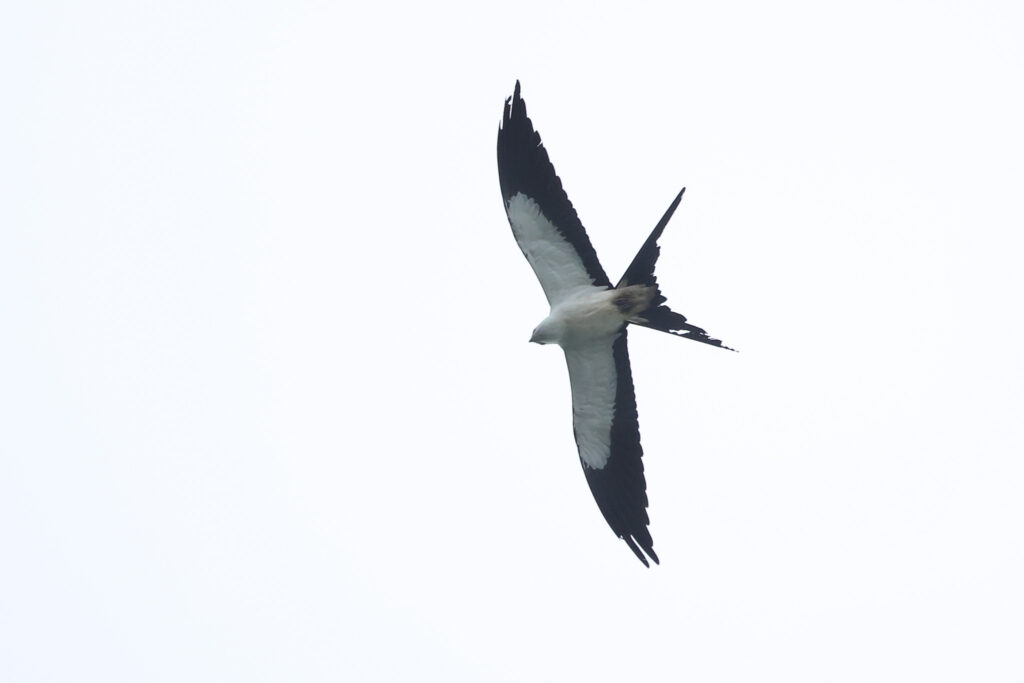
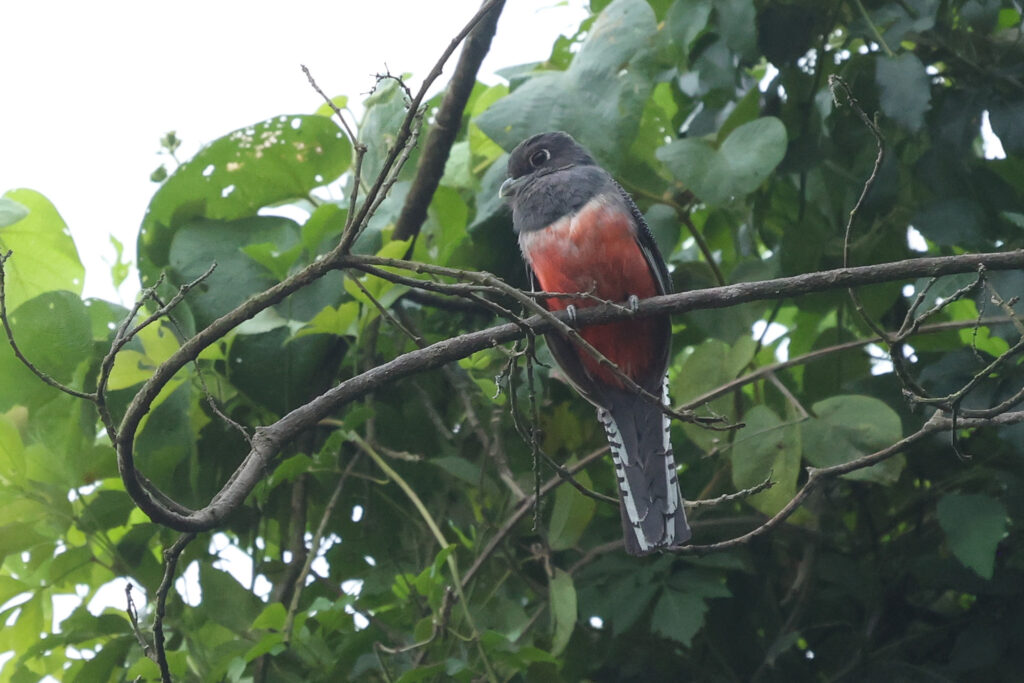
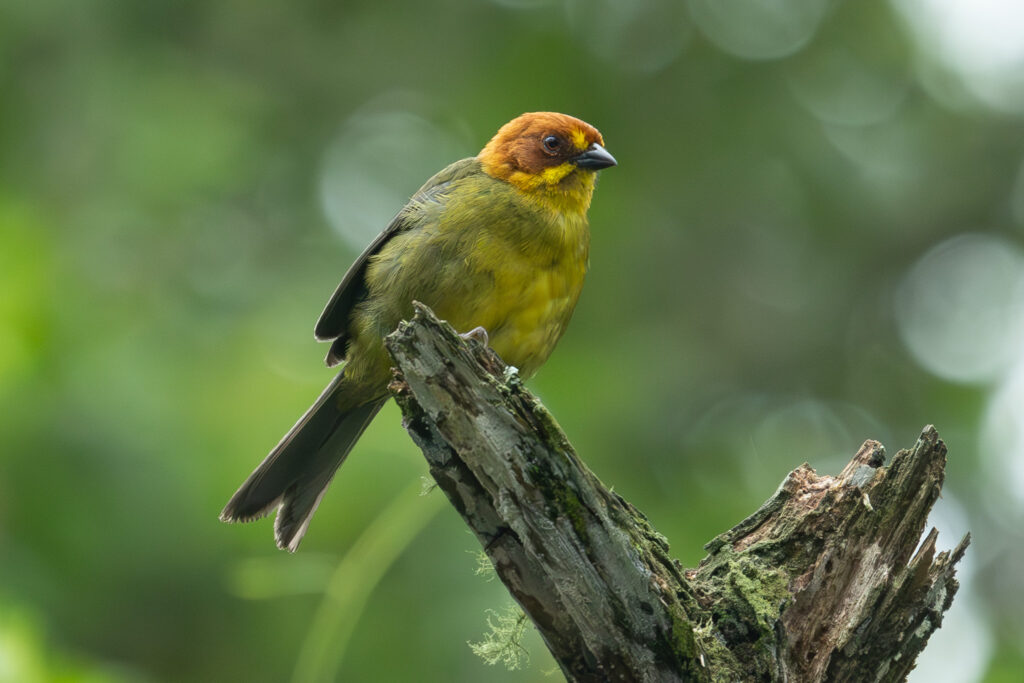
We stopped again to scan over the Río San Lorenzo on our way out, where we had many of the same species, along with a group of Roseate Spoonbills and Buff-necked Ibises. A fly-by Golden-collared Macaw was a welcome addition, and we had outstanding views of a pair on the way into town (-23.795129, -64.787034), along with another Toco Toucan.
Day 12. 18 January 2024. Calilegua National Park
We were up just before 3 am, and we planned to do some owling in the higher-elevation forests. Calilegua is open 24/7, so nocturnal birding is easy here. A Black-crowned Night Heron flew up from the dirt roadjust before entering the park. We hadn’t been in the park for even five minutes when a South American Tapir crossed the road! I wasn’t prepared for the size of the animal; it was big! What a sighting!
We parked the car at the Monolito (-23.675749, -64.898968) and walked along the main road, looking for owls. We heard several vocal Yungas Screech Owls, shortly followed by a Buff-fronted Owl, and a pair of Black-banded Owls. After an extensive cat-and-mouse game, we managed views of both of the latter species; however, despite trying, we could not bring a distantly calling Yungas Pygmy Owl into view. The night was still an overwhelming success, as Buff-fronted Owl is widely regarded as one of the most challenging and wanted Neotropical owl species.
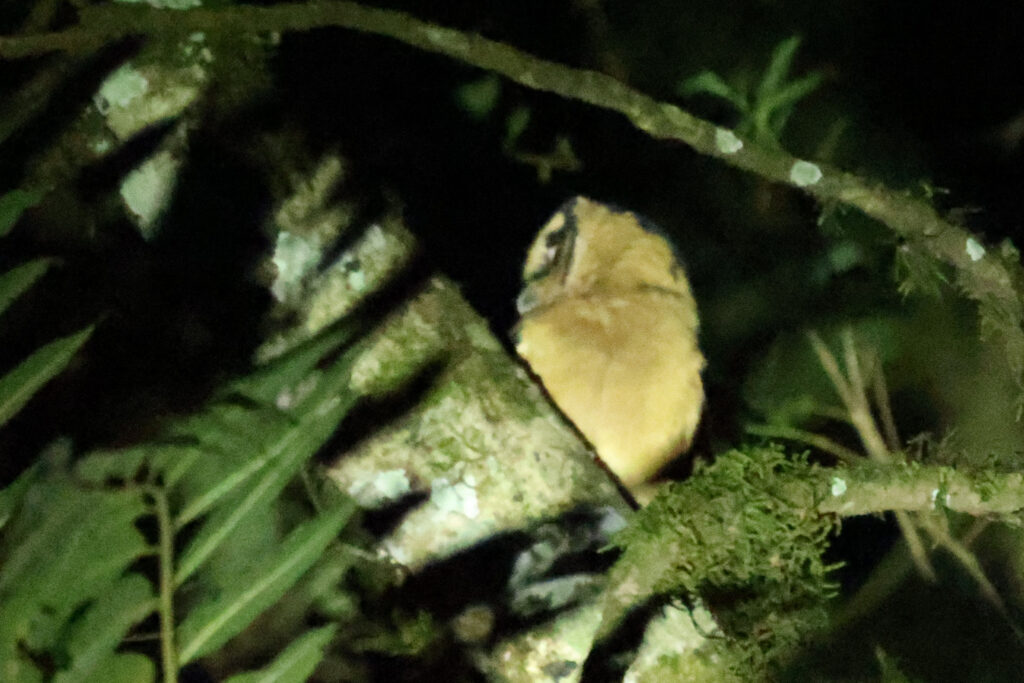
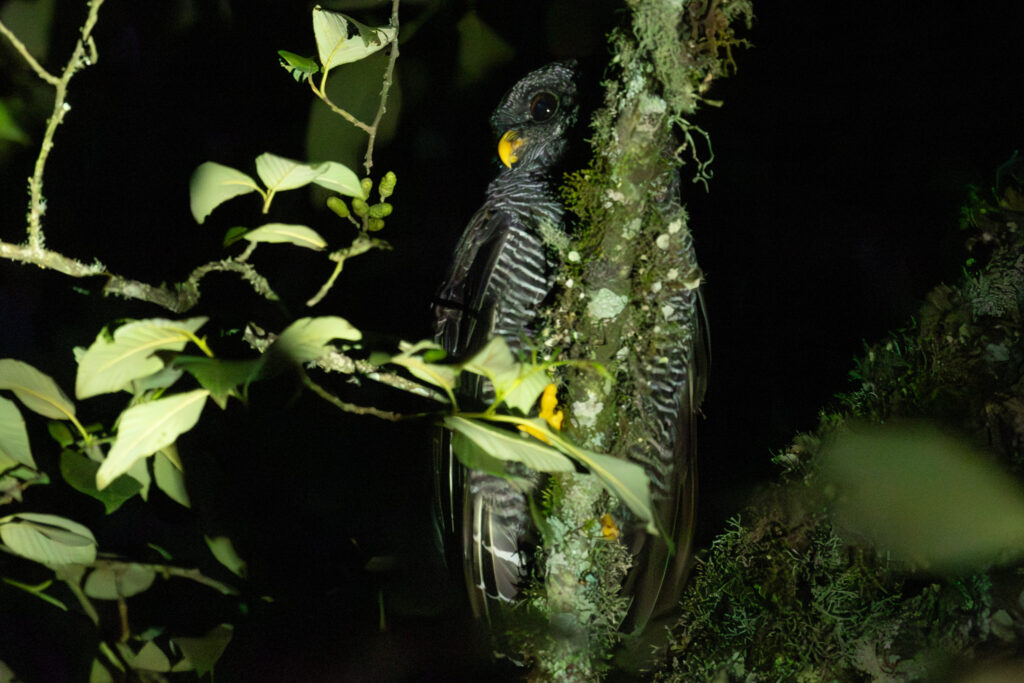
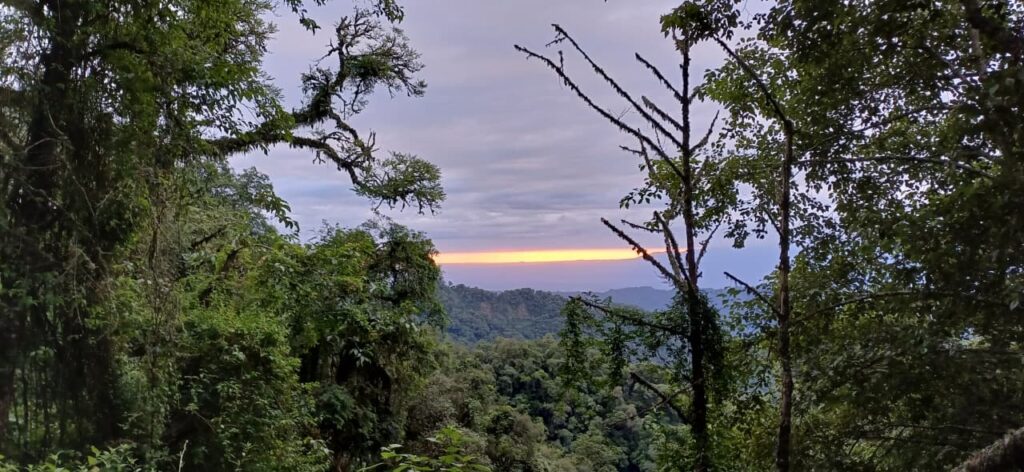
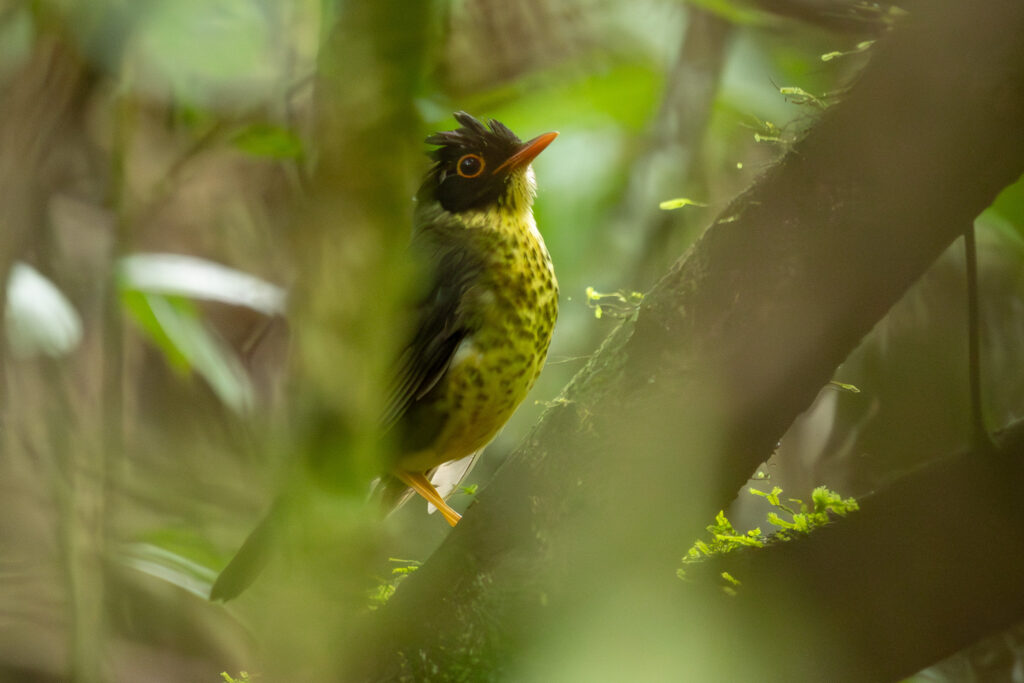
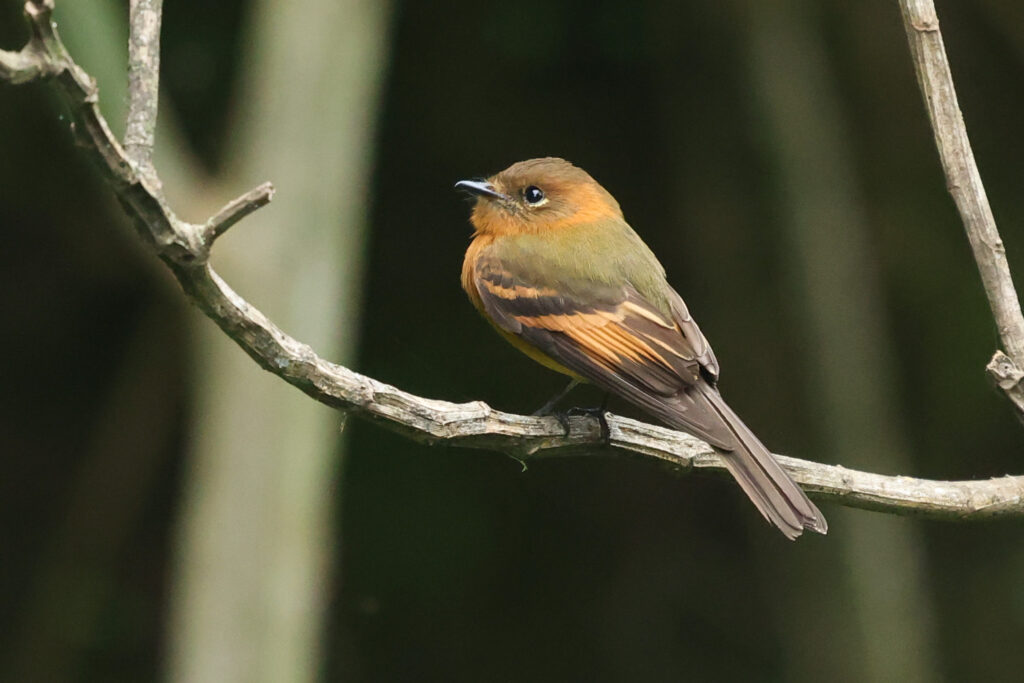
After sunrise, we birded around Mesada de las Colmenas picnic site, where we saw many of the same birds as yesterday, in addition to Speckled Nightingale-Thrush. The higher altitude forests around the Monolito yielded Andean Slaty Thrush, Highland, White-crested and Slaty Elaenias, Cinnamon Flycatcher, Purple-throated Euphonia, Fawn-breasted Tanager, Rusty-browed Warbling Finch, and several species mentioned earlier in the text.
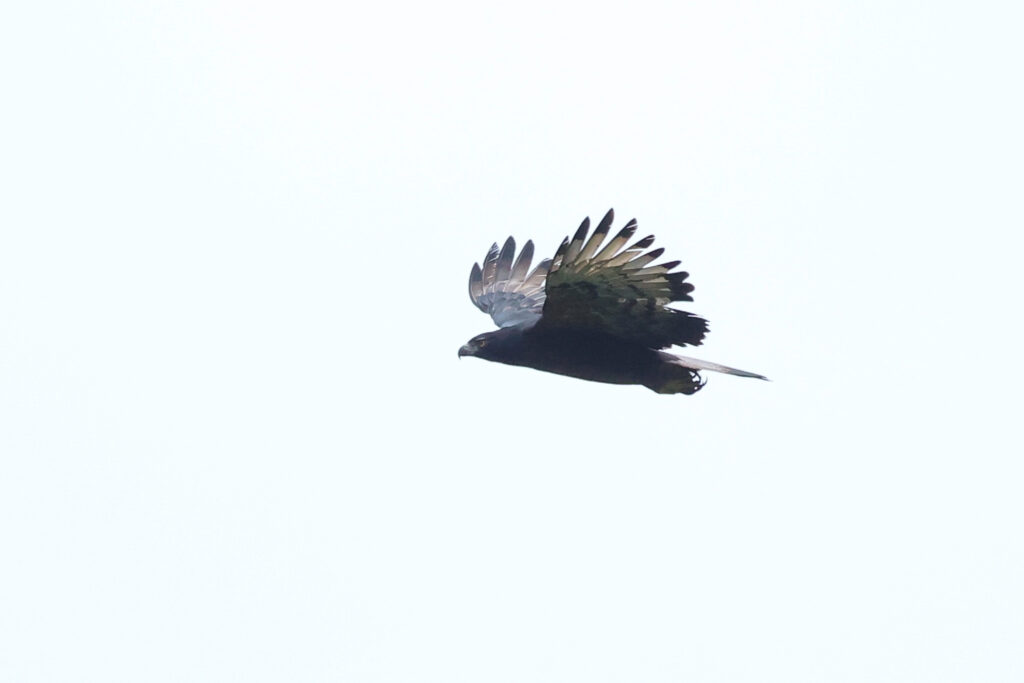
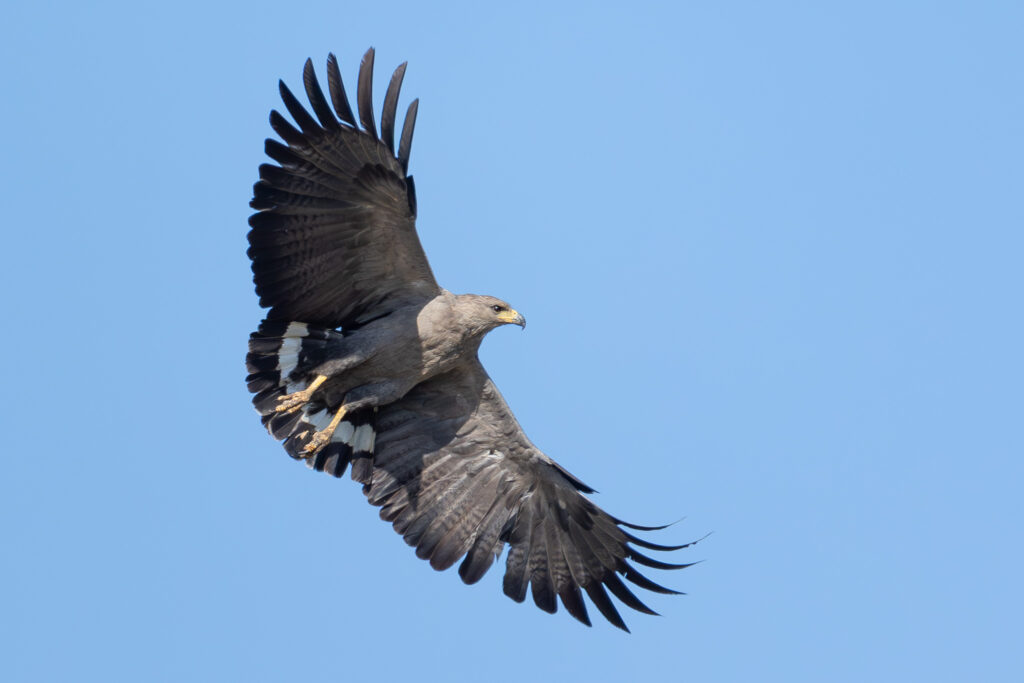
One of the highlights of the day came in the form of a Black-and-chestnut Eagle (-23.678216, -64.927068) which cruised past at eye-level. This massive bird of prey is scarce throughout its range, and we couldn’t have asked for better views. Large flocks of Green-cheeked and Mitred Parakeets flew across forest clearings. The birding in Calilegua was phenomenal!
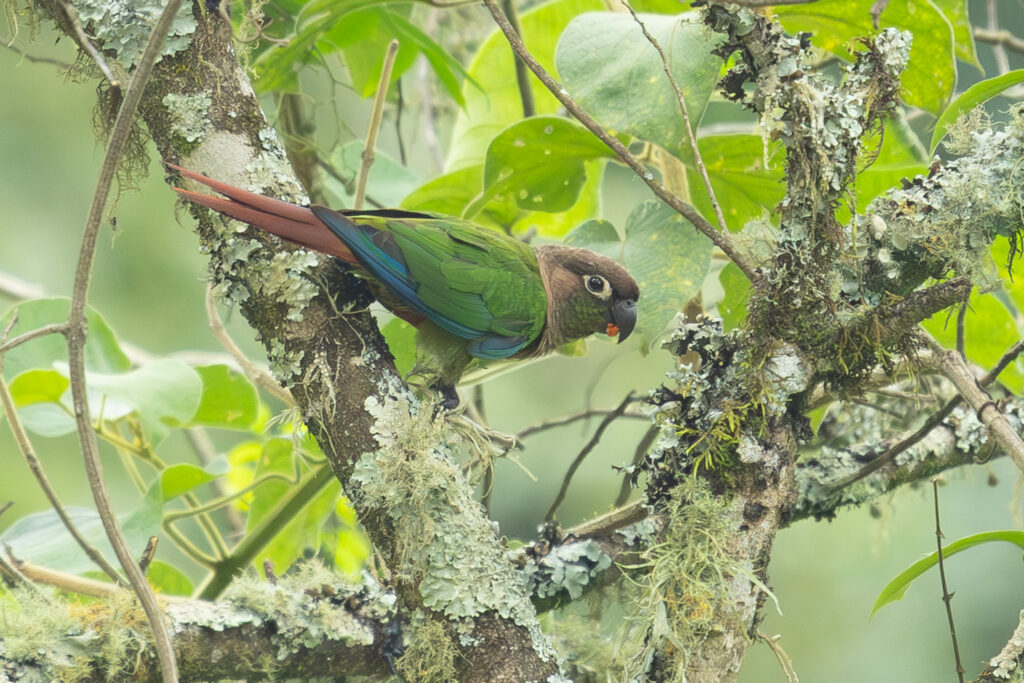
We had spent the entire day in the park and decided to bird around the entrance on our way out (-23.759687, -64.850342). Here, we saw Pale-vented Pigeon, Cream-backed Woodpecker, Golden-collared Macaw, Variegated Flycatcher, and Ringed Kingfisher. Just before dark, we heard the distinctive hooting call of an Amazonian Motmot and enjoyed good views of this bird in the fading light.
Day 13. 19 January 2024. Calilegua National Park to Humahuaca via Yala
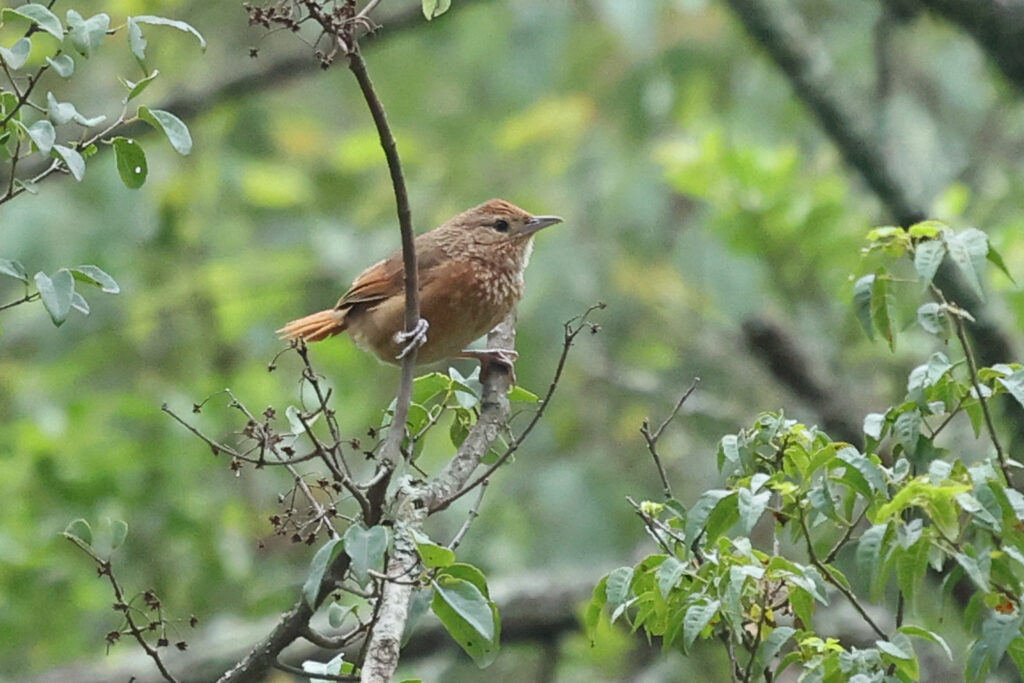
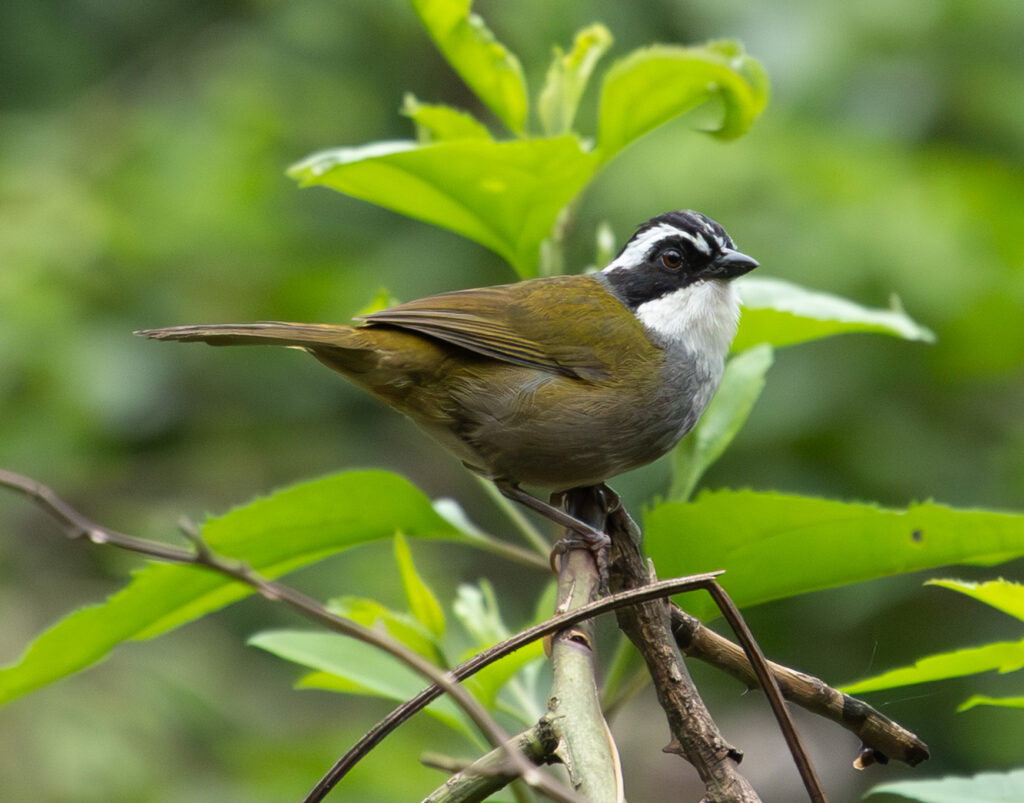
We left our accommodation in Libertador General San Martín and made our way to Potrero de Yala, arriving just after 8 am. The higher Yungas forests here exhibit a more elfin forest structure, characterised by stunted trees and scrubby vegetation. Our first stop (-24.120189, -65.468978) produced the localised Spot-breasted Thornbird, in addition to a variety of other species, most of which were moving through the area in mixed species flocks. Some of these species included Dot-fronted and Golden-olive Woodpeckers, Rufous-capped Antshrike, Slaty and Highland Elaenias, Plumbeous Tyrant (one of our last remaining Yungas targets), Giant Antshrike, Streak-throated Bush Tyrant, Plush-crested Jay, White-browed and Fulvous-headed Brushfinches, and Rusty-browed Warbling Finch, among others.
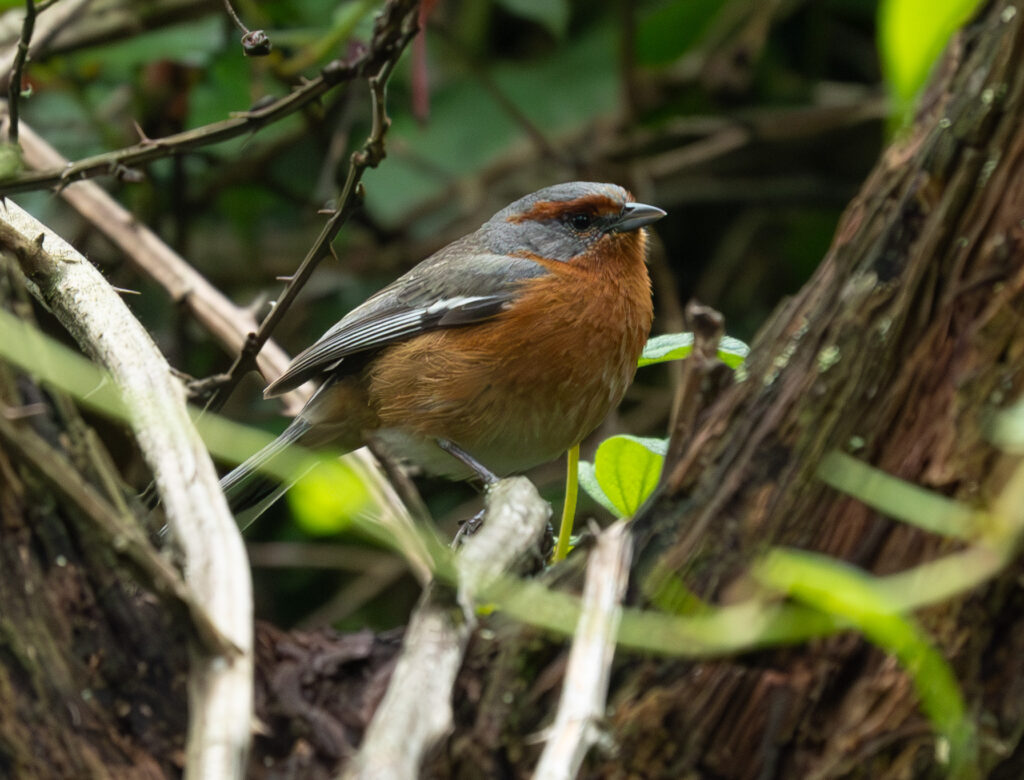
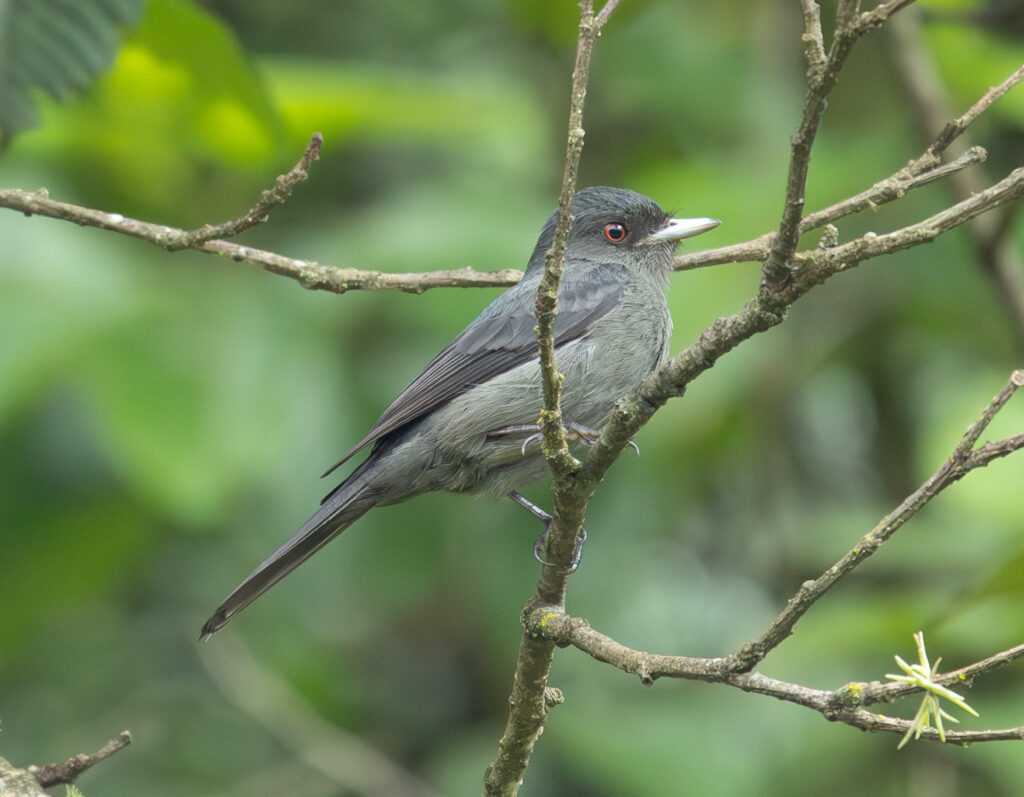
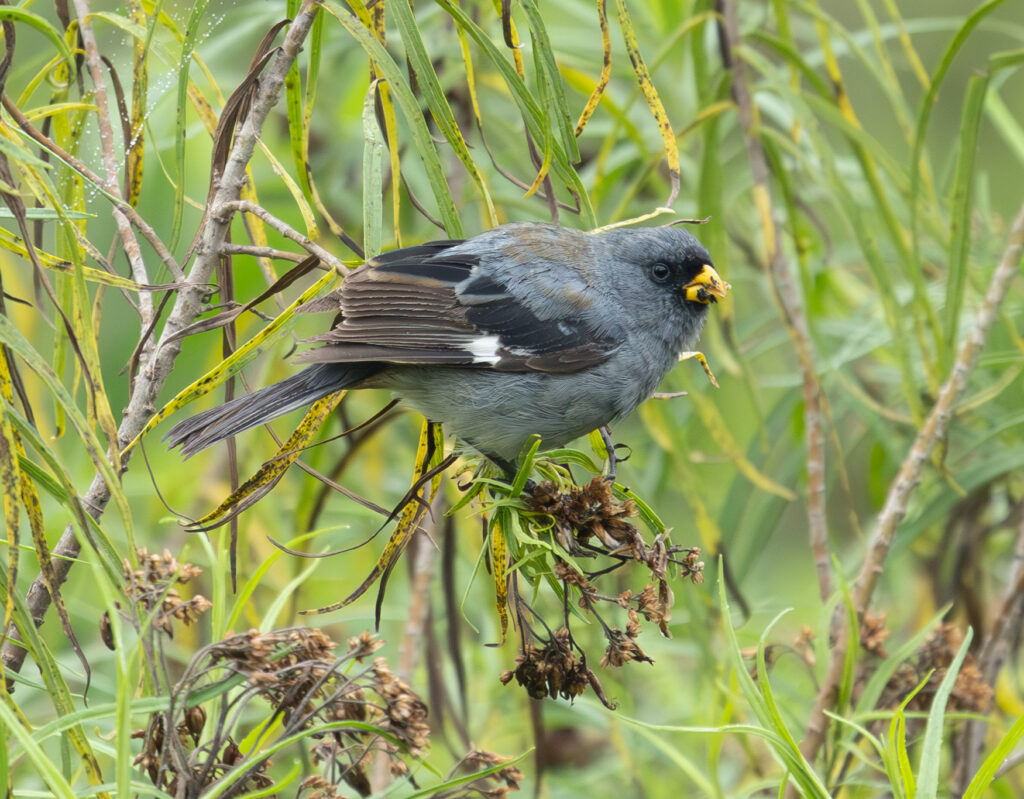
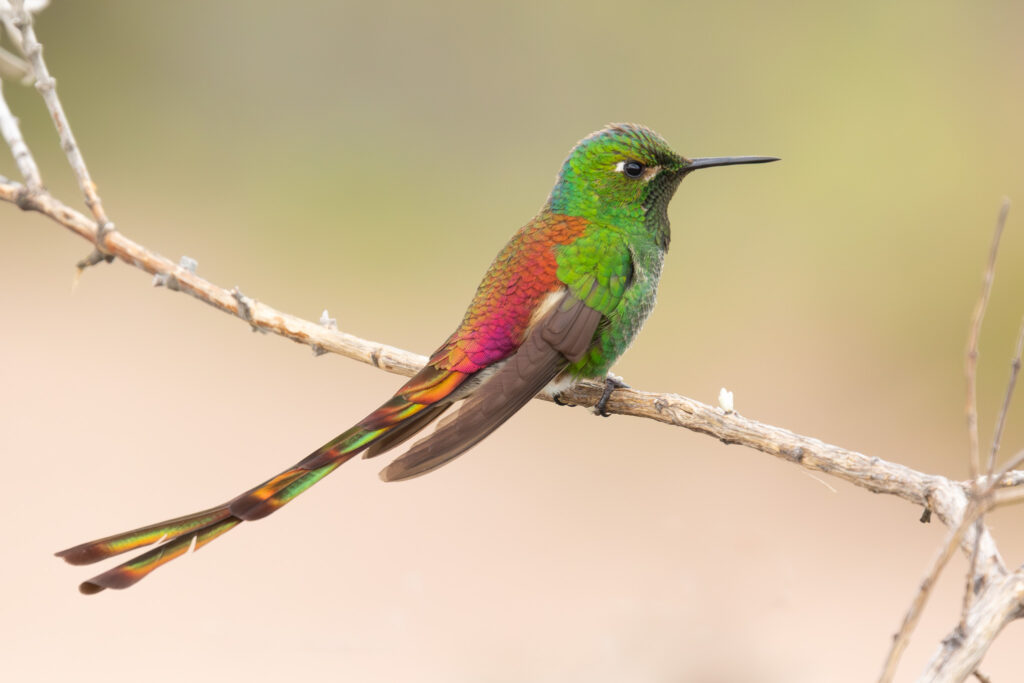
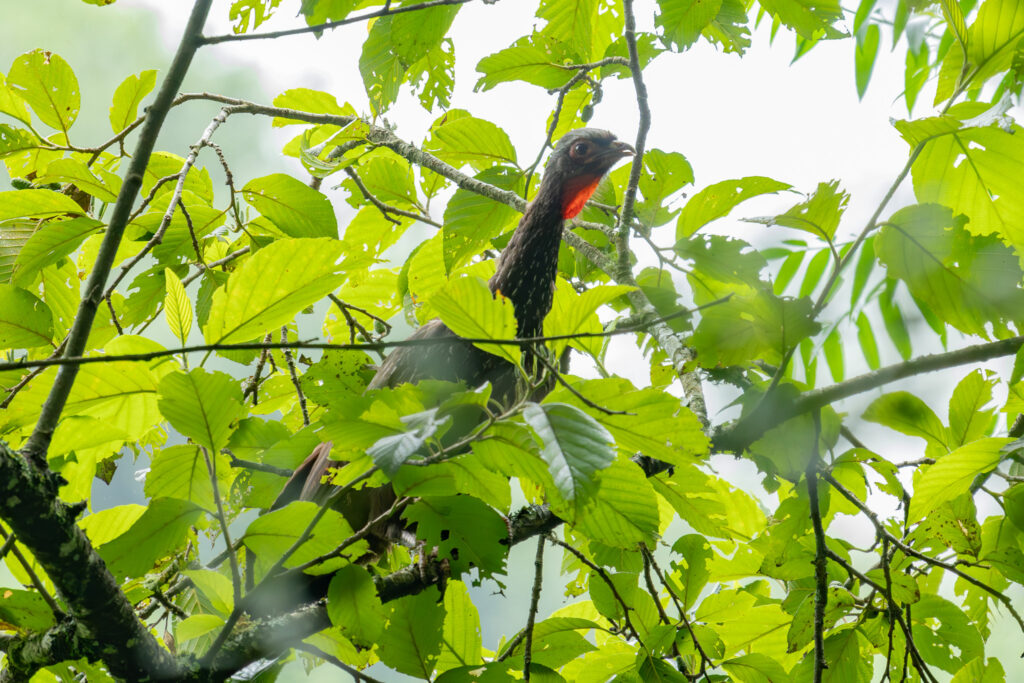
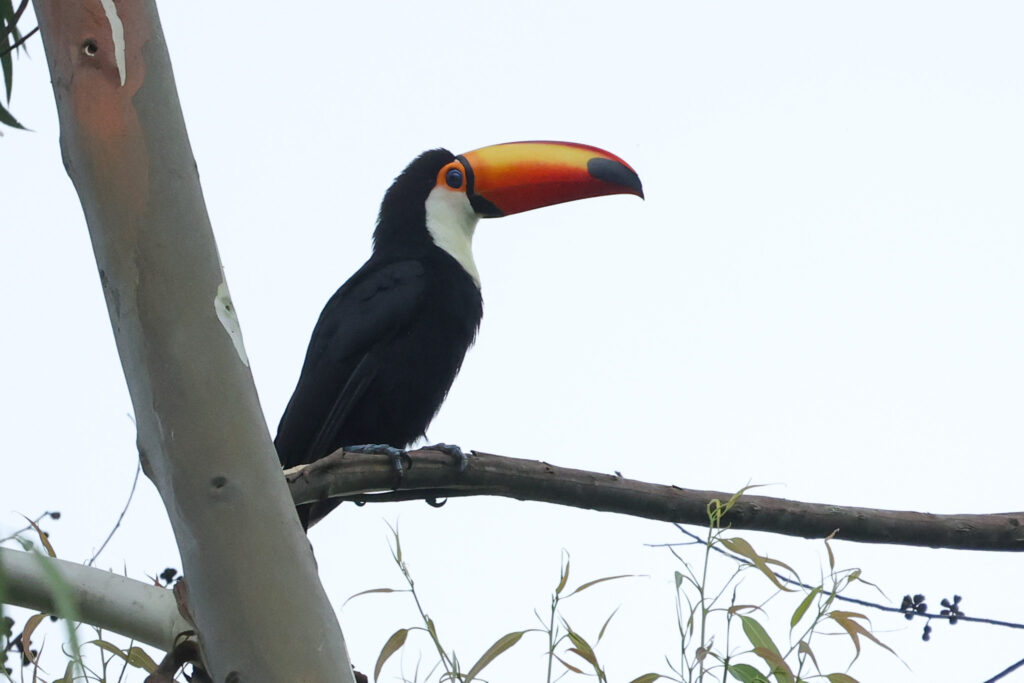
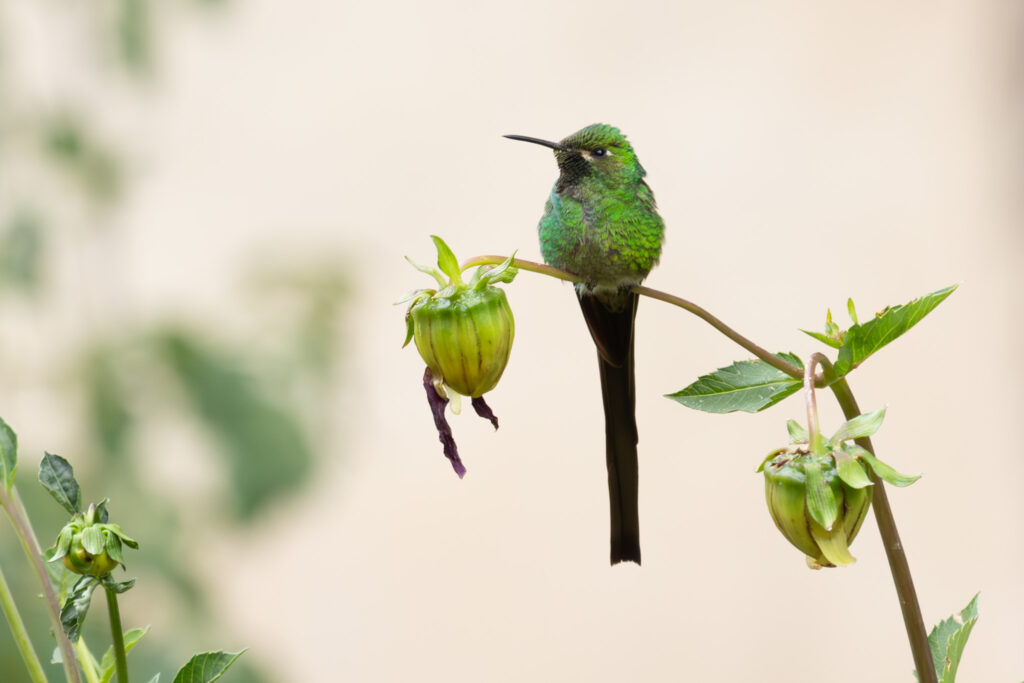
After a brief search, we managed to connect with the range-restricted Slender-tailed Woodstar (-24.107329, -65.479020) near Laguna Rodeo. Our final target here, Red-faced Guan, another Yungas endemic, showed near Laguna Comedero (-24.112322, -65.486830). We had lunch in Yala and had excellent views of a pair of Toco Toucans in the town.
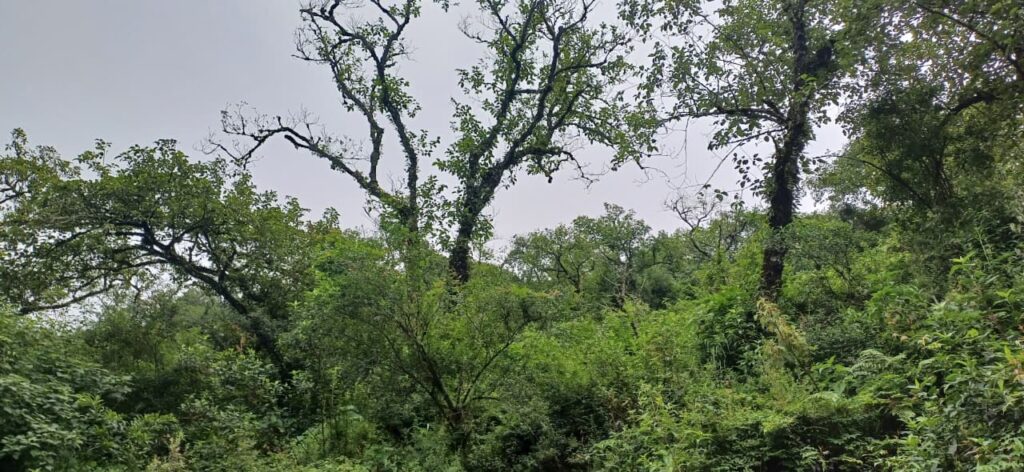
From Yala, we climbed up into the Andes once more, passing through dry inter-Andean valleys en route to Humahuaca. Roadside distractions included Patagonian Mockingbird and Andean Condor. Upon arrival in Humahuaca, we dropped off our bags at our charming hostel and took a drive west of town to Pucará. We birded in the semidesert scrub along the dirt road, picking up our first Brown-backed Mockingbird (-23.201004, -65.315821). The pass up to Hornocal (which climbs to over 4,300 meters above sea level) delivered a stack of new birds for us.
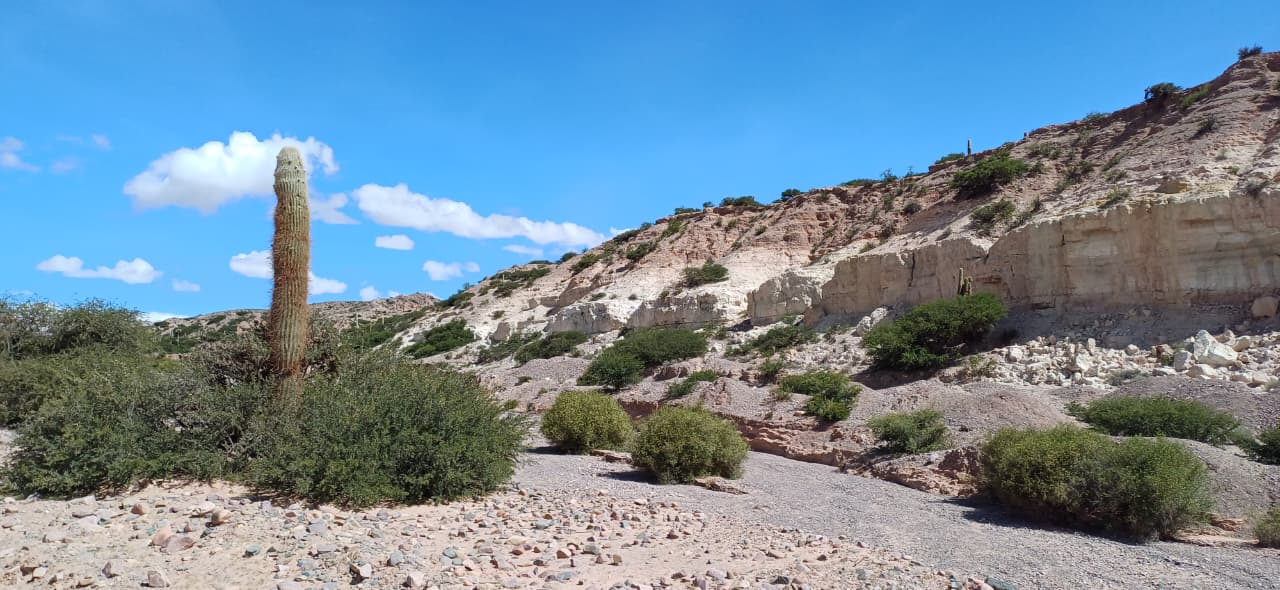
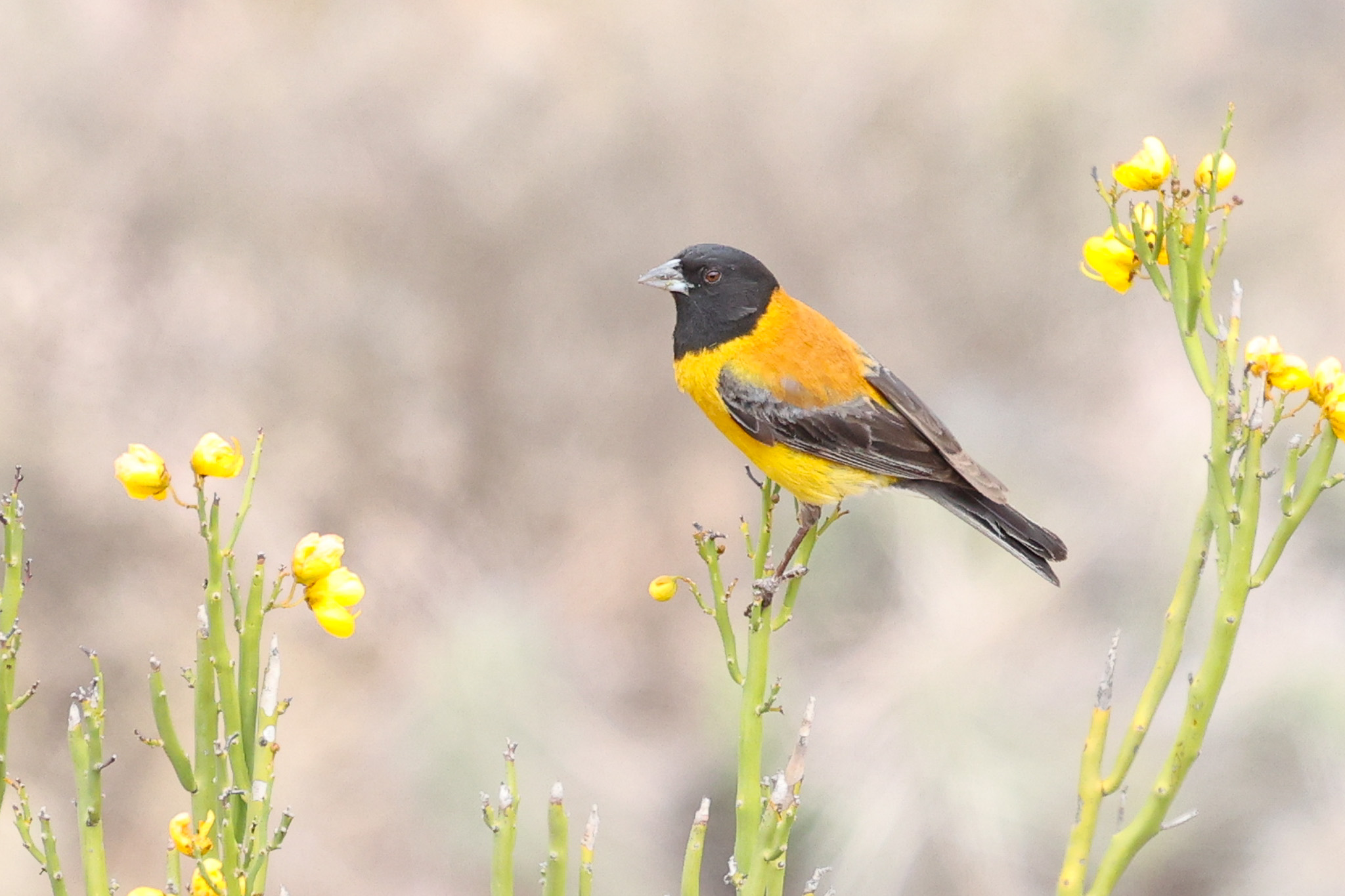
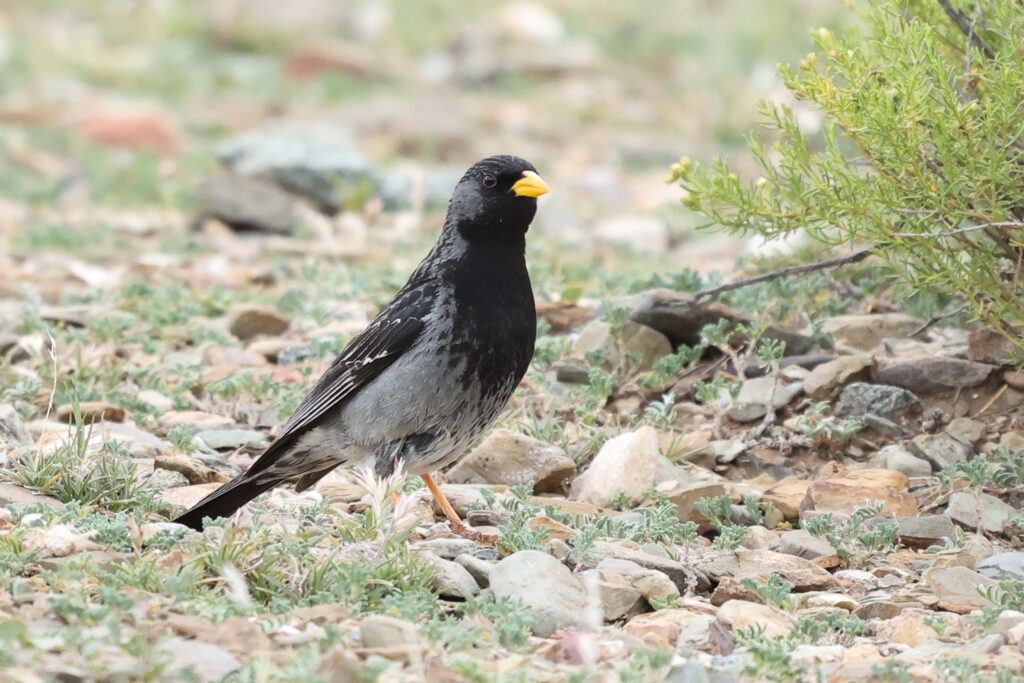
One stop in particular was very productive (-23.189342, -65.208774), yielding Andean Hillstar, Common Miner, our only Rufous-naped Ground Tyrant, Grey-bellied Shrike-Tyrant, Andean Swallow, and the attractive Black-hooded Sierra Finch, among others. We returned to the car after a short walk to find that our front left tyre had a severe puncture, which cut our birding short for the afternoon. We replaced the tyre and made our way back to Humahauca, where we had it repaired.
Day 14. 20 January 2024. Humahaca to Yavi – high Andean birding
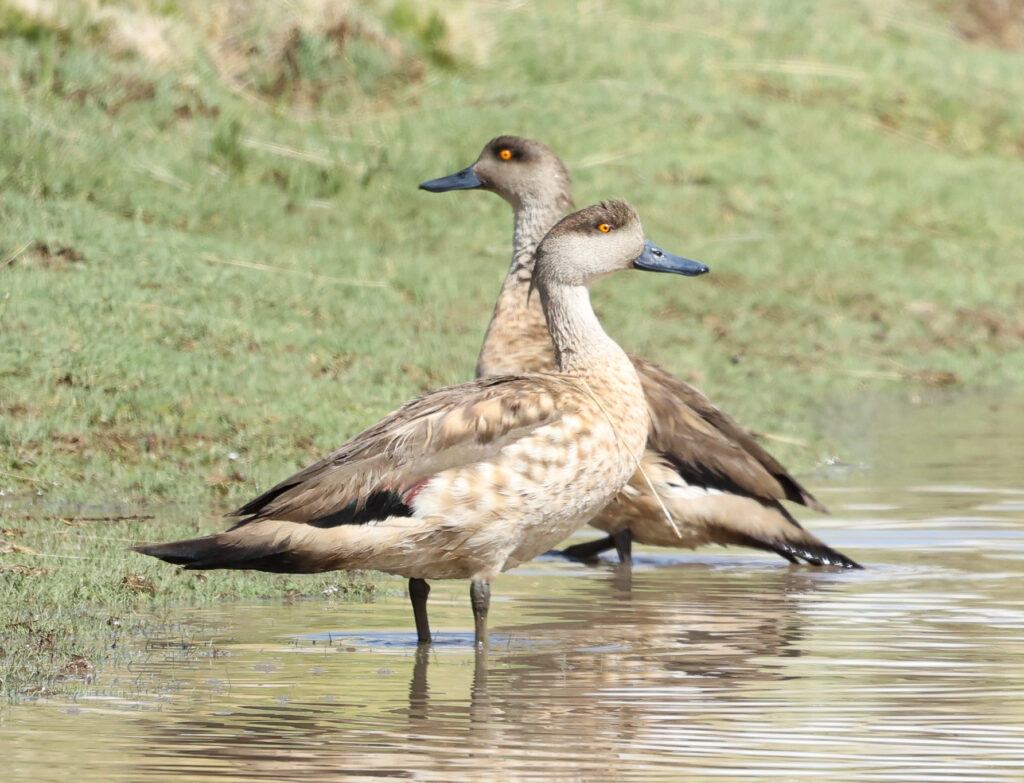
As per usual, we left Humahuaca before dawn and stopped at our first site for the day, Laguna de Huancar (-22.767498, -65.714743), at 7:30 am. On the way there, we enjoyed good views of Mountain Caracara and Aplomado Falcon. The habitat at Laguna de Huancar consisted mostly of semidesert scrub, rocky hills, dunes, and a small Andean wetland. The wetland delivered birds like Crested Duck, Puna Teal, Giant Coot, Andean Gull, Andean Flamingo, Plumbeous Rail, Puna Ibis, and Wren-like Rushbird, while an Andean Flicker hopped around on the rocky outcrop. We also saw Common Mountain Viscacha here.
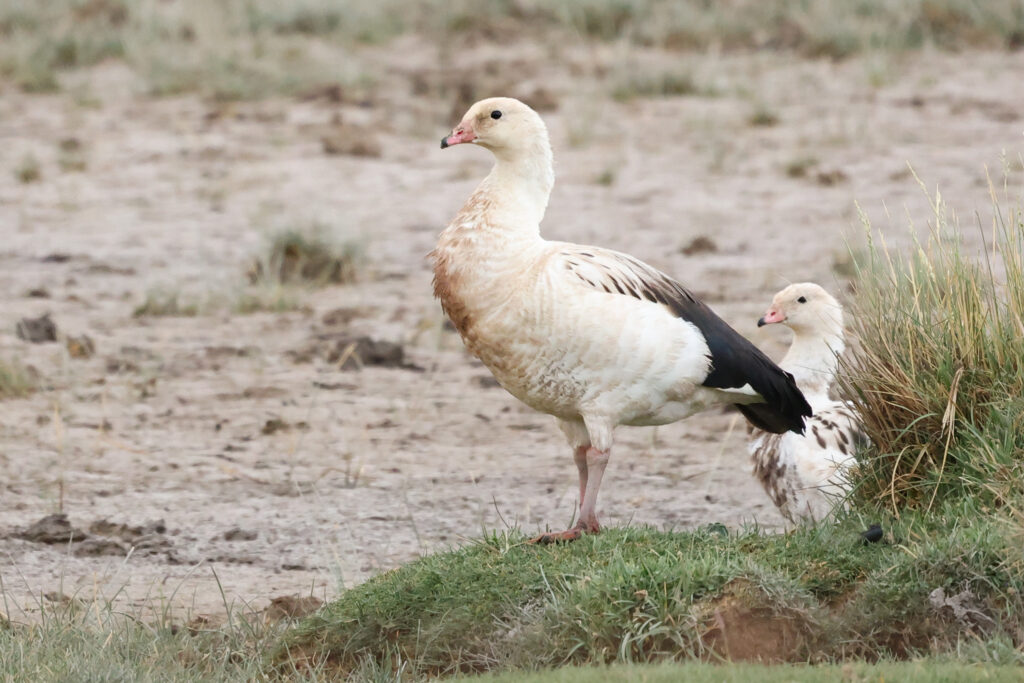
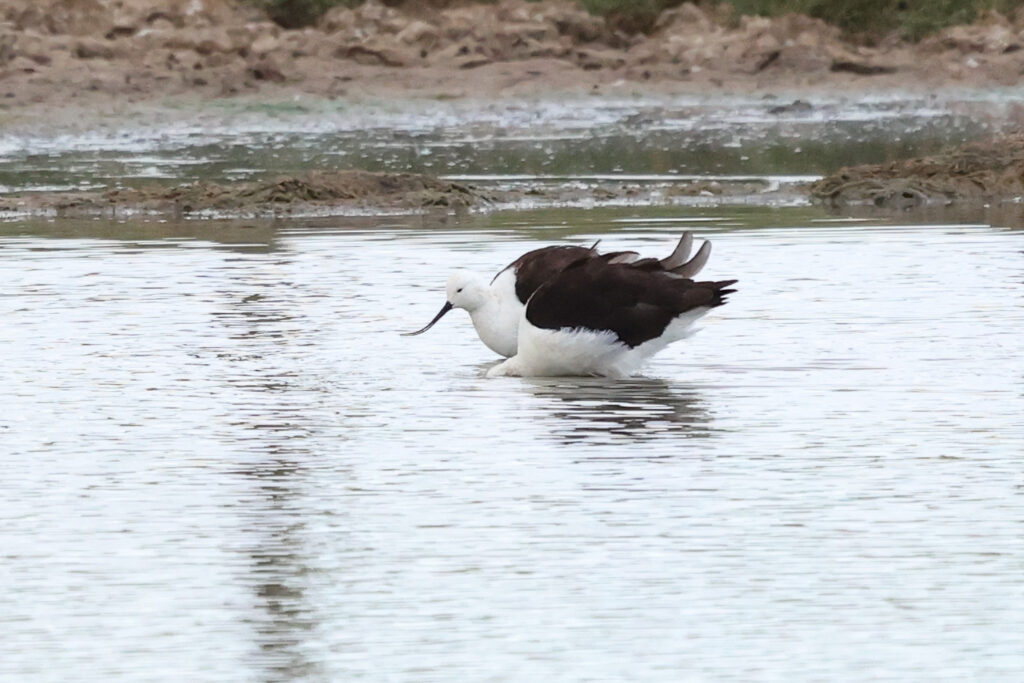
After passing through the small town of Abra Pampa, we stopped at Humedal del Rio Miraflores (-22.709337, -65.713365), a birdy wetland, on our way to Laguna de los Pozuelos. We enjoyed views of Andean Goose, Andean Avocet, Wilson’s Phalarope, Baird’s Sandpiper, and Andean and Chilean Flamingos. The Puna grasslands around the wetland produced Puna Miner, Puna Pipit, Andean Negrito, and a fly-by Cinereous Harrier.
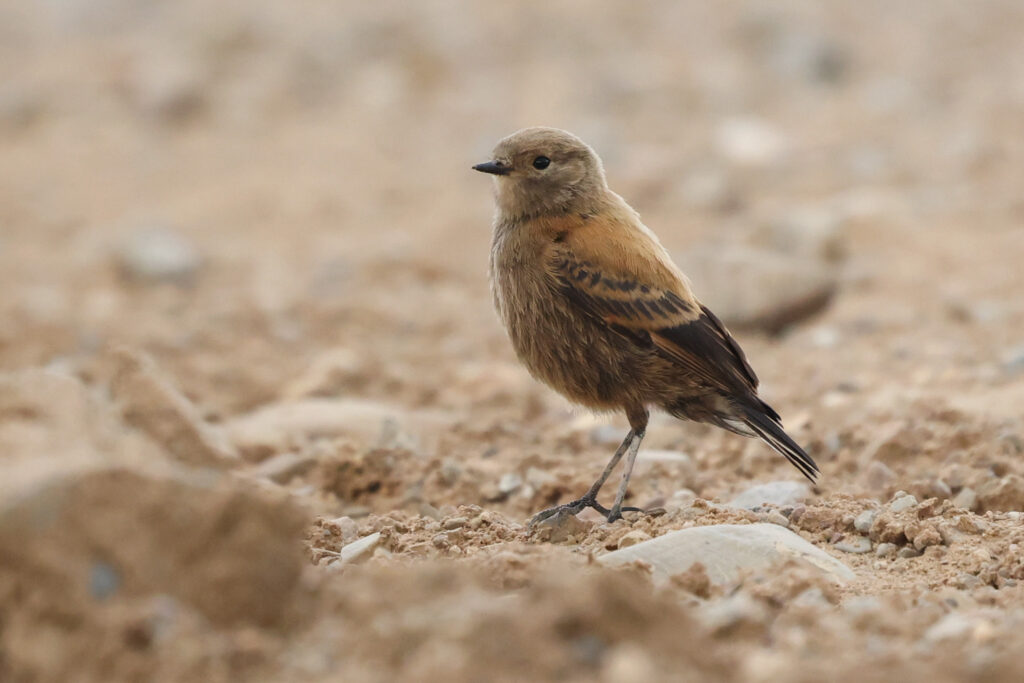
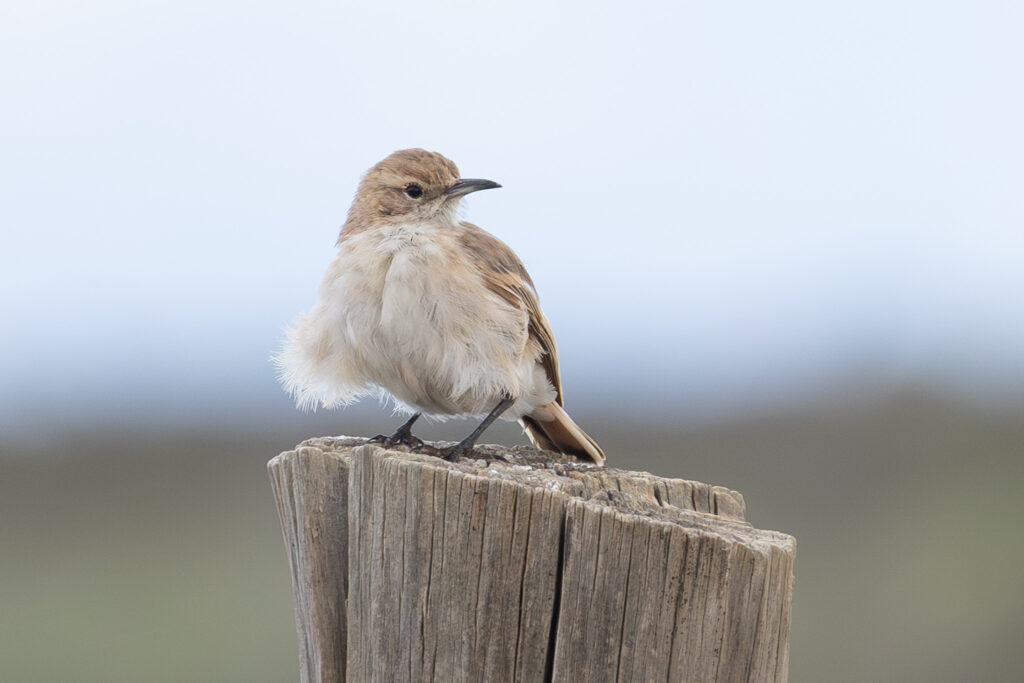
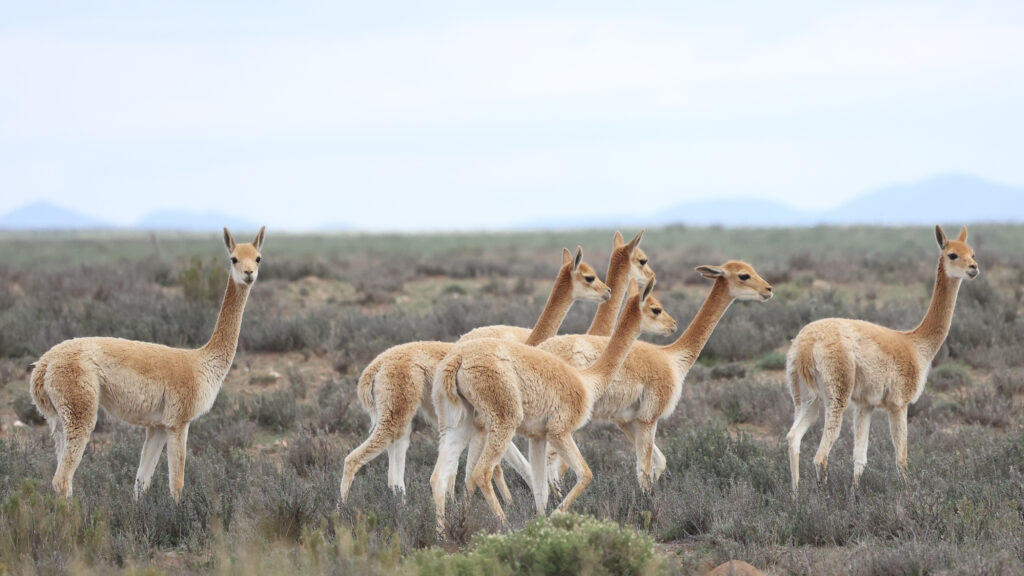
En route to Laguna de los Pozeulos, we saw Puna and Bright-rumped Yellow Finches on the roadside, along with Ash-breasted Sierra Finch, Rufous-banded Miner and Variable Hawk. It was also great to see herds of Vicuñas in this area.
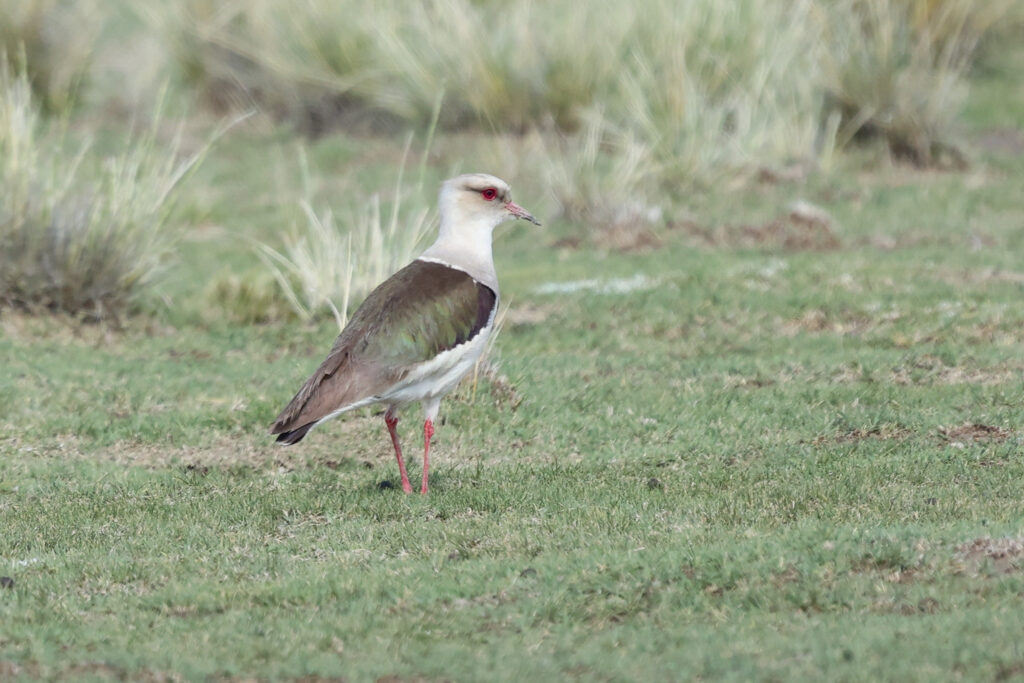
Upon arrival at Laguna de los Pozeulos (enter here: -22.473158, -65.996357), a large saline lake at over 3,600 meters above sea level, we kicked off the list with Andean Lapwings, and several Puna Miners as we drove towards the shoreline. The lake itself (we birded mostly around -22.404310, -66.004166) yielded large numbers of Andean Geese, Puna and Yellow-billed Teals, White-cheeked and Yellow-billed Pintails, Crested Duck, and Andean Coot.

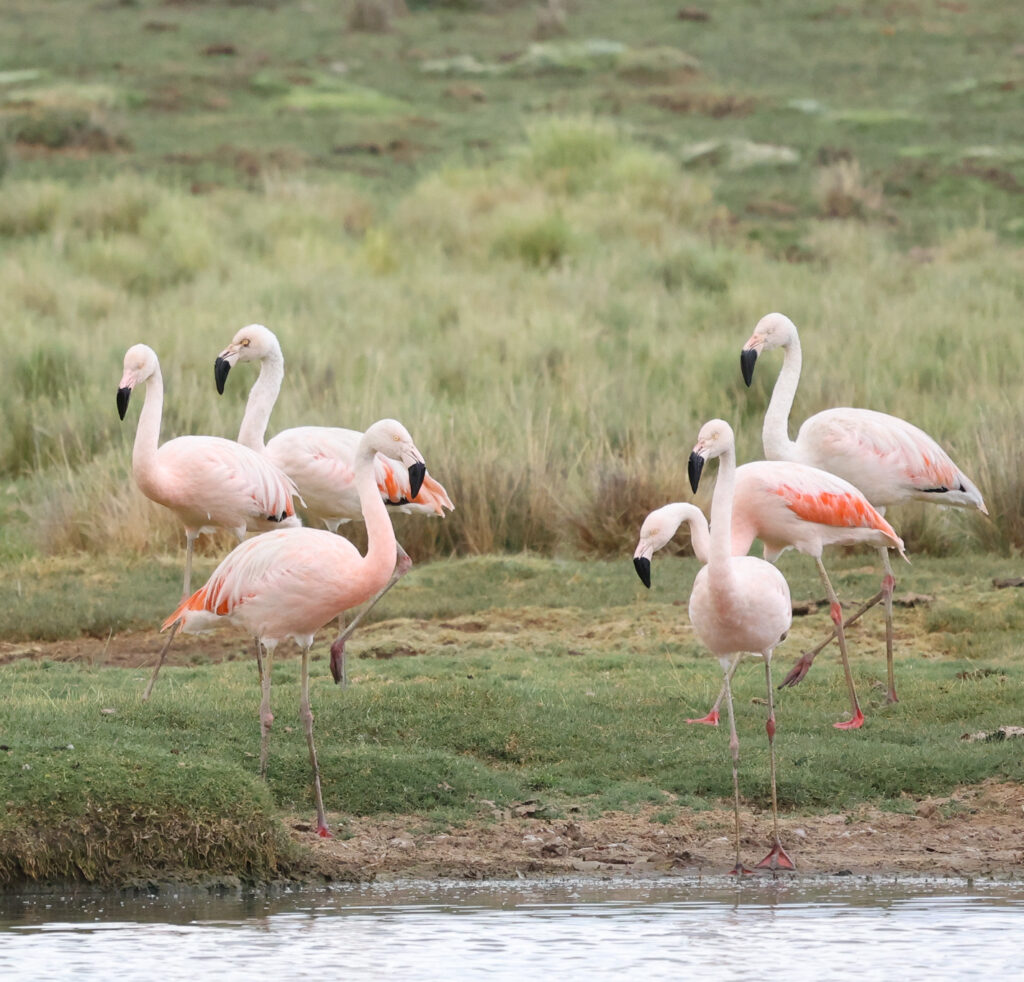
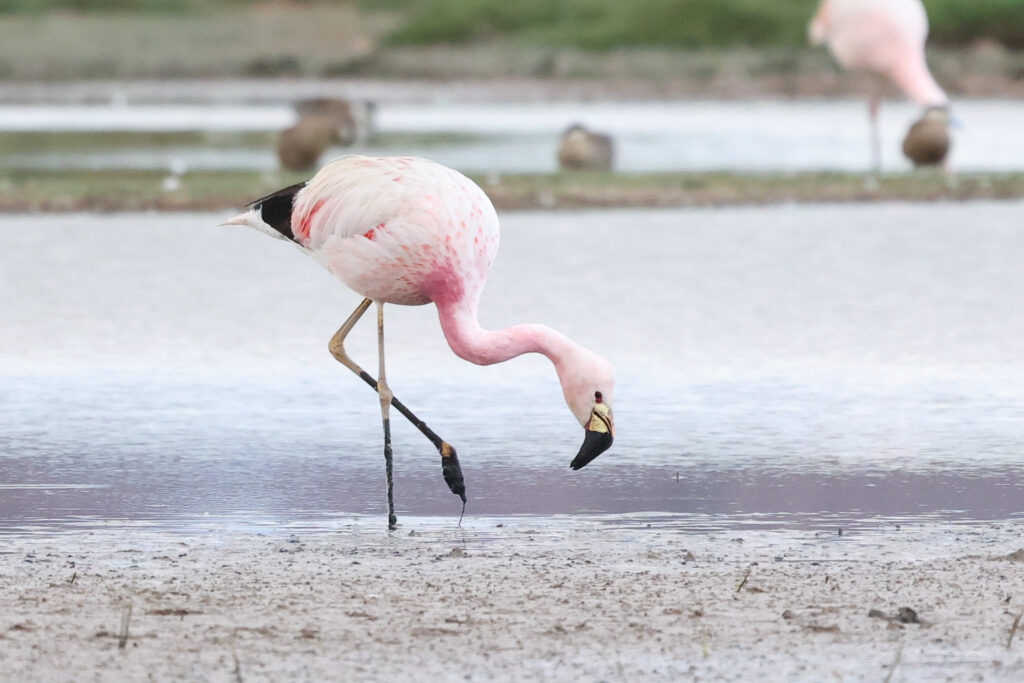
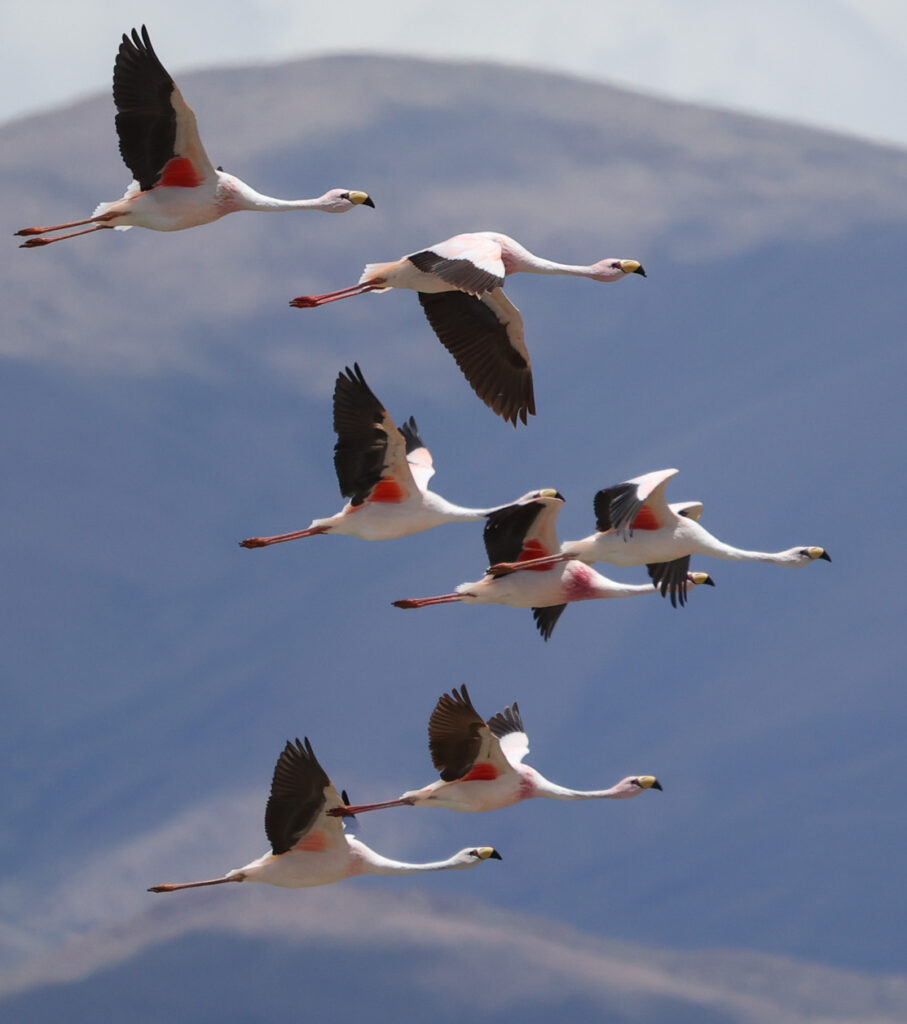
Along the shoreline, we connected with Puna Plover and good numbers of Wilson’s Phalaropes and Baird’s Sandpipers. The highlight, however, was the incredible number of flamingos. We saw thousands of Chilean and Andean Flamingos, along with our main target, the localised James’s Flamingo.
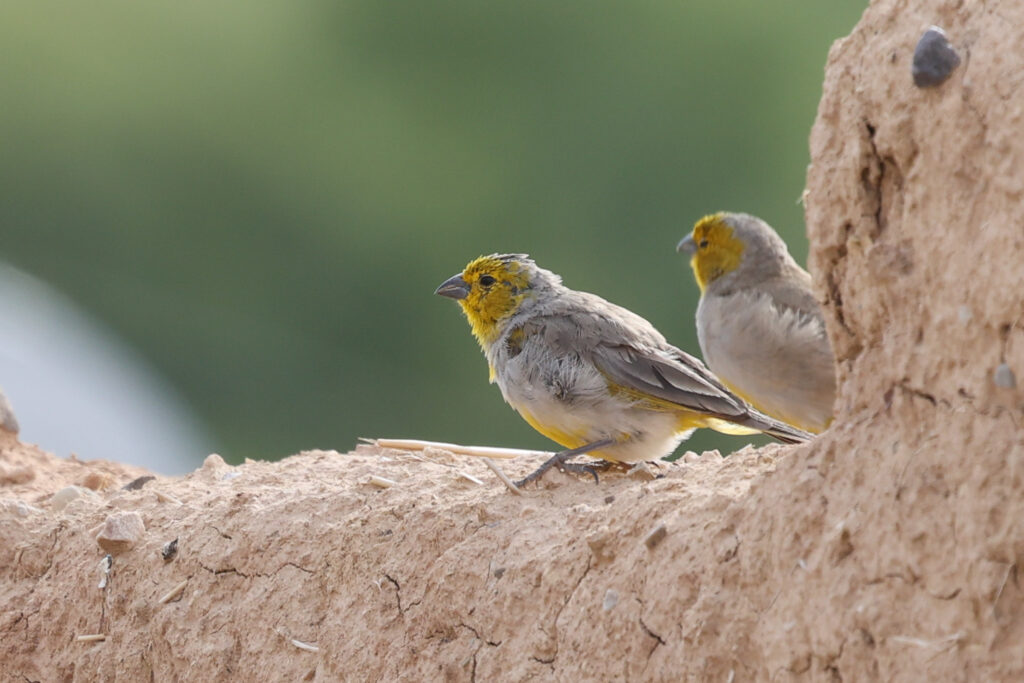
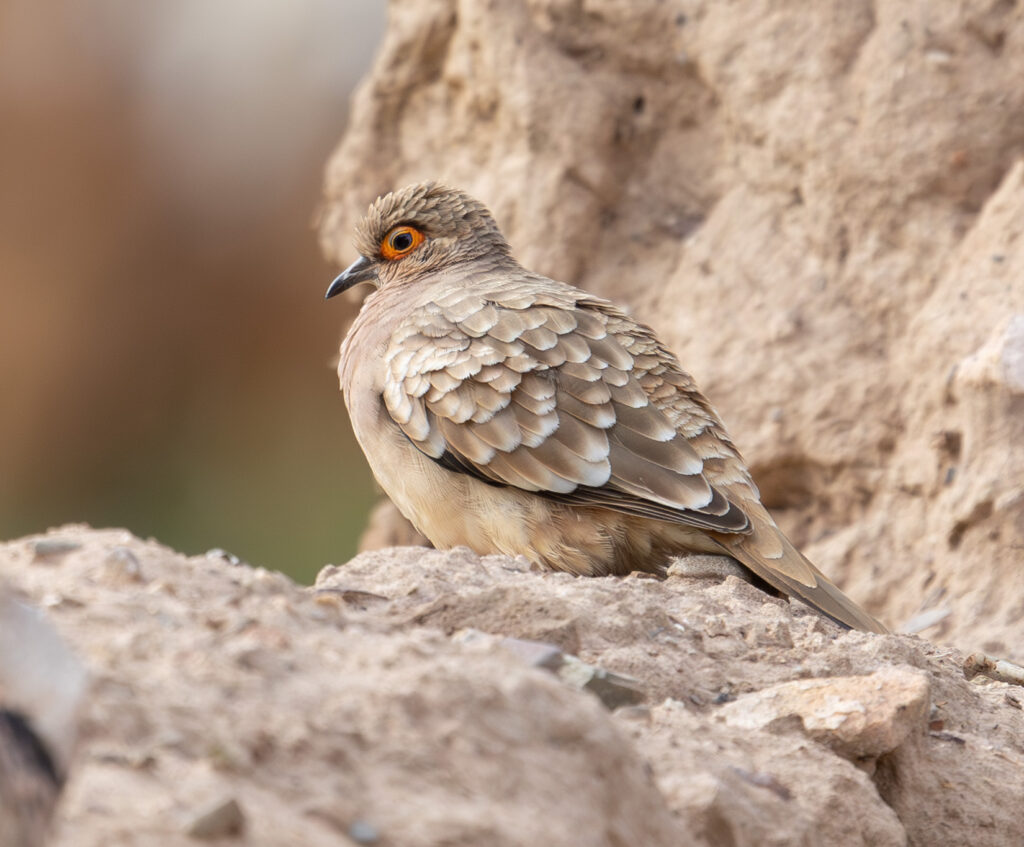
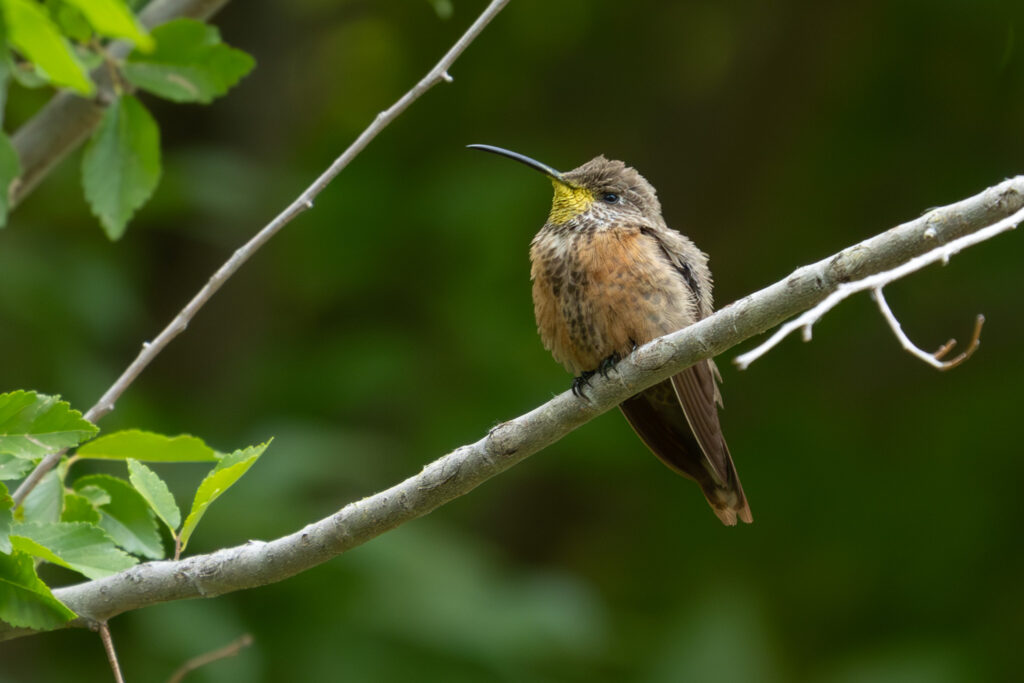
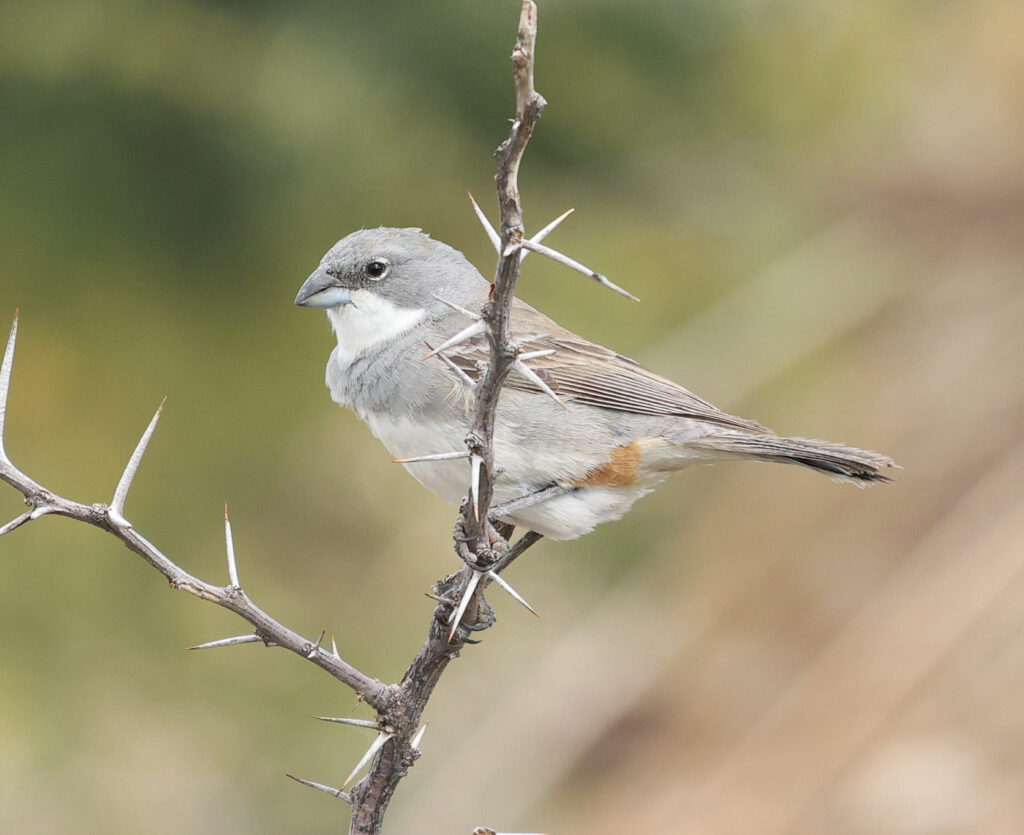
We then drove north towards the border with Bolivia and dropped our bags at our lovely accommodation in Yavi (we stayed at Posada Tika). While unpacking the car, we had a small flock of Citron-headed Yellow Finches hopping around in the car park. This highly range-restricted bird is essentially endemic to Bolivia, with its range extending only slightly into this part of Argentina. A quick walk down to the church (-22.131135, -65.463189) produced Bare-faced Ground Dove, and another very localised bird, Wedge-tailed Hillstar, feeding alongside a Red-tailed Comet in the church gardens. Other species seen on our walk included D’Orbigny’s Chat-Tyrant, Brown-backed Mockingbird, Mourning Sierra Finch, Diuca Finch, and Greenish Yellow Finch. We had dinner at a lovely restaurant in town, watching more Citron-headed Yellow Finches preparing to roost.
Day 15. 21 January 2024. Yavi birding
Our plan today was to bird Abra de Lizoite (-22.218476, -65.226459), a pass that rises to over 4,500 meters above sea level. This was the highest point of our Northwest Argentina birding trip, and the air was noticeably thinner up here. We left Yavi before dawn and enjoyed a spectacular sunrise on our way up the pass. On our way up, we heard Andean and Ornate Tinamous, and we saw Rufous-banded Miner, Bright-rumped Yellow Finch, Buff-breasted Earthcreeper, Cream-winged Cinclodes, and Andean Flicker.
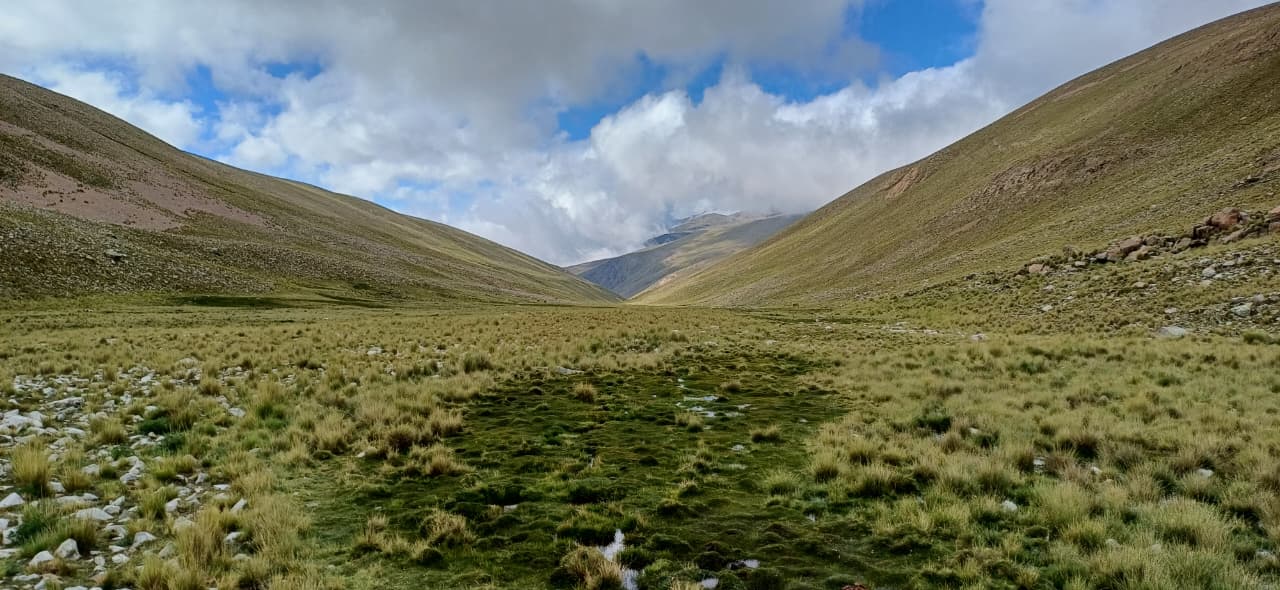
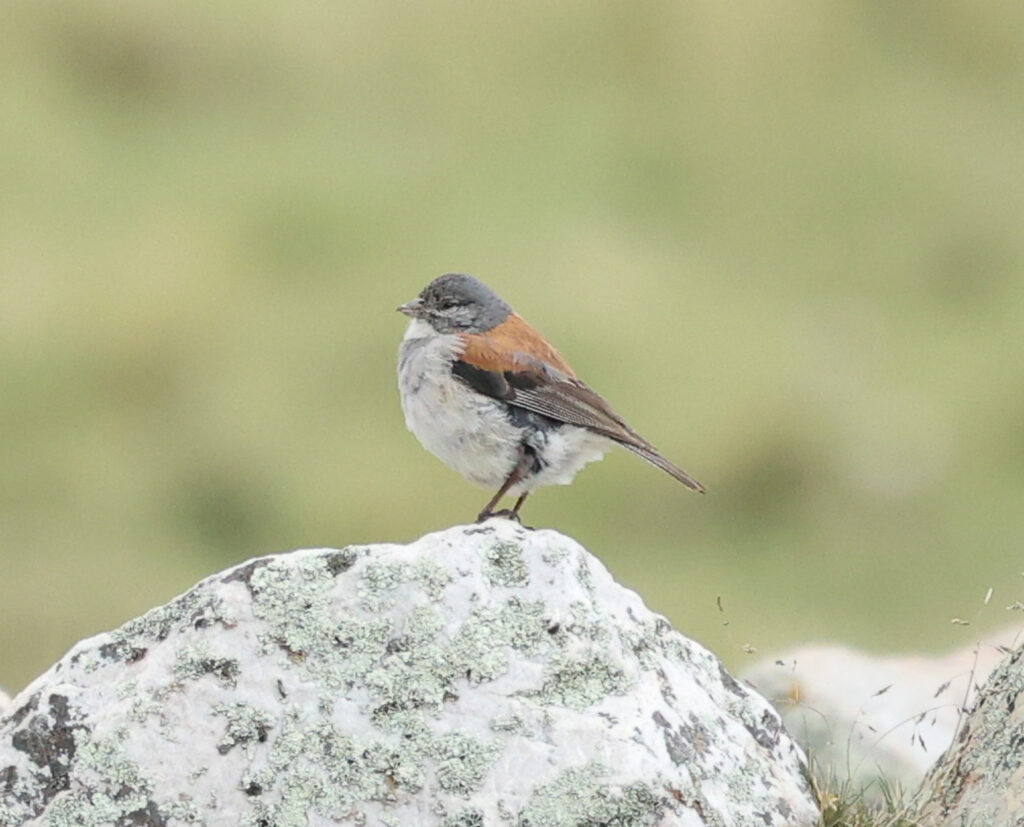
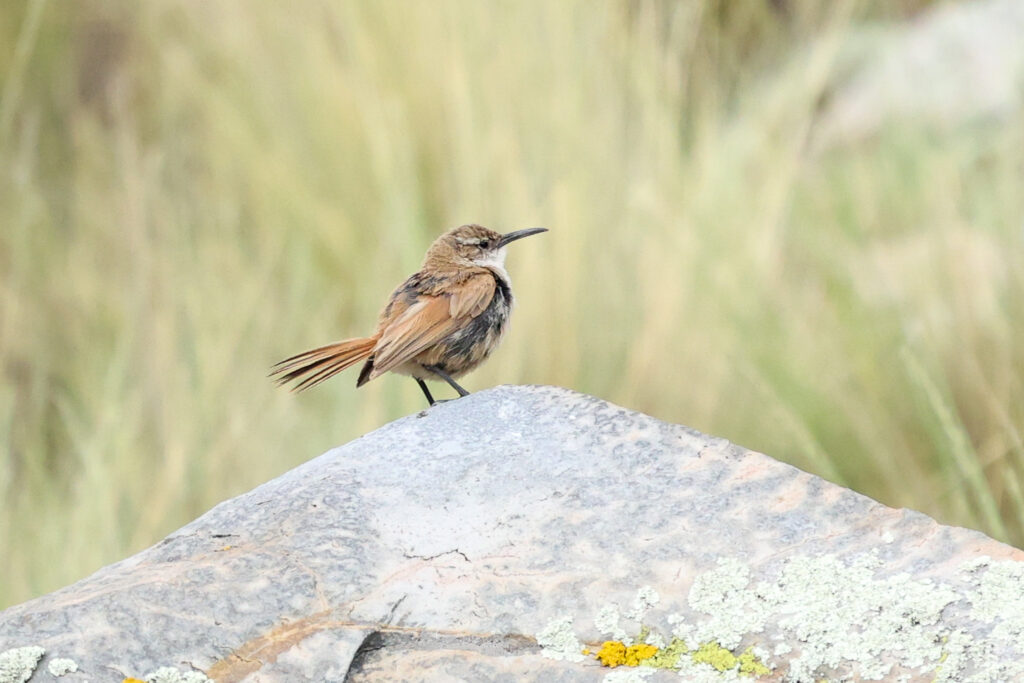
We birded a high Andean bog (-22.202363, -65.211120) where we searched to no avail for Diademed Sandpiper-Plover, but still managed to find the localised Red-backed Sierra Finch, Straight-billed Earthcreeper, Grey-breasted Seedsnipe, Cordilleran Canastero, Puna and Cinerous Ground Tyrants, and Plumbeous Sierra Finch. Andean Condors were common in this area, and we had our best views of the trip near the summit of Abra de Lizoite on our way back to Yavi.
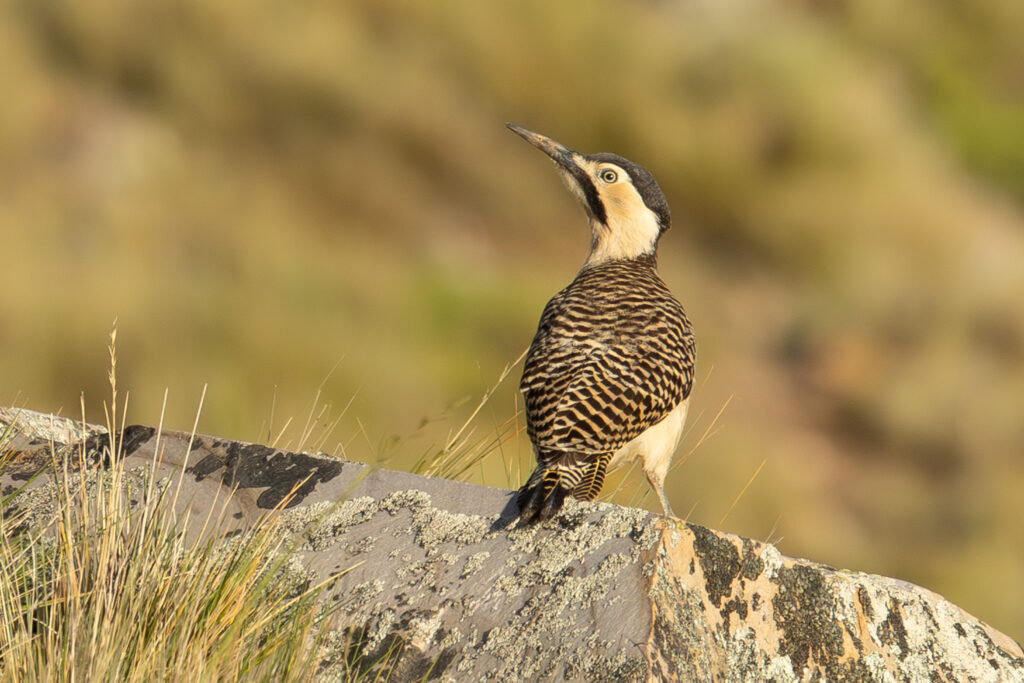
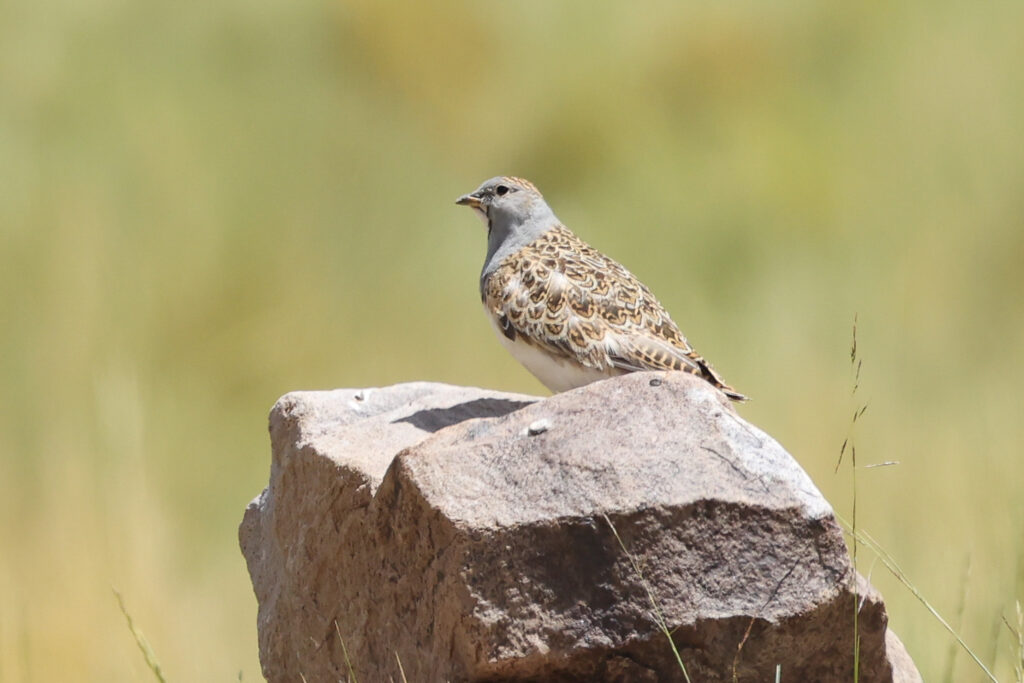
In the afternoon, we conducted some exploratory birding around Yavi, which yielded many of the same species as yesterday. Tomorrow, we would begin the long drive back to Cordoba, where our Northwest Argentina birding trip would come to an end (Part 5). However, little did we know that we still had several excellent birds waiting for us, including our completely unexpected “bird of the trip”.