Far on the western horizon, an imposing wall of mountains rose from the dry and desolate plains. I was in a state of awe; as we slowly made our way closer, what looked like clouds morphed into snow-capped peaks. Before us lay the Andes, the longest mountain range in the world, stretching from Venezuela over 7,000 km, all the way down the spine of South America before splintering into fjords and islands in the icy waters of the Southern Ocean. Birding Patagonia had always been a dream for me, and I was about to get my first taste of this incredible part of the world!
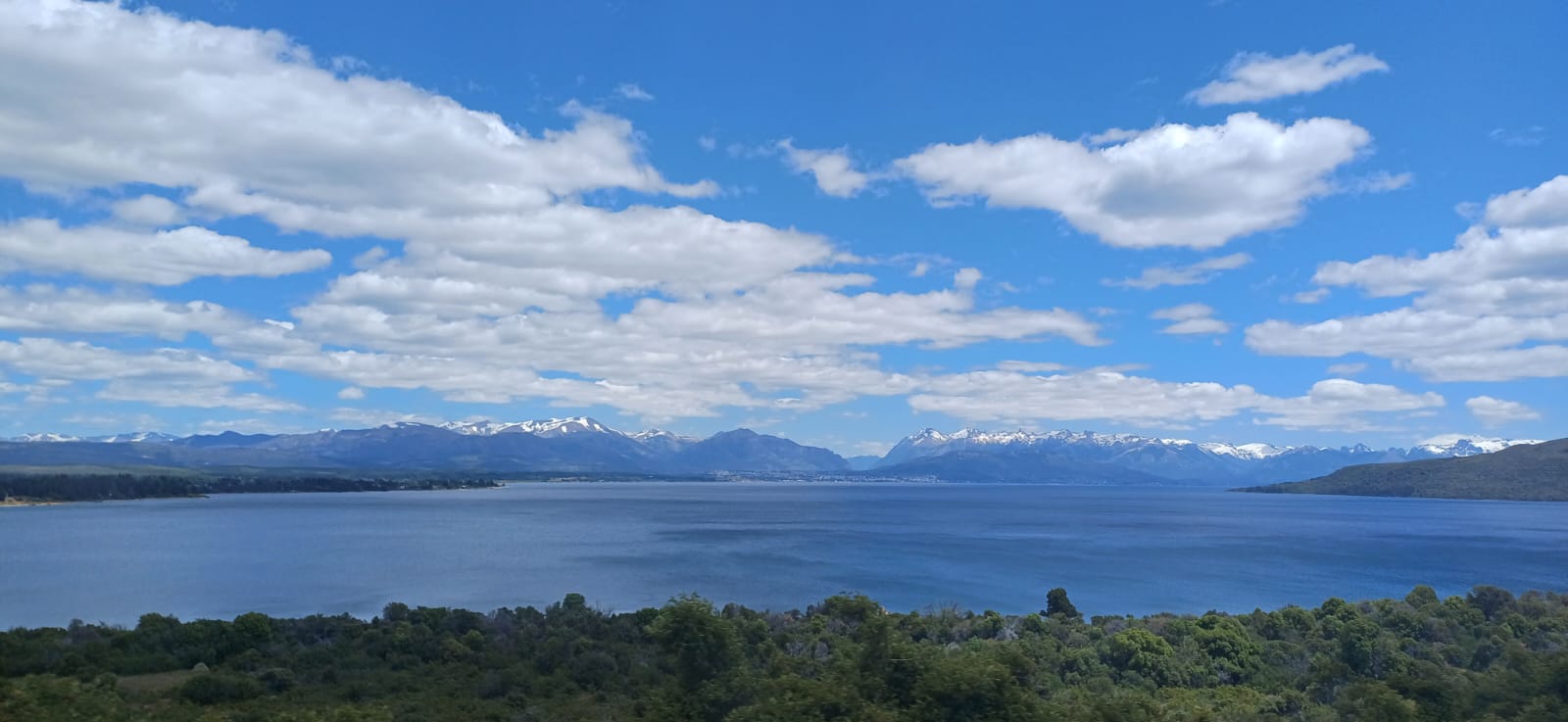
I now found myself closer to the southern end of the Andes, in Patagonia – a region governed by Chile and Argentina. After travelling for nearly two full days from the agricultural heart of Argentina in Santa Fe, we were finally approaching our destination, San Carlos de Bariloche, a touristy town known for its famous Swiss-style architecture. Everywhere we looked, we were greeted with postcard picture vistas of snow-capped peaks, crystal-clear melt-water lakes, rocky beaches, and vividly coloured wildflowers. Our AirBnB was right on the shore of the massive Nahuel Huapi Lake and a short drive from the charming town square.
There was, of course, business to attend to, and after dumping my bags, I picked up my binoculars and camera and set off along the lake shore. Immediately, I picked up my first lifer, the cute Plain-mantled Tit-Spinetail. I had never birded the Andes nor Patagonia, and as such, many of the common species were new for me. Black-chinned Siskins flitted about on the lawns, and other-worldly trumpeting calls revealed the presence of a pair of Black-faced Ibises. Other non-lifers included the diminutive Tufted Tit-Tyrant, a showy Diuca Finch, and the ever-present Southern House Wren.
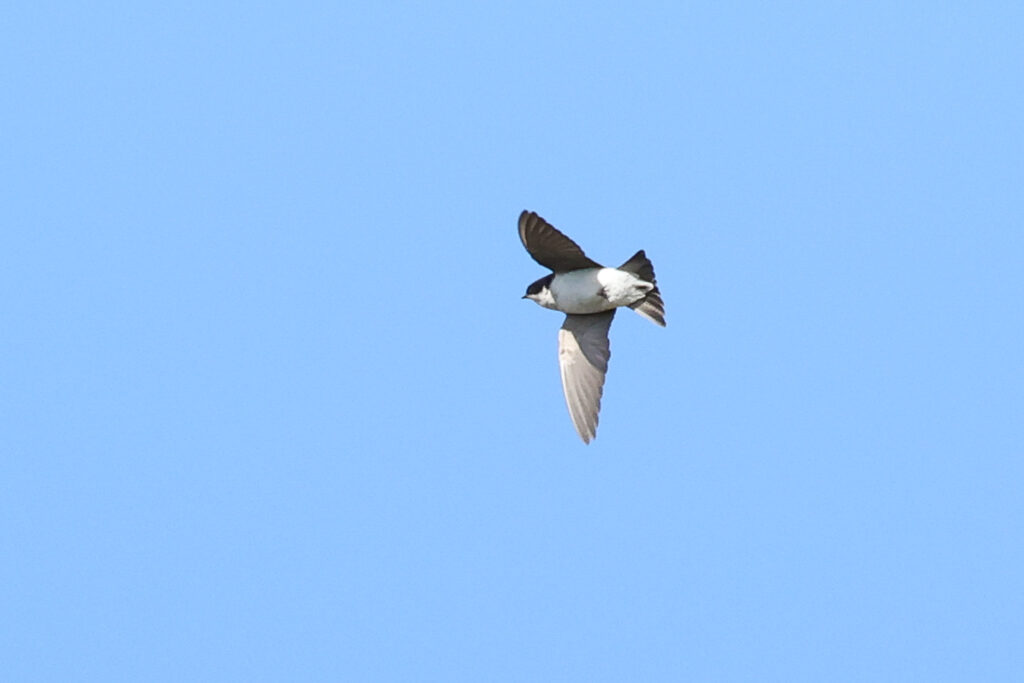
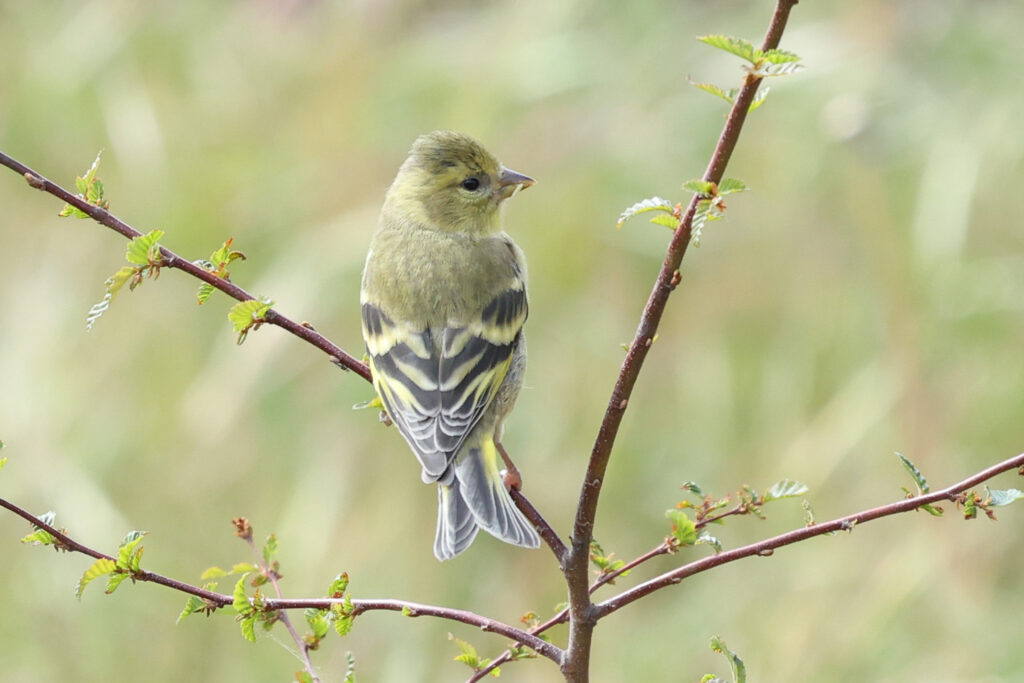
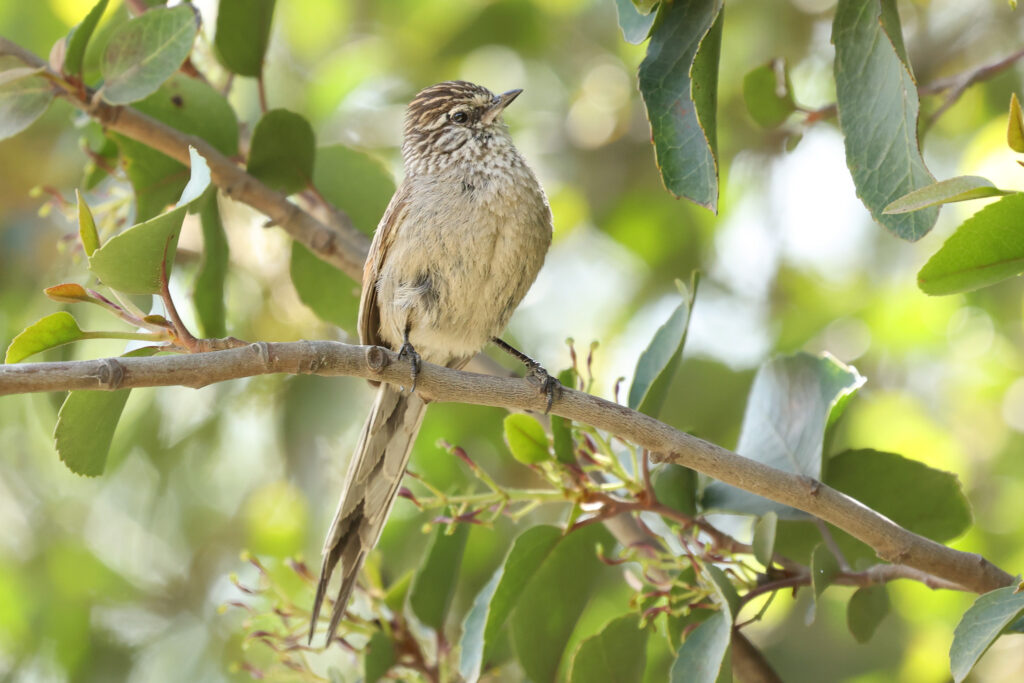
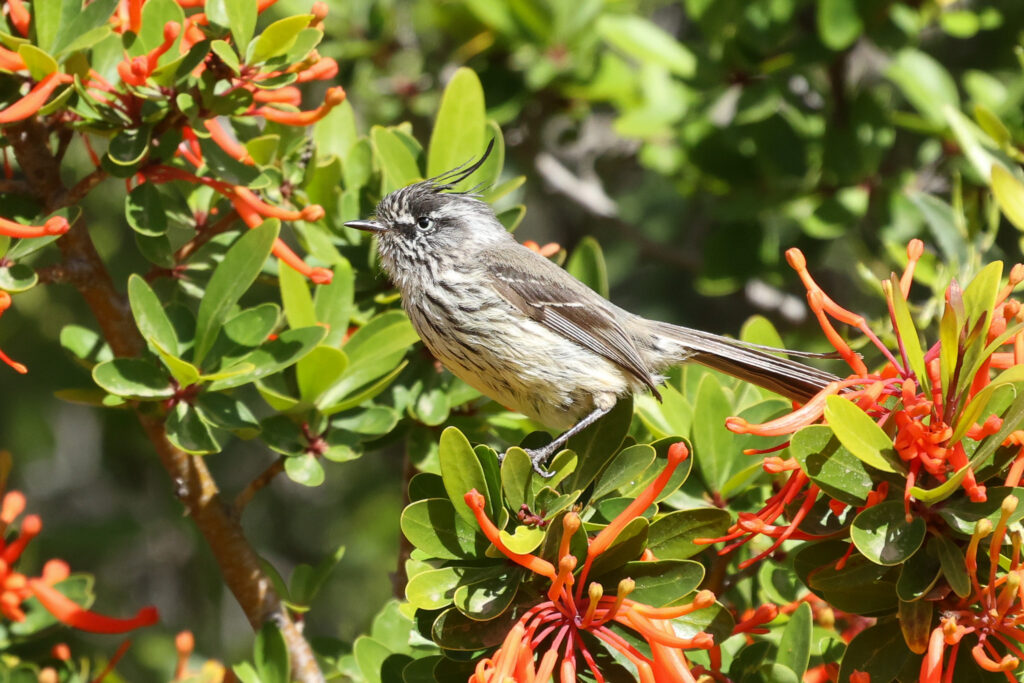
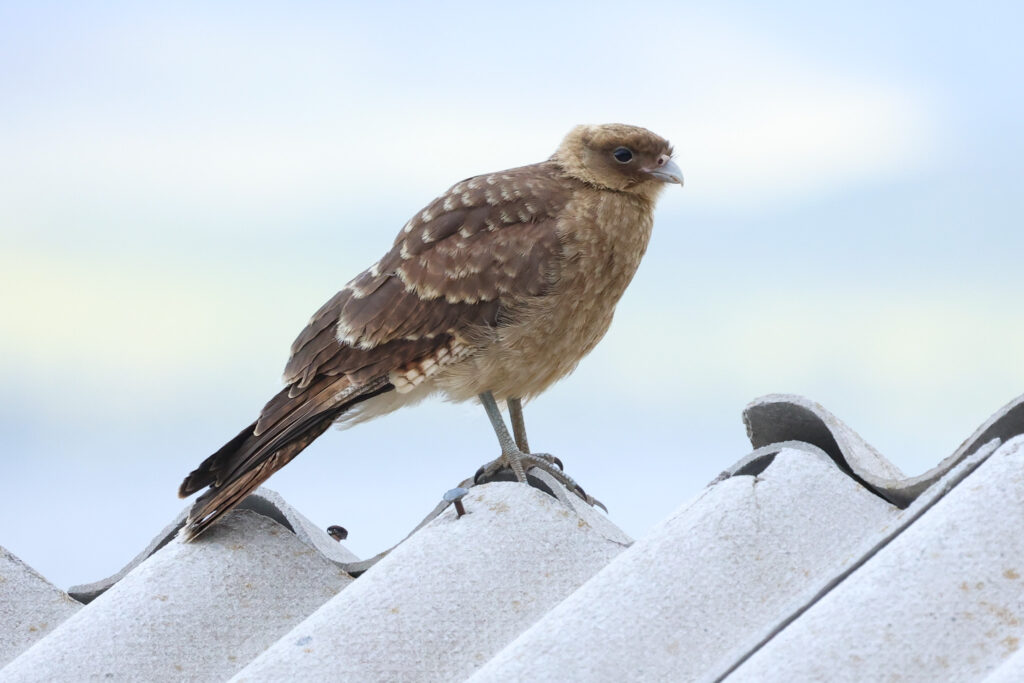
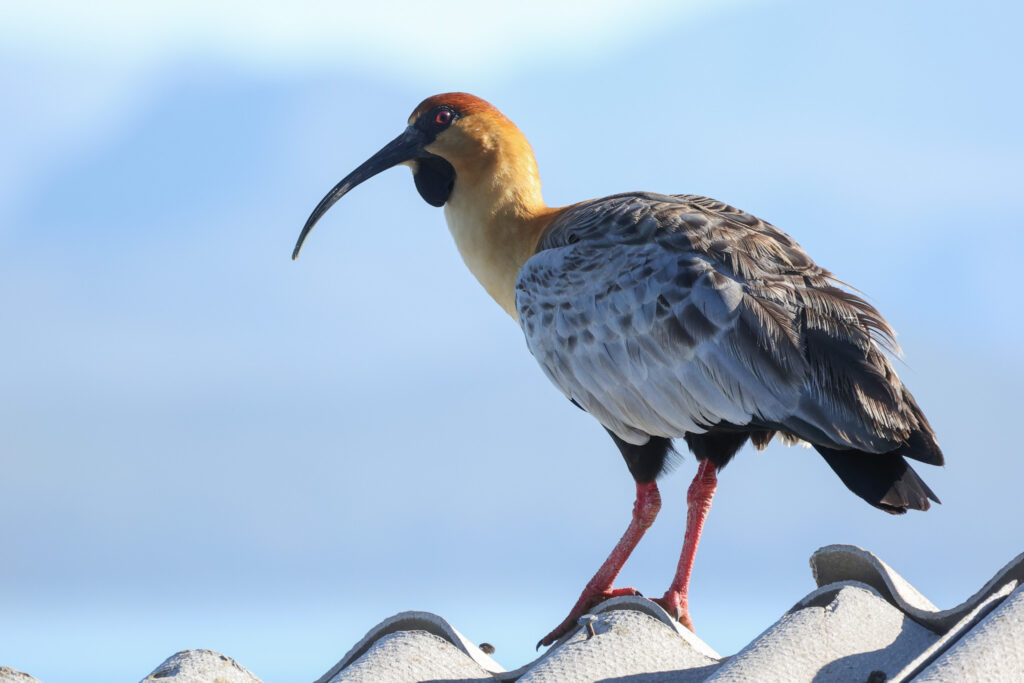
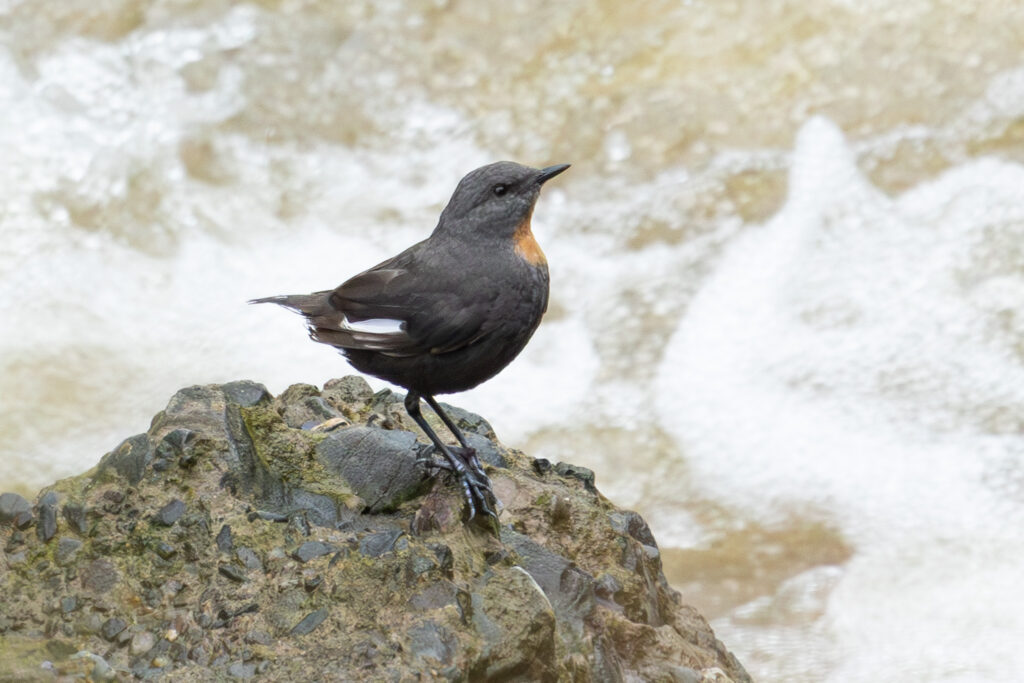
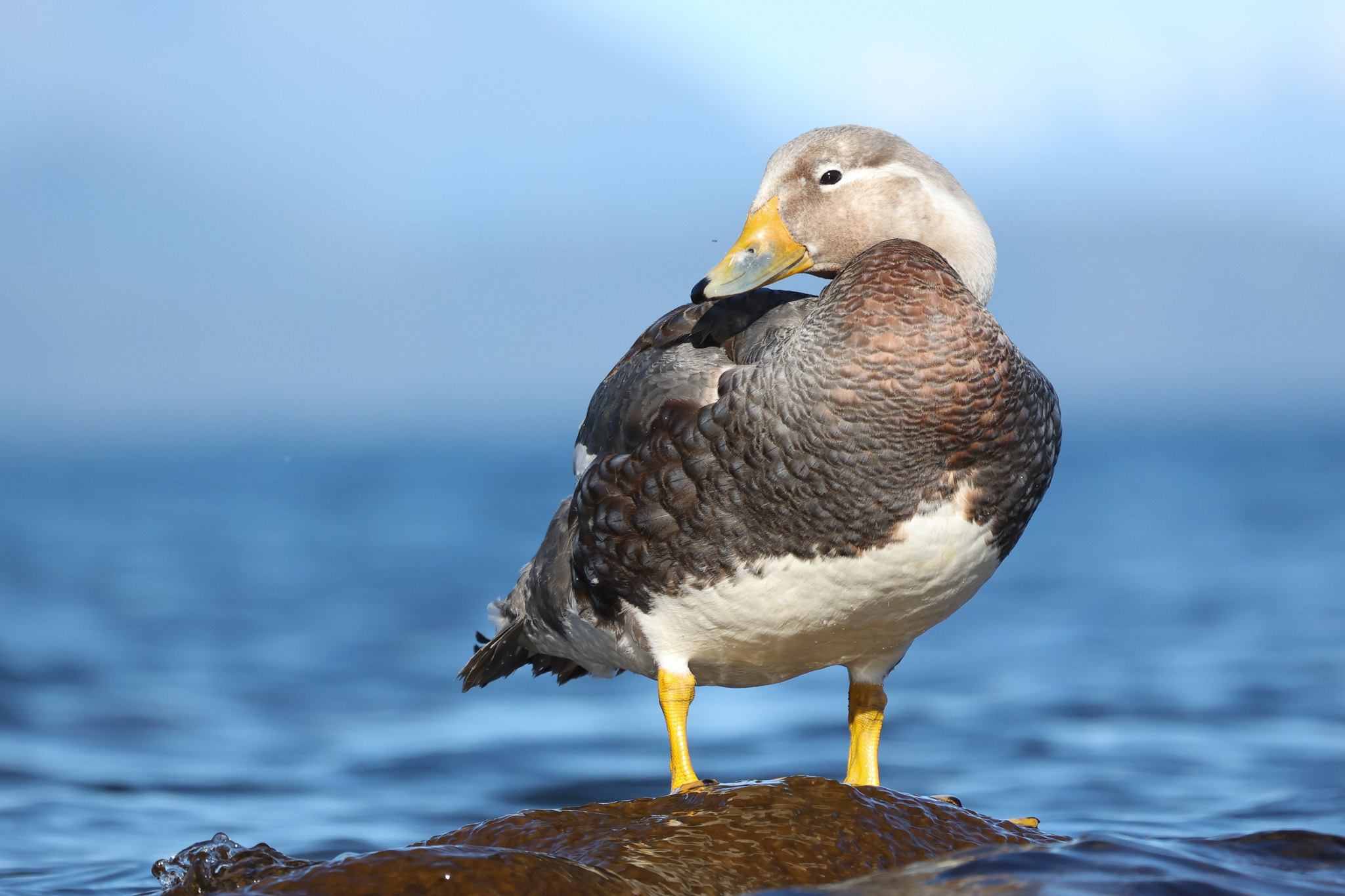
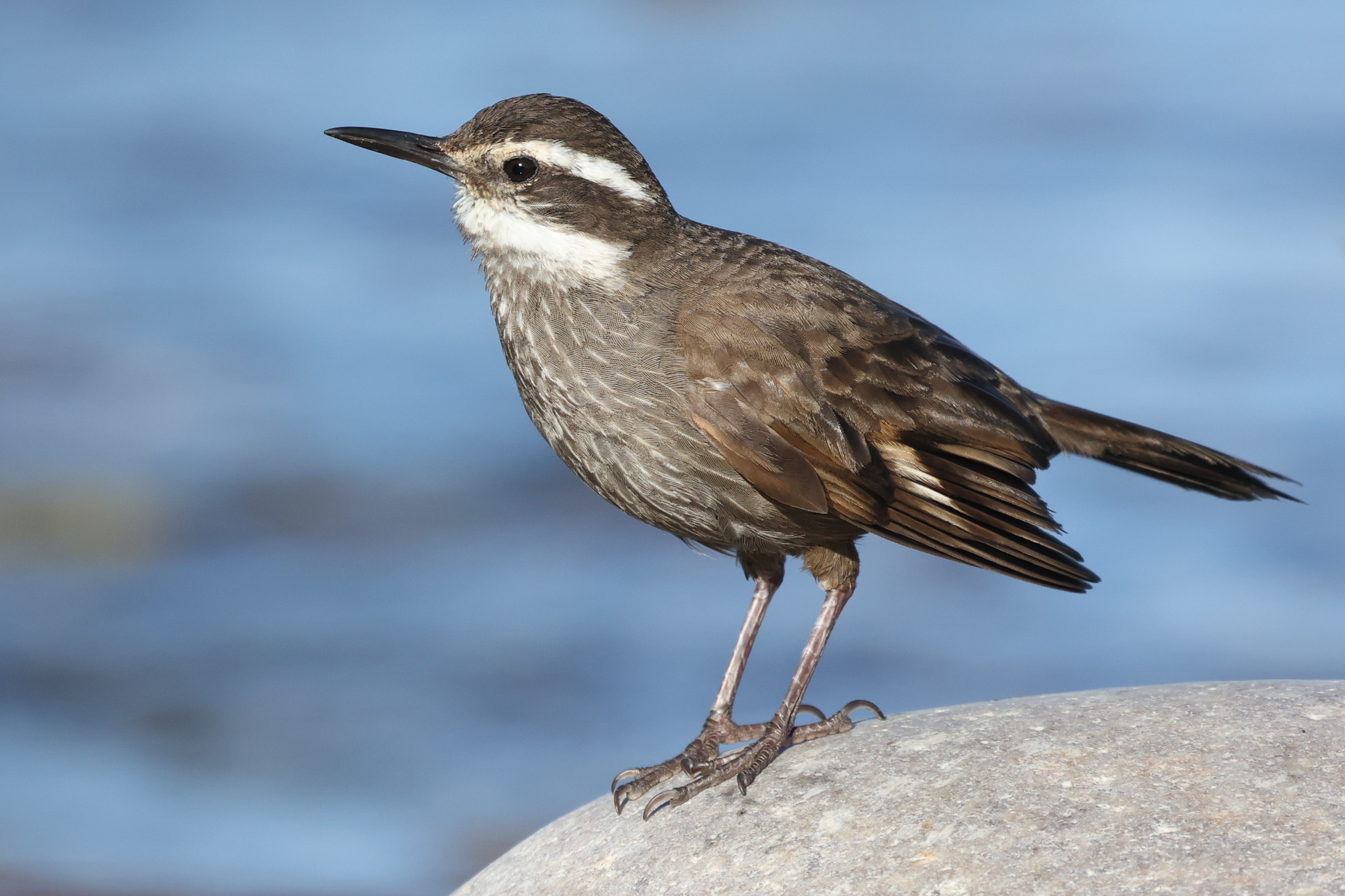
The sun was already low, and we settled in for an early night with the prospect of exciting birding the next day. I was up before dawn and watched the sunrise from the lake shore. Patagonia has some fantastic waterfowl species, and whilst enjoying my morning coffee, I spotted three Flying Steamer Ducks – what a bird! There are four Steamer Ducks in the world, all restricted to Patagonia. Great Grebes were also in evidence on the lake, whilst Dark-bellied Cinclodes patrolled the shoreline.
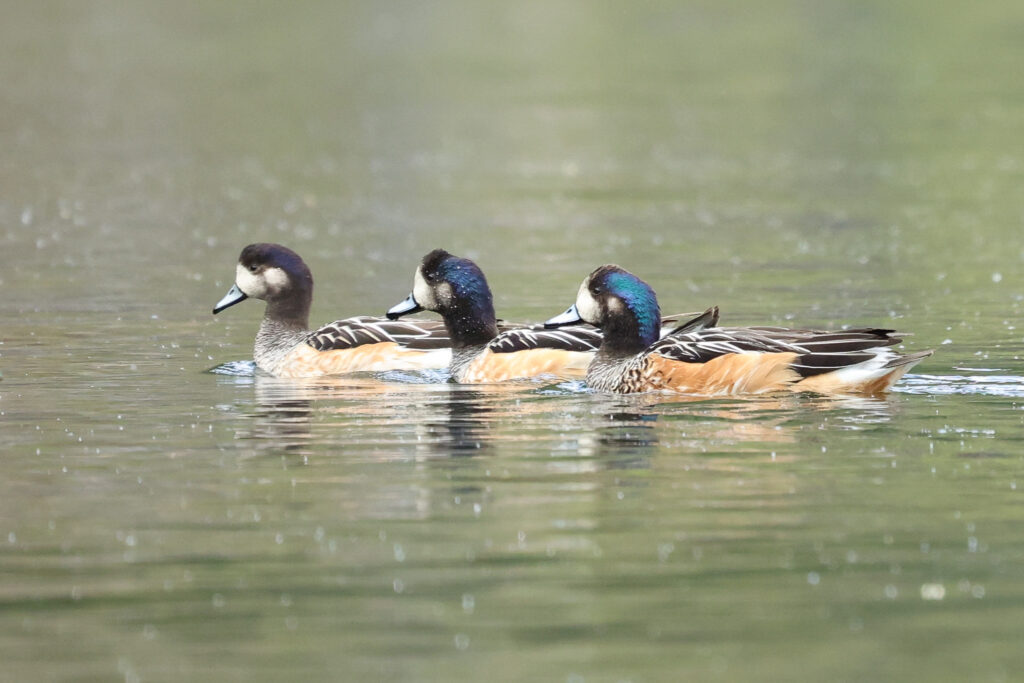
We set off south today, towards Lago Pueblo, a small town in the neighbouring Chubut Province. En route, a massive black bird with a vast wingspan cruised over the car – an Andean Condor. Rufous-tailed Plantcutters, the southernmost representative of the Cotinga family, were relatively common at roadside pull-ins, as were Austral Thrushes. Lago Pueblo delivered yet another waterfowl lifer in the form of a flock of Chiloe Wigeons; these attractive ducks are migratory and trade the hostile Patagonian winters for warmer weather in the Argentine Pampa. Chucao Tapaculos were highly vocal and yet proved to possess arcane skulking abilities, not offering me even a glimpse. I also dipped out on Magellanic Woodpecker in the forests surrounding the lake, a bird I was extremely keen to lay eyes on. I would have other opportunities for it, but it seemed like a bad start to the scorecard.
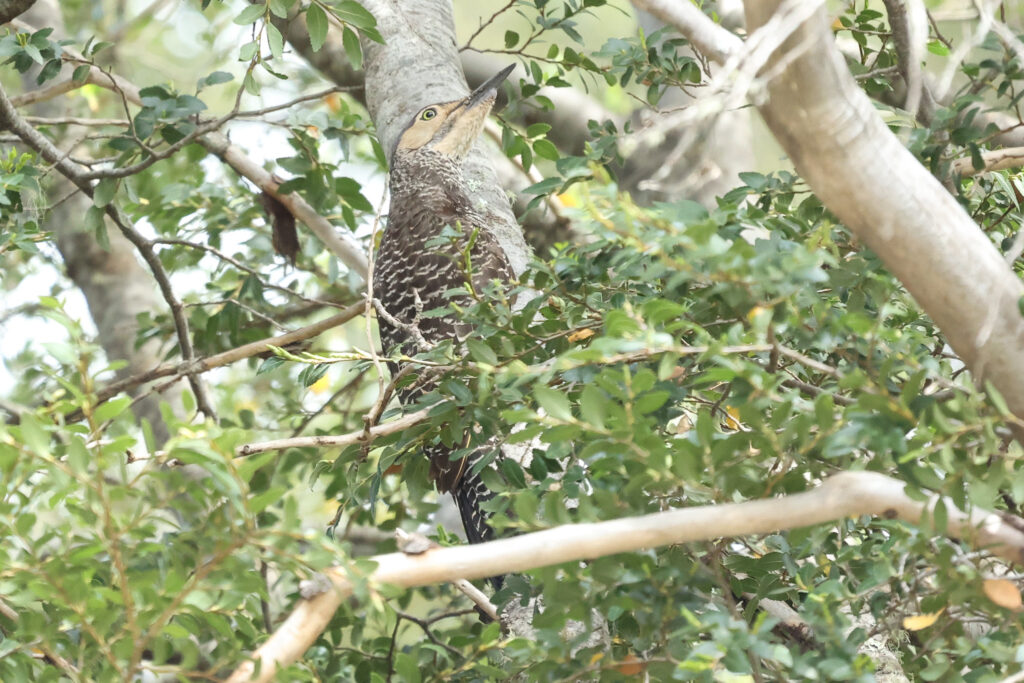
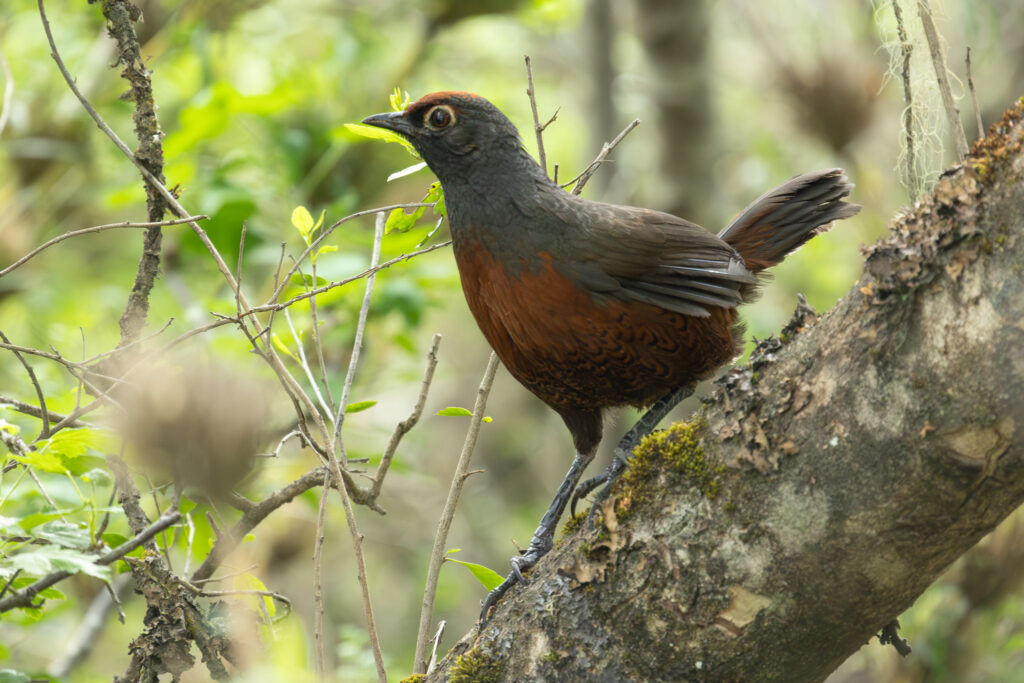
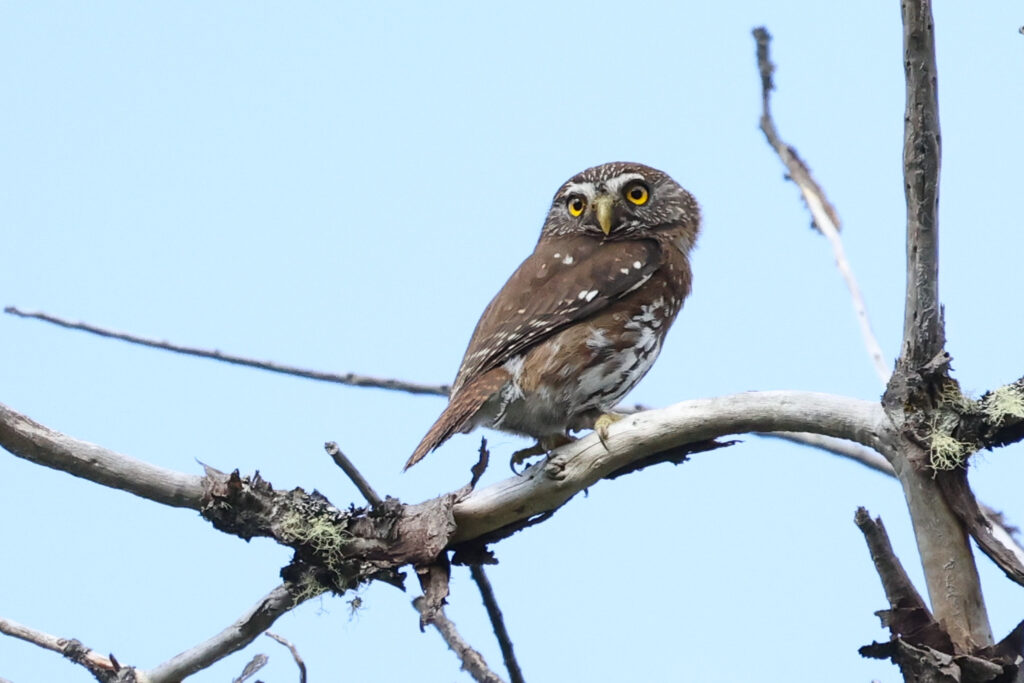
We then ventured into pristine austral temperate forests dominated by towering beech and cypress trees, some as old as 3,600 years! The birding was spectacular, and I added the large Chilean Flicker, a flock of Austral Parakeets, an adorable Austral Pygmy Owl, and the only hummingbird here, the relatively drab Green-backed Firecrown (needless to say, the crown was concealed). The highlights, however, were the two tapaculos, the tiny Magellanic Tapaculo and the bulky Black-throated Huet-Huet. Both birds showed absurdly well, yet I still couldn’t coax out a Chucao Tapaculo despite hearing them more than any other bird.
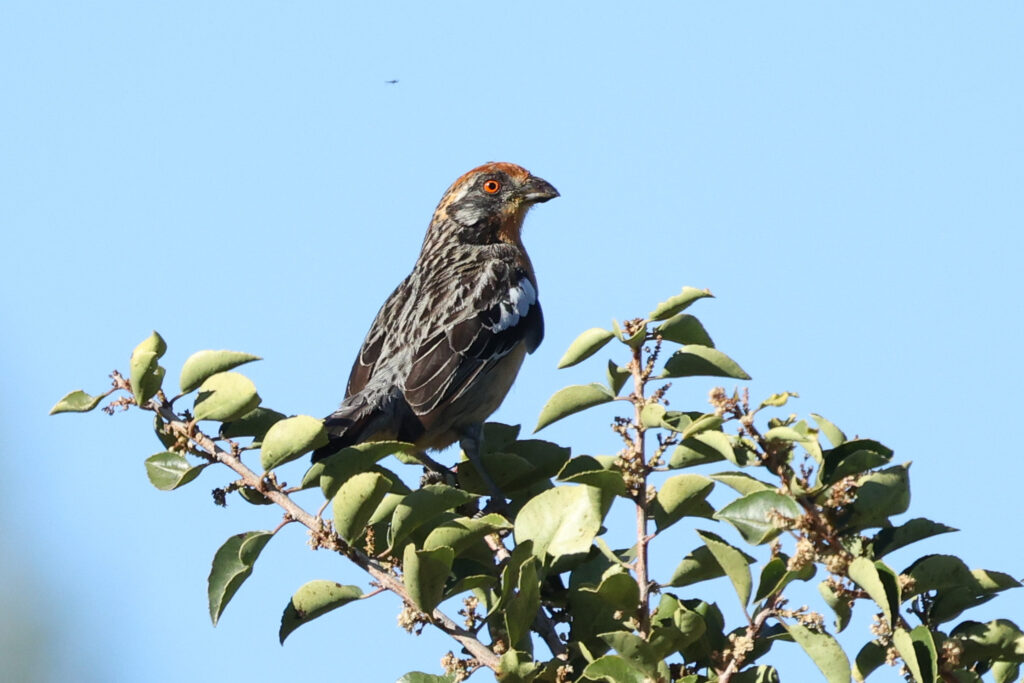
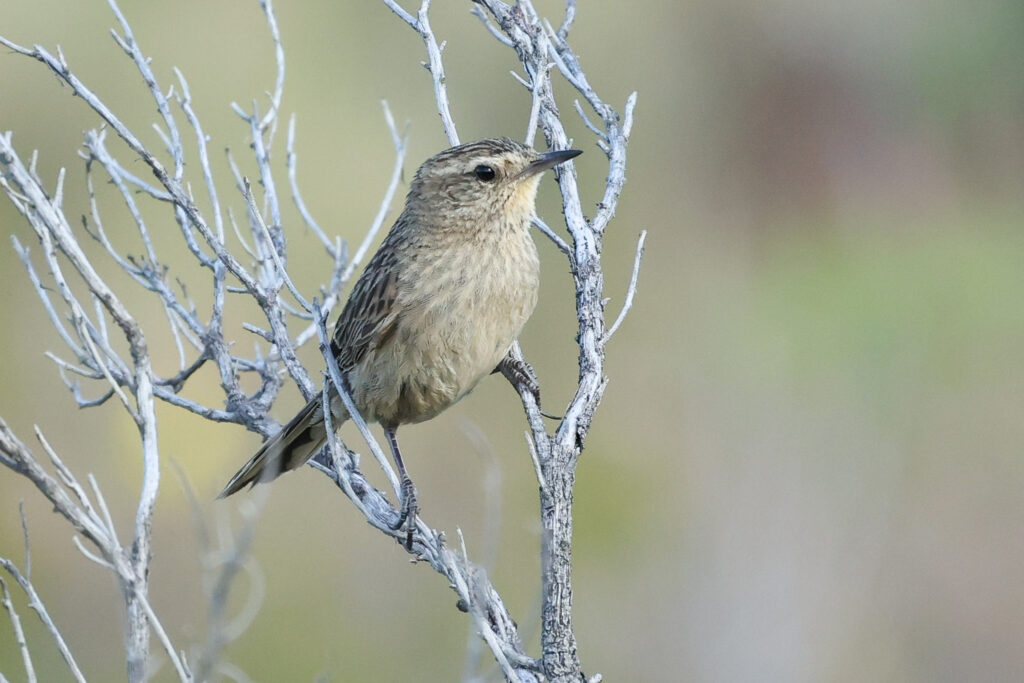
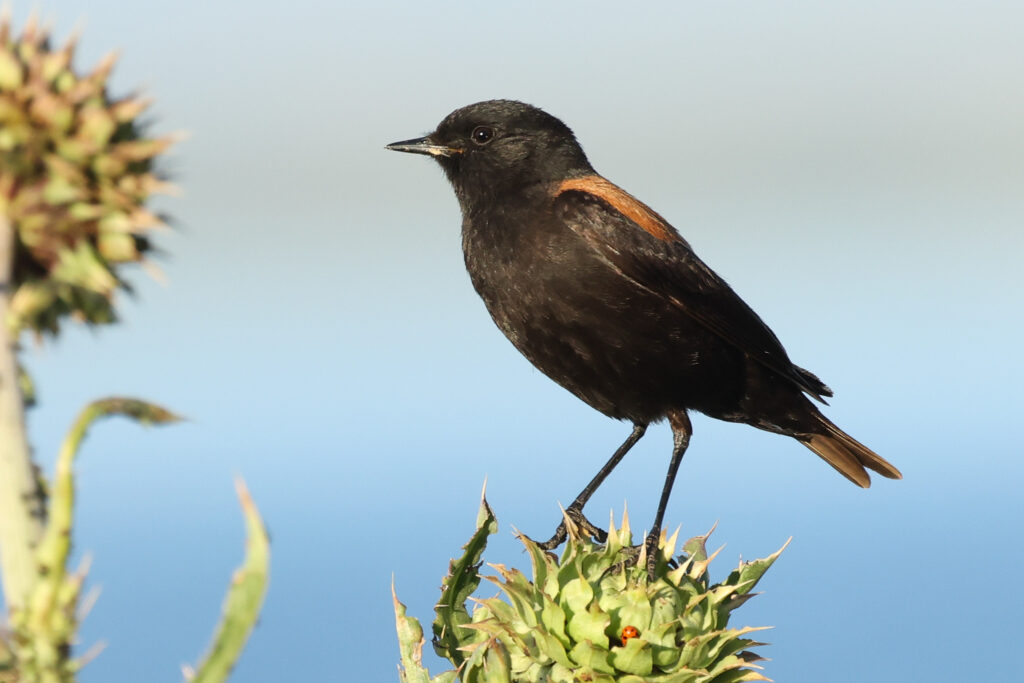
I had heard rumours of Austral Canasteros around Bariloche and quickly became obsessed with the idea of finding this relatively drab Furnarid. The following day, I set off on a walk from our accommodation to investigate a spot where they had been reported on eBird. Unfortunately, I had no joy here, but I did score plenty of Sharp-billed Canasteros, Patagonian Sierra Finches, Long-tailed Meadowlarks and Chilean Elaenias. So, it was back to the drawing board for me, and I found another site where the canasteros had been reported from. This spot was too far to walk to, but it proved easy to hitch a ride there. Upon arrival, I noted that the habitat looked good – open shrub and Patagonian steppe. After trawling around for a while, I heard a response in the distance, which led me to frame-filling views of this Patagonian special, followed by a flyover of a pair of Upland Geese. Canastero acquired, I found a lift back to town and celebrated with a cold beer on the shore of the lake as I watched an Austral Negrito forage along the waterline. What a place!
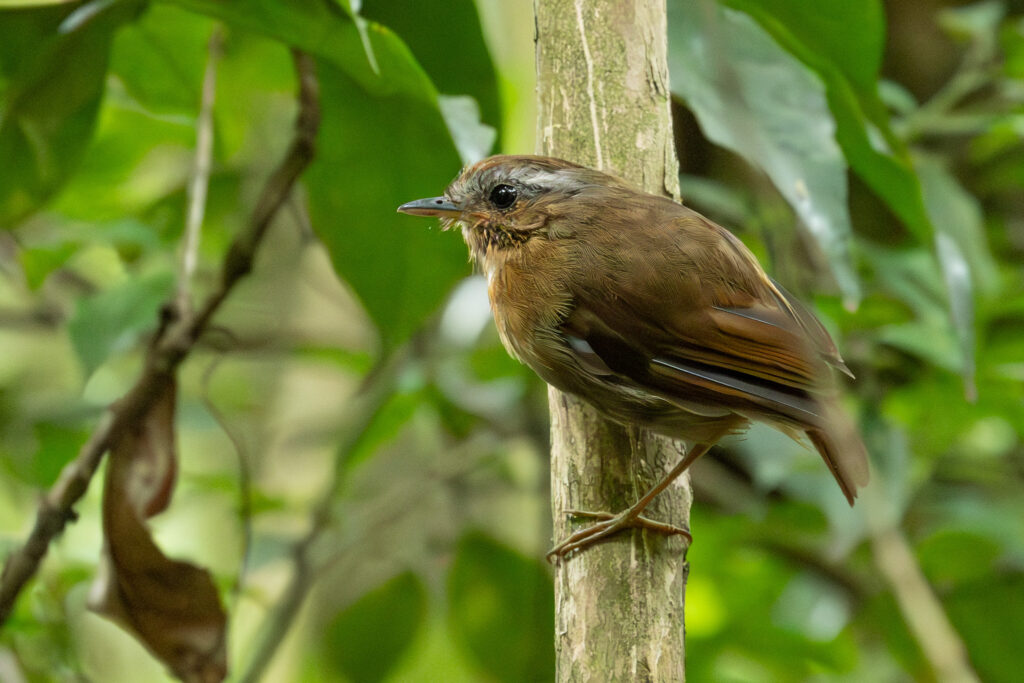
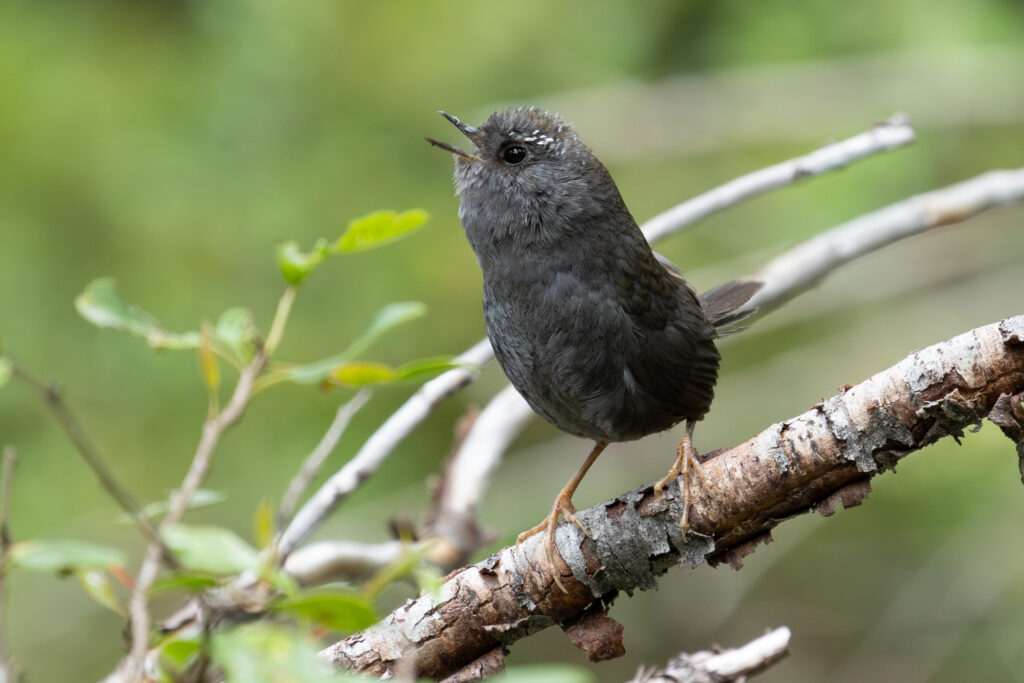
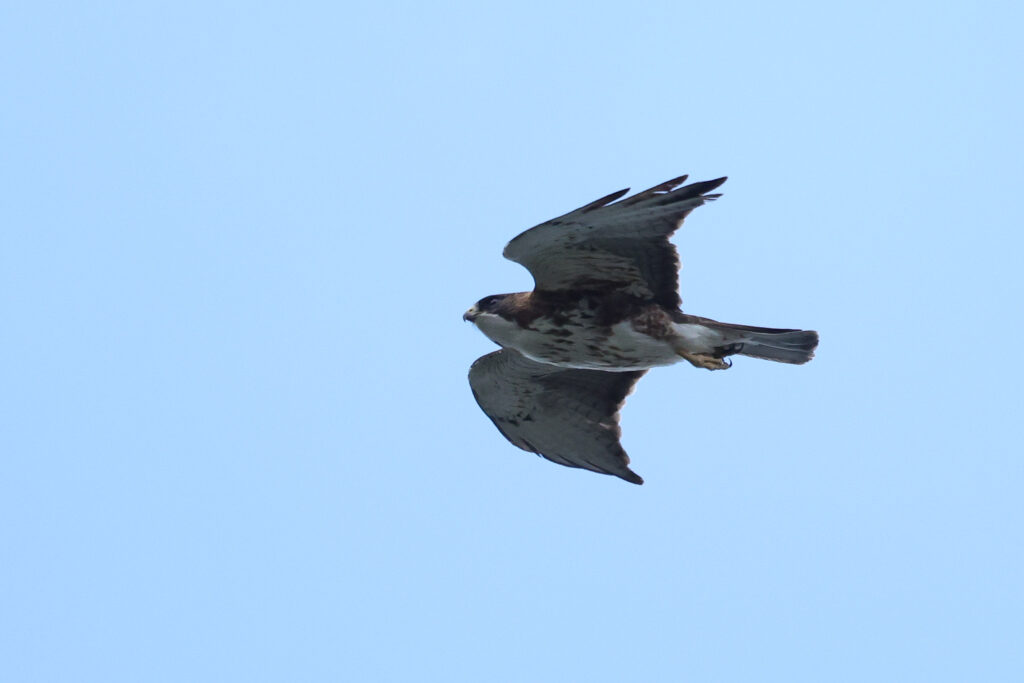
The next day saw us visiting several hiking trails along the idyllic Llao Llao road. The birding was incredibly enjoyable, and I added a number of new birds: a White-throated Treerunner doing what he does best, several Thorn-tailed Rayaditos, and Des Murs’s Wiretail – a secretive denizen of the understory. Other additions included Patagonian Tyrant, Chilean Pigeon and the scarce White-throated Hawk. Still, no views of Chucao, and no Magellanic Woodpecker – a bad feeling was developing around these two, particularly the latter, as this was one of the best locations for it. The reality was that I still had a chance for those two species, but I had missed my one and only shot at Ochre-flanked Tapaculo. I only had an outside chance of this species, but it was still a disappointing dip. We spent the rest of the day driving the winding roads through this beautiful part of the world before enjoying the sunset back at our accommodation.
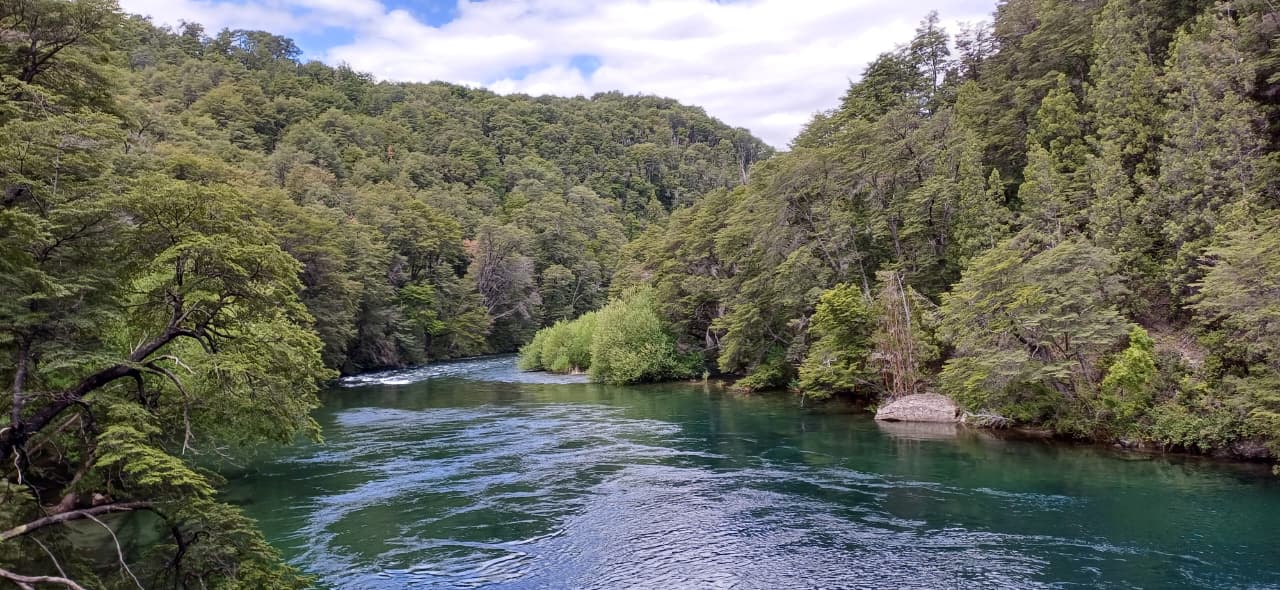
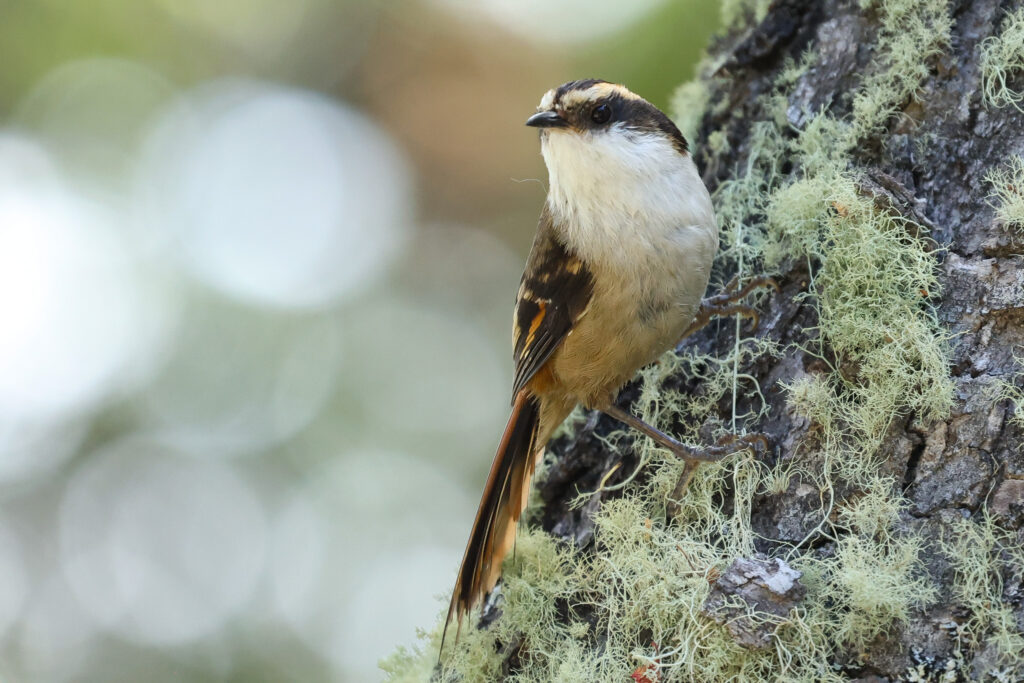
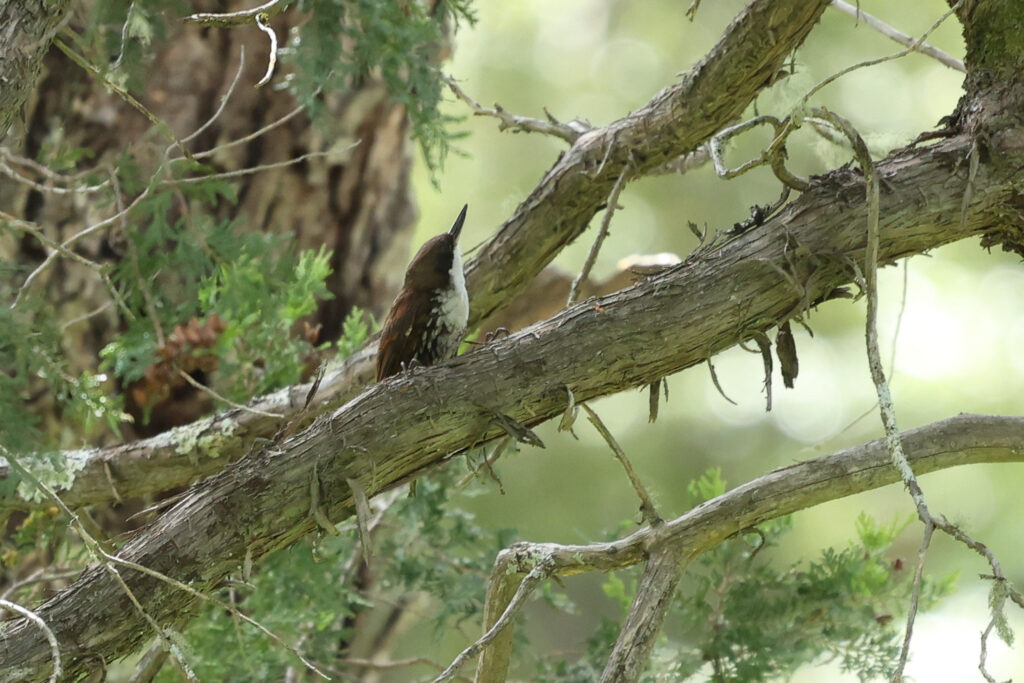
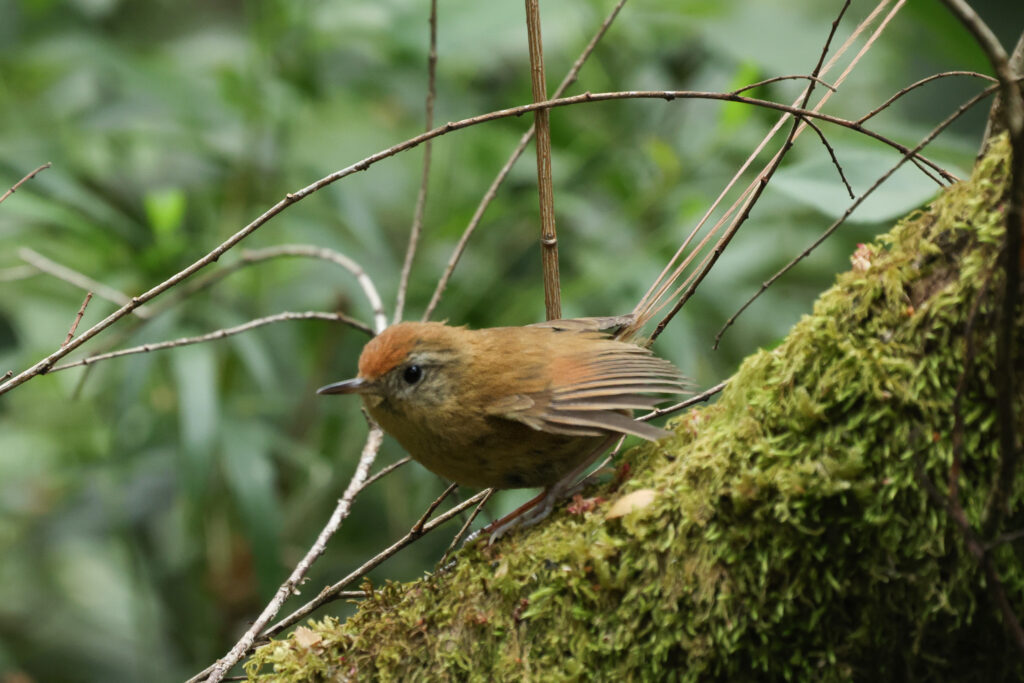
Our plan for the fifth day was to drive the renowned ‘Seven Lakes Road,’ a 200 km round trip through some of the best scenery in Patagonia. Birding was relatively limited (I had to oblige to the requests of the non-birders in my party from time to time) and delivered many of the species I had seen earlier, along with Ashy-headed Geese and more photo opportunities of Magellanic Tapaculo and Thorn-tailed Rayadito. The road worked its way through picturesque Patagonian scenes and must rank as one of the best drives in the world. A quick mission up Cerro Otto, a ski-slope in winter, failed to deliver Magellanic Woodpecker – yet again, but did produce my lifer Fire-eyed Diucon, a distinctive looking grey tyrant flycatcher.
We returned to the Llao Llao area on day six, and I was now beginning to run out of lifer options. I had another wonderful forest birding session, but a lifer-less one at that. I was starting to lose hope of finding my woodpecker and still only had brief glimpses of Chucao Tapaculo – leaving much to be desired but an encouraging improvement.
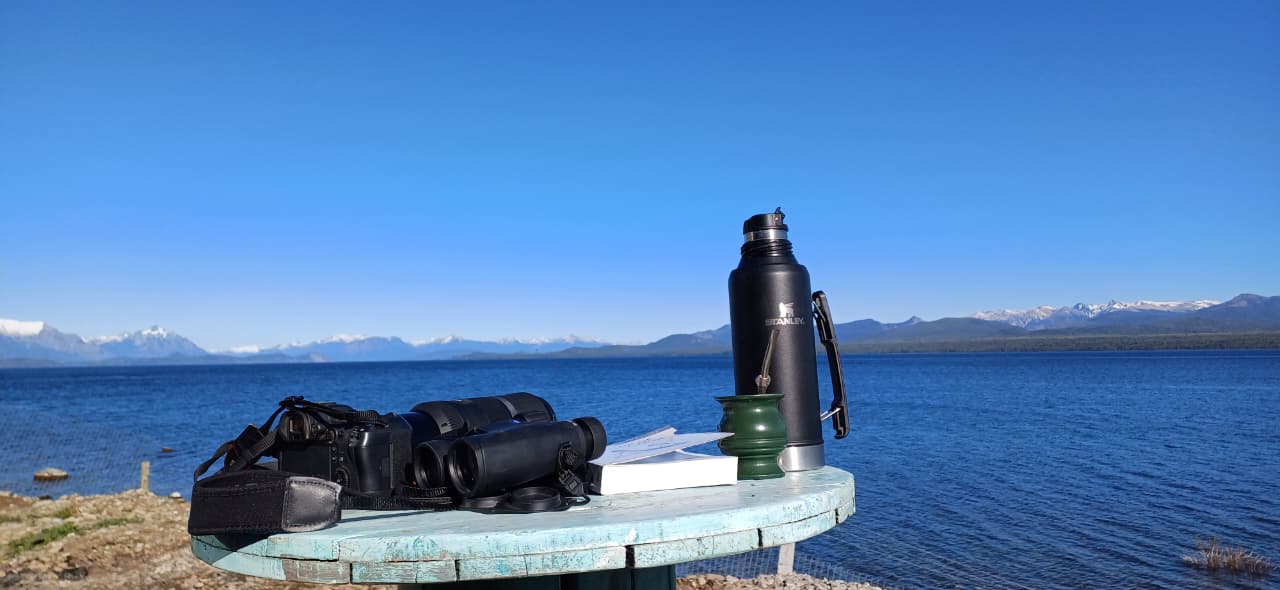
Christmas Day arrived; this was to be our last full day in Patagonia before we undertook the arduous journey back to Santa Fe. I had one last shot to pull off a miracle. The woodpecker had now become a haunting obsession, and I convinced my party to drive to Villa Cerro Catedral. The hiking trail here had a reasonable reporting rate for both of my remaining targets, and it was now or never. Our timing was suboptimal; it was warm and quiet. After two hours, I decided to call it quits. I felt defeated and slowly dragged myself back to the car.
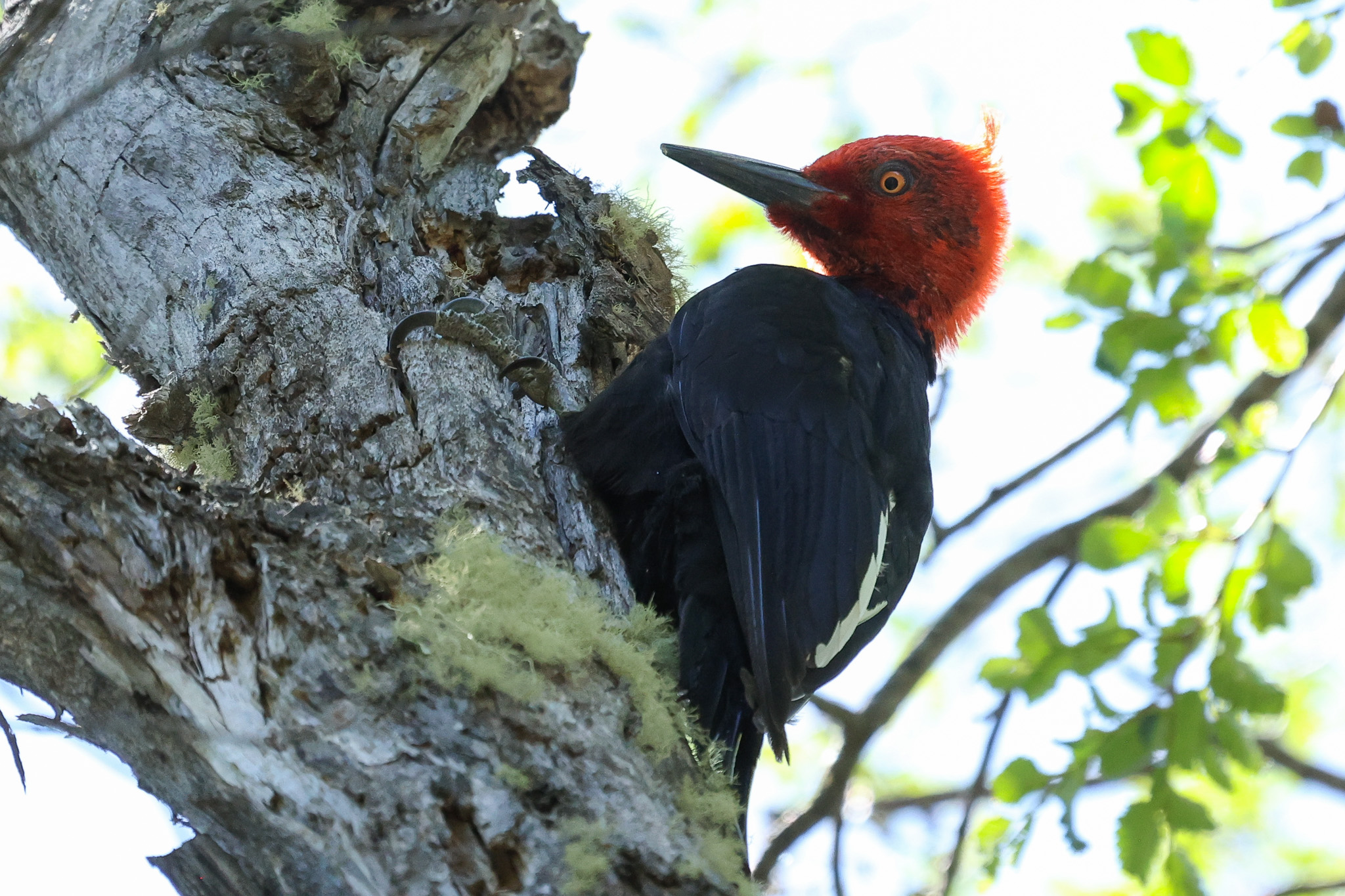
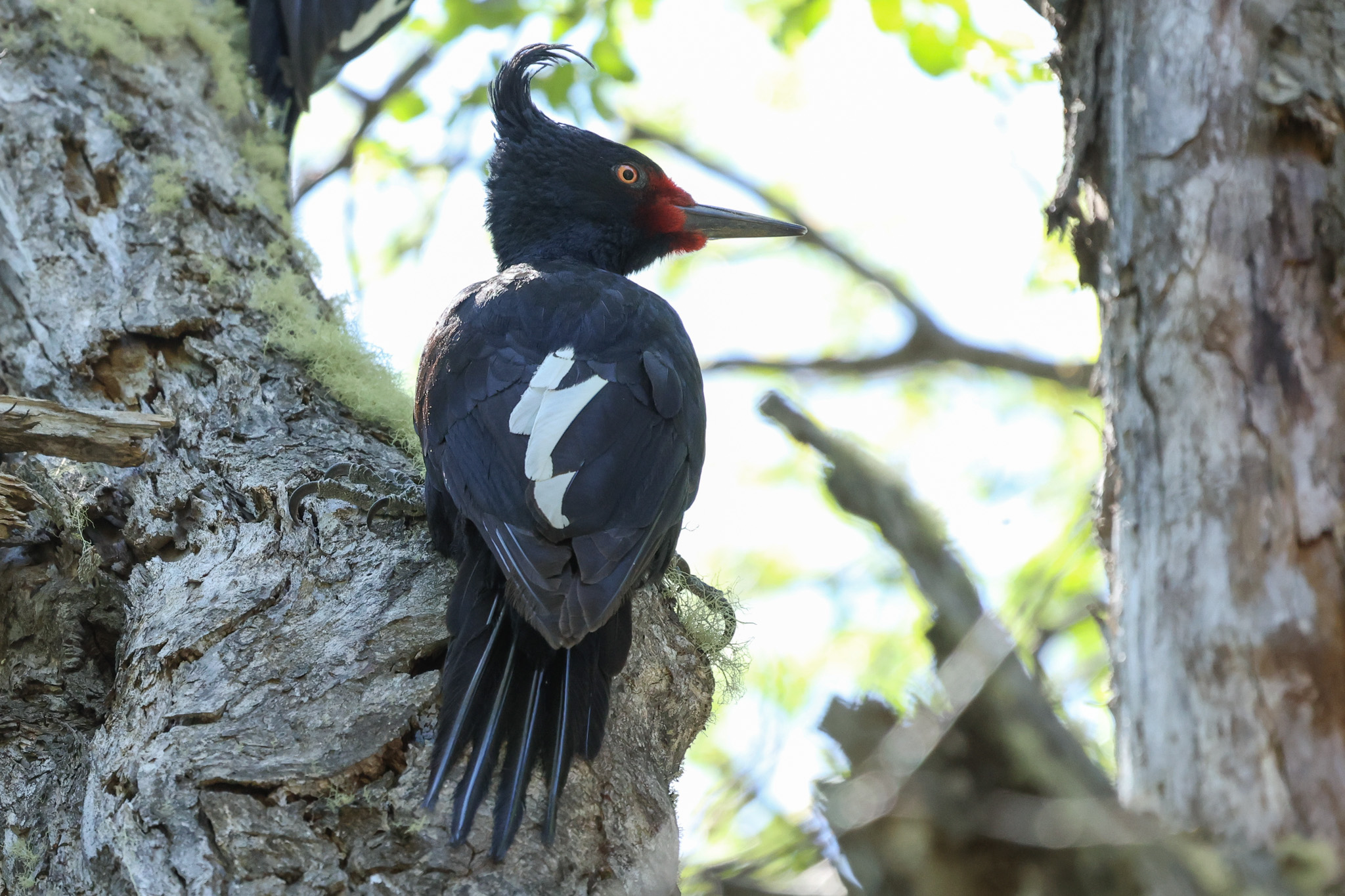
Then, as I left the trail, I heard two loud drumming sounds. My adrenaline shot through the roof. I scrambled for my phone and shakily found the downloaded call. I clicked play. 1 second, 2 seconds, 3 seconds and then, as if in slow motion, two bulky black birds darted in and landed in the tree above me. The male had a red head, and the female was predominantly black; both had white braces on their backs. I was speechless and victorious. Magellanic Woodpecker, you beauty.
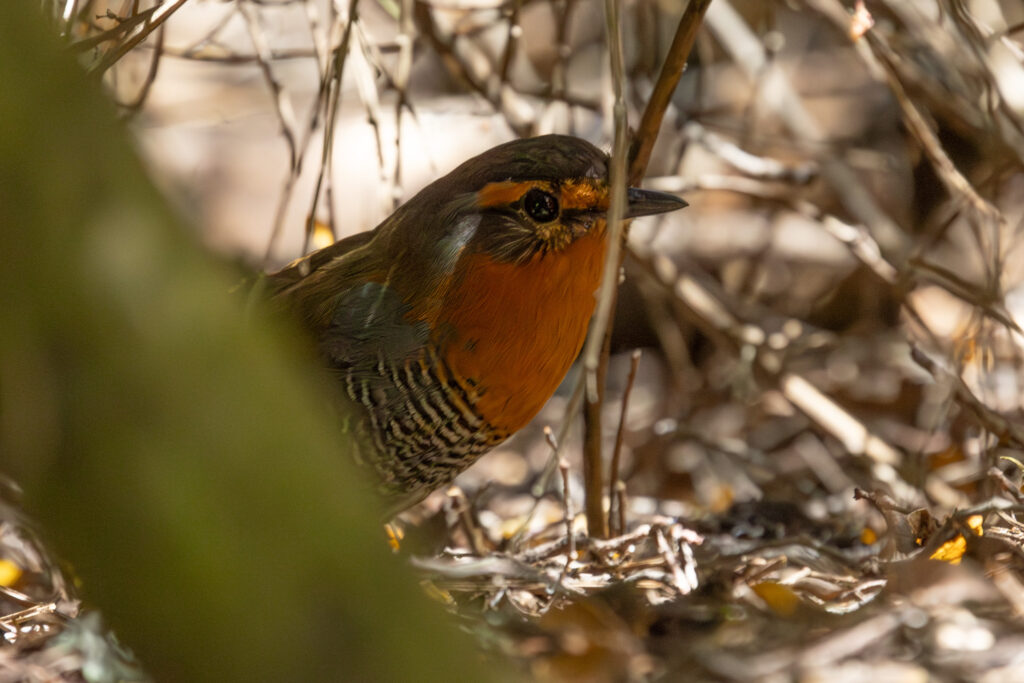
Remarkably, not even 20 minutes later, I found myself on all fours in the undergrowth, photographing a Chucao Tapaculo. The bird was so relaxed that I decided when I was ready for the encounter to end and retreated to the car, on top of the world near the bottom of the world. This was a trip I will never forget, permanently etched into my all-time best birding memories. Ochre-flanked Tapaculo, I’ll get you one day, and I hope it’s soon.