Panama is one of those countries that appears as no more than a speck on your world map. In fact, you’d be surprised at how few people know anything at all about the place. So, to bring everyone up to speed, Panama is a small tropical country nestled between the Americas. It borders Costa Rica to the north (or west) and Colombia to the south (or east). Those who know marginally more about Panama usually think of either the Panama Canal or the famous Panama hats.
What your average layman doesn’t know is that Panama is one of the most biodiverse places on the planet. 220 mammal species, 226 reptiles, 164 amphibians, 10,000 plants, and most importantly for me, around 1,000 recorded bird species. To put that staggering number into perspective, there are more species of birds in Panama than in the United States and Canada combined – in an area 262 times smaller! For this reason, I boarded my flight to Panama City with great anticipation for an incredible three weeks of birding Panama.
Birding Panama City
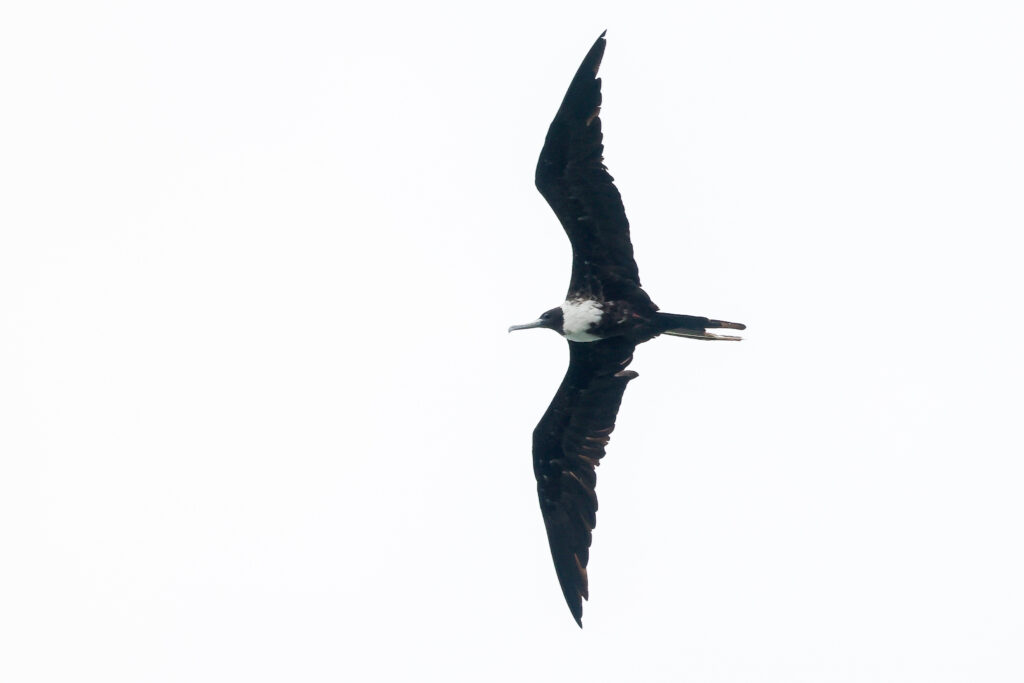
The downside of travelling internationally during a global pandemic was that I was immediately escorted to a quarantine hotel for three days upon arrival. Thankfully, the room to which I was assigned had a massive window, allowing me to pass many of the next 72 hours scanning for fly-by birds. To my surprise, I kicked off the trip list with a Magnificent Frigatebird. The frigatebirds tuned out to be trash birds and are a regular sighting anywhere along the coastline and even within the city. The birds slowly rolled in with Turkey, Lesser Yellow-headed and Black Vultures, Yellow-crowned Amazon, Great-tailed Grackle, Short-tailed Swift, Crested and Yellow-headed Caracaras, and Southern Lapwing, to name but a few. After three days in quarantine, a negative covid test gave me the green light to start exploring the city.
Panama City truly is spectacular; despite its relatively small population (1,5 million residents), the city skyline matches that of any of the biggest cities in the world. With over 60 skyscrapers, the city is dubbed the ‘skyscraper capital of Latin America,’ owing much of its economic success to its canal. It was between these towering buildings that my taxi navigated itself en route to my accommodation in the leafy suburbs of Balboa. Upon arriving in Balboa, I dumped my bags in the room, grabbed my binoculars and camera, and headed for a stroll in the suburbs. After spending three days cooped up in a hotel room with the AC at a chilly 18°C, the Panamanian humidity hit me like a train, but this didn’t hold me back; there were birds to find.
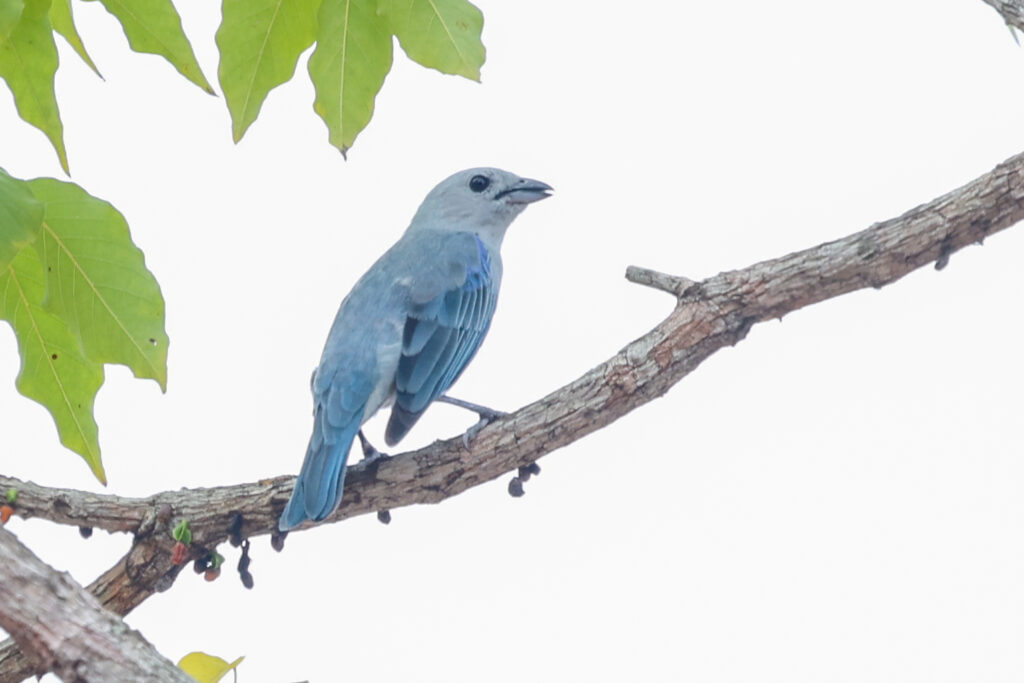
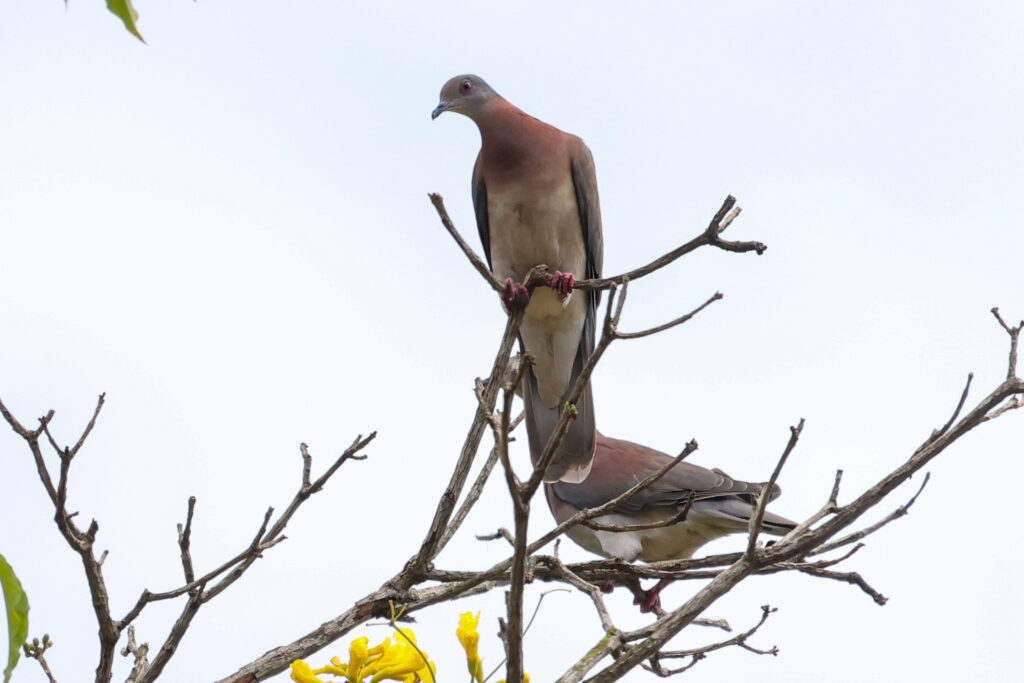
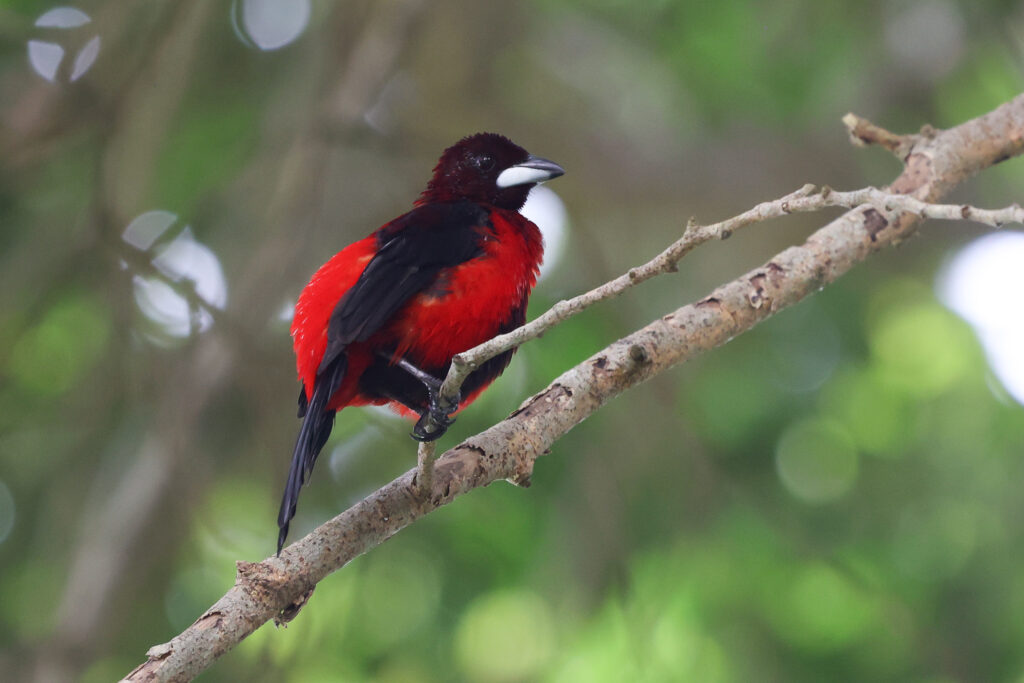
The suburban birding offered sightings of Orange-chinned and Finsch’s Parakeets, Red-lored and Yellow-crowned Amazon, Grey-headed Chachalaca (my first member of the family Cracidae), Rufous-tailed Hummingbird, Variable Seedeater, Ruddy Ground Dove, Pale-vented Pigeon and Blue-grey Tanager, to name but a few. I even managed a small birding milestone with my 1,000th species in the form of a Crimson-backed Tanager – a regular resident in many a Panamanian garden but a stunning bird nonetheless. The tyrant flycatchers were also well represented in Balboa, with Social, Rusty-margined, Broad-billed, and Streaked Flycatcher showing well, along with Great Kiskadee and the diminutive Common Tody-Flycatcher.
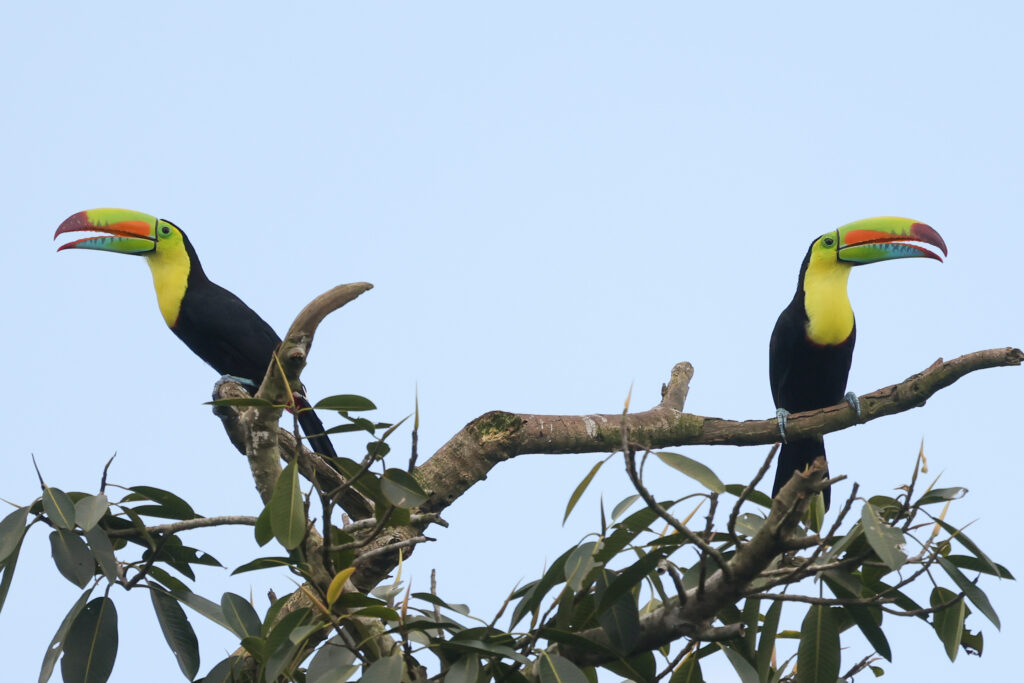
For much of the next few days I spent time exploring around my accommodation in Balboa and managed to find some excellent birding spots within Panama City. Cerro Ancón – a large hill within the urban sprawl of Panama City offered some mind-blowing birding with sightings of my first toucan for the trip – Keel-billed Toucan in addition to Isthmian Wren, Yellow-green Vireo, Squirrel Cuckoo, Short-tailed Hawk, Hook-billed Kite, Yellow-crowned Tyrannulet and Plain-colored Tanager.
With the trip list gaining momentum, I decided to indulge myself in one of my favourite types of birding – wader-watching, and it did not disappoint. Panama serves as a corridor for birds migrating from their breeding grounds in North America to their wintering grounds in South America, and so at certain times of the year, birds congregate in countless numbers as they pass through the country. August would not be ideal, but as I started scanning the mudflats at Casco Viejo, it became clear that the waders were already arriving in large numbers on their way south.
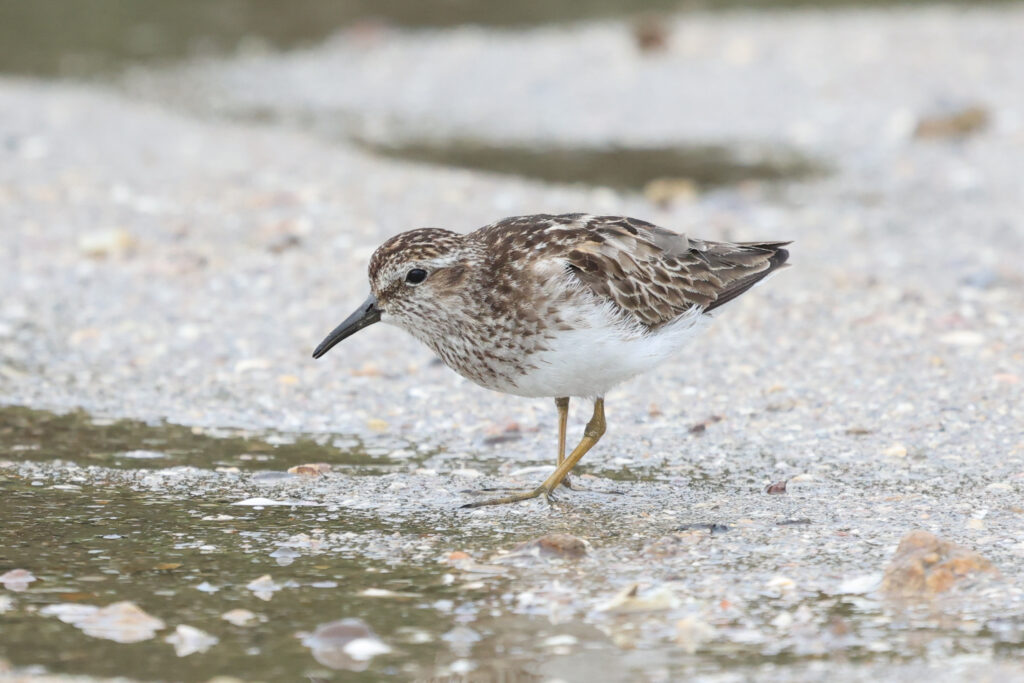
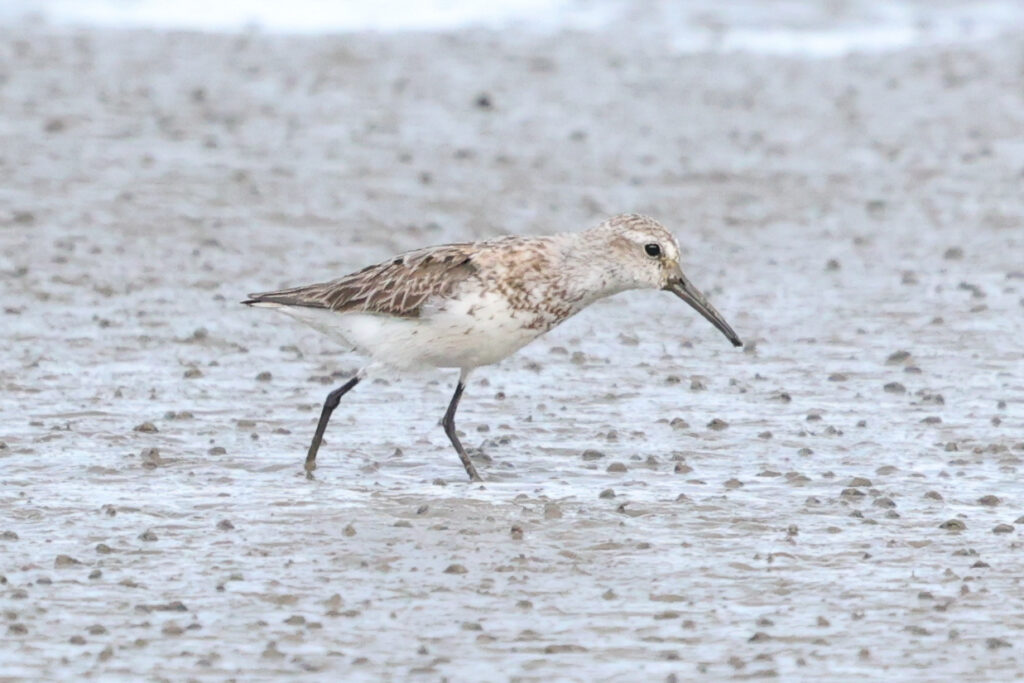
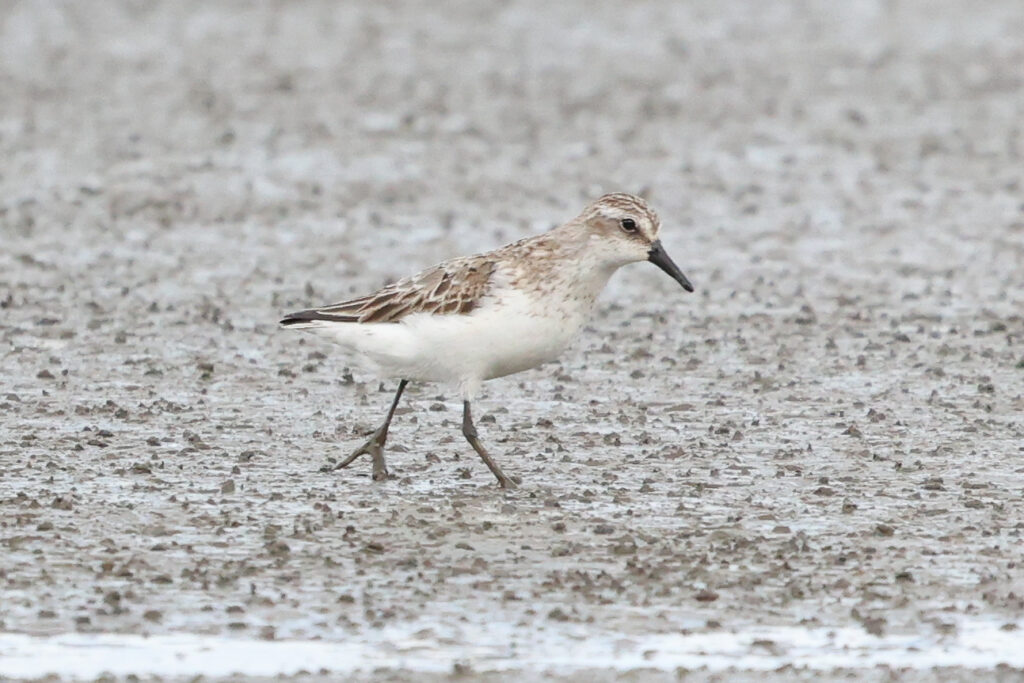
I quickly found myself onto sightings of Least, Spotted, Semipalmated, and Western Sandpiper, Greater Yellowlegs, Short-billed Dowitcher, Semipalmated Plover, Ruddy Turnstone, Hudsonian Whimbrel, Grey Plover and Black-necked Stilt. The birding didn’t stop at waders, and several coastal species such as Gull-billed Tern, Laughing Gull, and Brown Pelican also showed well alongside an array of heron species, including Little Blue Heron, Tricolored Heron, Cocoi Heron, Yellow-crowned Night Heron, and Snowy Egret.
Pipeline Road
With my options to add species slowly running out within the confines of Panama City, it was time to head out into the lowland forests to experience Panama’s unbelievable avian diversity firsthand. Pipeline Road is one of those iconic sites that is held in legendary regard amongst global birders for its spectacular number of species. It is often called ‘the mecca of neotropical birding.’ In fact, one of the largest numbers of species ever seen in a single day was recorded along Pipeline Road when a group of birders observed 357 species within 24 hours! With the prospect of an unforgettable day ahead, the taxi came to a halt at the start of the road before dawn. I went out into an almost suffocating humidity; the road ahead was surrounded by thick lowland forest on both sides, and the canopy was a hive of activity.
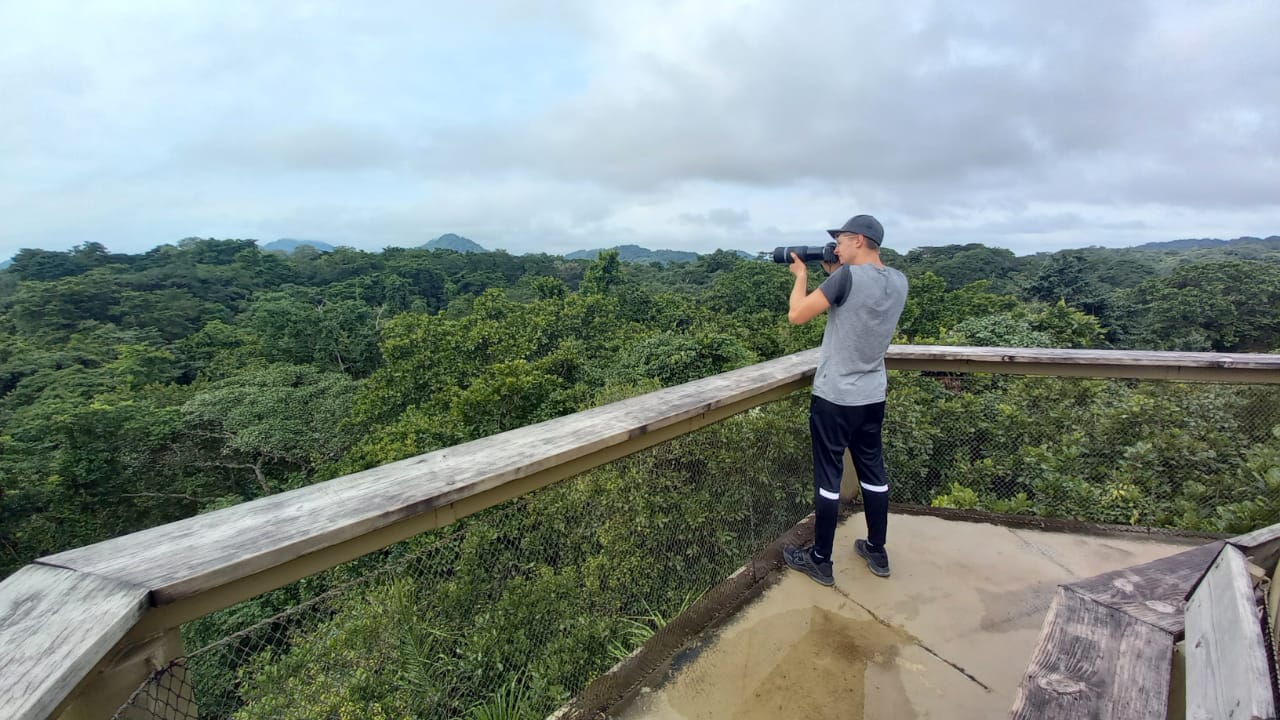
Some early sightings included Thick-billed Euphonia, Black-bellied Wren, Rufous Motmot, Yellow-throated Toucan, and Purple-throated Fruitcrow (my first representative of the family Contingidae and second family lifer for the trip). The birding was challenging in that finding a calling species required patience, yet extremely rewarding with Black-faced Antthrush (another family lifer, Formicariidae), Dot-winged Antwren, Blue Dacnis, Olivaceous Flatbill, Masked Tityra (family lifer number four, Tityridae) and Northern Plain Xenops showing off in quick succession.
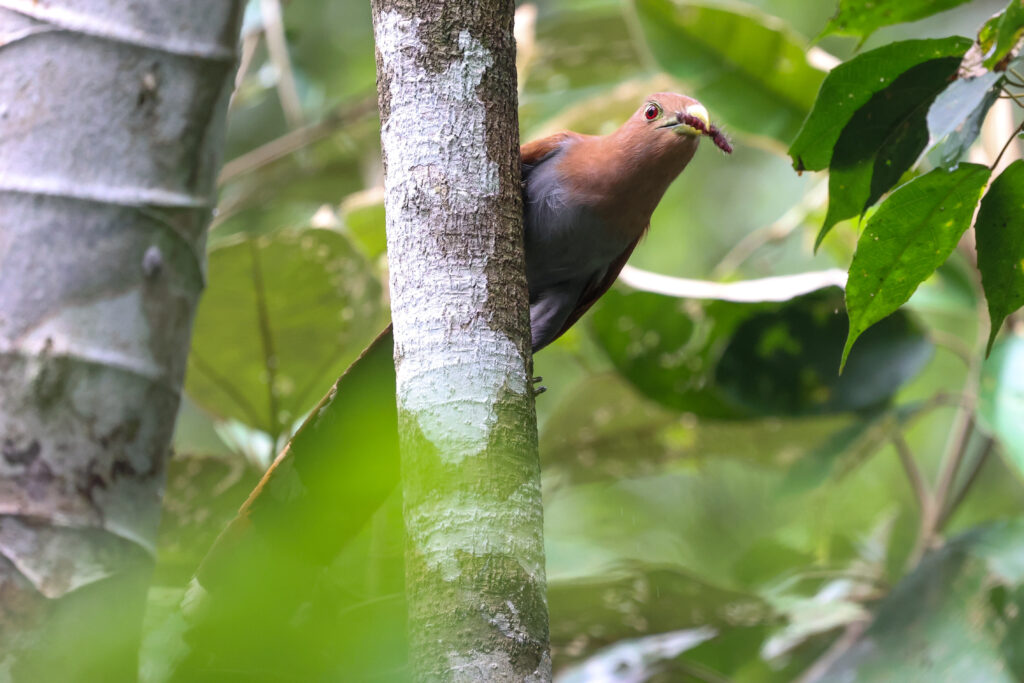
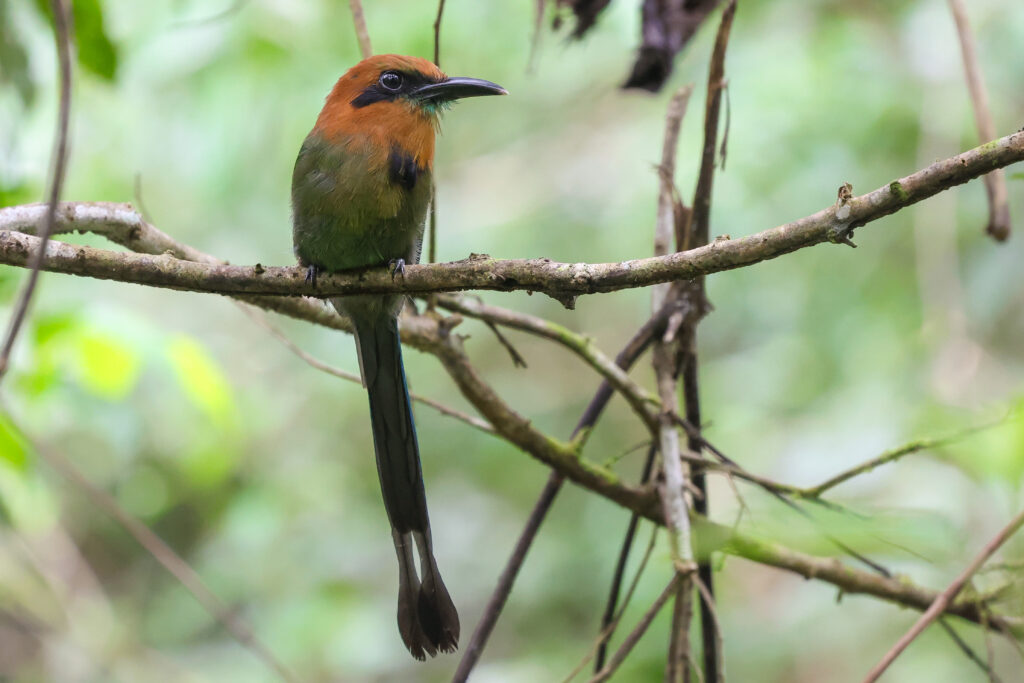
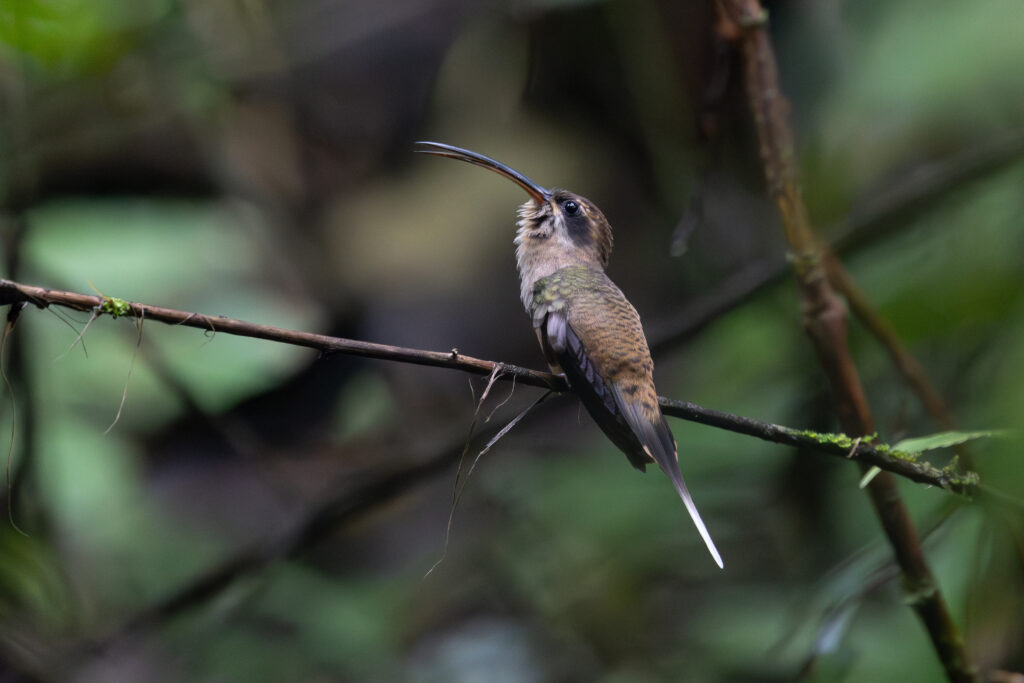
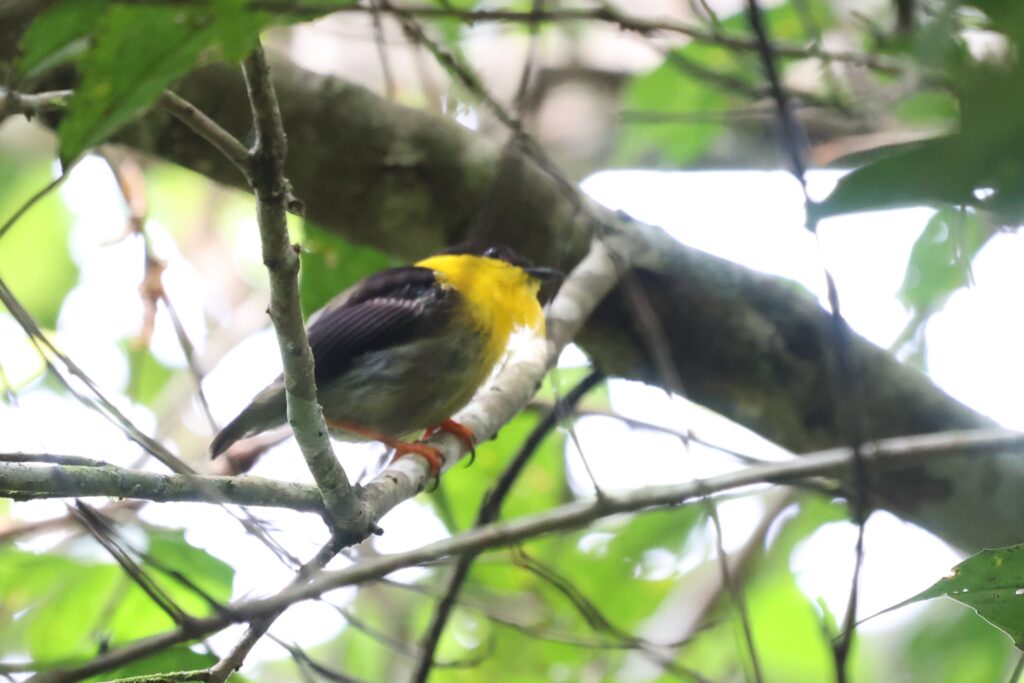
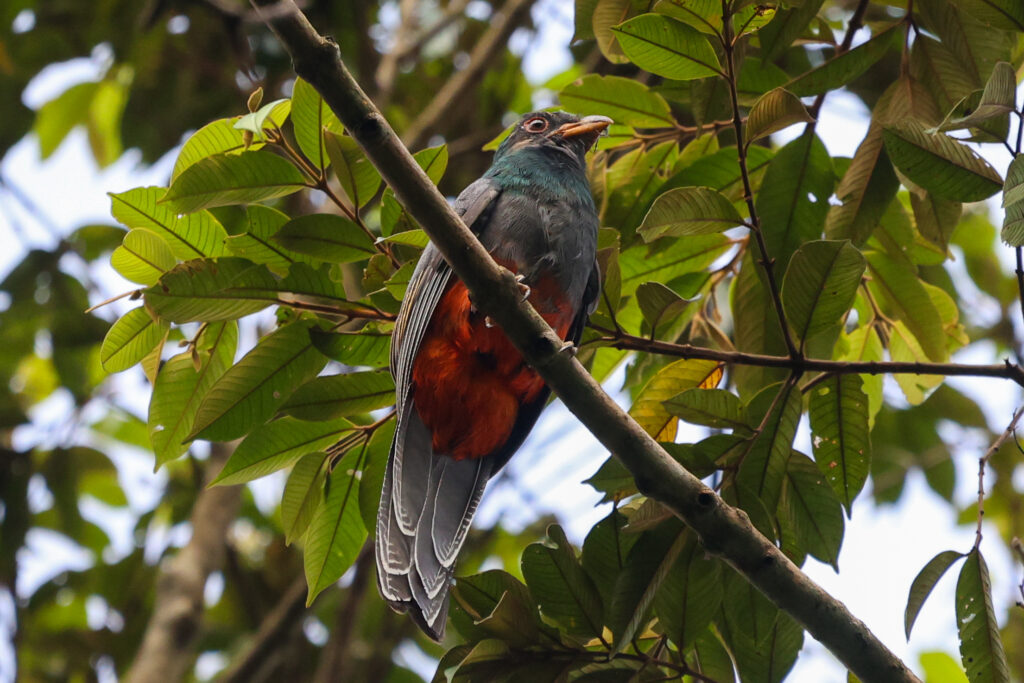
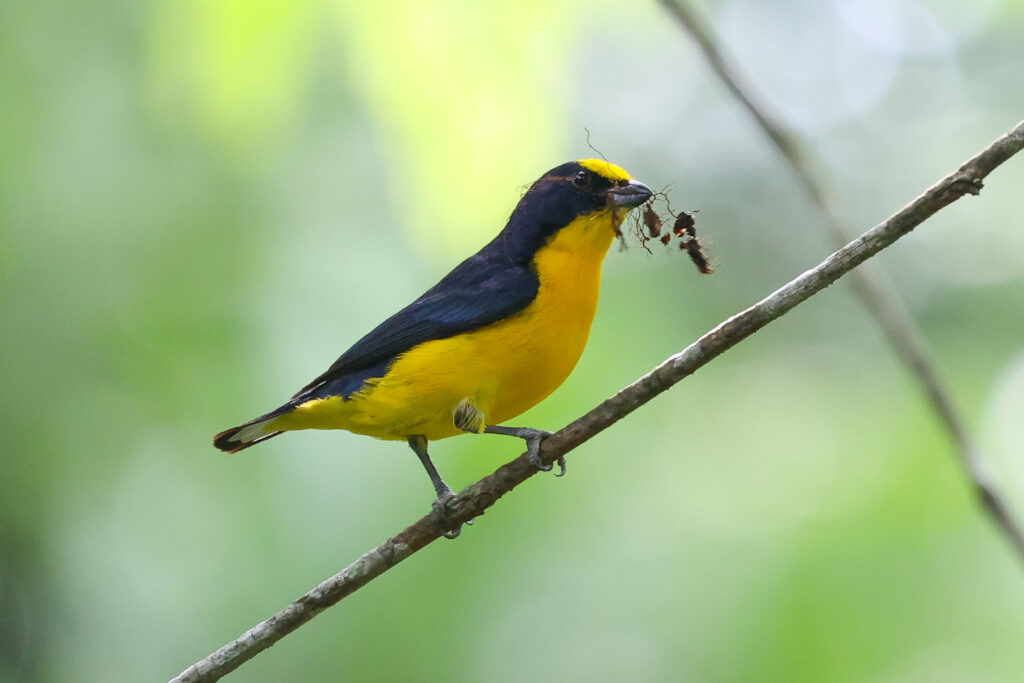
The Rainforest Discovery Centre along Pipeline Road was spectacular and boasted a canopy view platform and several hummingbird feeders. First up was the canopy view, which offered uninterrupted views over the pristine lowland forests. A few noteworthy additions here included Blue-crowned and Golden-collared Manakin, Blue Cotinga, Scarlet-rumped Cacique, Golden-hooded Tanager, Crimson-crested Woodpecker, and the only Snail Kite of the trip.
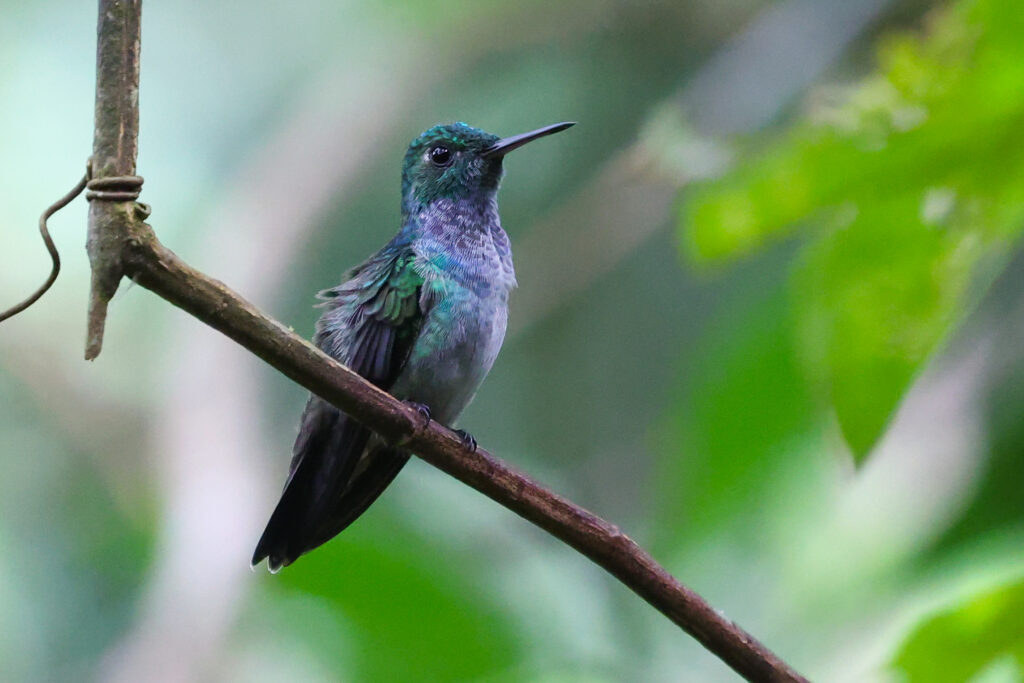
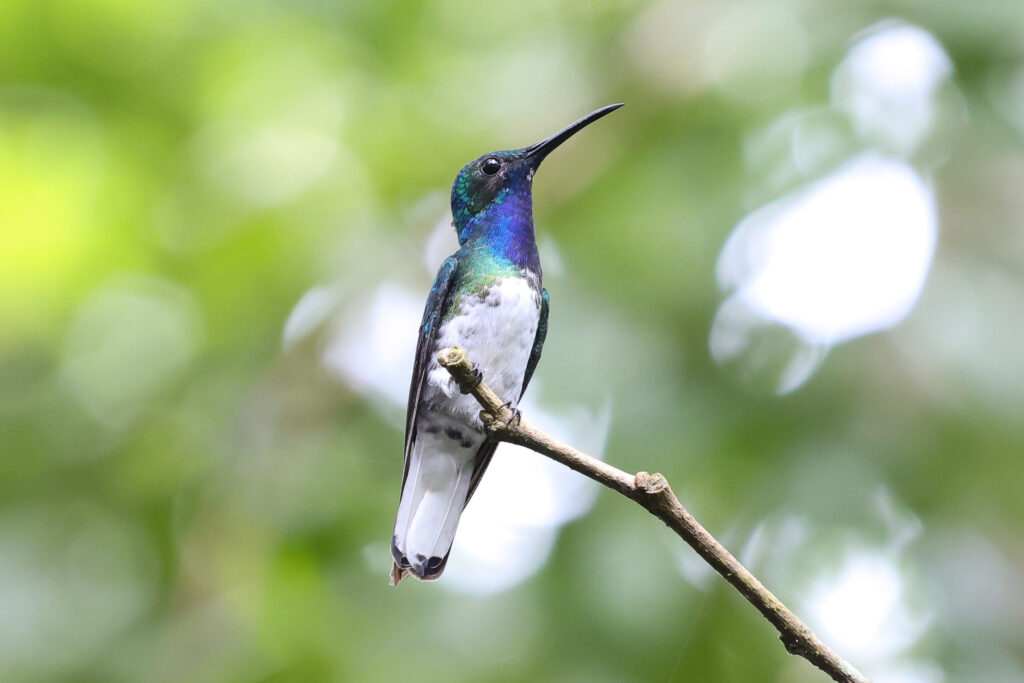
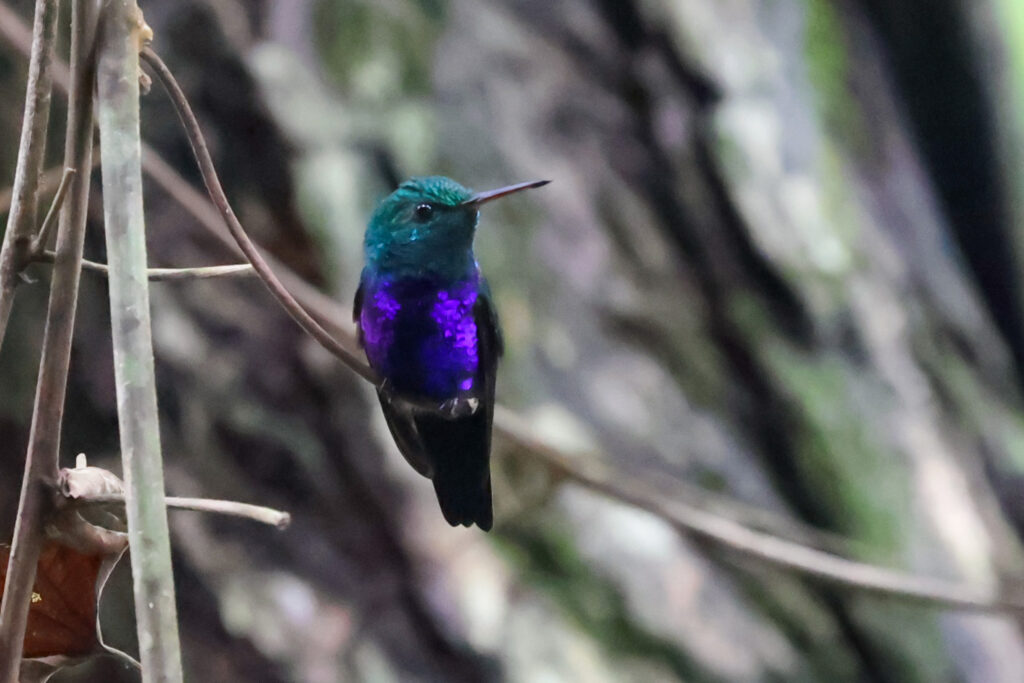
Next up were the hummingbird feeders, which provided close-up views of five hummingbird species: Blue-chested and Violet-bellied Hummingbird, Long-billed Hermit, Purple-crowned Fairy, and White-necked Jacobin. The puffbirds were also well represented with White-whiskered and Black-breasted Puffbird close to one another in addition to Broad-billed Motmot, Mealy Amazon, and three trogon species: Black-tailed, Black-throated, and Gartered Trogon.
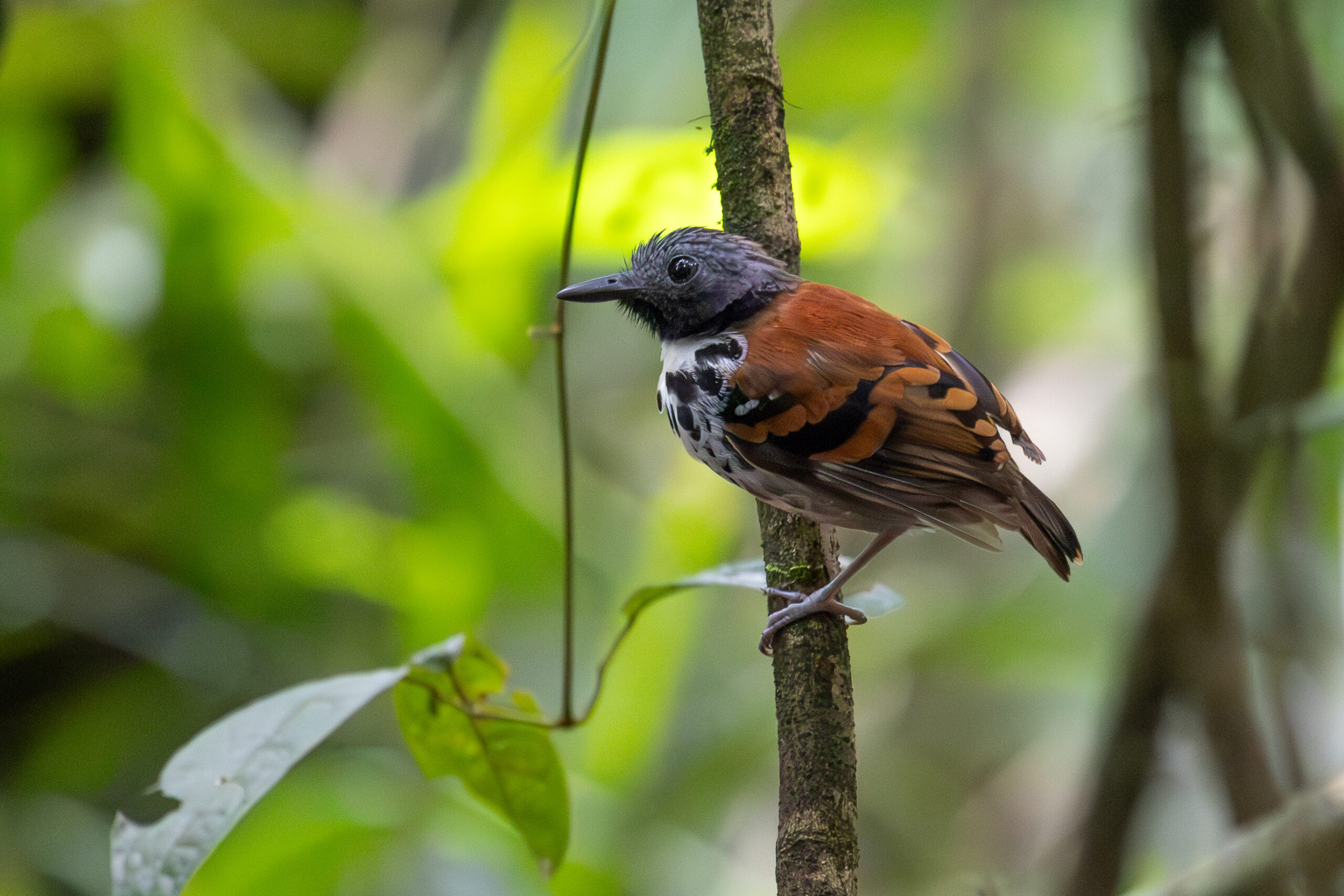
Perhaps the highlight of the day for me was connecting with a single Spotted Antbird, which showed itself amid a massive multi-species bird party containing the likes of Shining Honeycreeper, Greater Ani, Checked-throated Stipplethroat, Wedge-billed, Black-striped, and Cocoa Woodcreeper. Feeling mentally and physically exhausted after seven hours of intense lowland birding, I caught a taxi back to Panama City for a mere $2 and fell asleep upon arrival in Balboa.
Join for Part 2 of my Central American birding adventure (eBird Trip Report)!