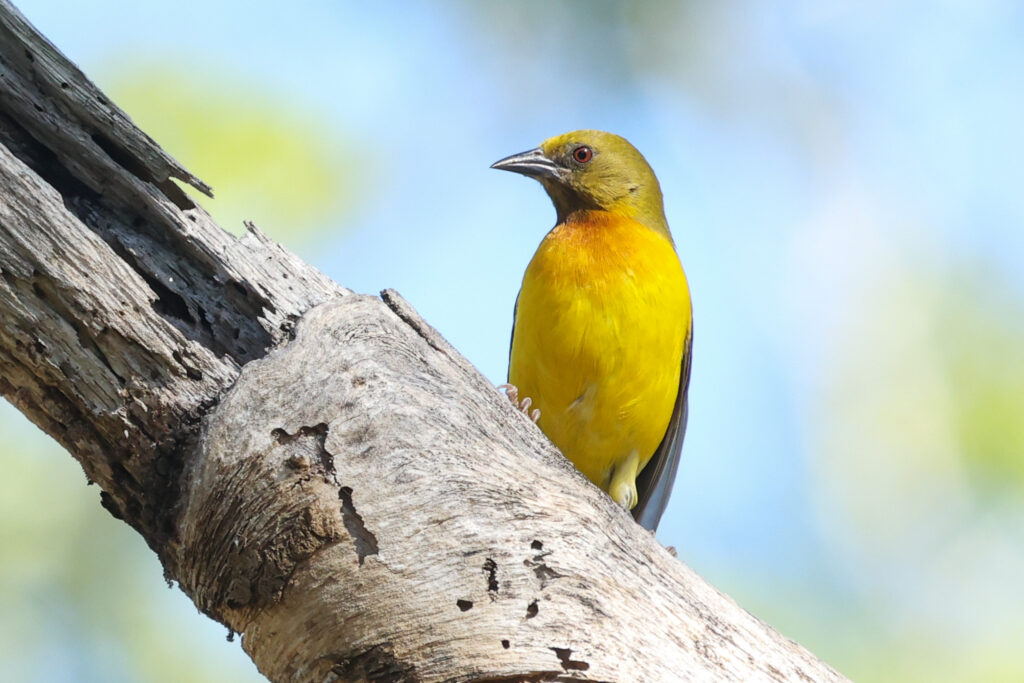
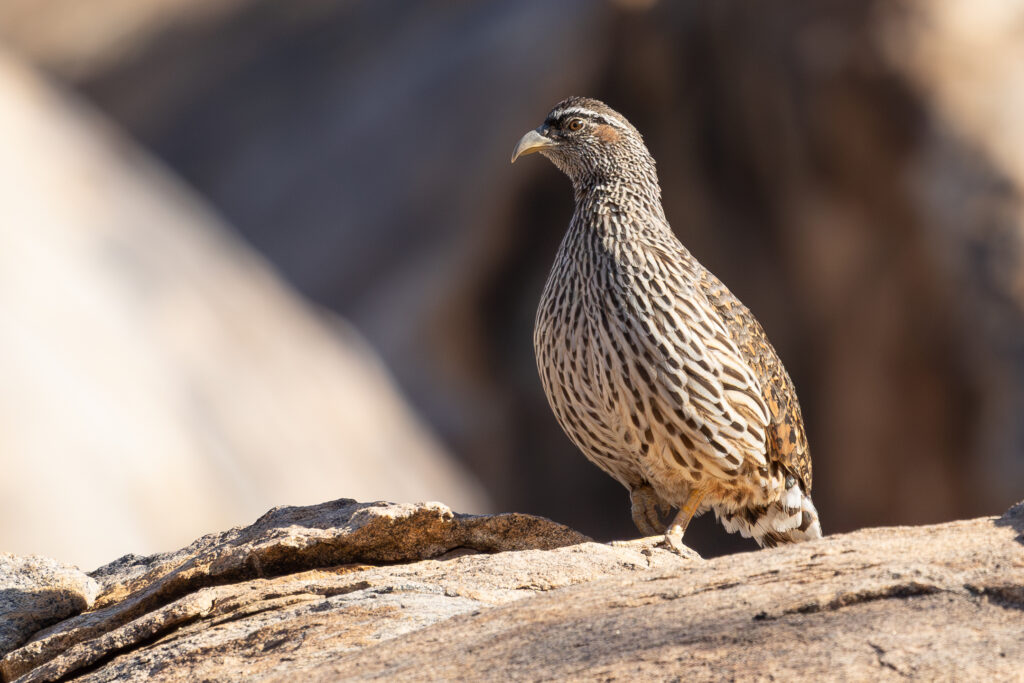
Background: I had the privilege of birding in Madagascar in November 2023 on a scouting trip for Birding Africa Tours – an incredible opportunity with a company with years of tour-leading experience in Madagascar. This blog post is the first of three parts and covers our time spent birding Madagascar’s Indian Ocean Rainforests in the Andasibe area. My eBird Trip Report can be seen here.
I looked out of the airplane window, below me, as far as the eye could see, stretched the turquoise-coloured waters of the Indian Ocean. Peering forward as best as I could, a dark landmass gradually came into focus on the horizon. I had seen this coastline on a few occasions before whilst flying to Mauritius; however, I would set foot on it this time.
Madagascar exudes weirdness; it has been in the same position relative to Africa for between 120-130 million years (dinosaurs went extinct around 65 million years ago) and separated from the Indian subcontinent 84 million years ago. It is the fourth largest island; 90% of its species are endemic, and we don’t even know when people arrived on the island, with estimates ranging from 2,000 to 10,000 years ago.
Day 1, 19th November 2023: Arrival in Tana and transfer to Andasibe (Vakona Forest Lodge)
As my flight began its descent towards the capital city, Antananarivo (or “Tana,” as it is somewhat affectionately known), rice paddies and eroded valleys enveloped the undulating landscape. Tana is an exciting place with a distinctly African feel about it. Motorcycles weave between the traffic, zebu (cattle) wade through muddy rice paddies, tall brick houses with steeply angled rooves stand in close proximity to one another, and bustling markets spill over onto the road. After meeting Toky, my driver for my transfer to Andasibe, we set off on the slow five-hour drive to the east.
This is an appropriate time to discuss the important topic of Madagascar’s geography. There are many ways of varying complexity and detail to divide the country into biographically distinct areas. However, broadly speaking, there are four main areas. The arid spiny thickets of the southwest, the dry deciduous forests (mainly in the northwest), the central plateau and the evergreen forests of the east. Visiting birders should aim to spend time in all of these distinct areas, and we were now on our way to the most diverse of the lot, the eastern evergreen forests (also referred to as Indian Ocean Rainforests).
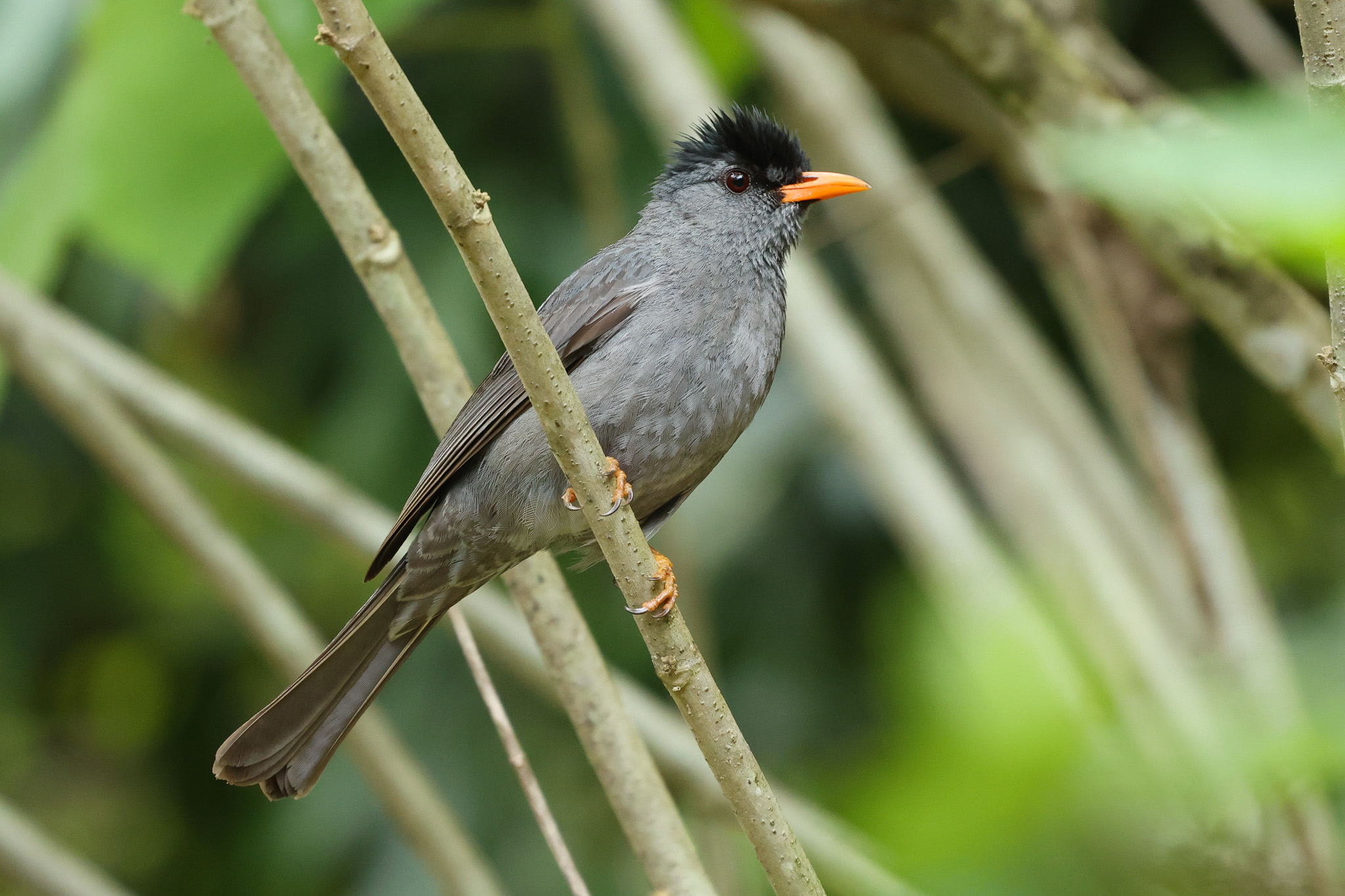
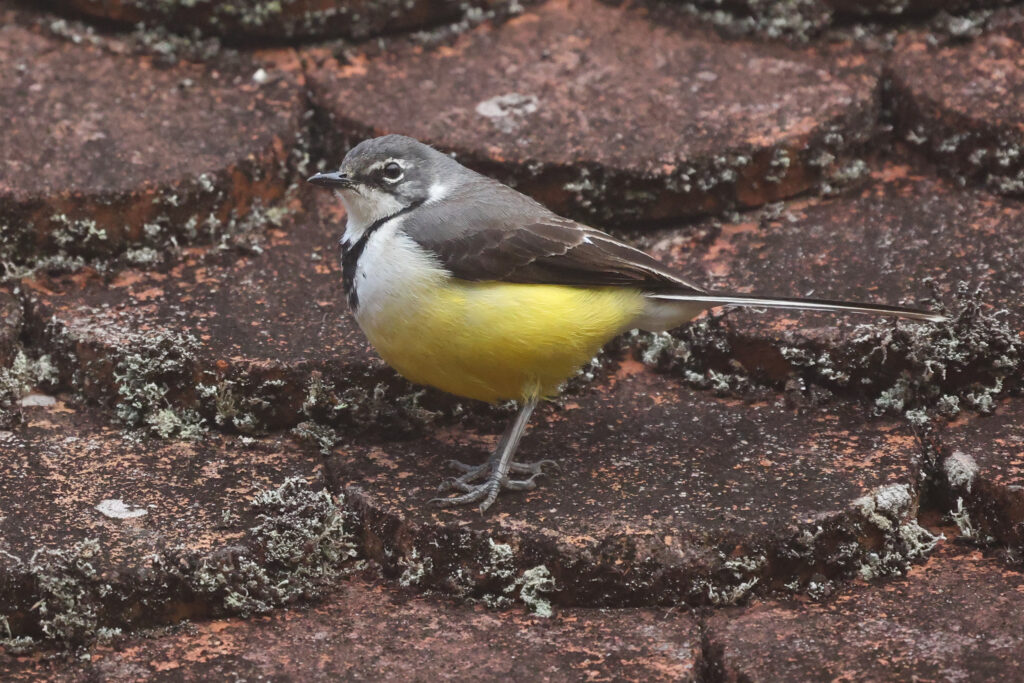
As we slogged our way east, I picked up a few widespread Madagascar bird species including the likes of Malagasy Kestrel, Red Fody, Madagascar Wagtail, Malagasy Bulbul and Souimanga Sunbird. The rice paddies proved popular with waterbirds and quickly delivered Little (Dimorphic), Great and Western Cattle Egrets, Squacco Heron, Hamerkop and Red-billed Teal. Progress was slow, and we arrived at the spectacular Vakona Forest Lodge an hour after sunset. Over dinner, I met up with my travel companions for the next few days: Gimme, a South African-born and Brisbane-based avid world birder and Reja, one of the most experienced birding guides in Madagascar and an absolute gem of a person. After a busy travel day, I hit the sack with the prospect of thrilling birding to follow.
Day 2, 20th November 2023: Mantadia National Park
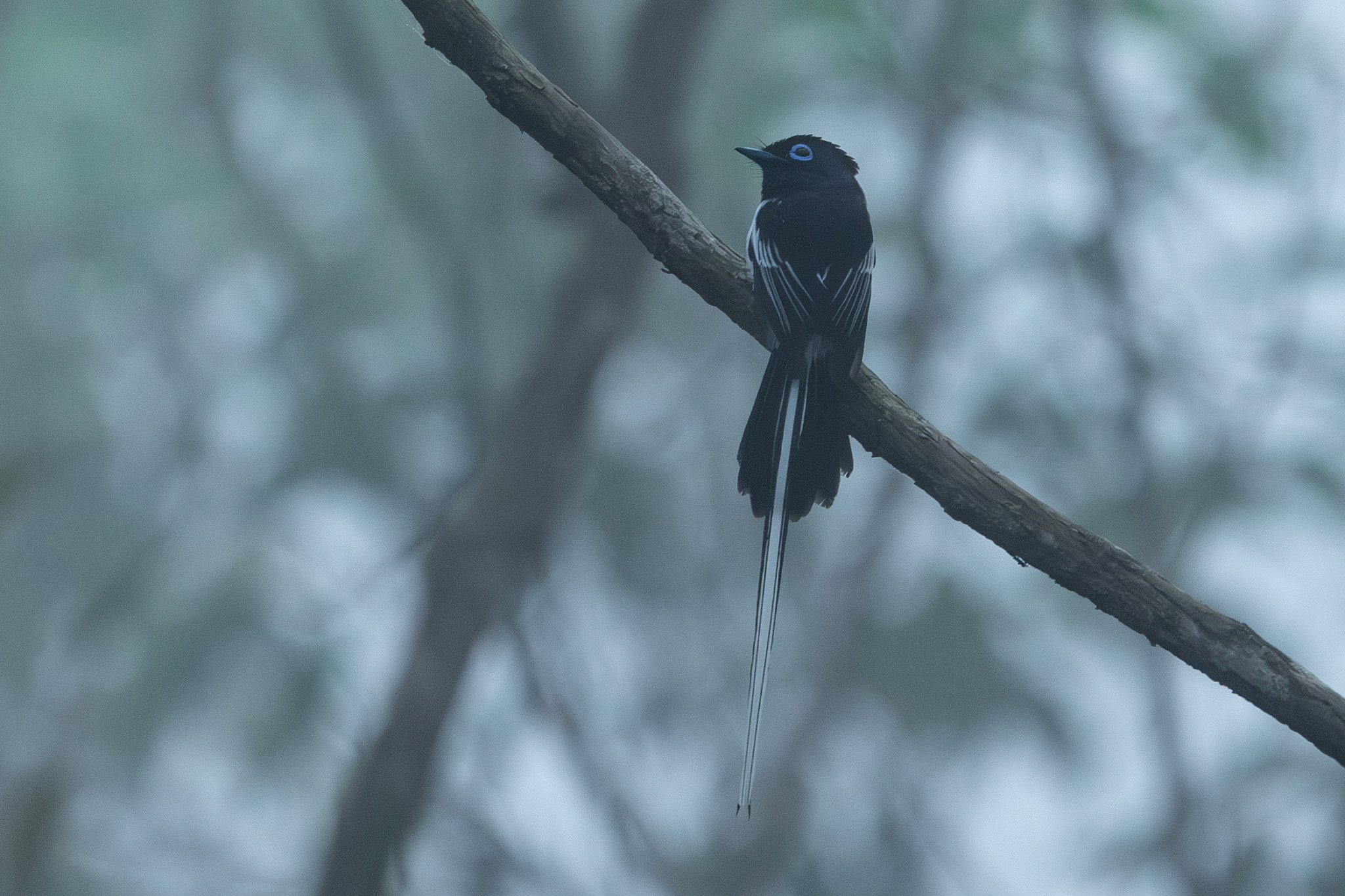
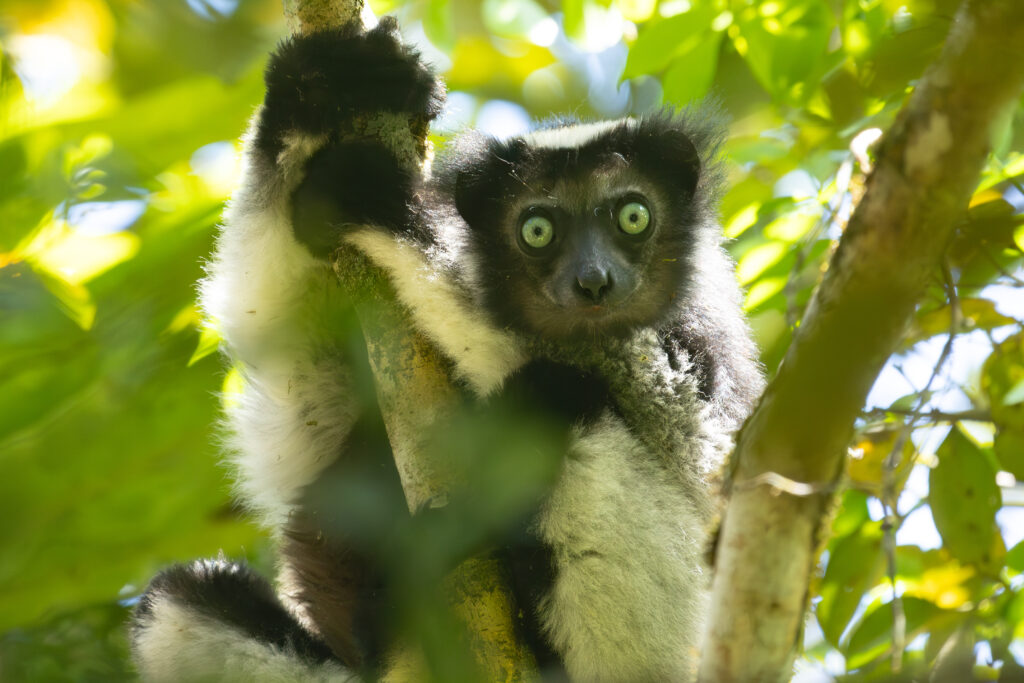
I set my alarm for before dawn as I simply could not bear the thought of wasting a second of daylight. As I closed the door to my delightful cottage, a flock of raucous Greater Vasa Parrots flew past in the misty conditions. The lodge grounds were alive with birds, and I added the diminutive Green Jery (a member of the Cisticola family), the gorgeous black-and-white morph of Malagasy Paradise Flycatcher, Malagasy Coucal, Malagasy White-eye, Madagascar Cuckoo, and large numbers of Mascarene Martins. The forest would randomly irrupt with the haunting calls of vocalising Indri (the largest extant lemur species), and I got my eyes on Diademed Sifaka – the first lemur of the trip.
Today, we were going to tackle the magical Mantadia National Park, 155 km2 of pristine evergreen forest. We drove along a bumpy gravel track for just under an hour before our excellent local guide, Christopher, ordered the driver to stop. As we stepped out of the car, the forest was reverberating with life. A bird party contained the likes of Common Newtonia (my first vanga in Madagascar, and a rather dull one), Crested Drongo, Common and Stripe-throated Jery, Madagascar Magpie-Robin, Forest Fody and the gorgeous Nelicourvi Weaver. Whilst we enjoyed the party, Christopher started making a “bwuupp” sound, hoping to elicit a response from one of the island’s most iconic birds.
We waited a while and then heard a distant response, only a single note at a time, followed by a long pause. After playing this cat-and-mouse game, the sound gradually grew closer. We scanned through the dense forest and Christopher calmly said, “Pitta-like Ground Roller,” there, less than five meters from us, sat a pair of these gorgeous jewels of the forest. The ground rollers are one of five endemic bird families to Madagascar and the surrounding islands, the others being the mesites, Cuckoo-roller, Malagasy warblers, and the asities. I was over the moon.
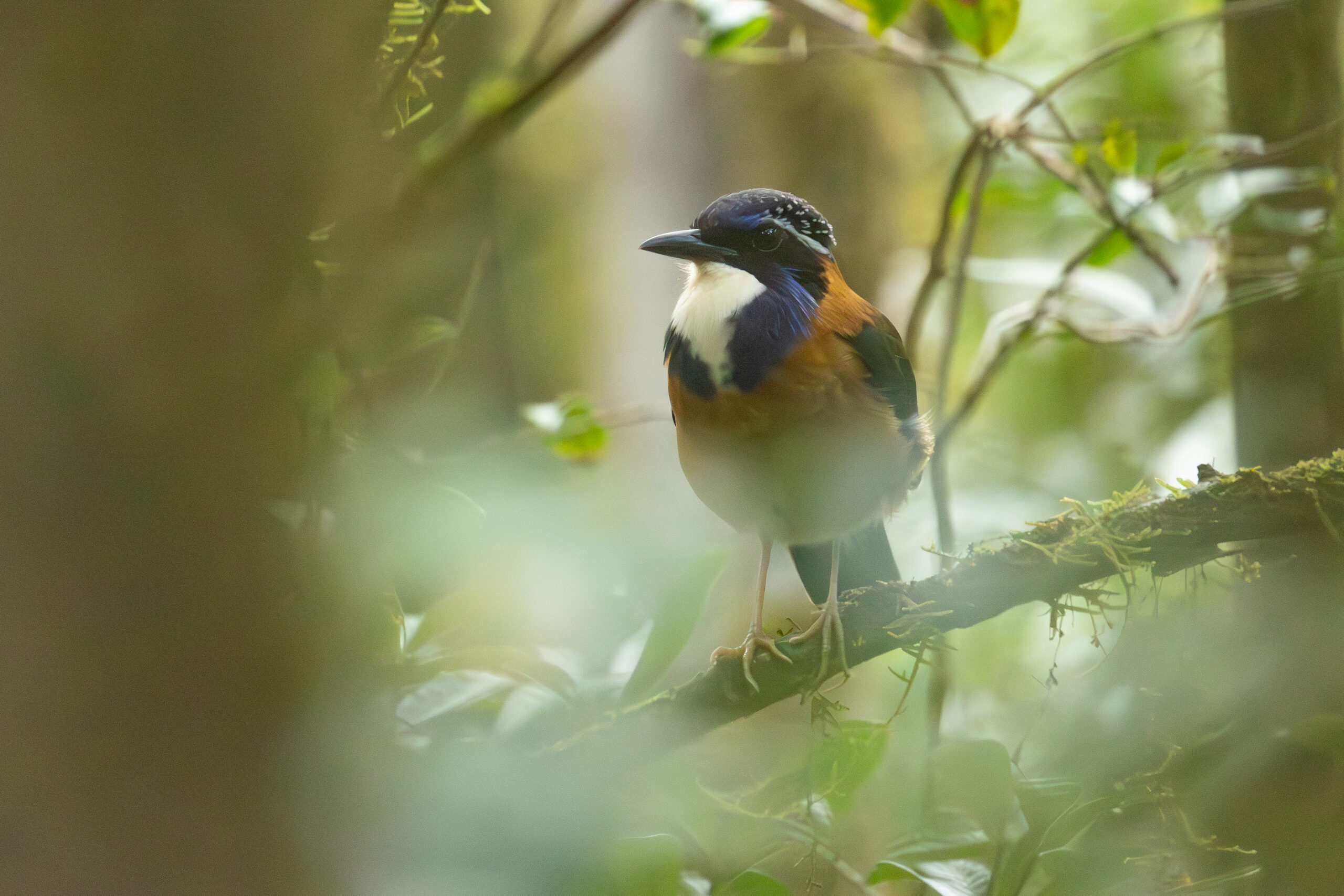
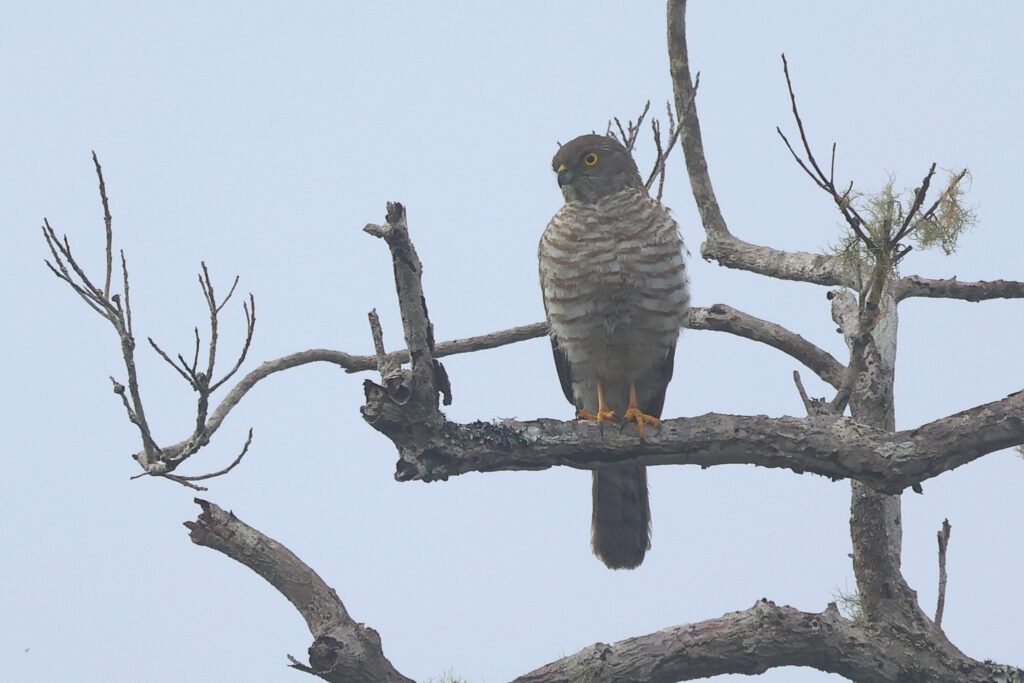
We continued driving along and stopping regularly whenever we found activity. This produced sightings of Malagasy Kingfisher, Madagascar Cuckooshrike, the jet-black male Velvet Asity, the other-worldly Cuckoo-roller and a soaring France’s Sparrowhawk. We parked at the start of the “Circuit Eulophia” trail and set off on foot into the forest. The first bird we saw was an immediate contender for bird of the day: a Madagascar Ibis walked briskly on the forest floor and disappeared as quickly as it came into view. The birding was spectacular, and mixed species flocks contained the likes of Tylas, Red-tailed, White-headed, Madagascar Blue and Nuthatch Vangas (what a bird!), Ward’s Flycatcher (a monarch flycatcher-like vanga), members of the Malagasy warbler family, Bernieridae, including, Wedge-tailed Jery, Rand’s Warbler and Spectacled Tetraka, in addition to many of the abovementioned species.
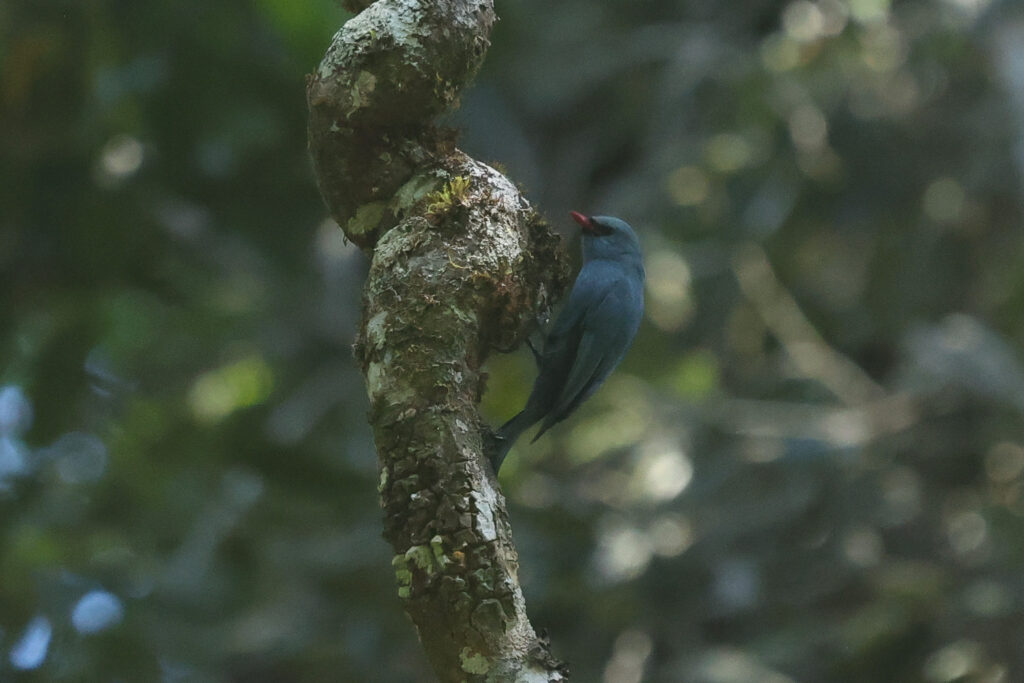
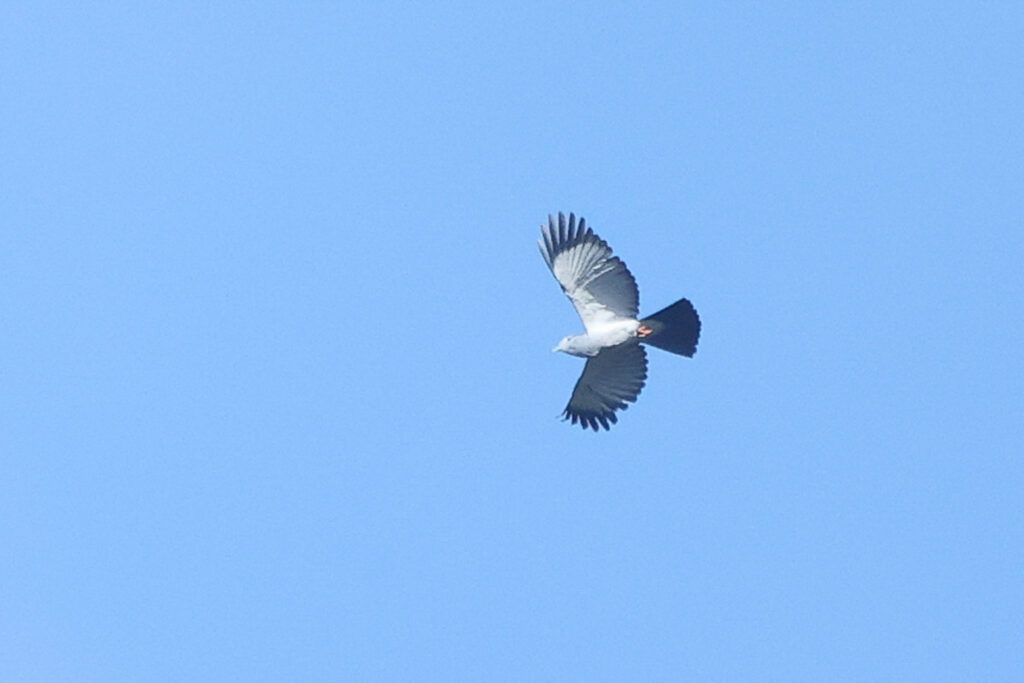
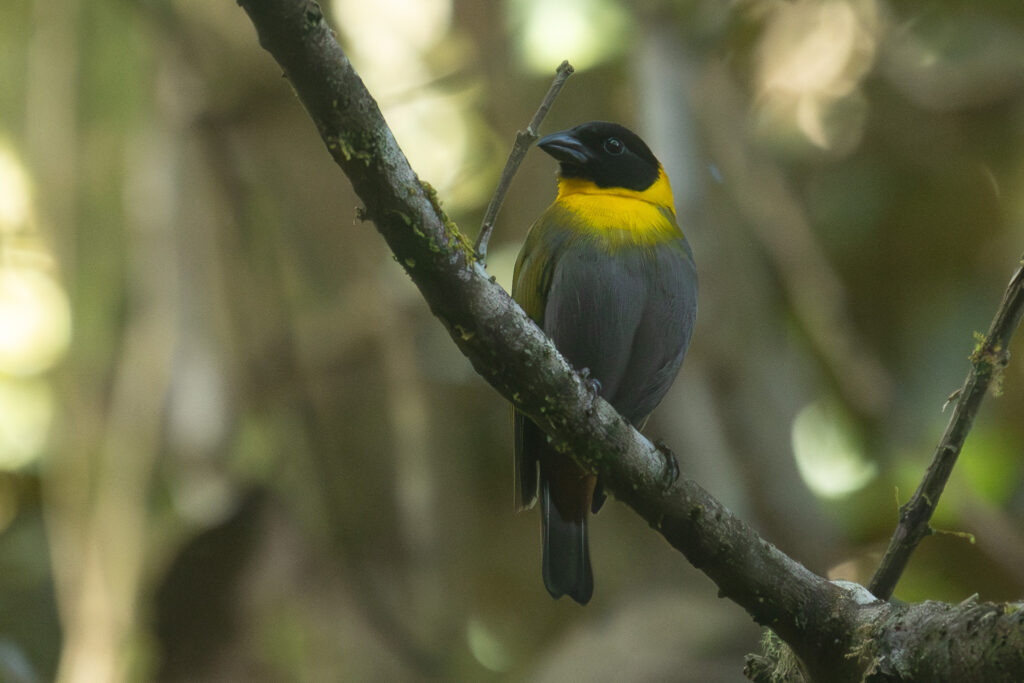
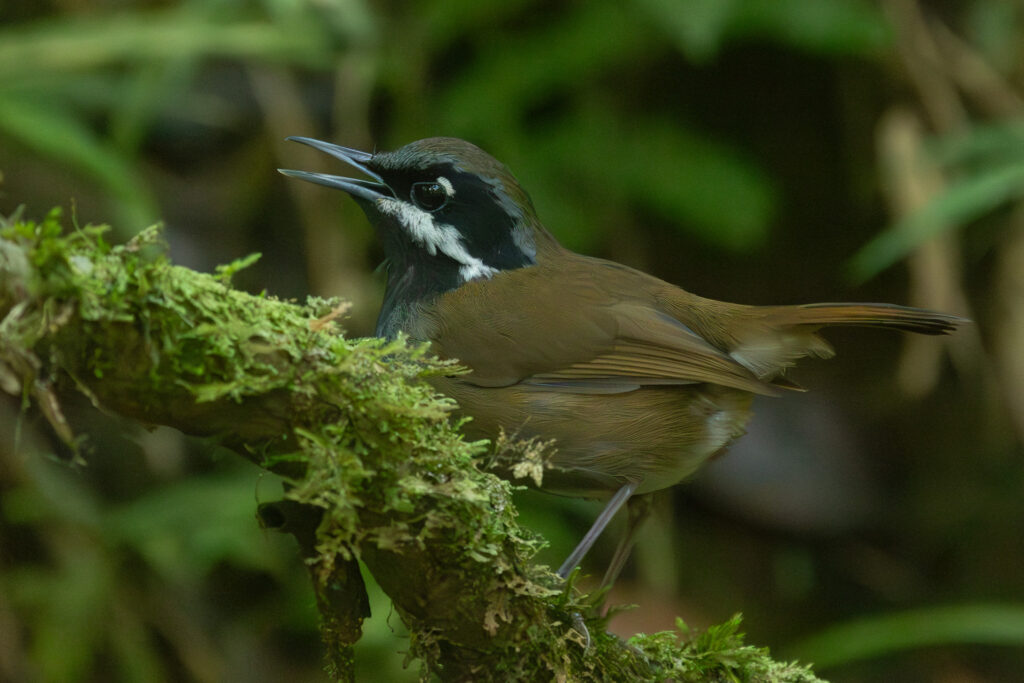
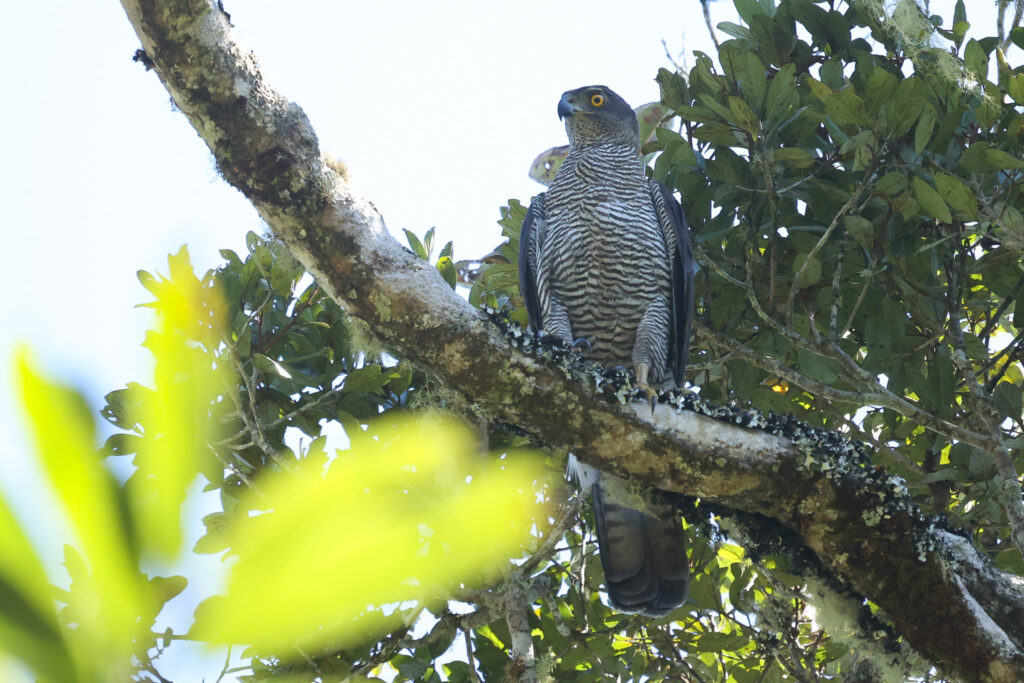
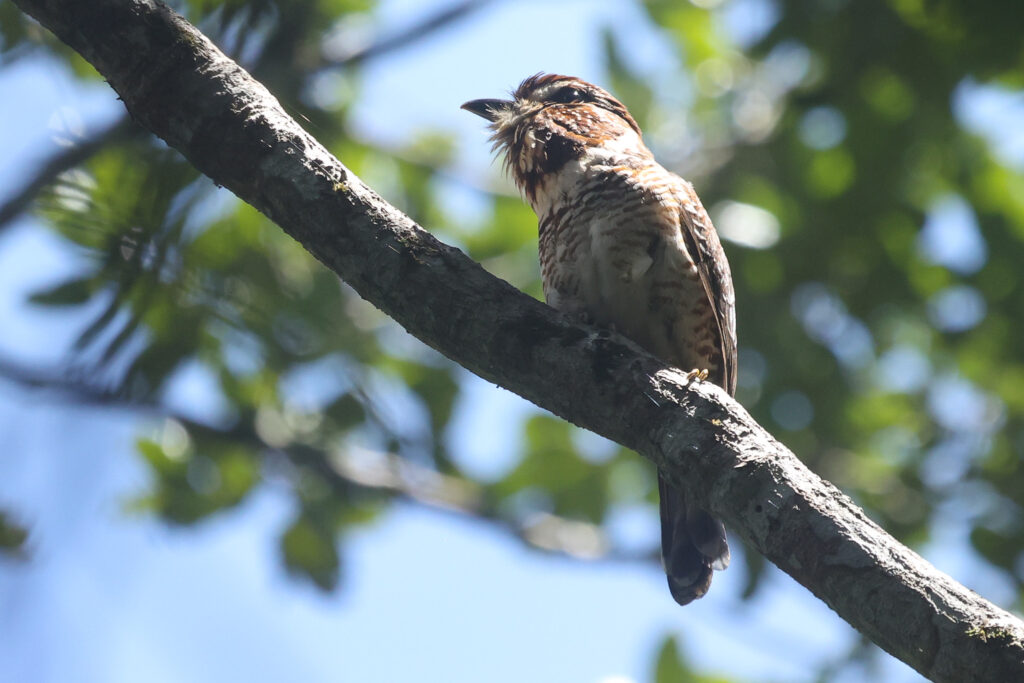
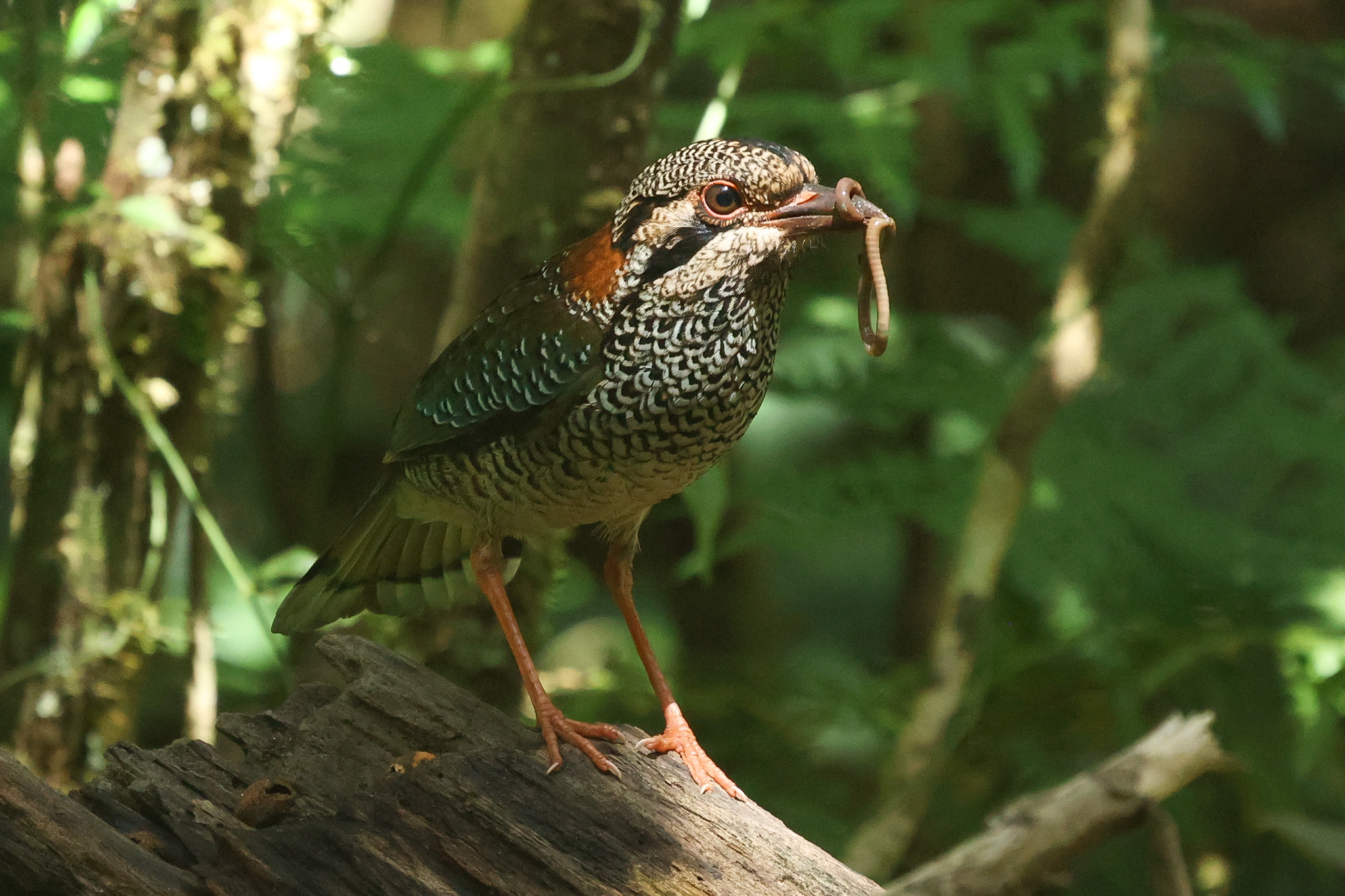
The true stand-out species for me, however, were the ground rollers, and we enjoyed superb views of Scaly Ground Roller feeding a fledgeling and what turned out to be our only Short-legged Ground Roller for the trip! Crossley’s Vanga is a bizarre, babbler-looking bird, and we had frame-filling views almost at arm’s reach, whilst Madagascar Blue Pigeons were more reclusive, only perching high up in the canopy.
A brief stop at a pond in a forest clearing delivered Madagascar Swamp Warbler, Olive Bee-eater, Broad-billed Roller, African Stonechat and a pair of Madagascar Spinetails. Mammals were also well represented over the course of the morning, and we saw the large Black-and-white Ruffed Lemur, Red-bellied Lemur, Diademed Sifaka and the iconic Indri, as well as the weird-looking Lowland Streaked Tenrec. After lunch in the field, we clambered through the forest up a steep hillside to see the impressive Henst’s Goshawk at its nest – a breathtaking experience – literally and figuratively!
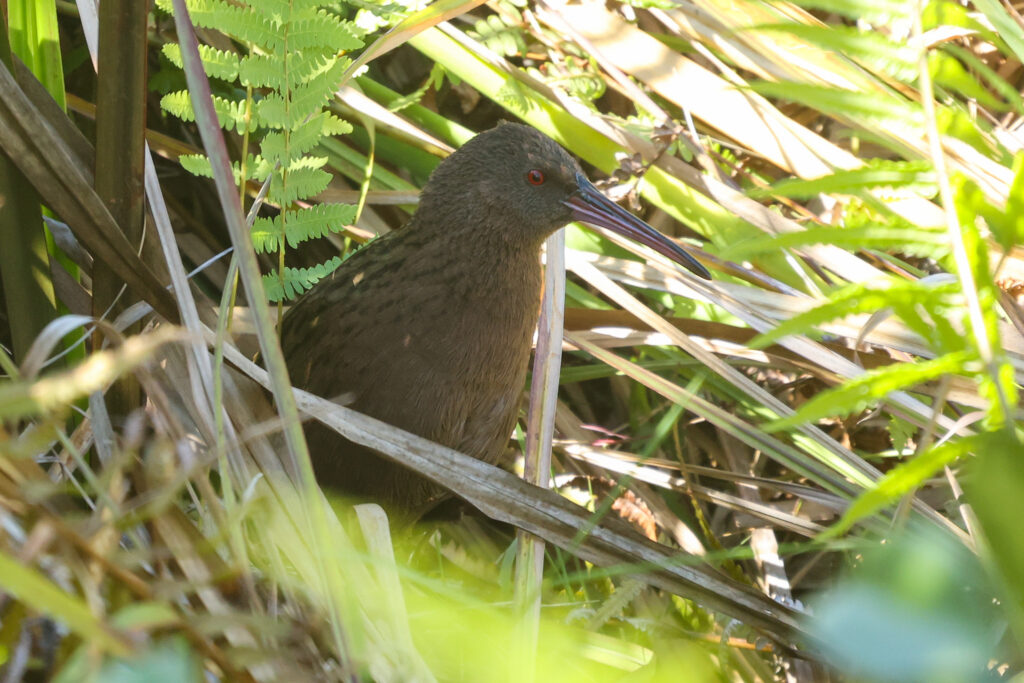
On our way out, we stopped at a wetland that yielded Madagascar Mannikin, Malagasy Green Sunbird, and the main target, Madagascar Rail, which we saw unbelievably well. After having a short break back at the lodge, we made our way towards the V.O.I.M.M.A Community Reserve for a night walk.
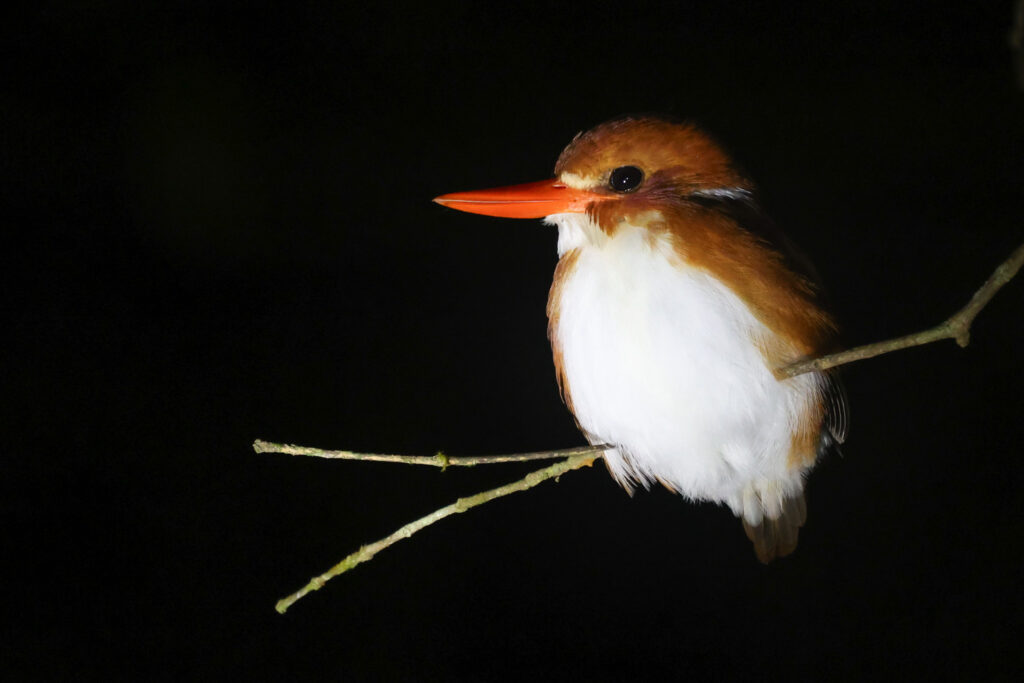
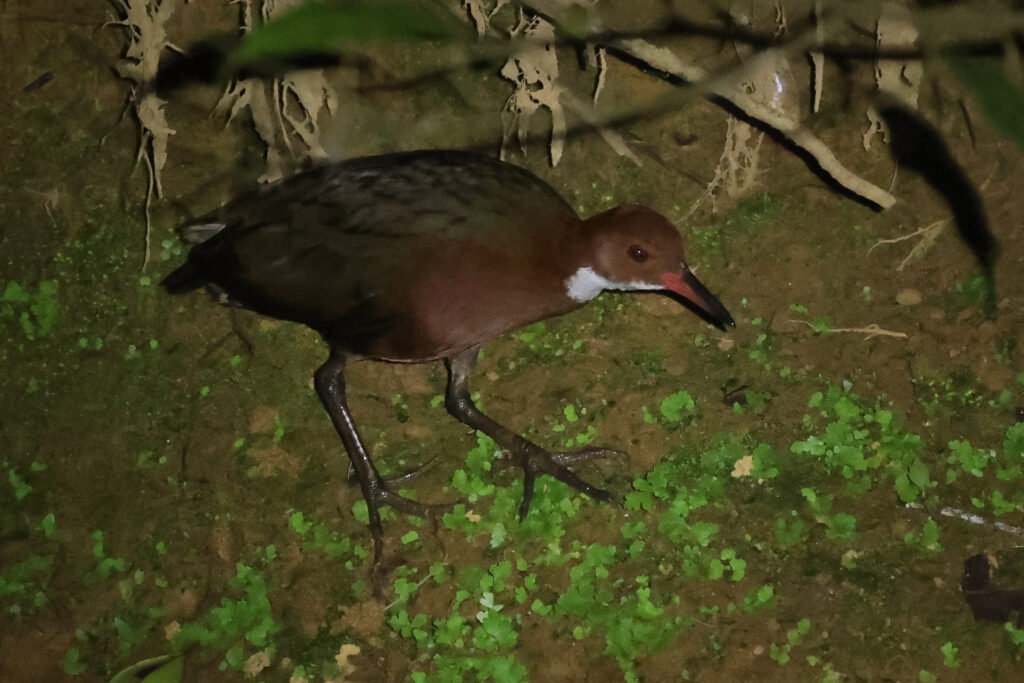
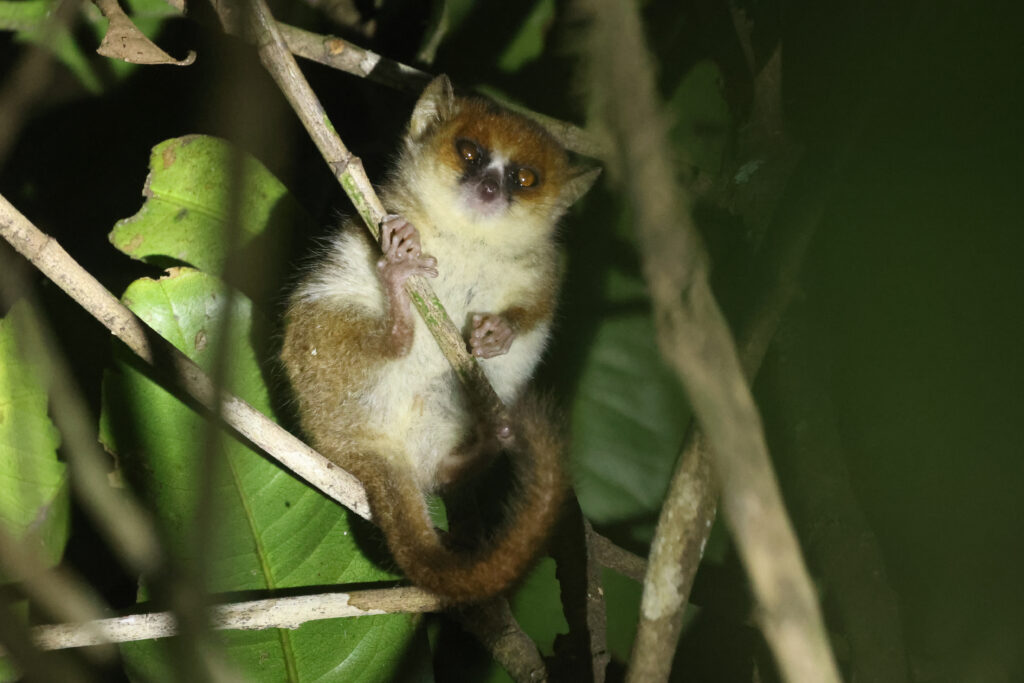
We saw good numbers of frogs and chameleons, and the diminutive Goodman’s Mouse Lemurs kept us entertained. The calls of Rainforest Scops Owls were ever present, and we had terrific views of White-throated Rail and Madagascar Pygmy Kingfisher at night. We arrived back at Vakona in time for dinner after an incredible first full day out!
Day 3, 21st November 2023: Analamazoatra Reserve
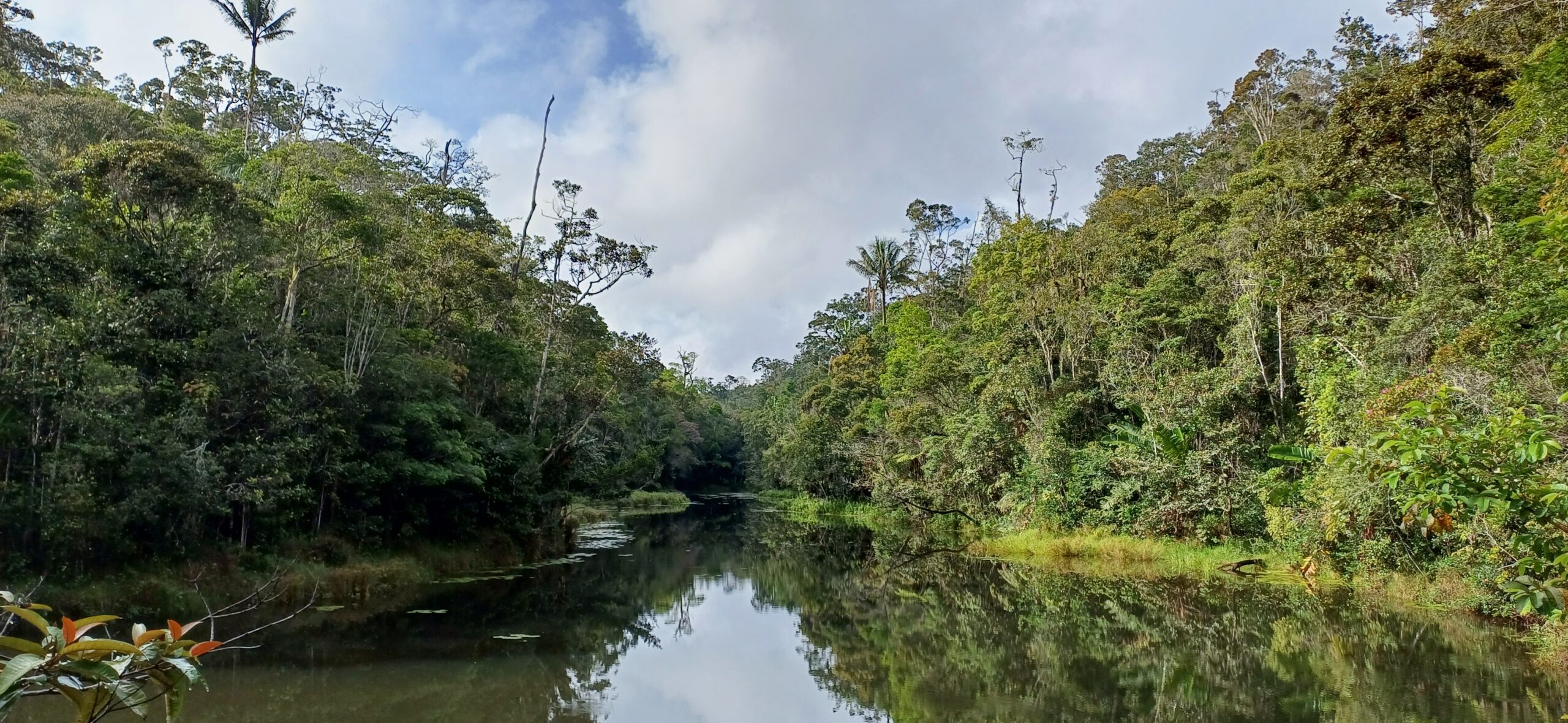
We were up again before dawn, this time heading back along the main access road through the rural town of Perinet to Analamazoatra Reserve. This large protected forest is one of the more accessible sites in the area and is seemingly popular with tourists hoping to see Indri. The park boasts an impressive trail network and appears to be under good management. We started on the main trail into the forest and soon found ourselves working through the first mixed species flock, which contained the likes of Chabert and Red-tailed Vanga, Malagasy Bulbul, Crested Drongo, and the first Madagascar Starling (one of only two sightings on the entire trip). The forest surrounding the lake delivered the spectacular Blue Coua, and we heard both Madagascar Flufftail and Henst’s Goshawk in this area.
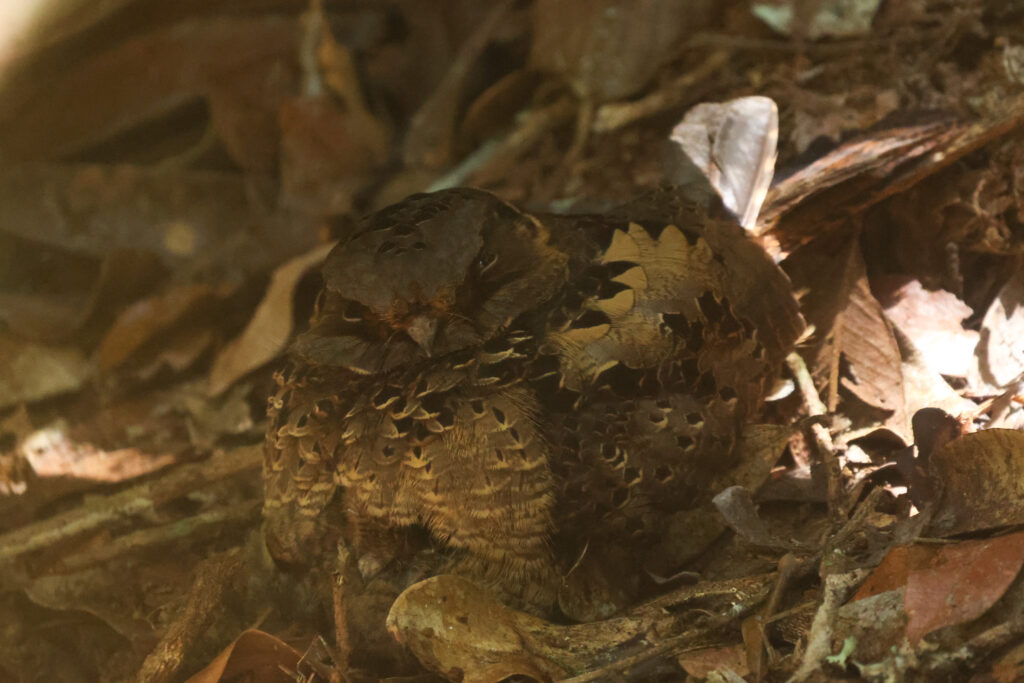
Christopher led us to one of his stakeouts for Rufous-headed Ground Roller, and after an extensive game of cat-and-mouse, the bird finally gave itself up for brief yet satisfactory views. I can only equate that individual’s behaviour to that of a flufftail – a real skulker. Shortly afterwards, we had improved views of a pair of Pitta-like Ground Rollers, which poured themselves out for us, and we bagged White-throated Oxylabes, a bird with almost arcane skulking abilities. The activity was constant yet manageable throughout the morning, and we added another two excellent birds, Madagascar Forest Rail and Collared Nightjar, the latter of which were on a day roost. The nightjar is exceptionally poorly known; in fact, there are no recorded vocalisations for the species!
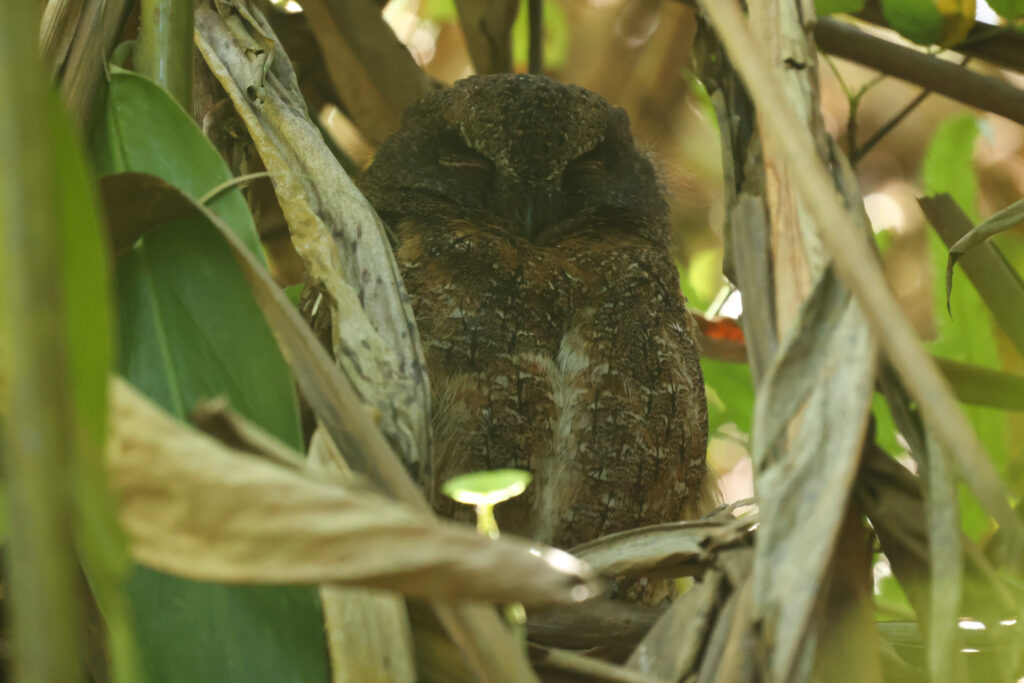
Some of the more common species recorded included the ever-present Souimanga Sunbird, Green and Stripe-throated Jery, Rand’s Warbler, Malagasy White-eye, Malagasy Paradise Flycatcher, Malagasy Brush Warbler and Madagascar Magpie-Robin. Cuckoo-rollers were vocal but proved challenging to see as they performed their aerial displays above the canopy. In the mammal department, we had great views again of Indri and our first Eastern Grey Bamboo Lemur. However, our main target here, Red-breasted Coua, had eluded us. We returned to Vakona for lunch, making a quick stop along the way to see a roosting Madagascar Scops Owl and we had a flyover Madagascar Buzzard too.
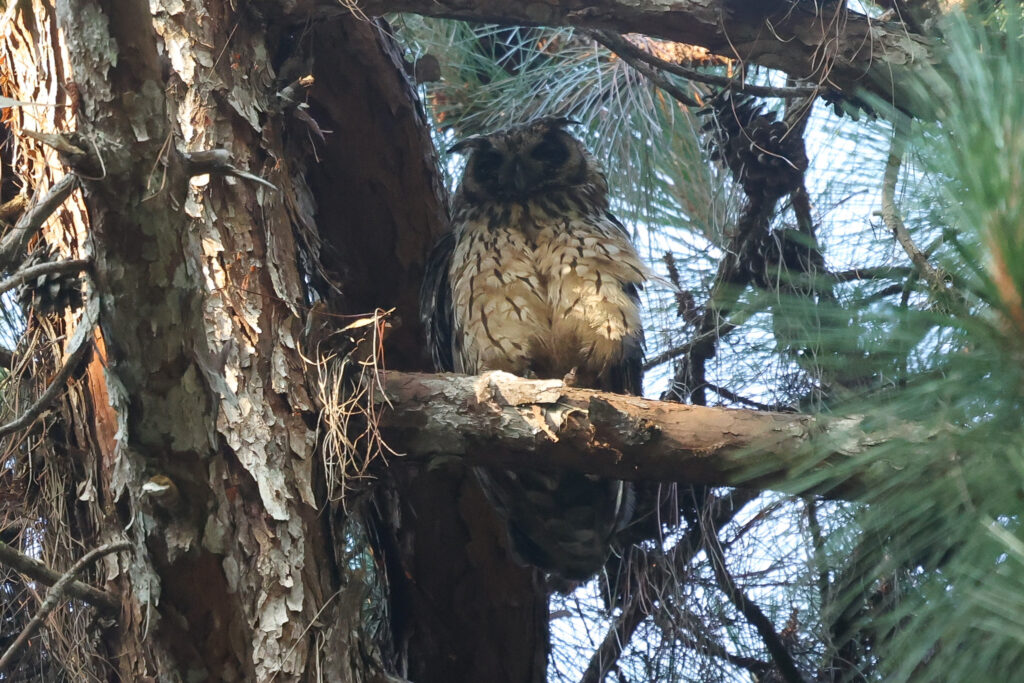
After lunch and a siesta, we headed back to Analamazoatra Reserve. The activity had died down considerably, and the only noteworthy sighting was another obliging Crossley’s Vanga. We made a final stop on the way back at a stand of pine trees, a known stakeout for Madagascar Owl, and thankfully, the birds played along nicely. We had an early night as we would be leaving well before dawn the following day to visit one of the lesser-known forests in the area.
Day 4, 22nd November 2023: Iaroka Forest
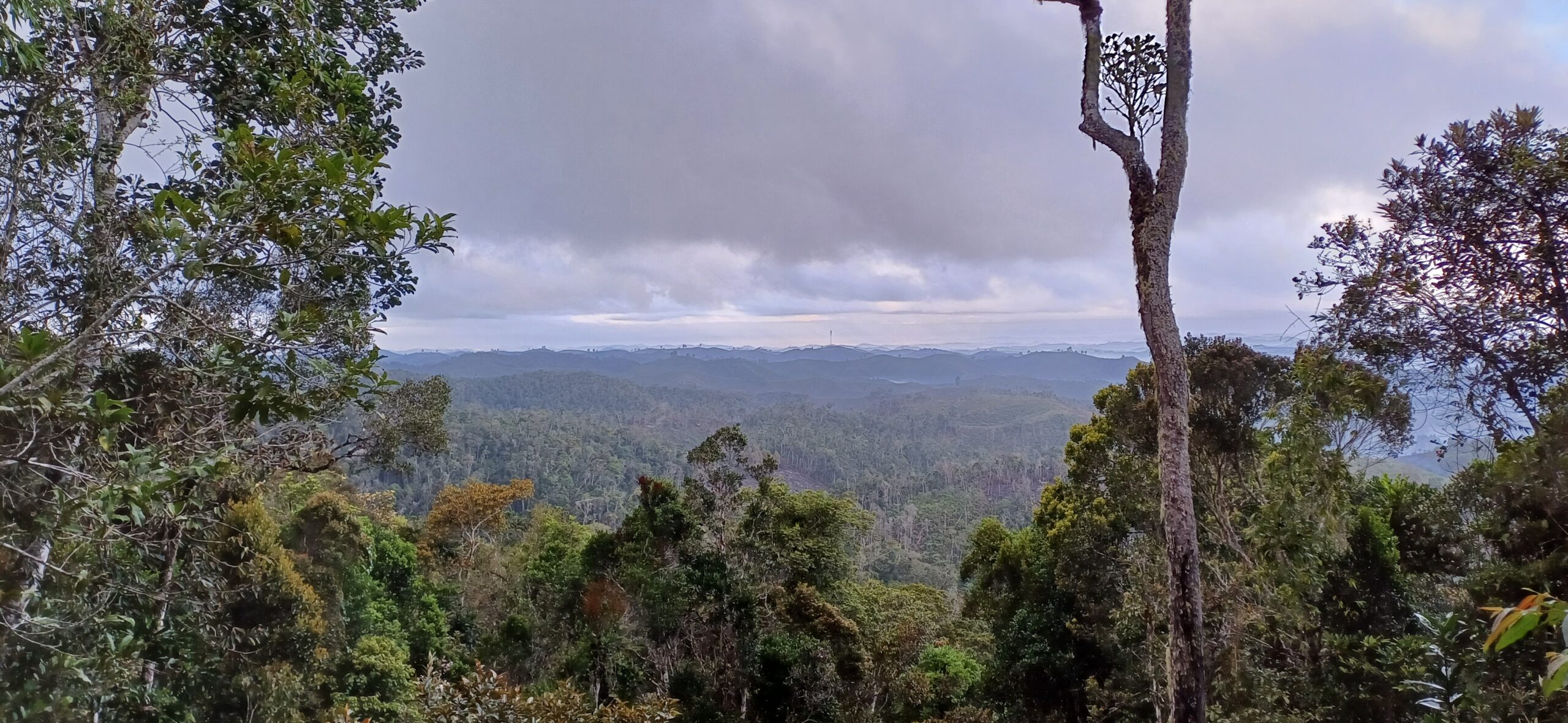
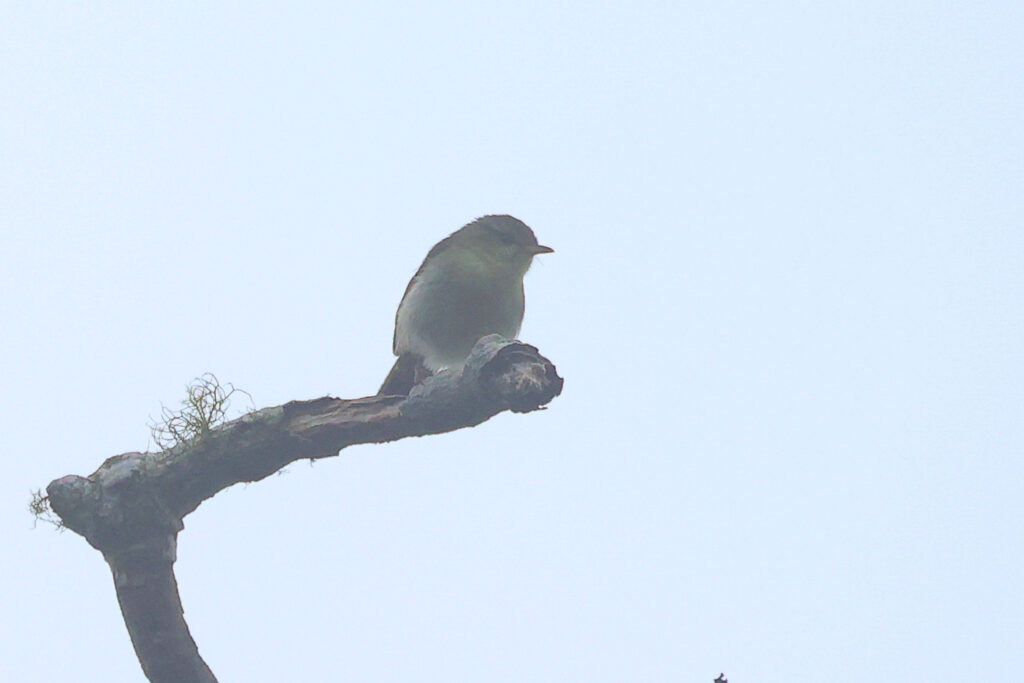
Our morning started at 4:00 am as an arduous two-hour drive on poor dirt roads lay ahead of us. We would be spending the day hiking in Iaroka Forest, an area that is seldom visited on birding tours to the country and that occasionally delivers scarce species like Helmet and Bernier’s Vanga. As the sun began to rise, a Madagascar Nightjar flushed from the road. We wound up the muddy track and stopped at the summit near the start of the trail. The view was awe-inspiring; the pristine forest stretched as far as the eye could see, and clouds drifted by, seemingly through the canopy. “Cryptic Warbler“, Christopher said in his typical calm tone. High in the canopy sat a tiny warbler-like tetraka, a species only discovered as recently as 1992!
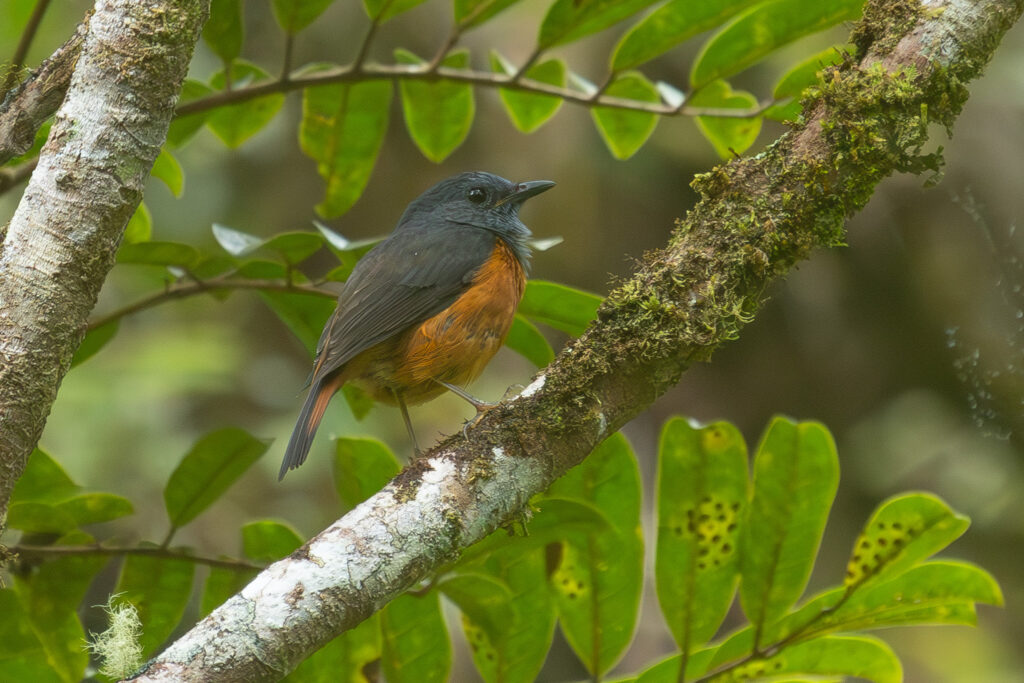
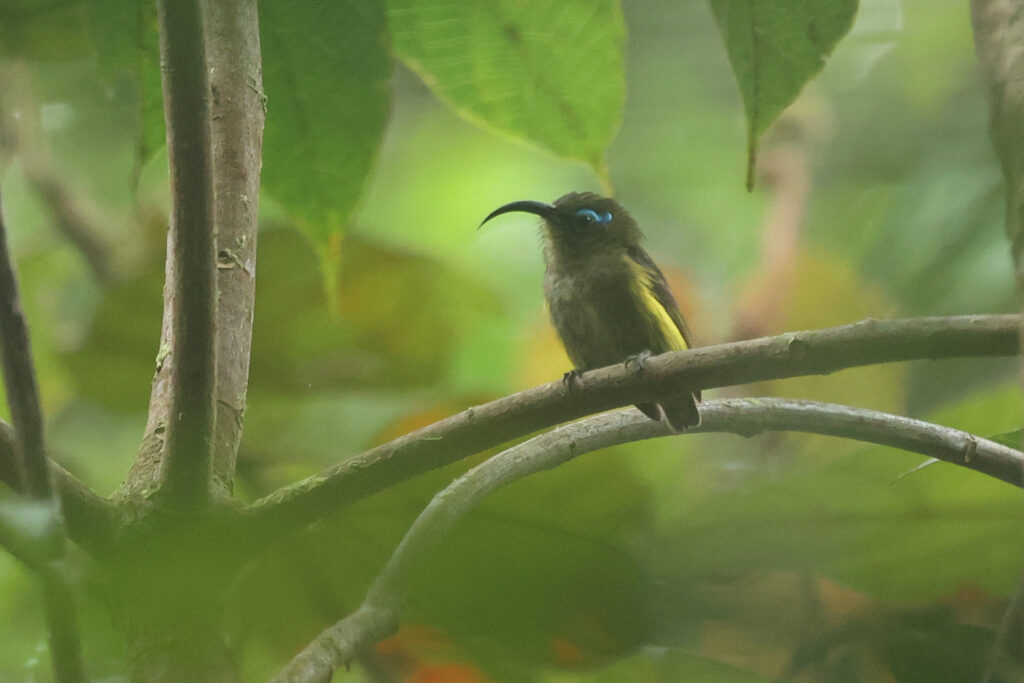
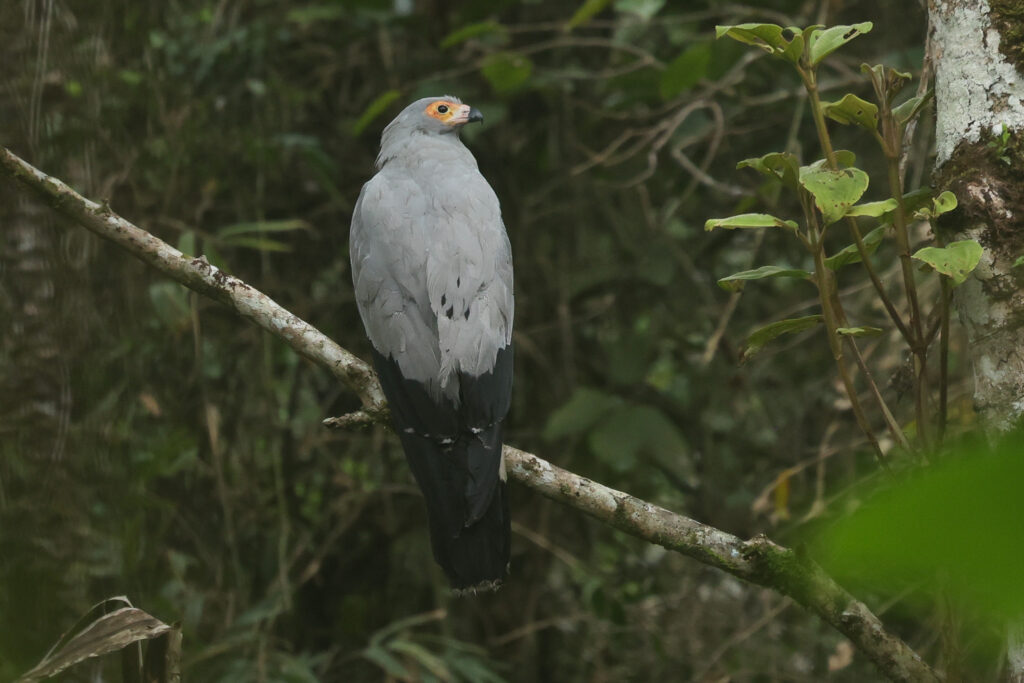
The hike was far more intense than anticipated; the trails were poorly maintained, slippery, and steep. Mixed species flocks yielded our first Dark Newtonia, Forest Rock Thrush, the gorgeous Common Sunbird-Asity, and many of the species we had seen over the past few days. We finally managed to get visuals of a showy male Madagascar Flufftail, enjoyed several Blue Couas and had our only Madagascar Sparrowhawk for the trip, shortly followed by a Madagascar Harrier-Hawk. Unfortunately, we failed to see either of the major vanga targets here; however, both are easier on the Masoala Peninsula in the far north-east of the country. Our final addition for the day was a skulking Red-fronted Coua that refused to show for more than a split second at a time. We returned to Vakona at sunset and after walking an intense 21 km.
Day 5, 23rd November 2023: Analamazoatra Reserve
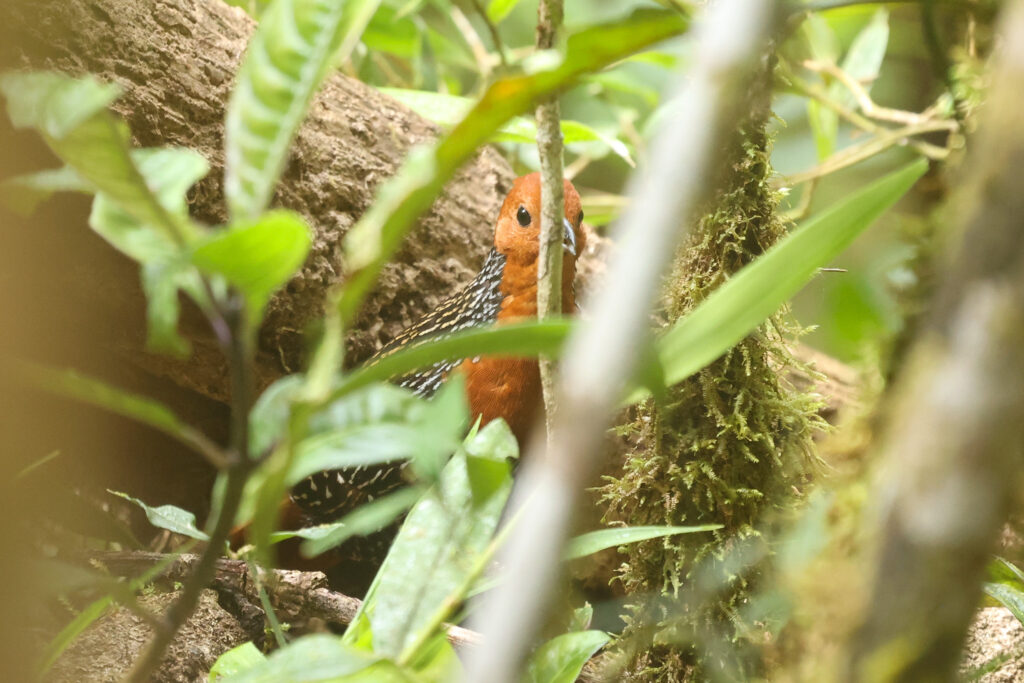
Today was to be our last full day birding the Andasibe area. We were out early again with one target in mind: the elusive Red-breasted Coua. We rolled into Analamazoatra Reserve, and Christopher led the way at a blistering pace through the forest. The strategy for this bird was simply to ‘trawl’ by playing the call and walking through the forest in the hopes of enticing a response. Two hours had passed, and although we had seen some good birds, I could feel the dip sinking in.
We had another view of Henst’s Goshawk, shortly followed by our second Nuthatch Vanga of the trip, along with Rand’s Warbler, Madagascar Pygmy Kingfisher and Nelicourvi Weaver. After three hours, Christopher and Reja were both looking despondent, and just then, we heard it, the loud “teeee oooooo” call of the coua! Christopher almost threw himself down the muddy forested hillside, and we all followed him.
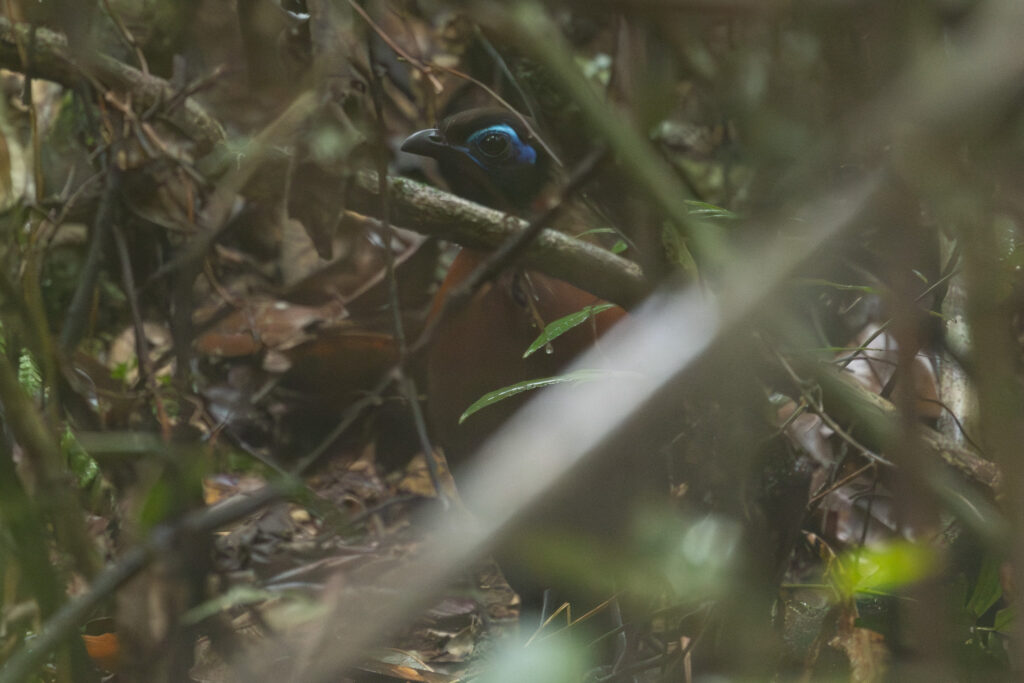
At one point, we were crawling on all fours to make our way up a steep embankment as we pursued the call. We stopped, and Christopher played the call again. Suddenly, there it was, a Red-breasted Coua, standing concealed in the dense forest floor vegetation. We were ecstatic; our hard work had paid off. As this was our last realistic target for the area, we returned to Vakona for lunch and spent a relaxed afternoon strolling through the lodge grounds, where we had great views of Malagasy Coucal, Cuckoo-roller and hundreds of Mascarene Martins. At night, we returned to V.O.I.M.M.A Community Reserve for a night walk, which once again yielded an assortment of frogs, a leaf-tailed gecko and two lemurs, Goodman’s Mouse Lemur and a night lemur. The only birds encountered included a calling Madagascar Scops Owl and another White-throated Rail.
Join me in Part 2 as I continue my Madagascar birding adventure and travel to the spiny forests of the south-west in search of one of Madagascar’s most range-restricted birds.