This is the final part of my Madagascar birding and scouting trip on behalf of Birding Africa. You can have a look at my eBird Trip Report here.
Day 10, 28th November 2023. Isalo National Park – Ranomafana National Park
After a wonderful night featuring a vocal White-browed Owl, it was time to hit the road eastwards once more. The drive from Isalo to Ranomafana National Park took most of the day. However, the constantly changing scenery was a highlight for me. We passed through grasslands, mountain passes, massive monoliths, and, eventually, lush rainforests. I only managed a single lifer on this day, a large flock of Malagasy Black Swifts.
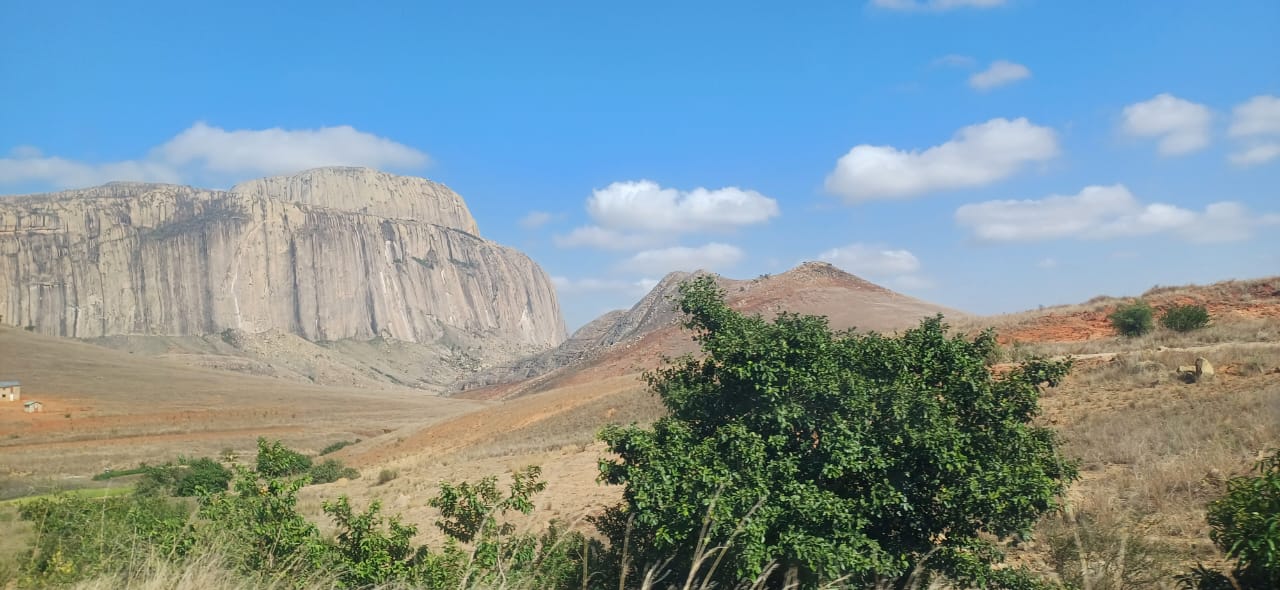
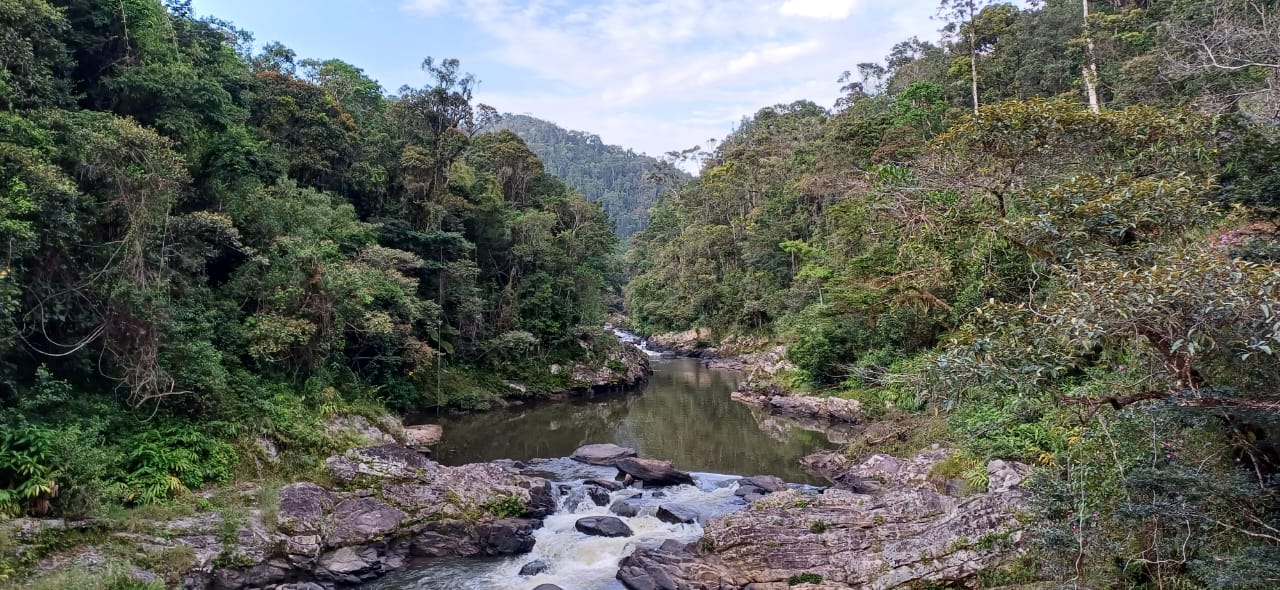
The road snaked its way down the steep forested valley before reaching the small town of Ranomafana. The forests around the town are protected and form part of the 41,000-hectare Ranomafana National Park. Our arrival just before sunset meant I would only experience these forests the next day; I couldn’t wait.
Day 11, 29th November 2023. Birding Ranomafana National Park
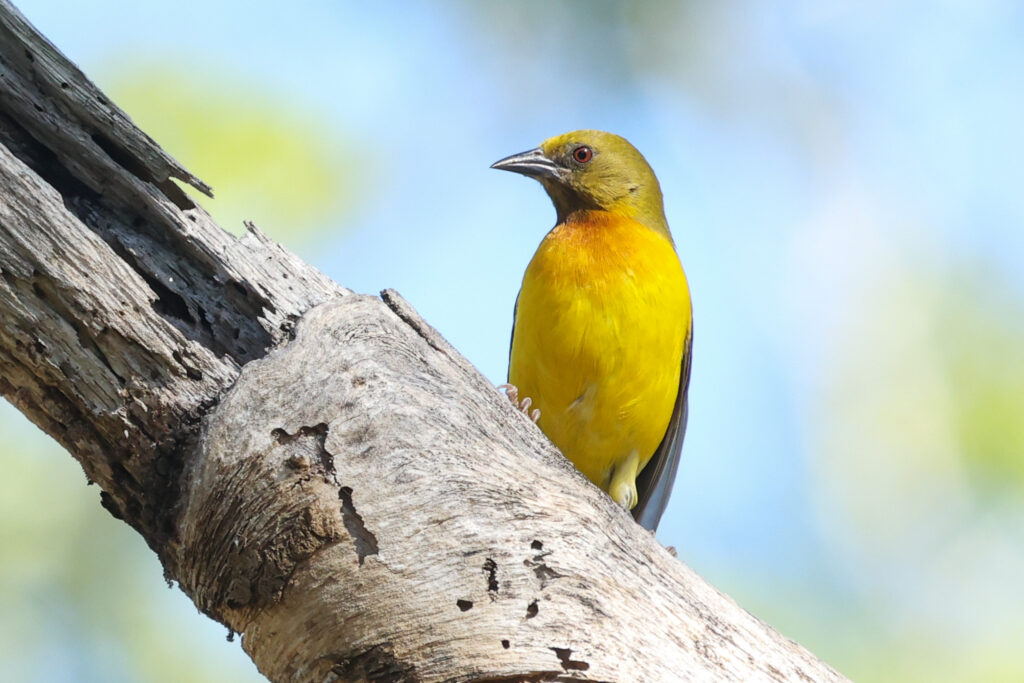
As usual, we were out on the forest trails just after sunrise. Our plan for the morning was to bird the lower-altitude forests along the Soarano Trail. The topography here was far more mountainous than around Andasibe (Part 1), and we were in for quite a walk. Initially, we saw many of the same species we had seen previously, with bird parties producing views of Tylas, Red-tailed, Crossley’s, Hook-billed, Rufous and White-headed Vanga, along with Madagascar Cuckooshrike, Ward’s Flycatcher, Madagascar Starling, Rand’s Warbler, Spectacled Tetraka and Nelicourvi Weaver.
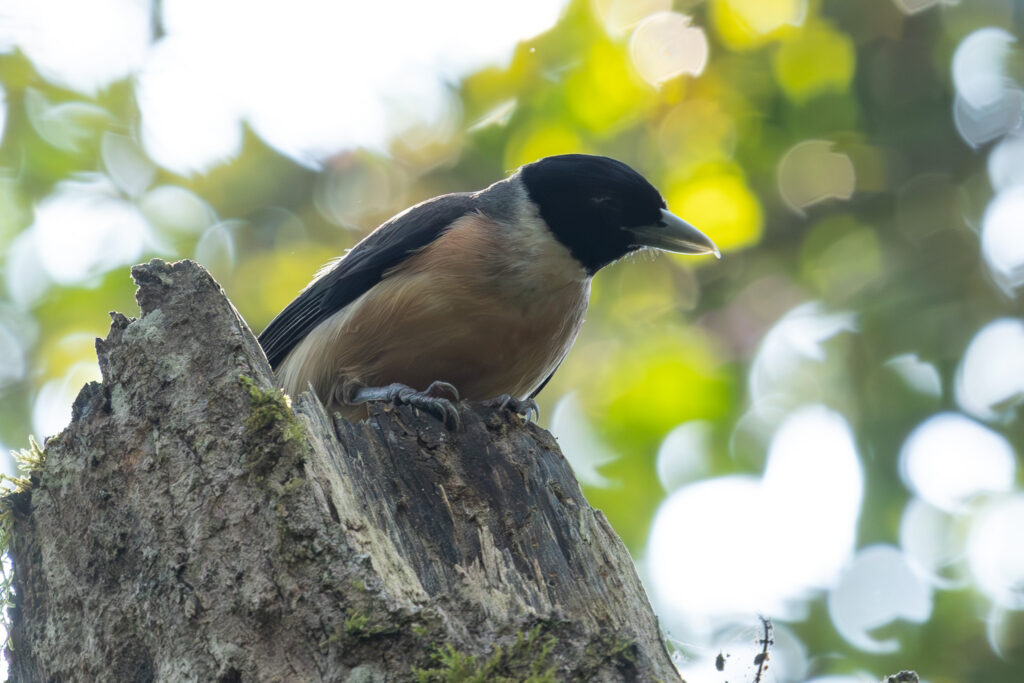
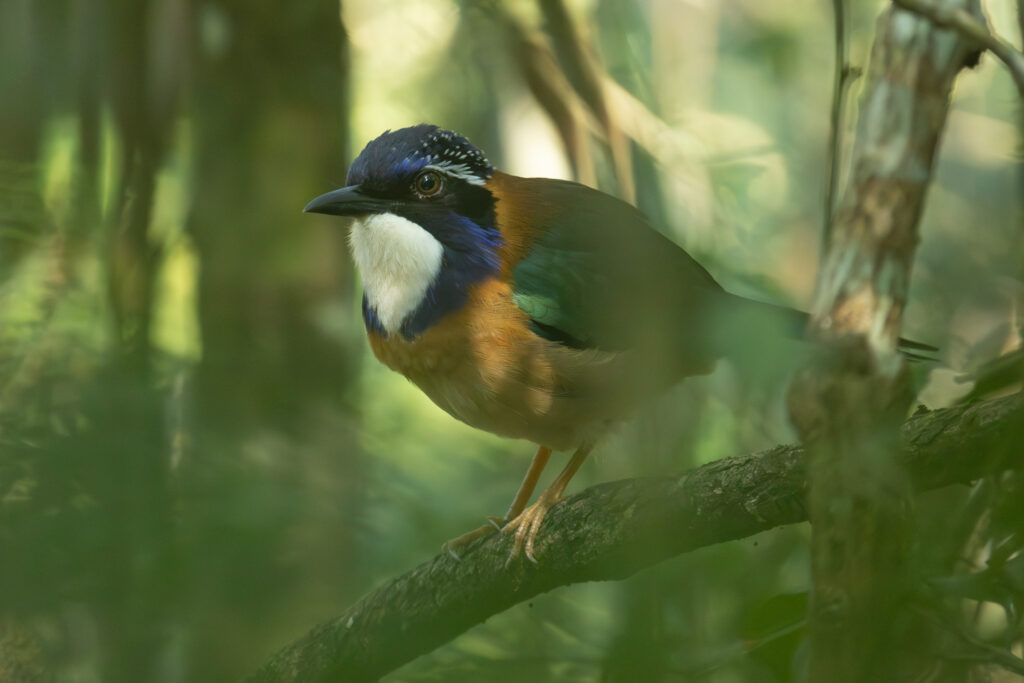
The activity was constant, and after a while, one of our main targets showed well – the scarce Pollen’s Vanga. Ground rollers were also a feature with both Scaly and Pitta-like Ground Rollers making an appearance while vocal Greater Vasa Parrots flew overhead. Lemurs were well represented, with the critically endangered Golden Bamboo Lemur (part of the reason for establishing this national park) being the highlight. Red-bellied Lemur and Common Brown Lemur were also seen.
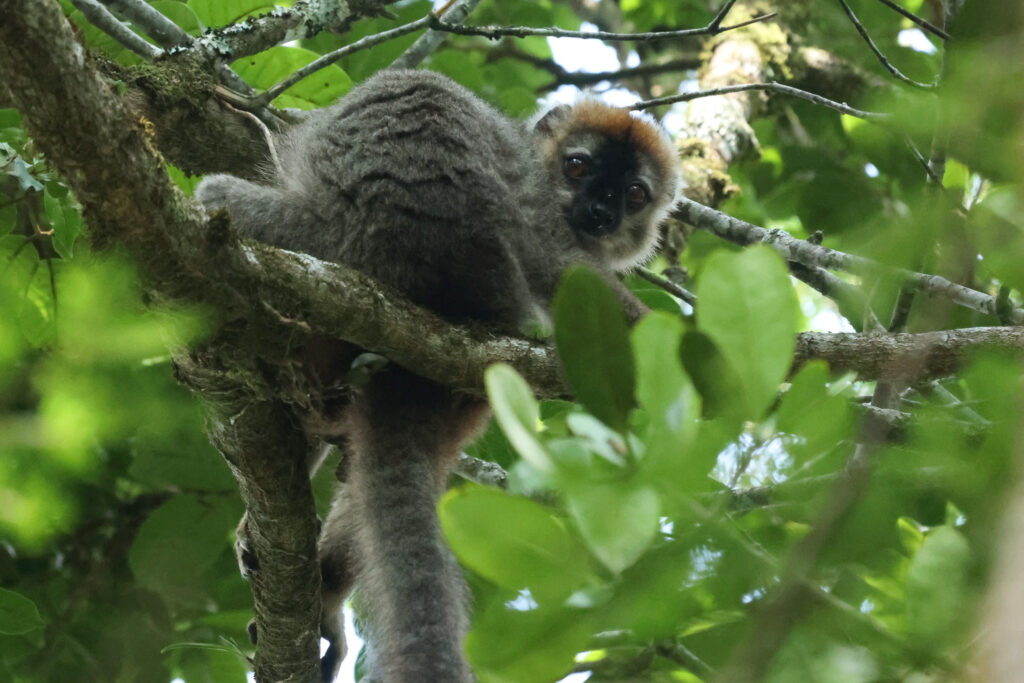
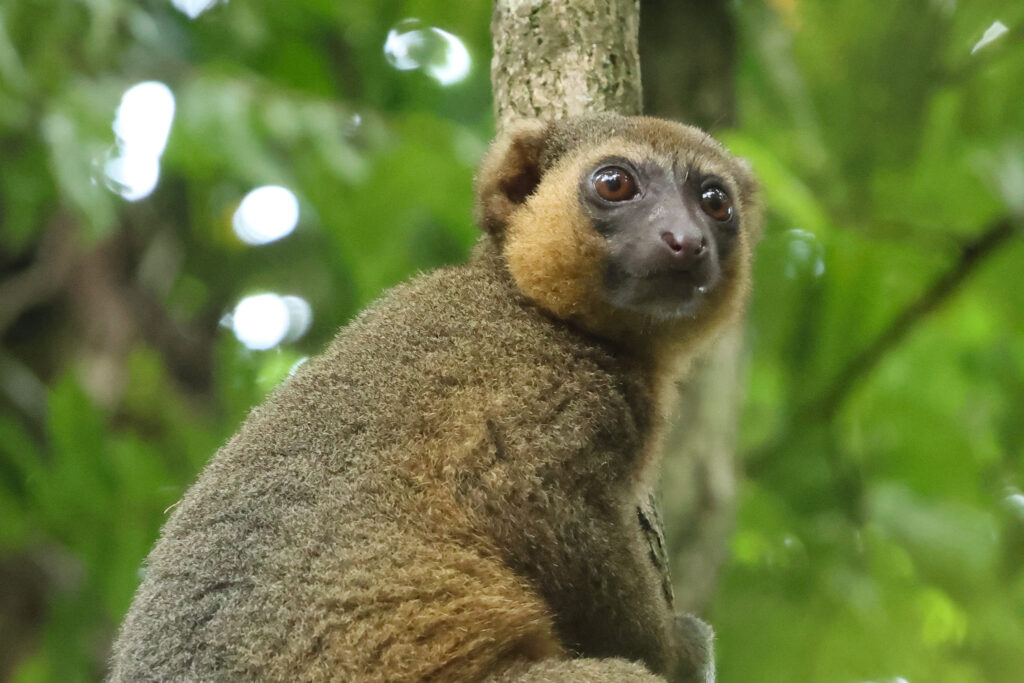
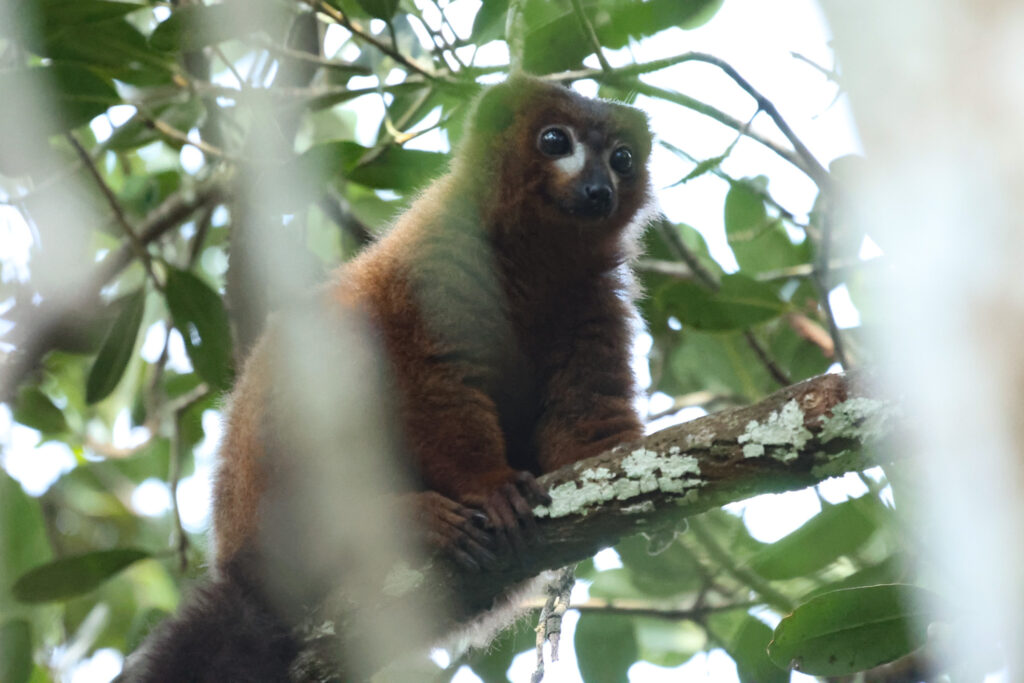
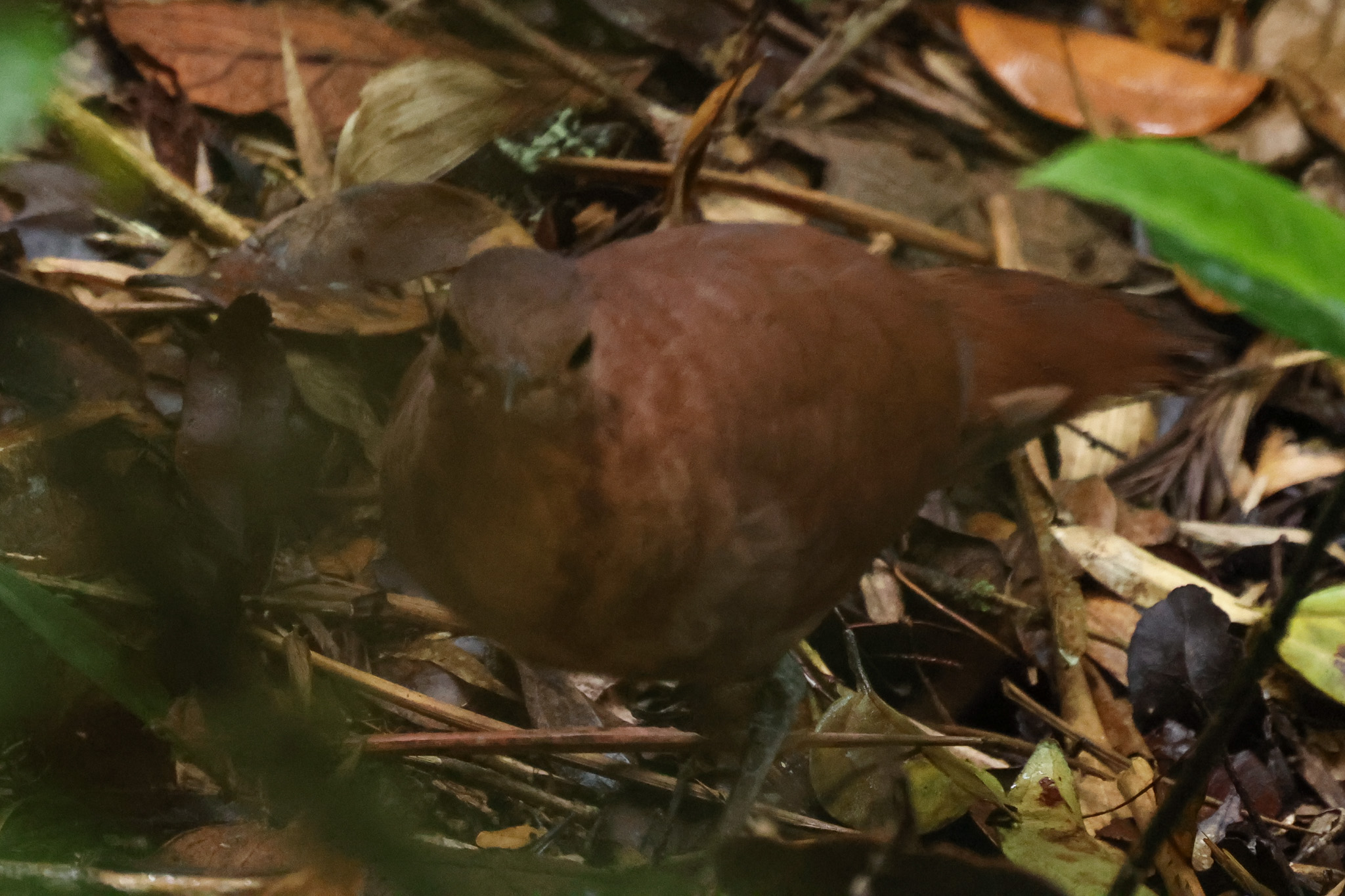
We spent most of the morning birding these lower-elevation forests (900 meters above sea level) and transitioned to the higher-elevation forests (1,200 meters above sea level) in the afternoon. We birded along the Vohipara Trail, where we encountered Dark Newtonia, Velvet Asity, Madagascar Blue Pigeon, Blue Coua and after a heart-racing cat-and-mouse game, our main target – Brown Mesite. The rain set in during the last hours of the day and we retreated to our accommodation; what a day it had been.
Day 12, 30th November 2023. Ranomafana National Park
We headed back to the Vohipara Trail this morning to stake out a Brown Emutail at its nest. This cryptic warbler proved impossible to see, and unlucky for us, the nest was no longer in use. All we got was a single response to the playback and then nothing. This was an annoying defeat, but I tried not to let it detract from the spectacular birding here.
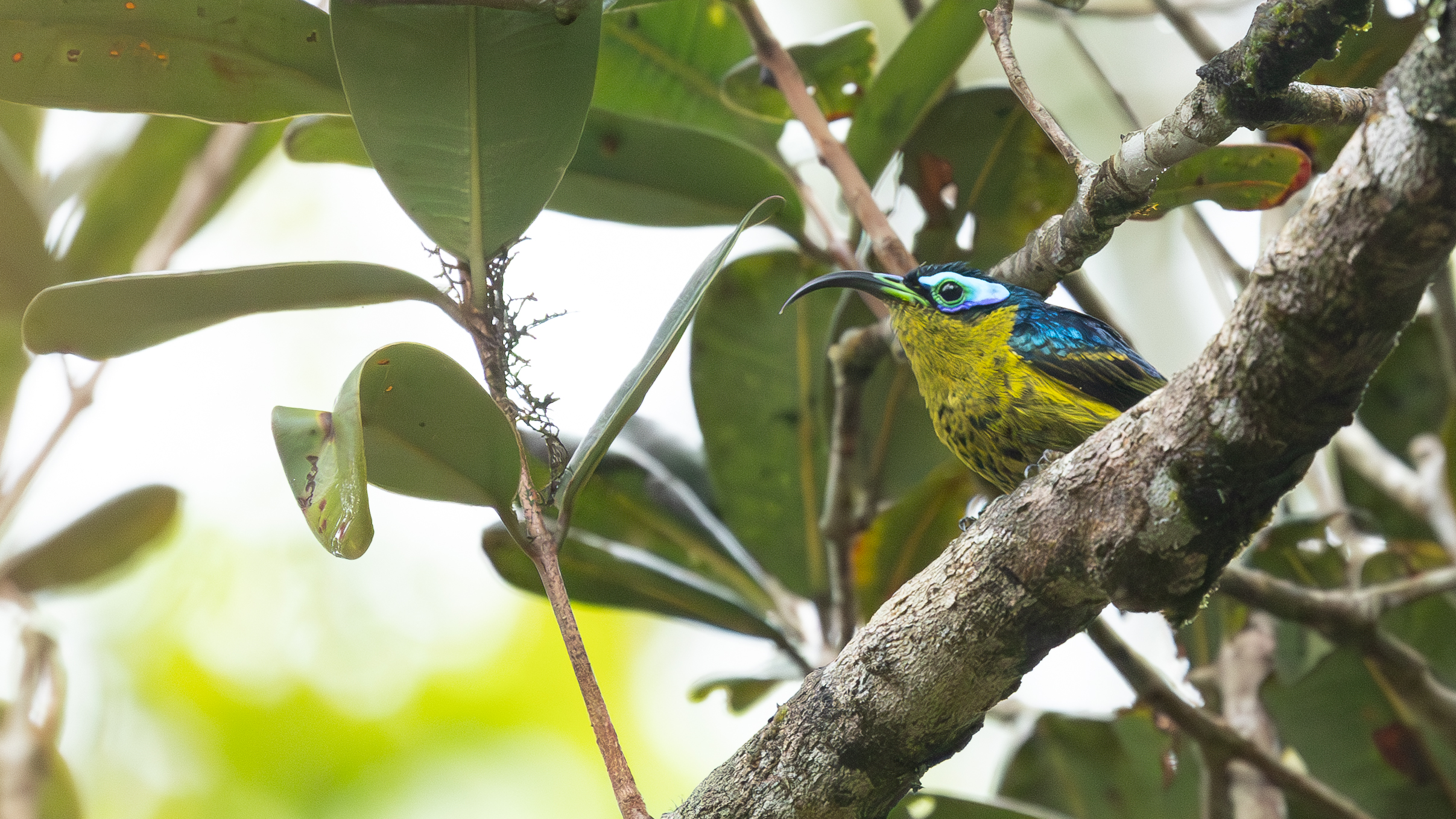
We saw Common Sunbird-Asity (incredibly well), Pitta-like Ground Roller, Common and Green Jery (I haven’t mentioned the Jery’s enough in these reports; they’re great little birds but hard to compare to ground rollers), Forest Fody, White-throated Oxylabes, and the super skulking Madagascar Yellowbrow – probably the most attractive of the tetrakas. We heard both Madagascar Forest Rail and Rufous-headed Ground Roller and saw no less than four Pollen’s Vangas in one of the bird parties.
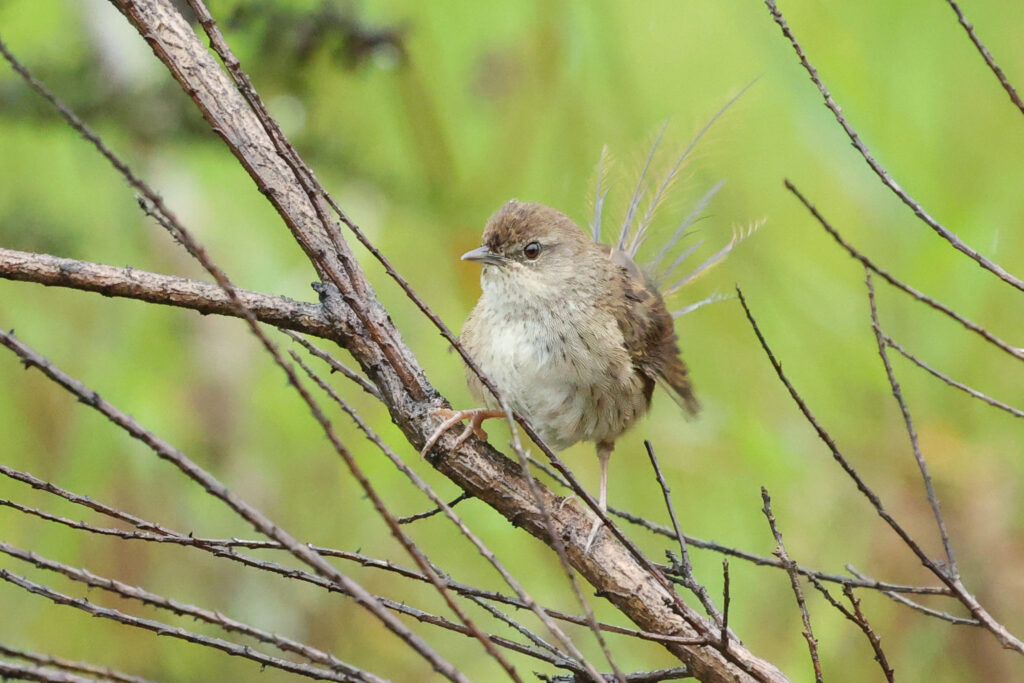
The rain was back again in the afternoon. However, as this was our last day of birding before the return to Antananarivo, I was determined to stick it out and try for some of the wetland species along the Amboditanimena Trail. It proved to be successful and yielded close-up views of Grey Emutail (the marsh counterpart of the now no longer spoken of Brown Emutail), as well as flushed views of Madagascar Snipe and, after a long wait in pouring rain, the endangered Meller’s Duck.
Day 13-14, 1st – 2nd December 2023. Ranomafana National Park – Antananarivo
Birding on this trip had now come to an end for all intents and purposes, and the entirety of the next two days were spent on the road as we undertook the journey back to Antananarivo with an overnight stop in Antsirabe.
Day 15, 3rd December 2023. Departure.
As I watched Antananarivo’s rice paddies and distinctive architecture gradually disappear below me, I had a moment to reflect on an incredible adventure in a part of the world that has always been high on my bucket list. Madagascar is a unique place that is spectacularly diverse in every way, from its people to its landscapes and, of course, its biodiversity. The trip yielded just over 100 endemics, exceeding my expectations. I am extremely grateful to Birding Africa for the opportunity to visit this part of the world. I would urge anyone with the means to visit Madagascar to do so. So many of the island’s iconic species are under severe threat of extinction, and their continued persistence depends on visitors.
I landed in Johannesburg, did some much-needed washing, saw my family, and boarded my flight to Brazil the next day.