This blog is part two of my Northwest Argentina birding trip with Garret and Joshua. It focuses on our time birding the Córdoba Sierras and Salinas Grandes. See our eBird trip report here.
Day 2. 8 January 2024. Birding the Córdoba Sierras
After what had been an incredible first day of Buenos Aires birding, we caught our early morning flight to Córdoba, where we were met at the airport by Martín Toledo. Martín had offered to take us around for a few days, and we made our way out of the large city of Córdoba and up the mountainous roads of the Córdoba Sierras. These mountains form an isolated range in central Argentina that runs parallel to the Andes. From the birder’s perspective, two species are endemic to these mountains, along with several endemic subspecies that may be candidates for future splits, so we had our work cut out for us.
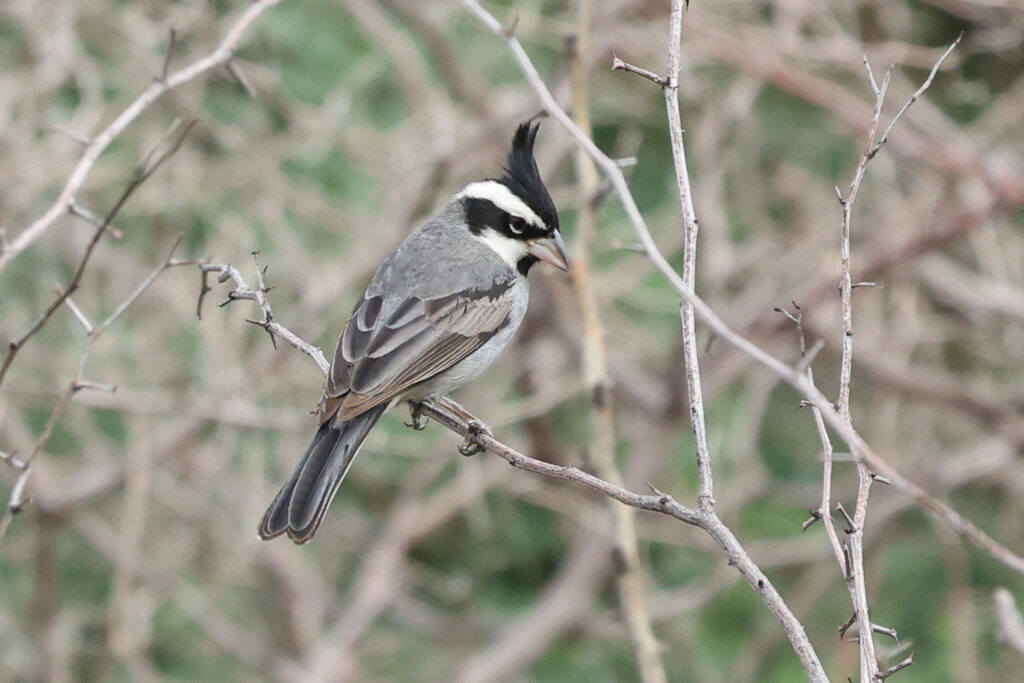
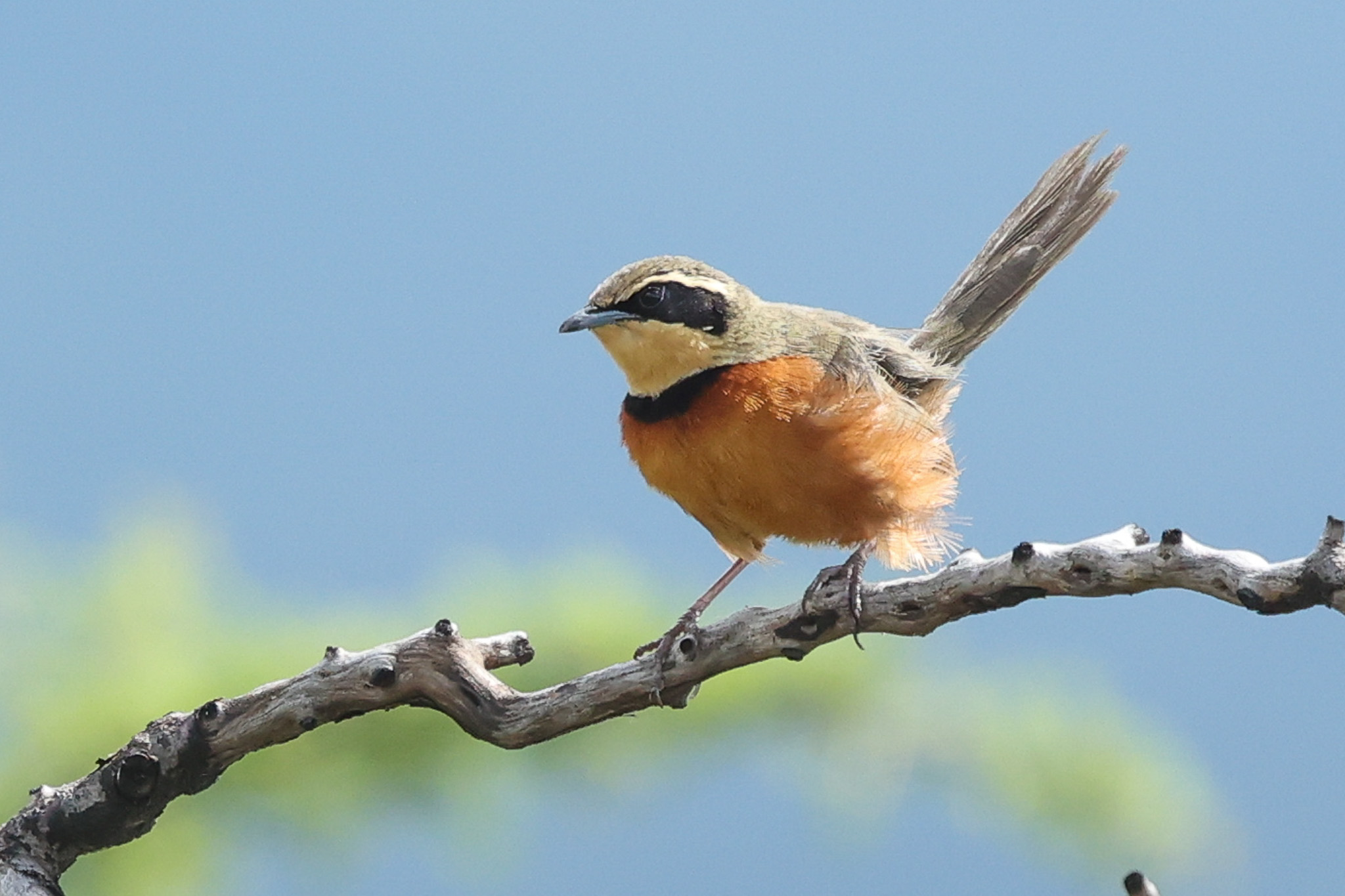
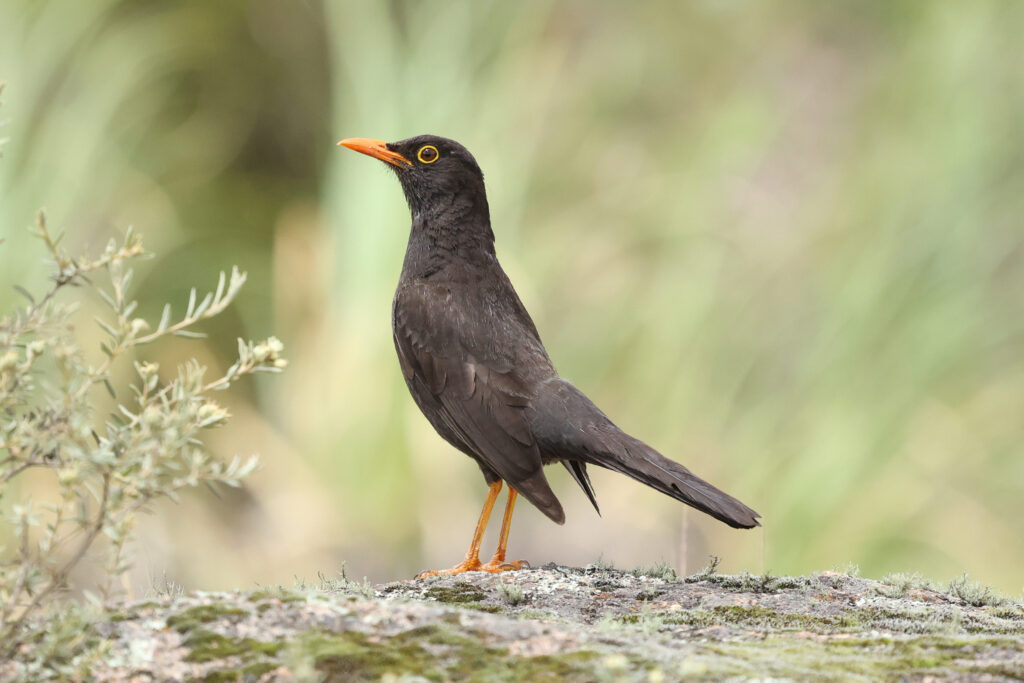
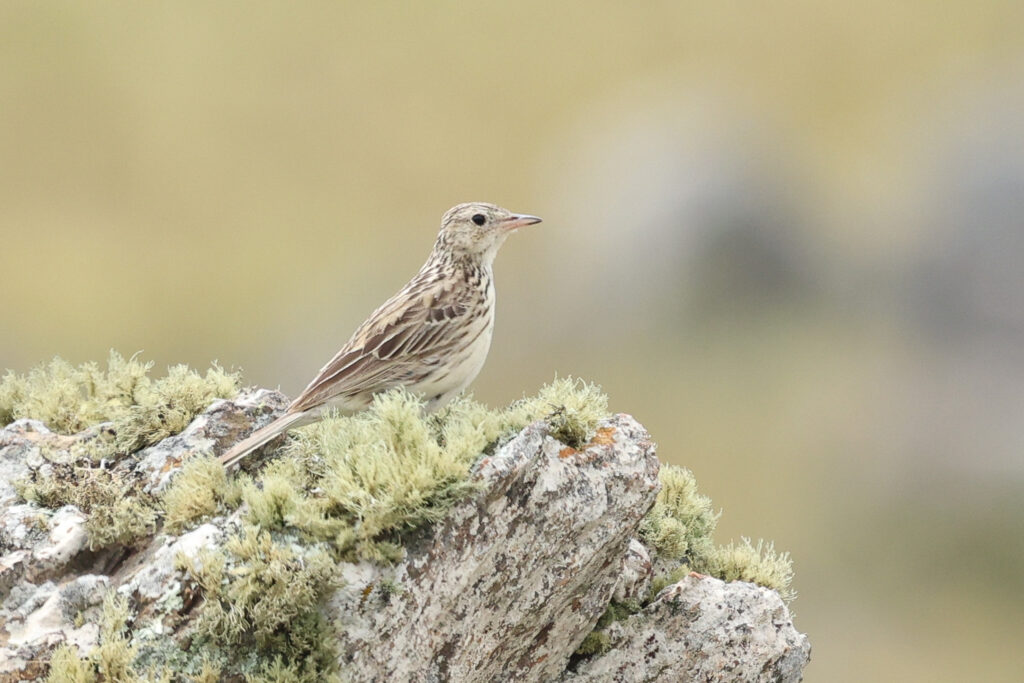
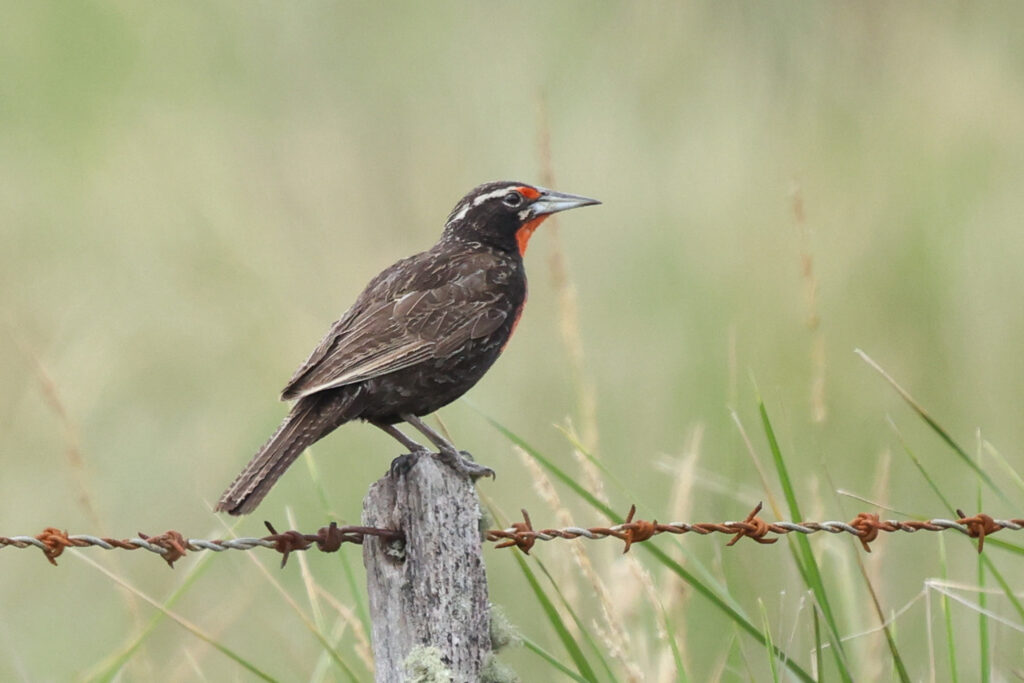
Our first stop on the lower slopes produced a vocal and uncharacteristically showy Olive-crowned Crescentchest. This bird was soon followed by more common species like Blue-and-yellow Tanager, Chiguanco Thrush, and Buff-necked Ibis. We continued making our way further up the mountains. Upon reaching the grasslands, we started seeing birds like Hellmayr’s Pipit, Grassland Yellow Finch, Grass Wren, Long-tailed Meadowlark (of the endemic Sierran subspecies), Black-and-chestnut Warbling Finch, and our first tinamou of the trip, Andean Tinamou.
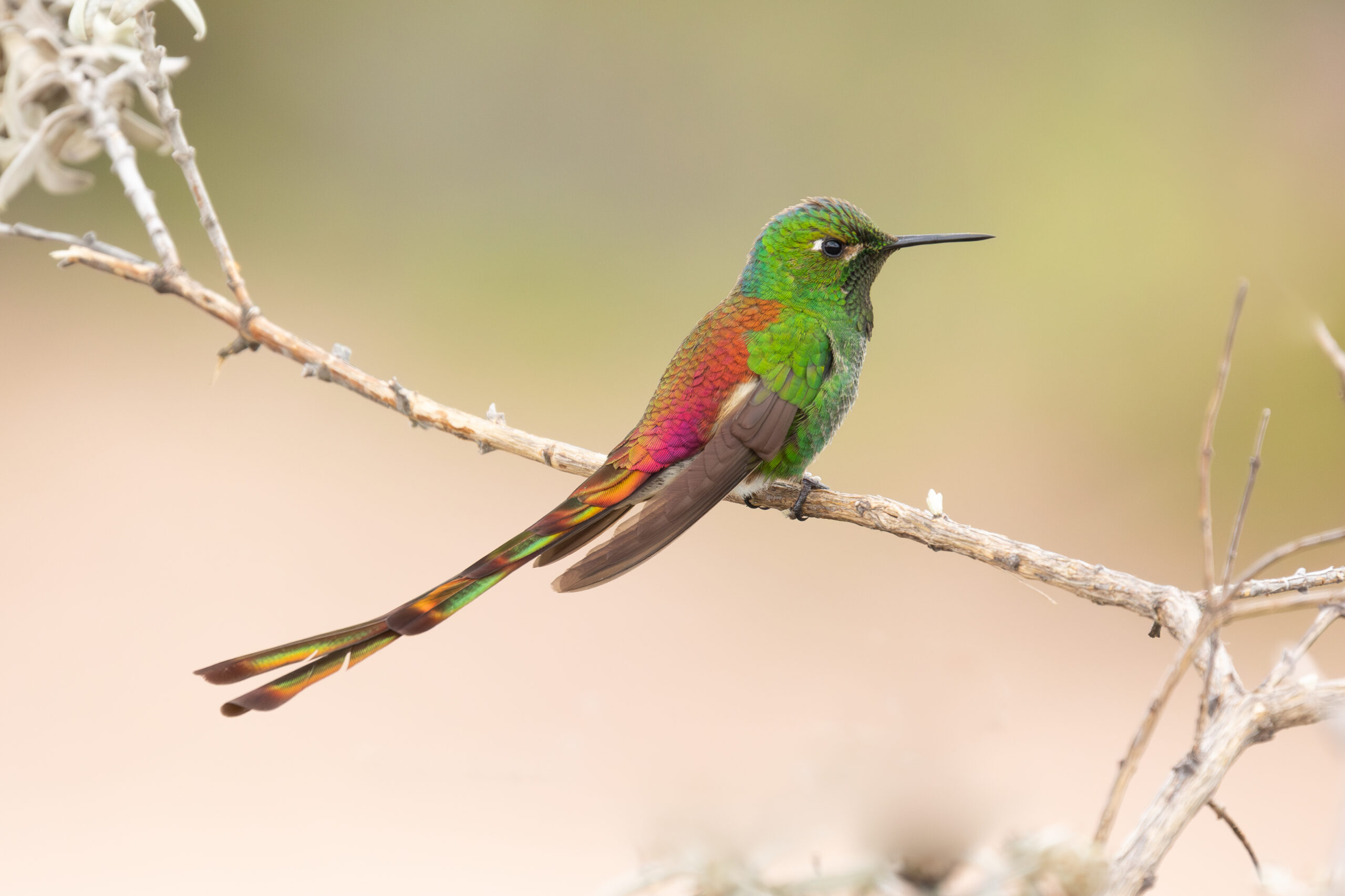
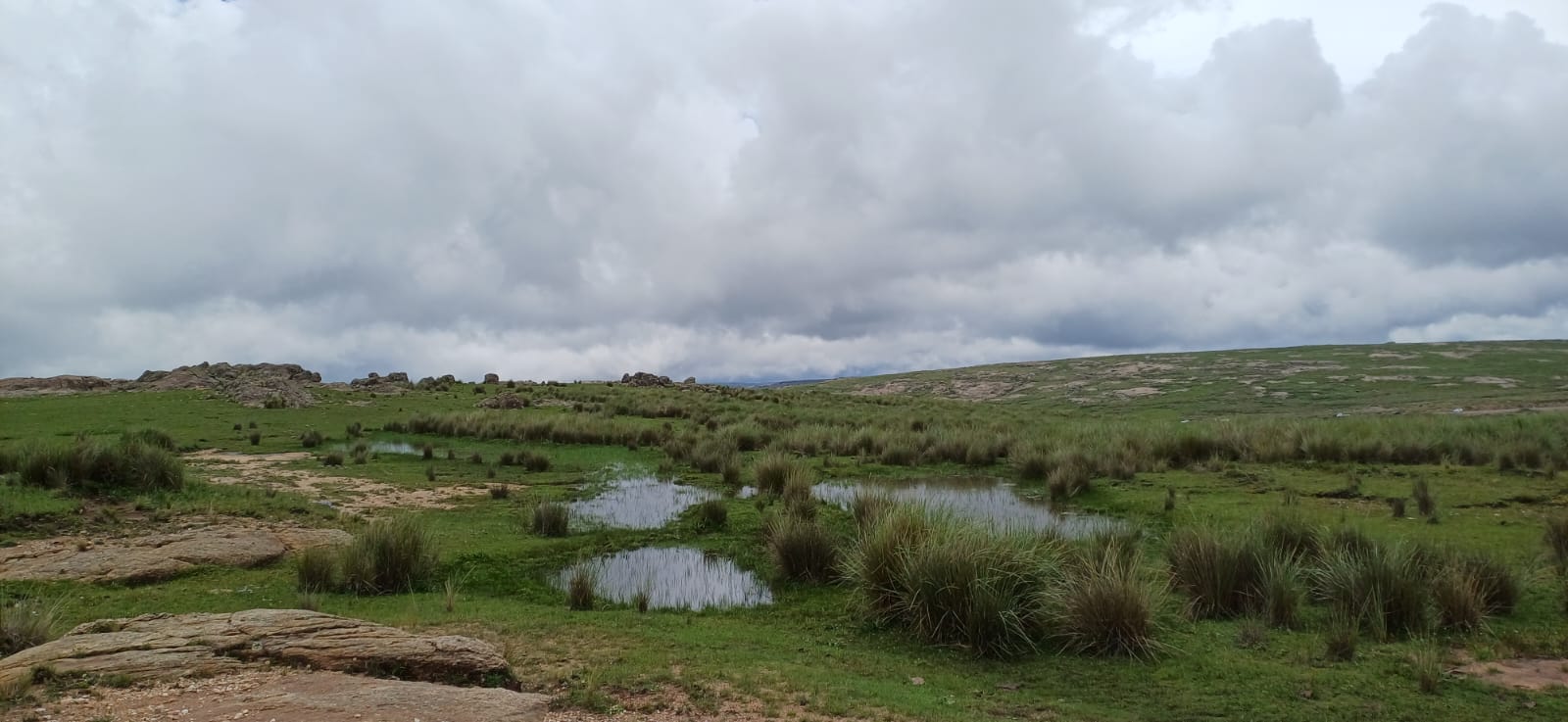
Mountainous ravines held scrubbier vegetation where we found the mind-bending Red-tailed Comet, Plumbeous and Ash-breasted Sierra Finches, Brown-capped Tit-Spinetail, Tufted Tit-Tyrant and our first Andean Swifts overhead. Once we reached the top of the mountains, we found ourselves in a type of Puna grassland strewn with large boulders.
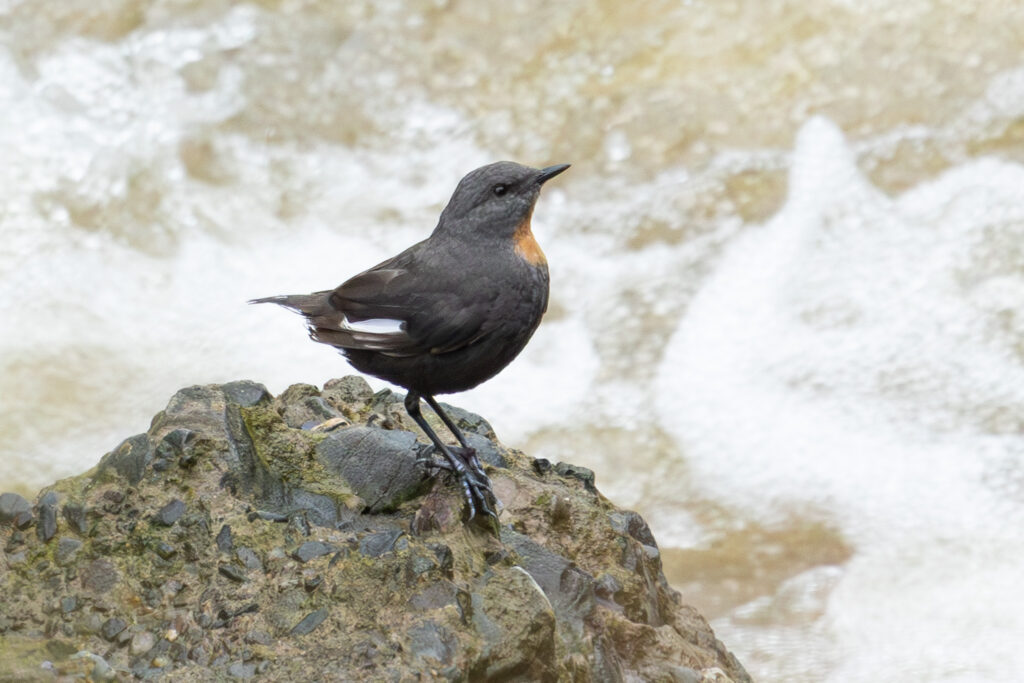
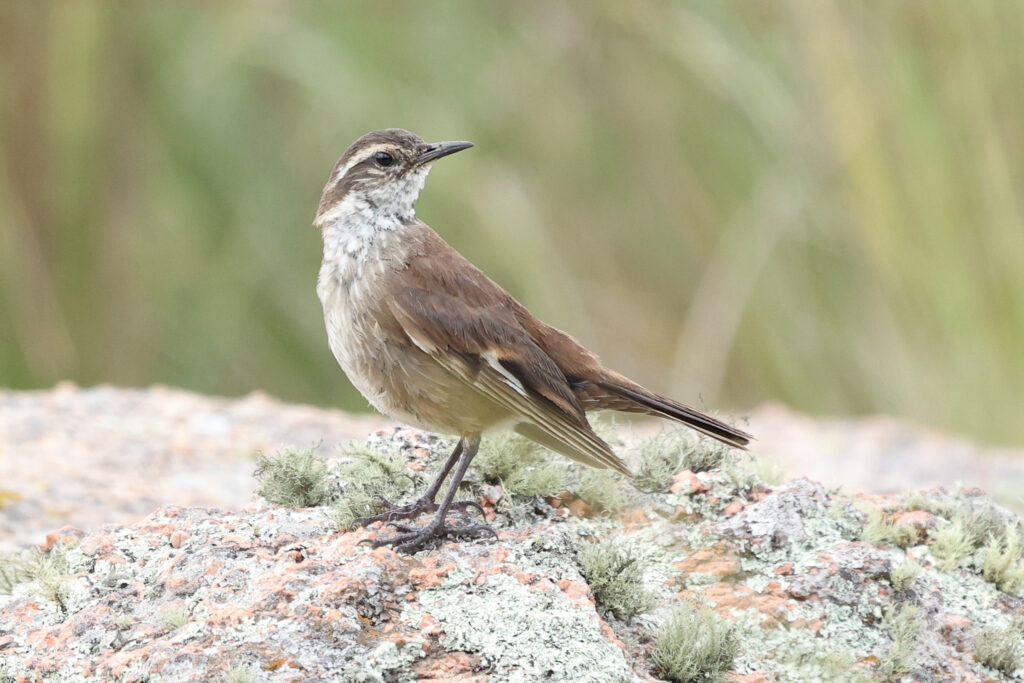
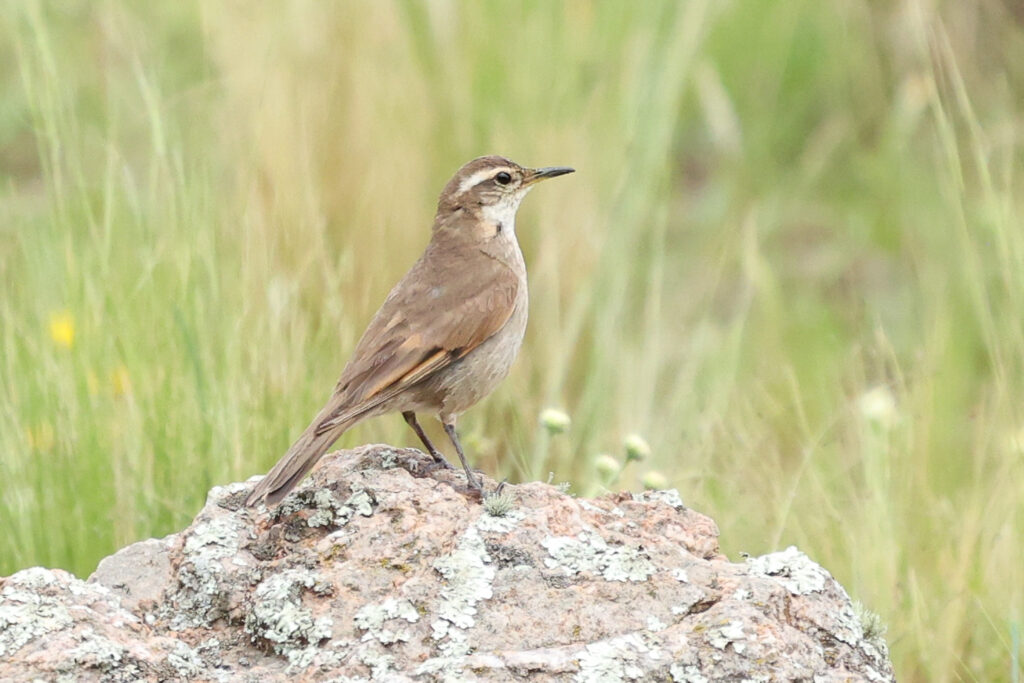
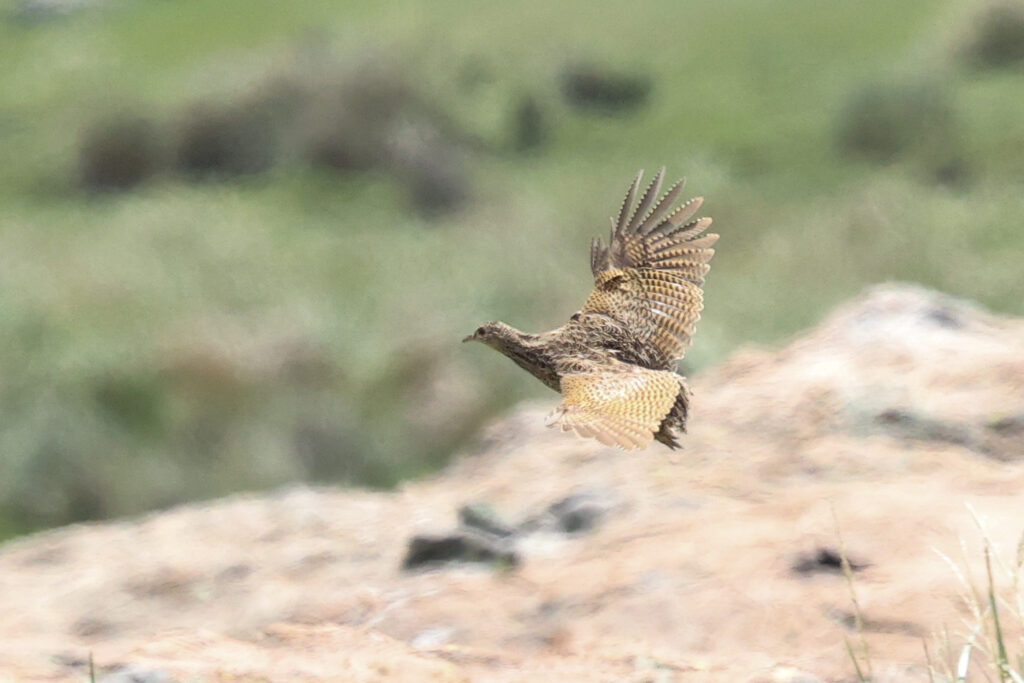
Here, we saw the endemic duo of Cordoba and Olrog’s Cinclodes (the first bird we saw was in the parking lot at El Condor), Puna Canastero, White-winged Cinclodes, and the scarce and unexpected Darwin’s Nothura. A wetland yielded Yellow-billed Teal, Yellow-billed Pintail, White-winged Coot, and Plumbeous Rail. Flying overhead, we had Andean Condor, Black-chested Buzzard-Eagle, and Variable Hawk.
After a spectacular time in the Córdoba Sierras, we dropped down the western side of the mountains. We made our way to the town of Nono, where we birded the dry Chaco woodlands. Here we quickly found ourselves a pair of Black-legged Seriemas, Brushland Tinamou, Chaco Puffbird, Burrowing Parrot, Blue-crowned Parakeet, Scimitar-billed Woodcreeper, Southern Beardless Tyrannulet, White-tipped Plantcutter, Cream-backed Woodpecker, and Greater Wagtail-Tyrant to name a few. It was a lifer buffet.
We then birded some farm roads west of Mina Clavero, where we had the rare Black-bodied Woodpecker, along with Crested Hornero, Fulvous-crowned Scrub Tyrant, Chaco Earthcreeper, Tawny-headed Swallow, Ringed Warbling Finch and Spotted Nothura.
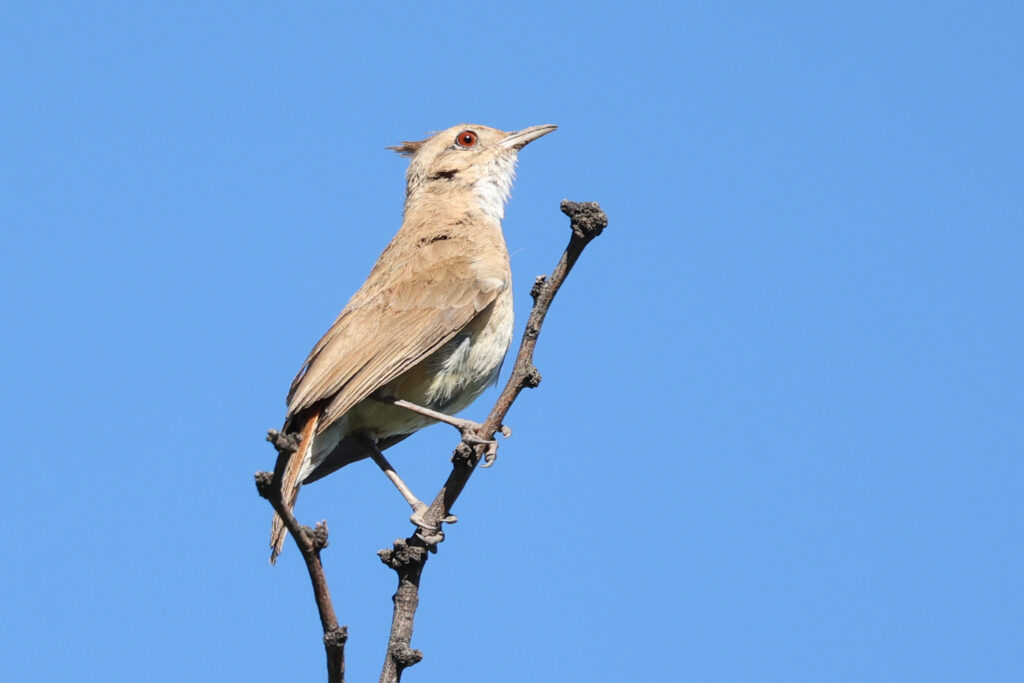
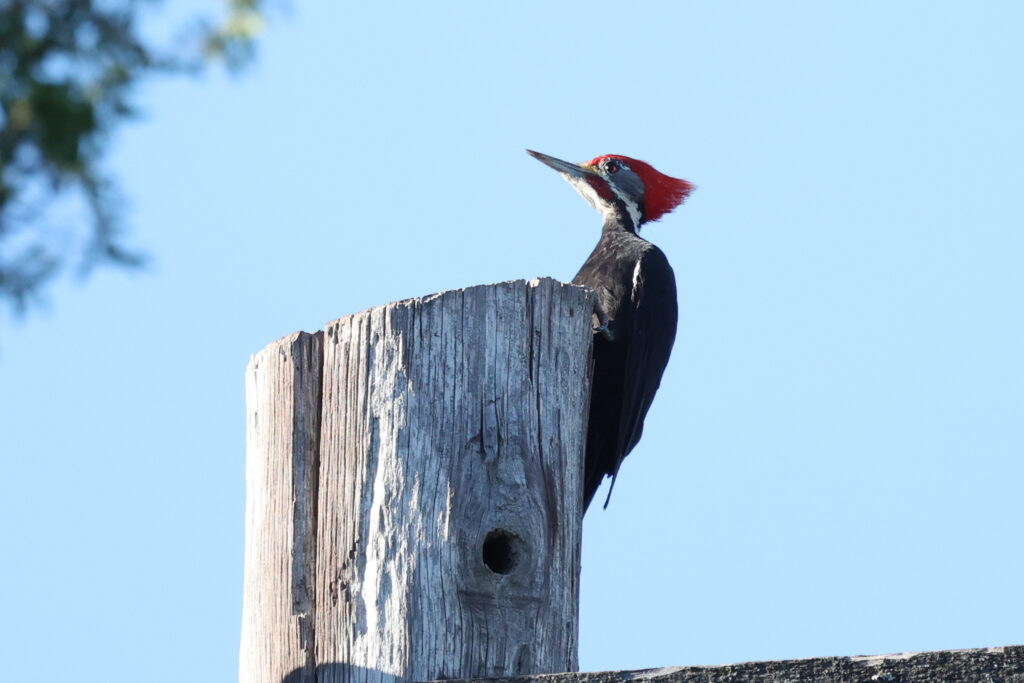
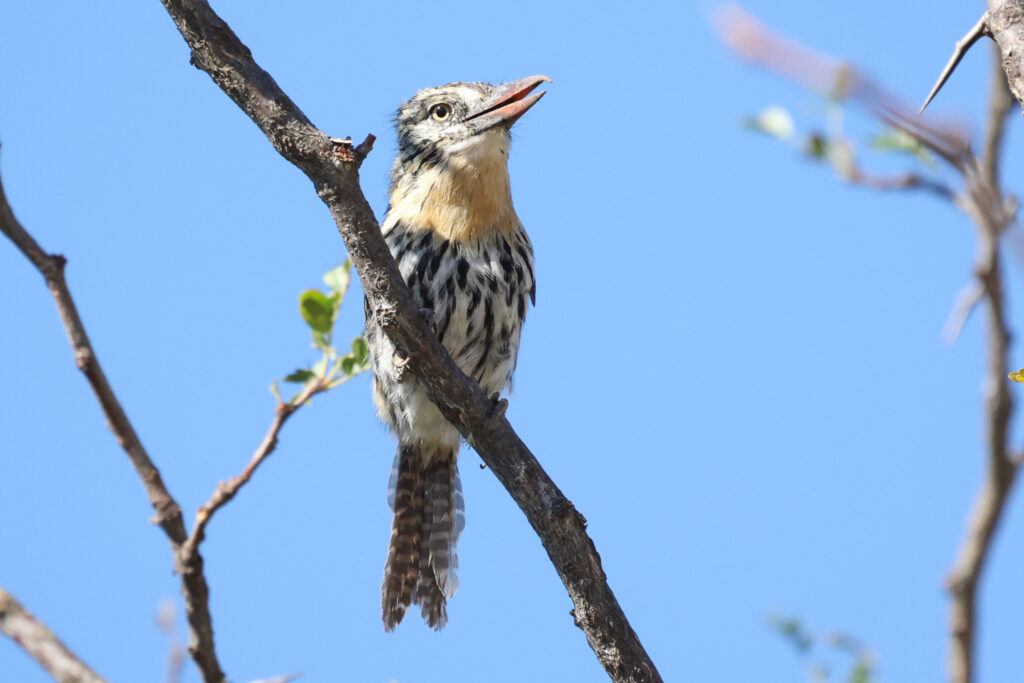
After a lifer-filled day, we spent the night with Martín’s family on their farm near Villa Viso.
Day 3. 9 January 2024. Salsacate and Chancaní Provincial Park
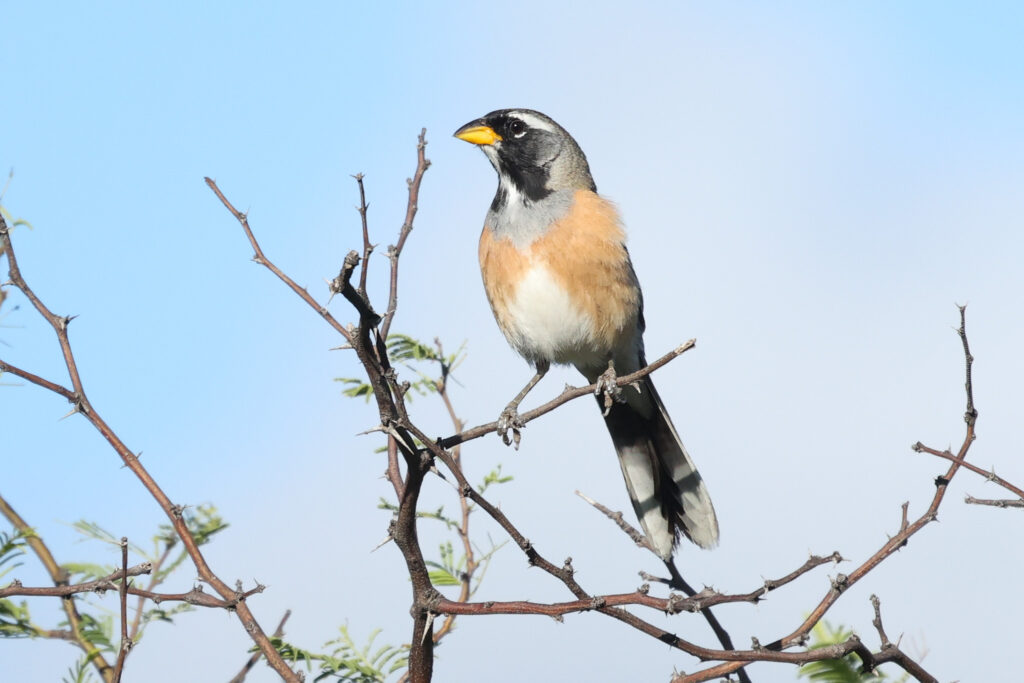
We started the day birding along the dirt road en route to Laguna de Pocho. Some early sightings included a pair of Campo Flickers, Many-colored Chaco Finch, White Monjita, Firewood-gatherer, and splendid views of Brushland Tinamou. We hopped a fence to access Laguna de Pocho, where we had good views of the elegant Long-winged Harrier, Baird’s Sandpiper, Red Shoveler, White-cheeked Pintail, Sand Martin, White-browed and Long-tailed Meadowlarks, and our primary target, the scarce Bay-capped Wren-Spinetail.
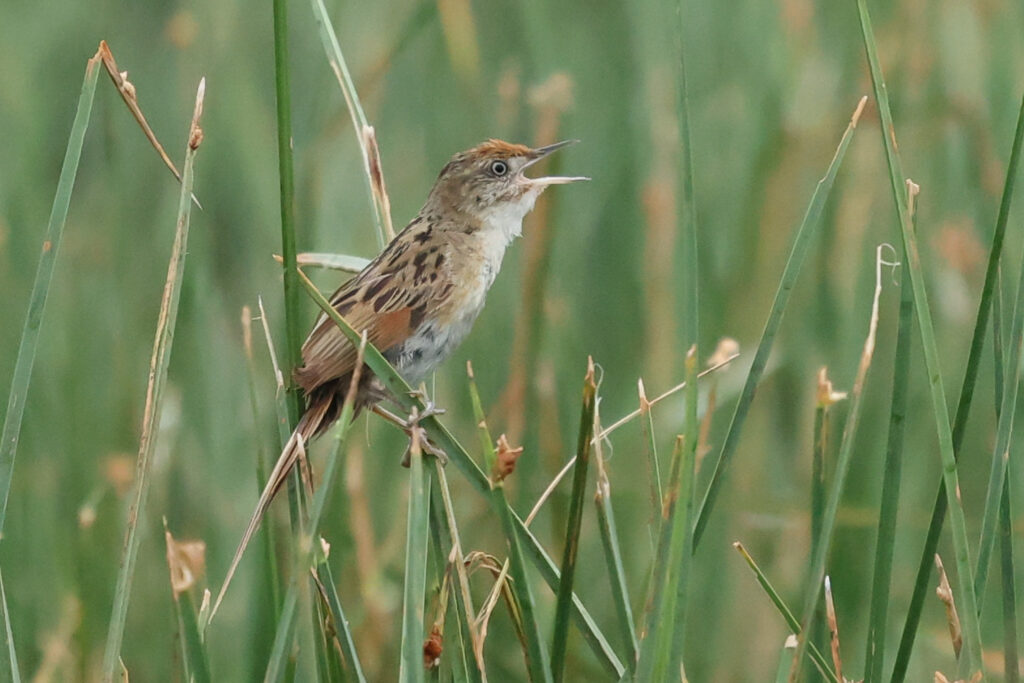
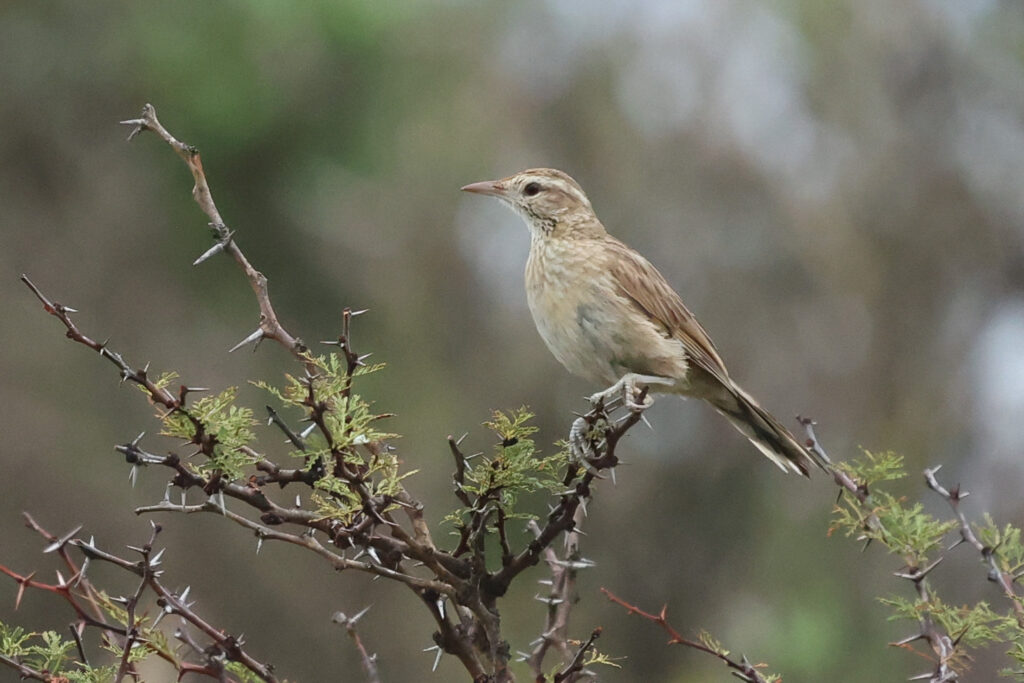
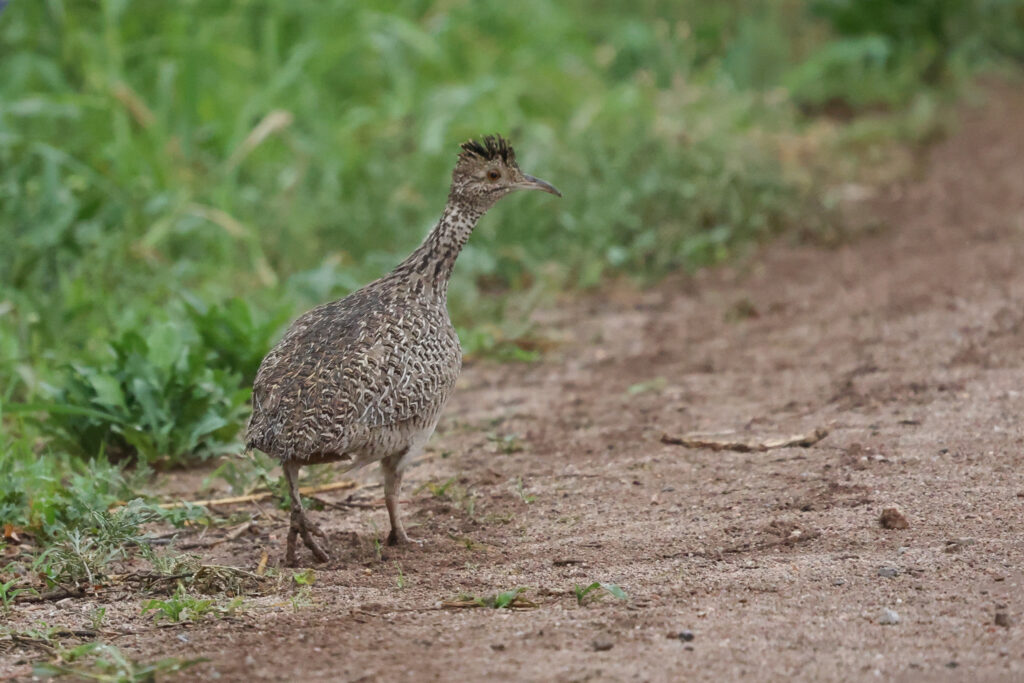
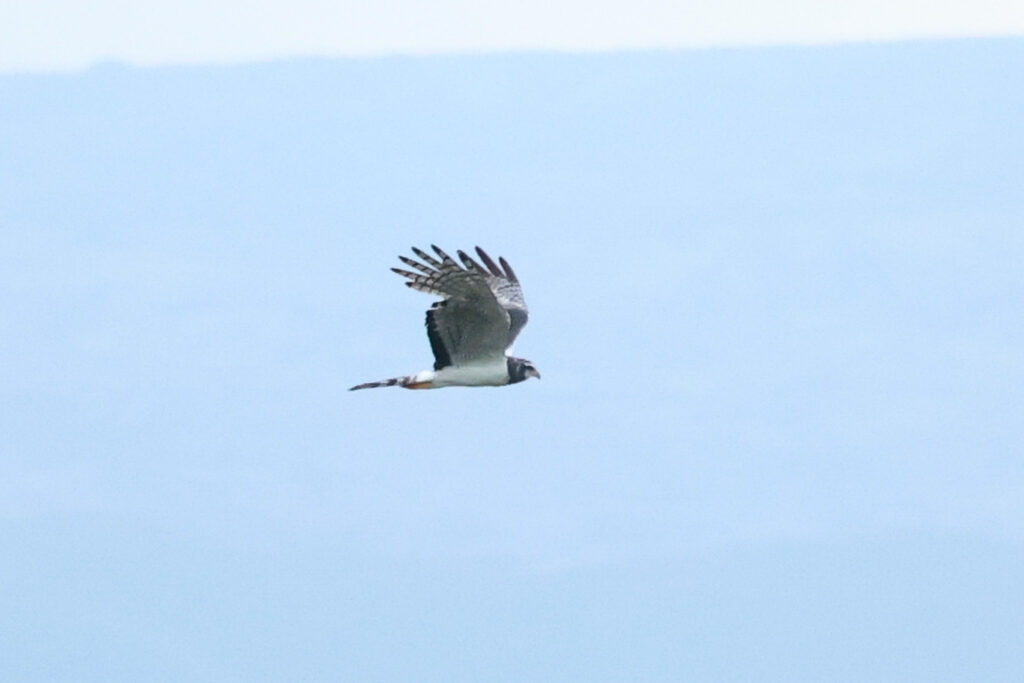
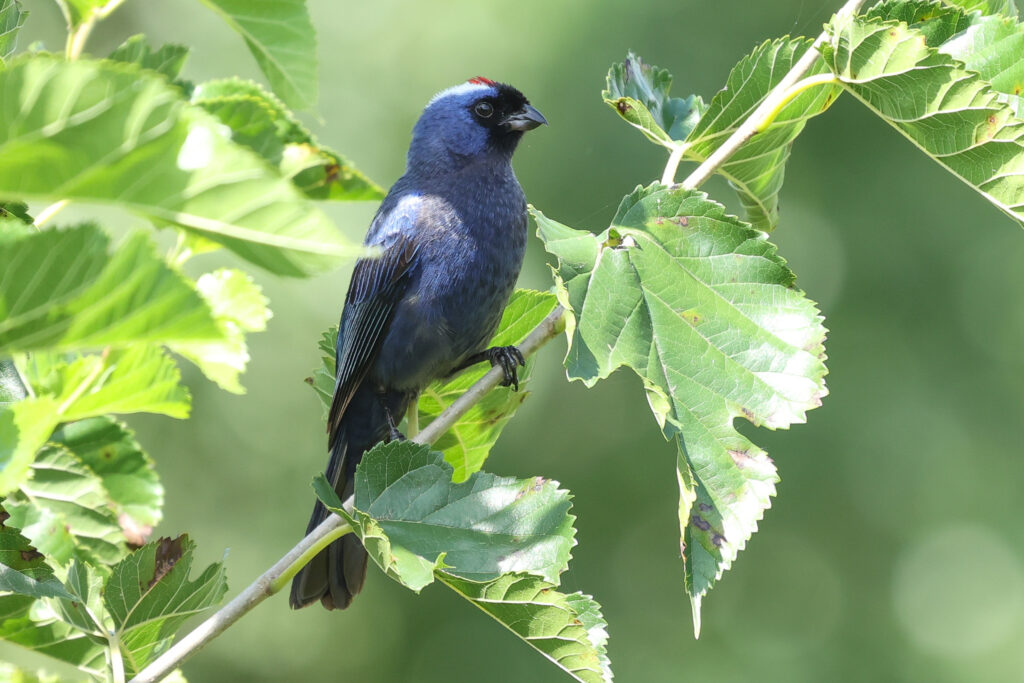
A quick session exploring some habitat around Tala Cañada yielded Grey-cowled Wood Rail, Brown-capped Whitestart, and Ultramarine Grosbeak, while higher elevation birding near San Jeronimo produced Band-tailed Sierra Finch along with some of the species seen yesterday.
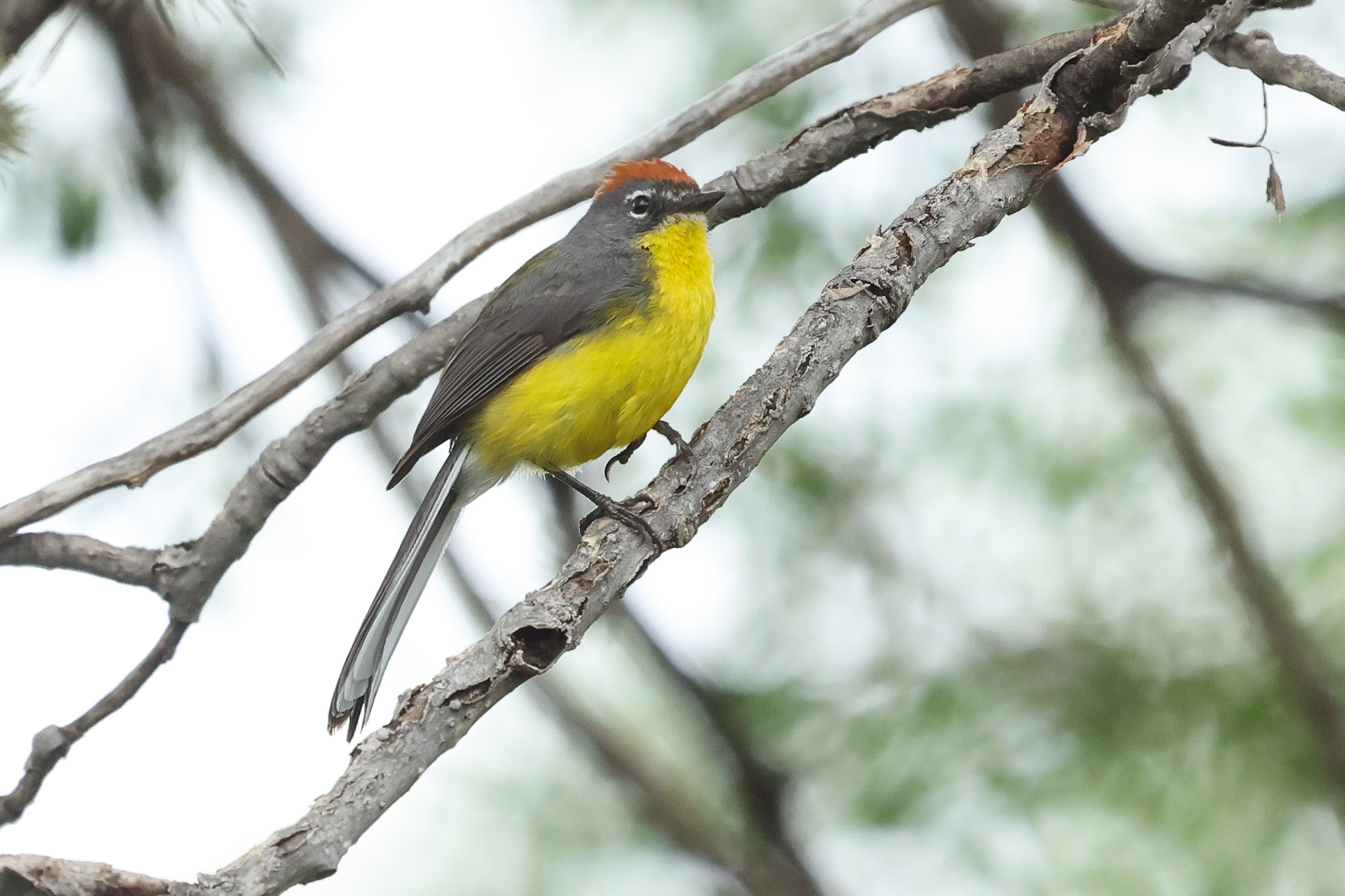
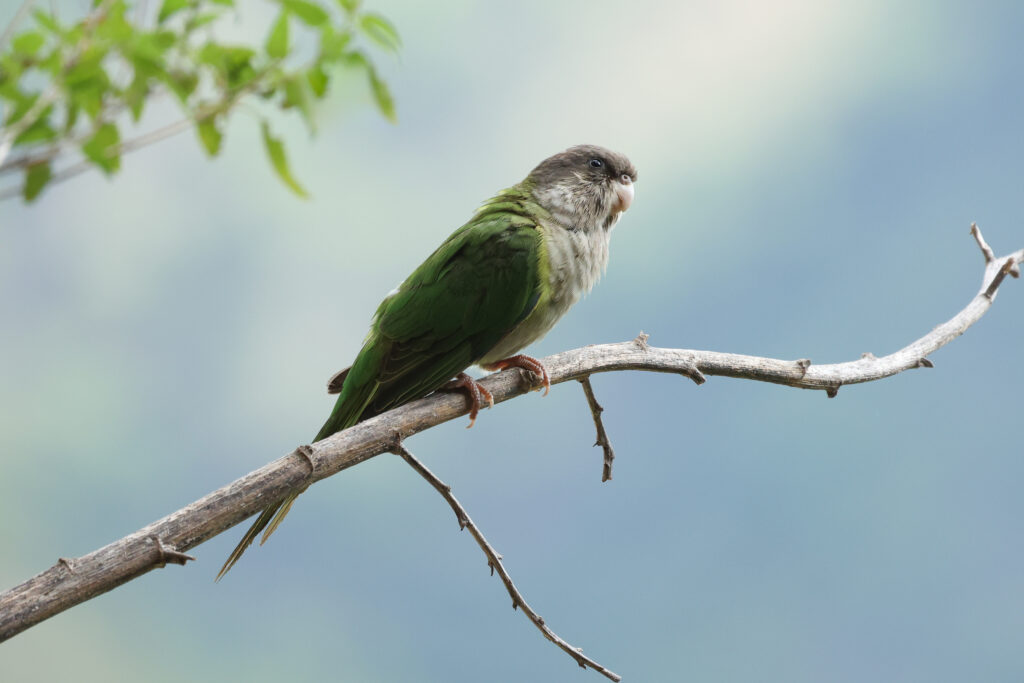
In the afternoon, we made our way west and down an unbelievably impressive pass to Parque Provincial Chancaní. On the way, we had our only Peregrine Falcon of the trip, and excellent views of the diminutive Grey-hooded Parakeet.
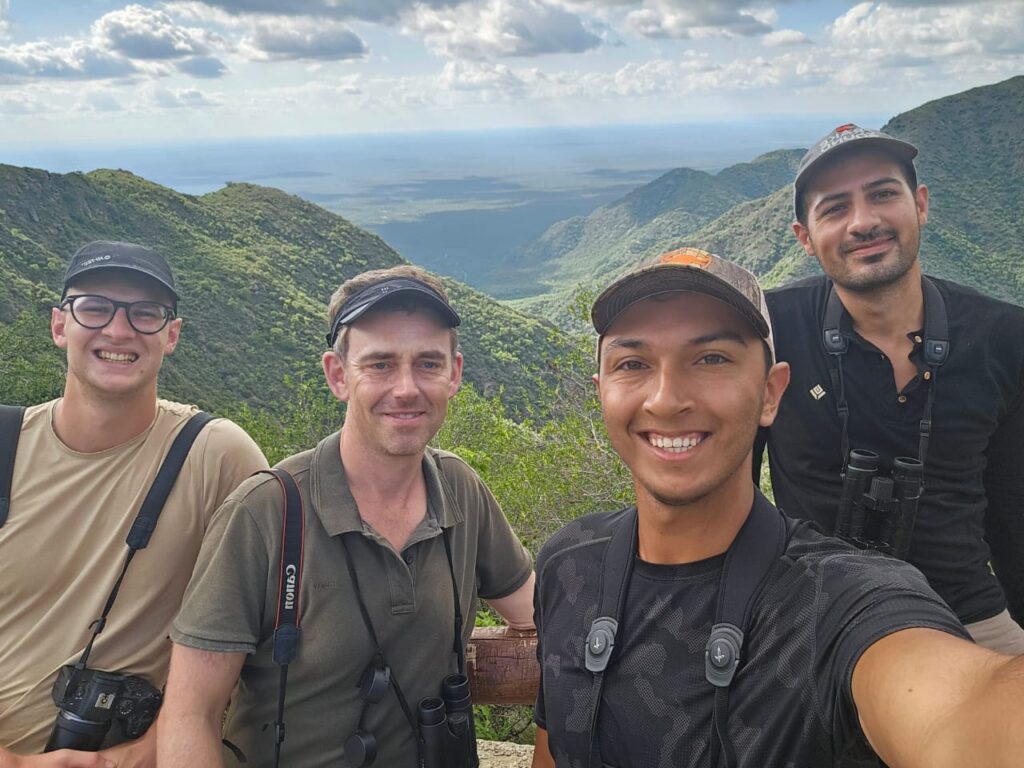
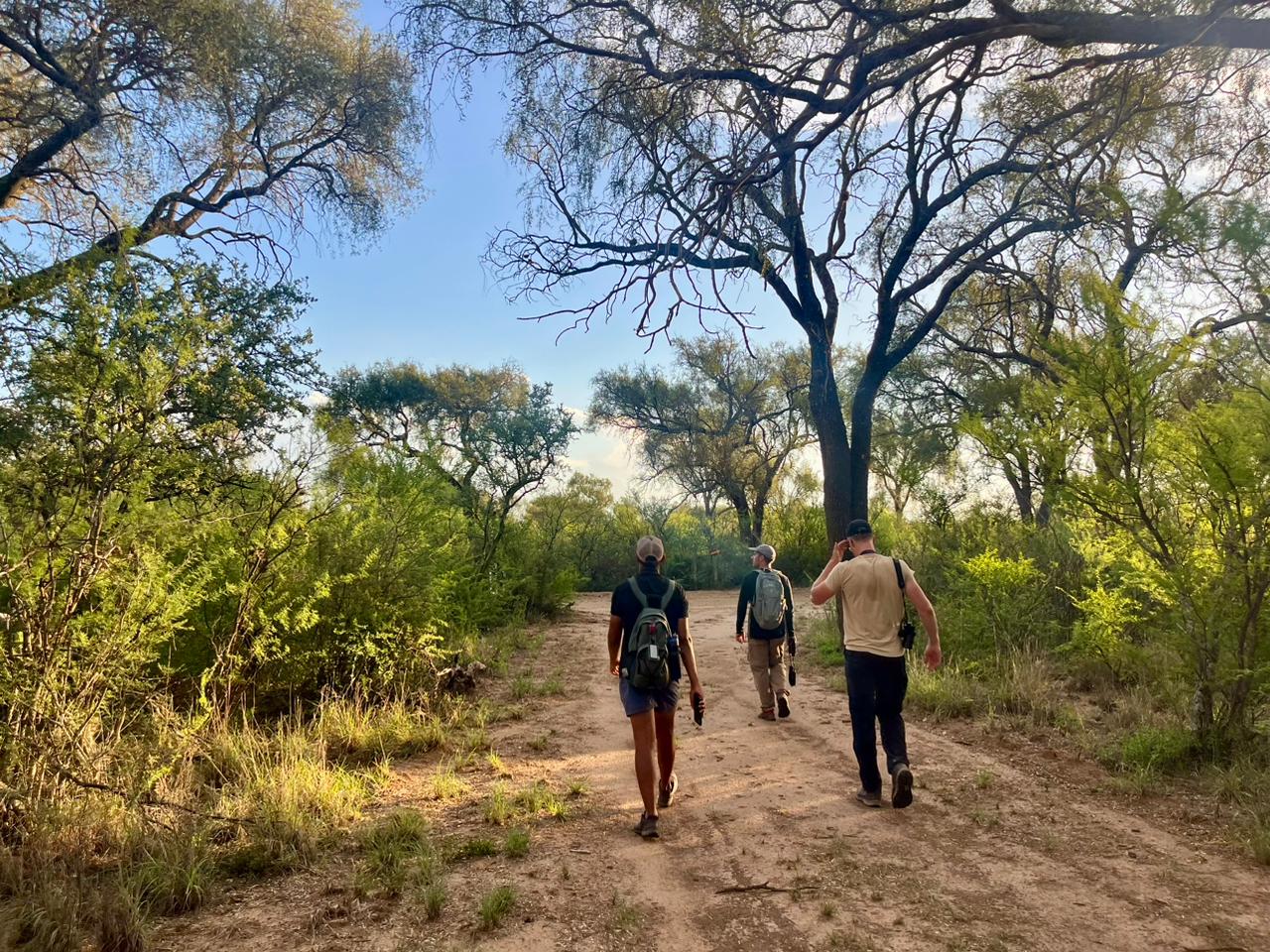
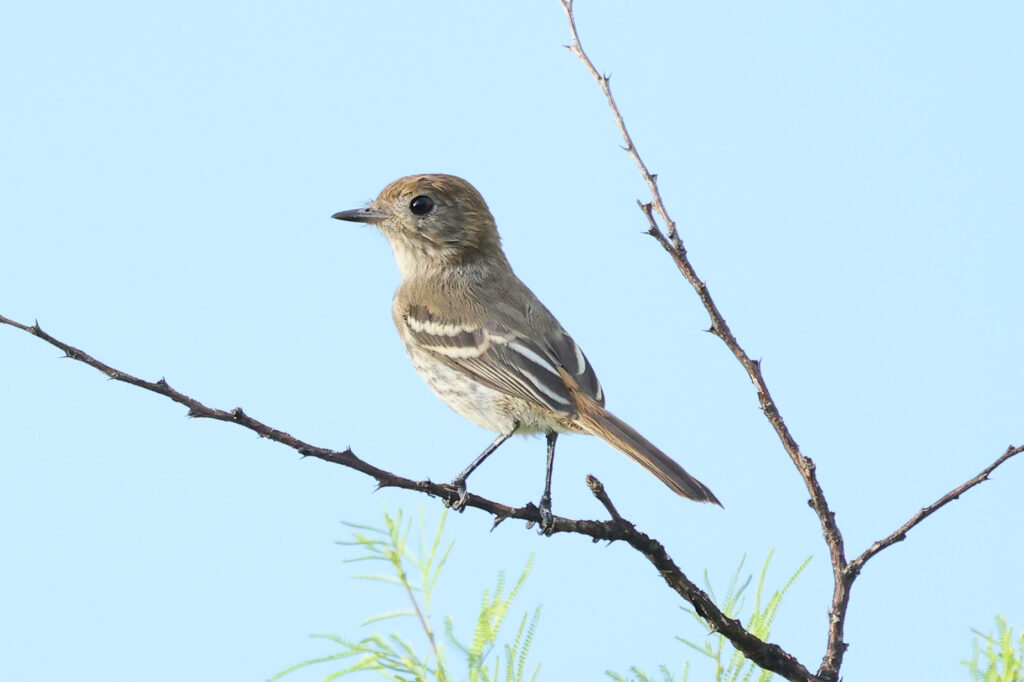
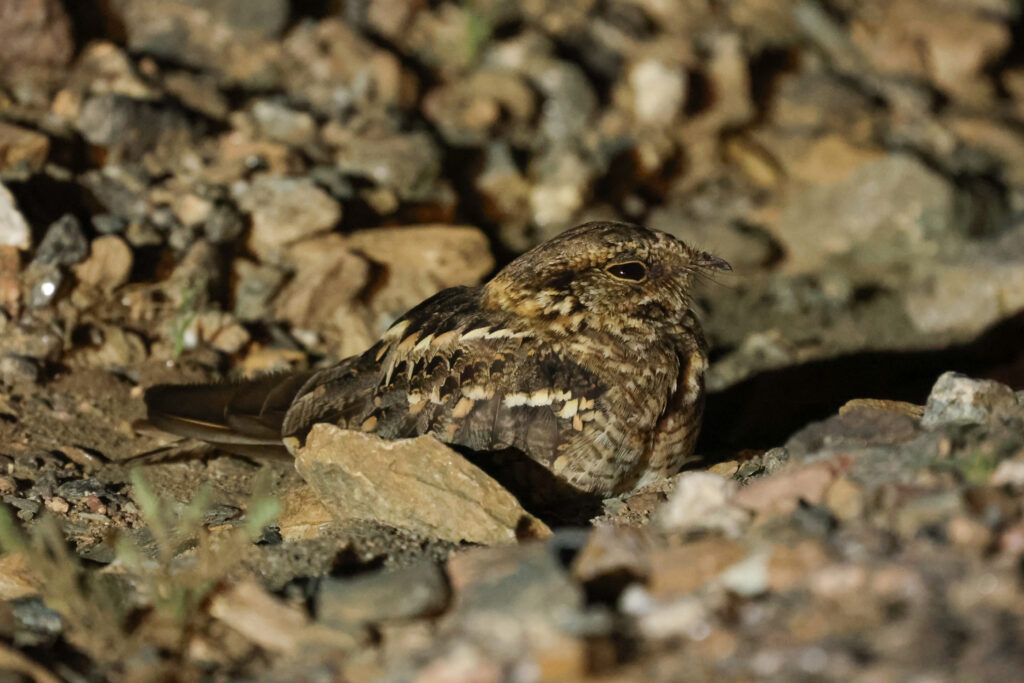
The tall Chaco woodlands at Chancaní were very birdy, and we found Crested Gallito, Pale-breasted and Stripe-crowned Spinetails, Cinereous Tyrant, Suiriri Flycatcher, and Straneck’s Tyrannulet, among a total of 47 species. We waited until dusk for Chaco Owl, which, despite trying for many hours and well into the early hours of the morning, we failed to see. We did, however, see several Scissor-tailed Nightjars, Ferruginous Pygmy Owl, and Tropical Screech Owl.
Day 4. 10 January 2024. Córdoba to Deán Funes
After spending the night at Martín’s farm near Villa Viso, the four of us slowly made our way back to Córdoba. Garret, Josh, and I would be leaving Martín behind today, picking up our rental car (which we named Monjita) in Córdoba, and making our way north to Deán Funes. We bid farewell to Martín, who was a phenomenal birder and an incredible host, and set off north.
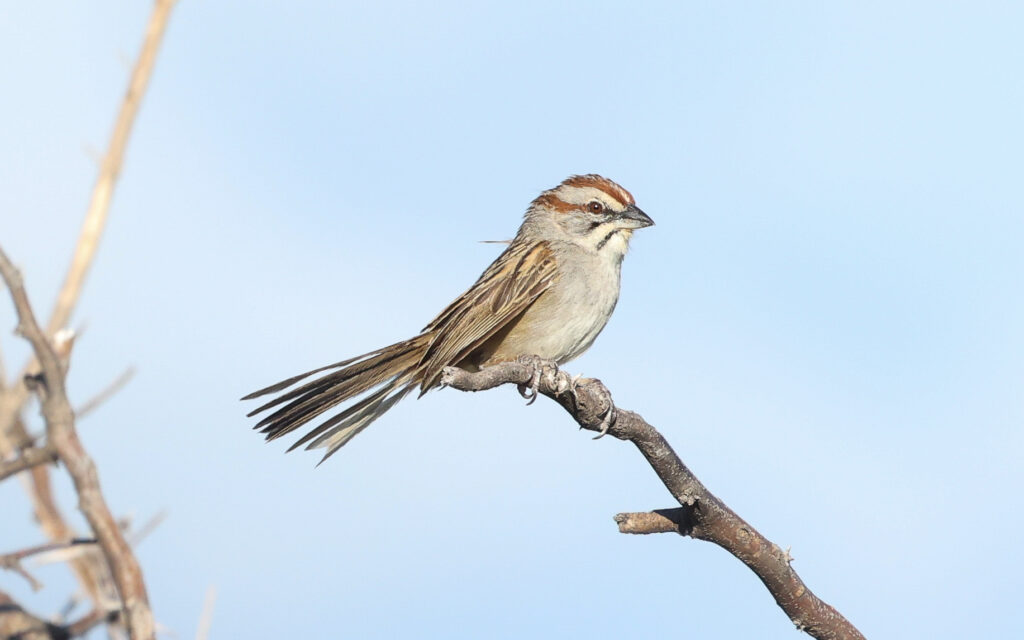
A quick stop on a farm road near Avellaneda produced Chaco Sparrow along with another Brushland Tinamou, and several of the species we had seen over the past few days. Upon arrival in Deán Funes, we dropped off our bags. We did some random exploratory birding around the town, where we significantly improved our views of Many-colored Chaco Finch and Chaco Sparrow. In the evening, we tried a site in town where Chaco Owl had been reported on eBird, but once again, we had no luck. Deán Funes was a pleasant town with a vibey square where we enjoyed an earlyish dinner before calling it a night.
Day 5. 11 January 2024. Deán Funes to Tafi del Valle (via Salinas Grandes)
An early start was critical today, so we left Deán Funes just after 4 am and made our way to the small town of San José de Las Salinas. First on the agenda was to investigate a site where Chaco Owl had been recorded before, and unsurprisingly, we didn’t hear a peep. I’m sure you’re noticing a pattern here. While looking for the owl, we stumbled upon a graveyard in the dark, surrounded by abandoned buildings – fun times. Anyway, owl dip aside, we worked the road before dawn and found good numbers of Scissor-tailed and Little Nightjars, as well as a Tropical Screech Owl.
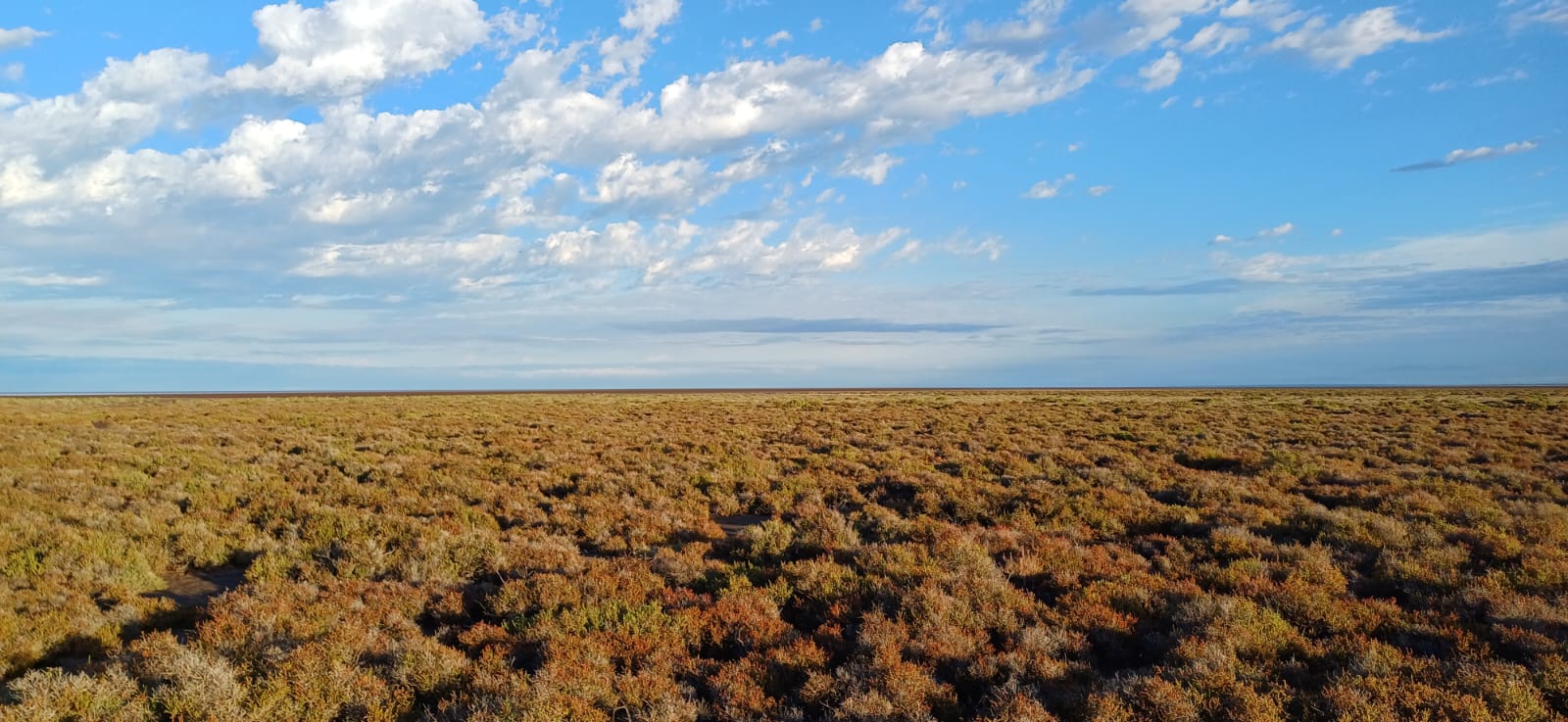
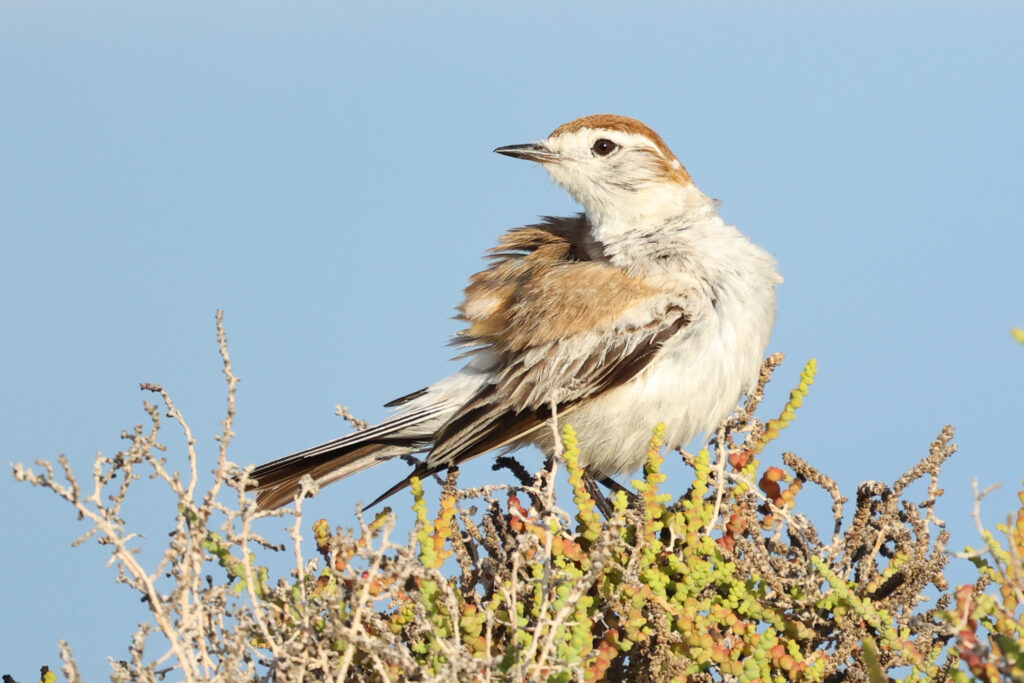
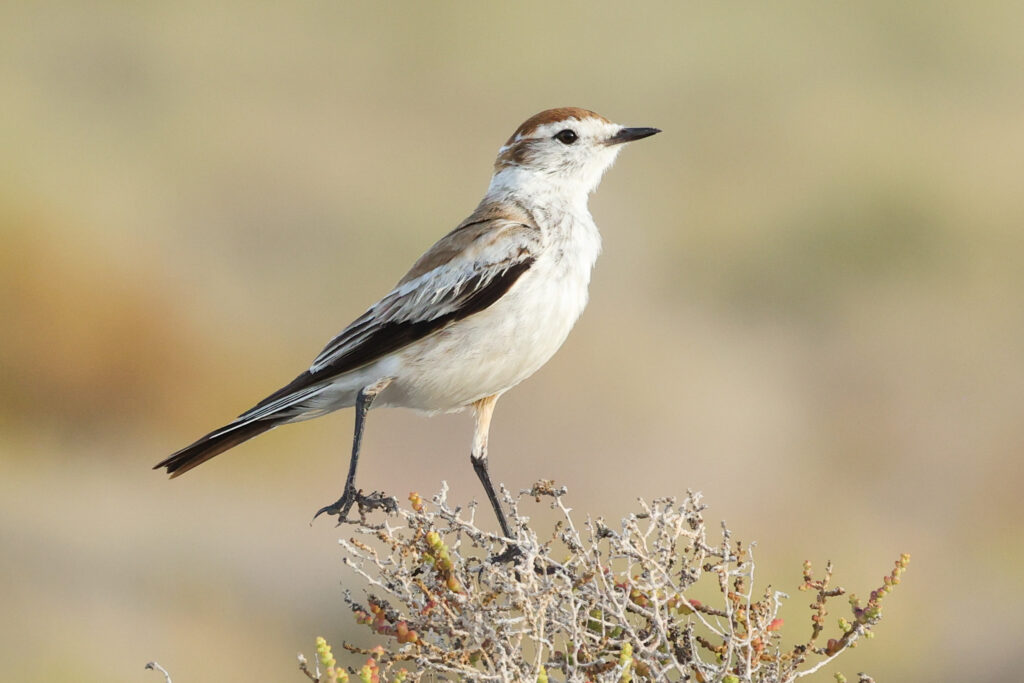
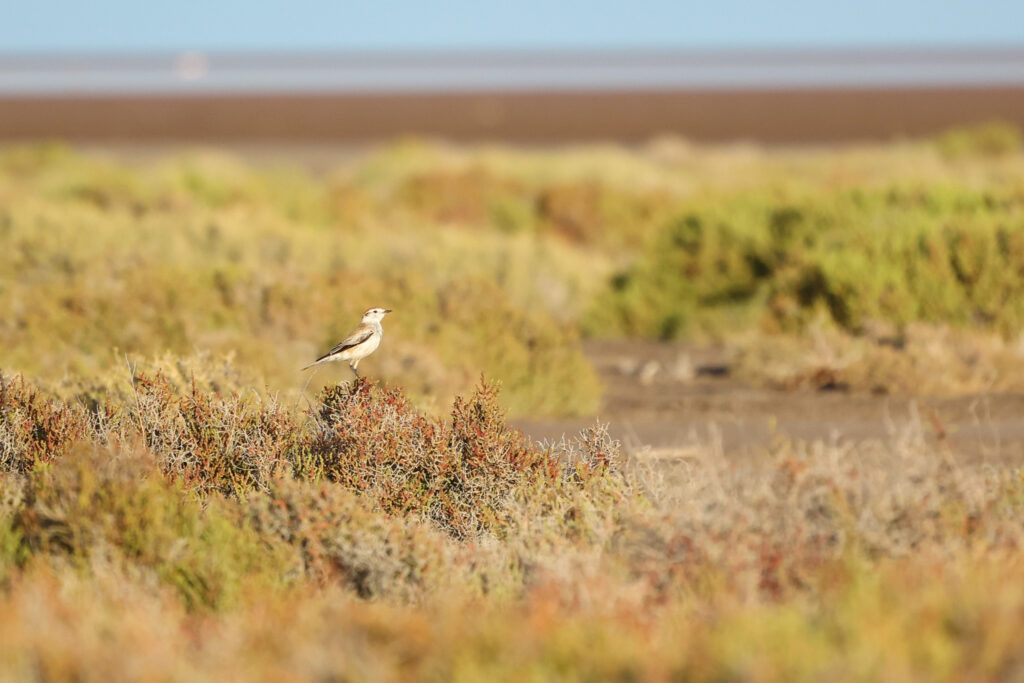
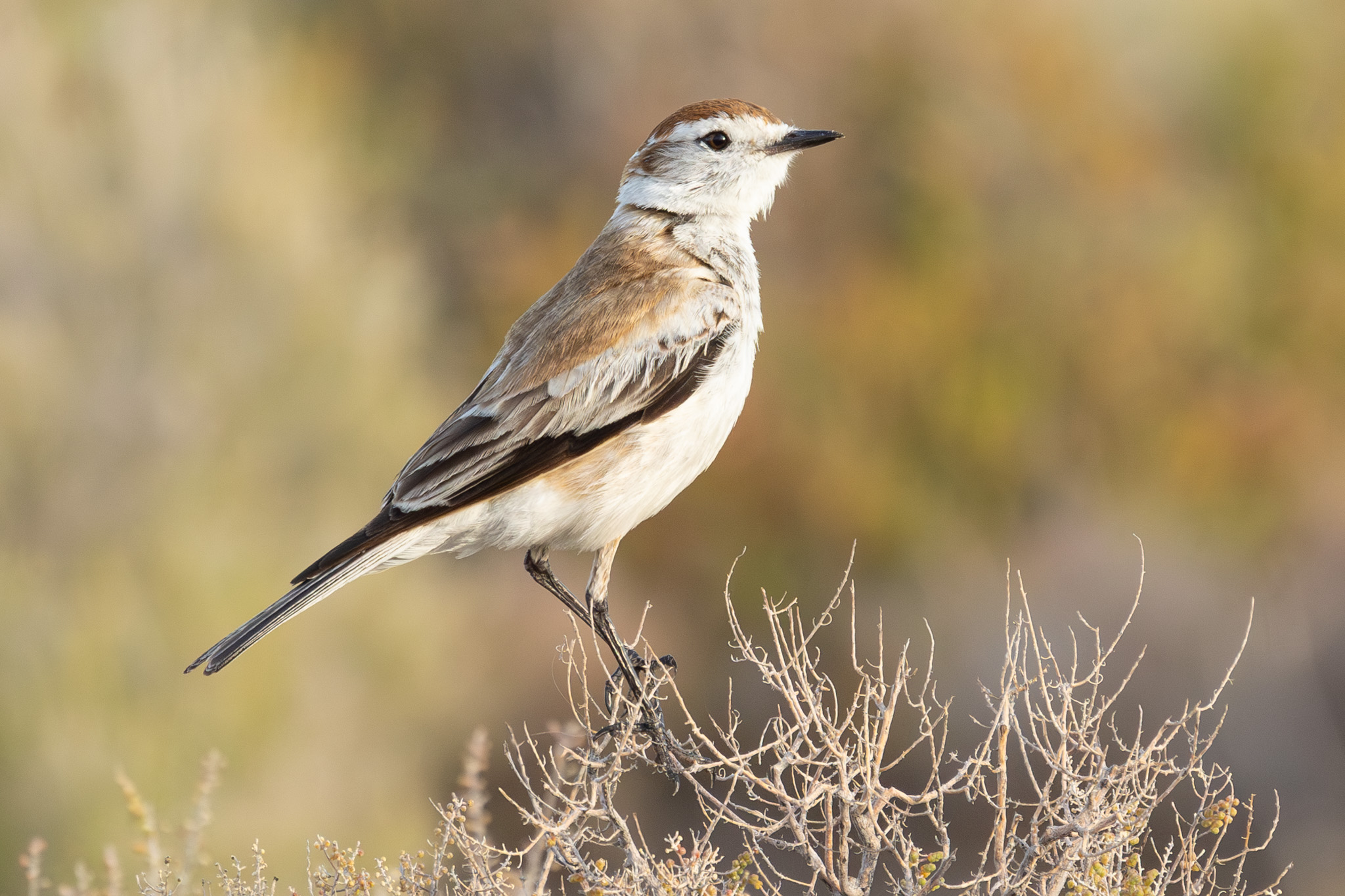
After navigating a few muddy sections and eventually deciding to leave the car and proceed on foot, we arrived at the massive Salinas Grandes, an immense salt pan, just after sunrise. A Burrowing Owl was showing off in the early morning light, and we had our only Patagonian Mockingbird for the trip here. We started scanning the scrubby saltmarsh-type vegetation, and after a few minutes, I spotted our target, the endemic and extremely localised Salinas Monjita. We had walk-away views of this attractive and highly specialised tyrant flycatcher, and I spent ages watching them go about their business. This bird was 100% my scene: rare, specialised habitat, endemic.
We birded the taller woodland vegetation surrounding the Salinas and found Elegant Crested Tinamou, Black-crested Finch, Blue-tufted Starthroat, Red Pileated Finch, and our only Hepatic Tanager of the trip, among many of the other Chaco species seen earlier. We left Salinas Grandes and started making our way north to Tafí del Valle and the Andes, where a whole new suite of birds awaited us.