Turkey is held in high regard amongst western Palearctic birders; the country is a meeting point of cultures, continents and an impressive diversity of birds. Add to this excellent transport infrastructure, political stability, scenic beauty and delectable cuisine, and you have the perfect recipe for an easy and rewarding birding trip. I spent eight days birding in Turkey on a family holiday and managed to walk away with all of my primary target species. As a brief overview, I visited four main areas: Istanbul and its surrounds, Cappadocia, the Anti-Taurus Mountains and the Mediterranean coast (see my eBird Trip Report here). Given my obvious time constraints and the fact that this wasn’t an actual birding trip, I had to be strategic about my birding goals. In other words, I was often looking for good birding sites close to touristy places to maintain harmony with the non-birding half of the family.
The trip involved late nights and early mornings, an internal flight and an overnight bus trip to access as many sites as possible. I hadn’t had loads of time to prepare for this trip and I relied mainly on eBird and tracking down Turkish birders on Instagram for up-to-date information on sites and birds (most of this done 48-hours before departing). With my ‘gen’ collected, I boarded the direct flight from Johannesburg to Istanbul.
Day 1- Birding in Istanbul
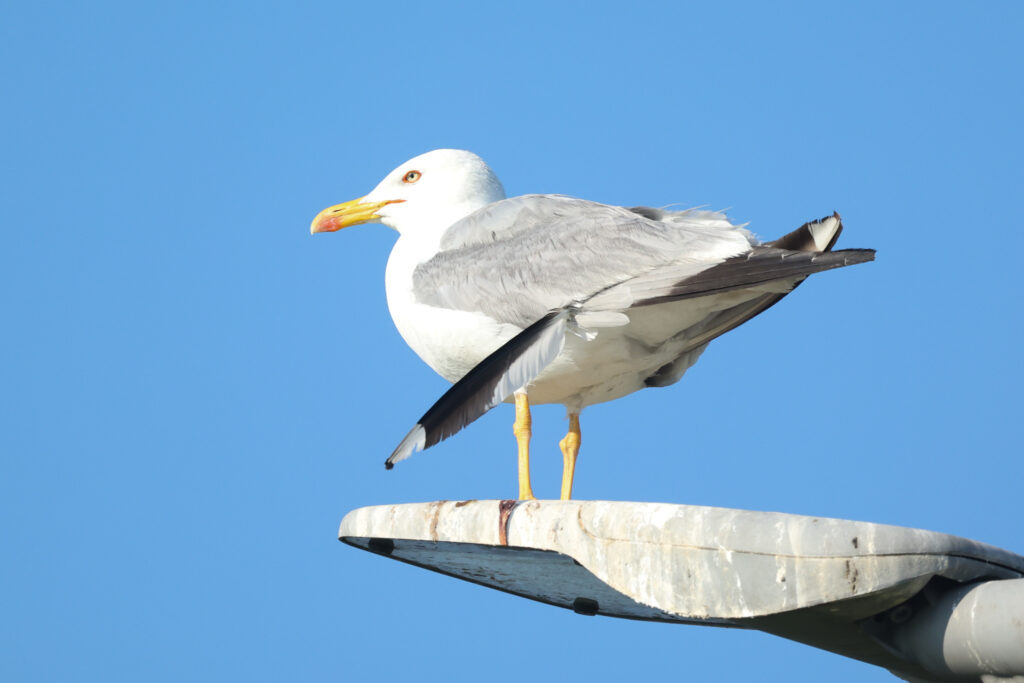
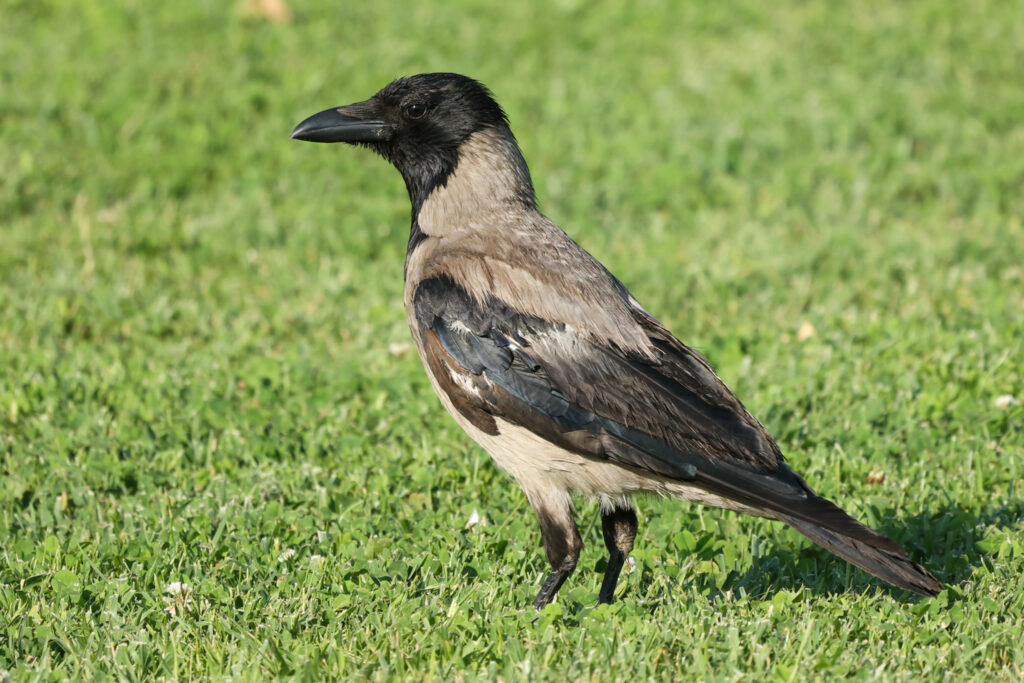
I touched down in Istanbul at 04:00 (Istanbul Havalimanı) and navigated my way to the public transport terminal to catch the bus into Aksaray – a suburb of Istanbul. The bus system turned out to be highly efficient, leaving on time and without any hassles. As we left the airport terminal, I kicked off the trip list with Yellow-legged Gull, followed shortly by Hooded Crow and Eurasian Magpie. Since I had done no previous birding in the western Palearctic, even these trash birds were lifers.
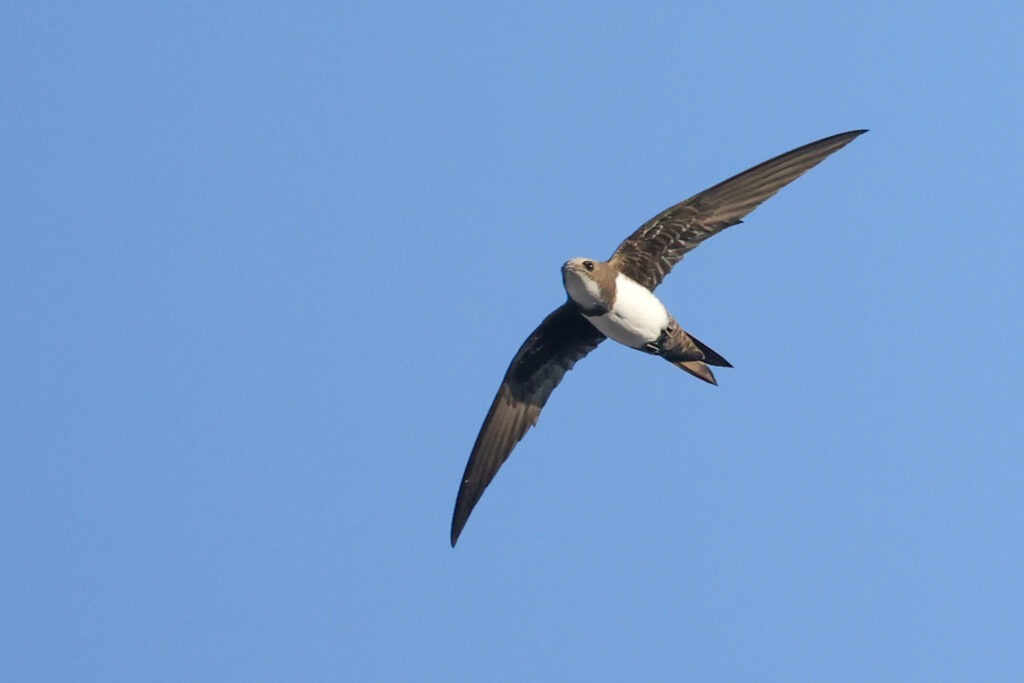
Within the city, I used either Uber or the bus service to make my way around this fantastic city of over 15 million inhabitants. After checking in at our AirBnB, we headed to Sultanhamet, an area known for its historical buildings, including the Blue Mosque, Hagia Sofia and Topkapi Palace. Birding here was obviously limited, but additions included Alexandrine Parakeet (introduced), Alpine Swift, Common Swift and Common Starling.
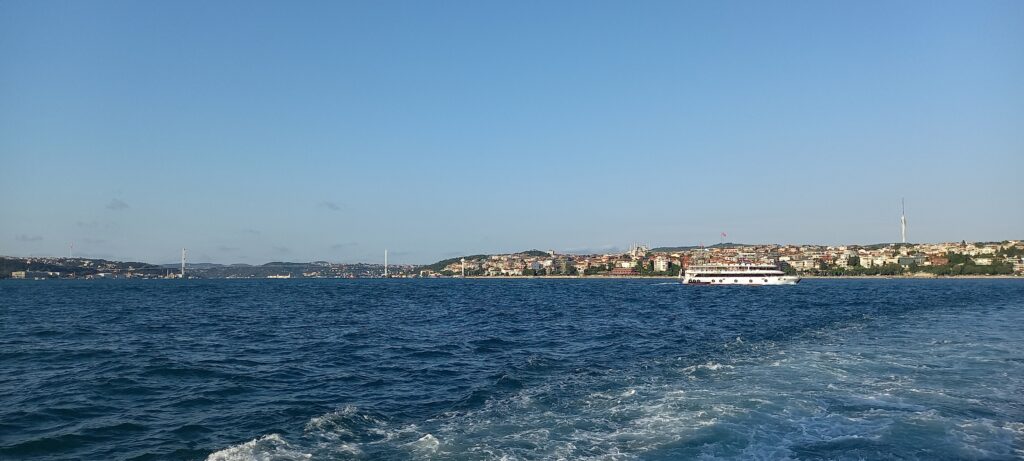
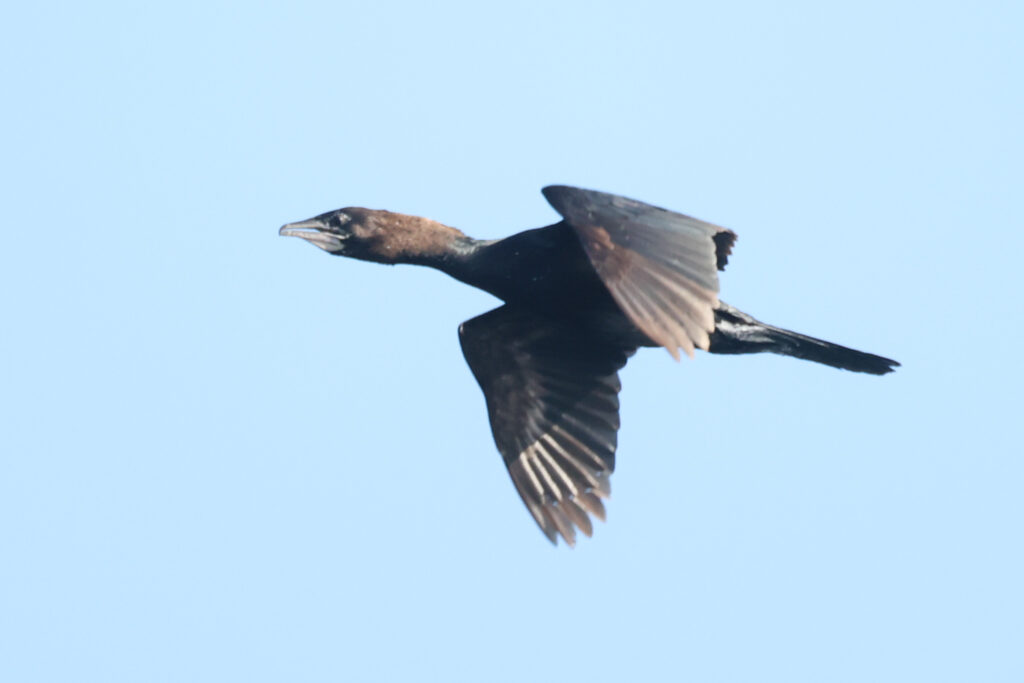
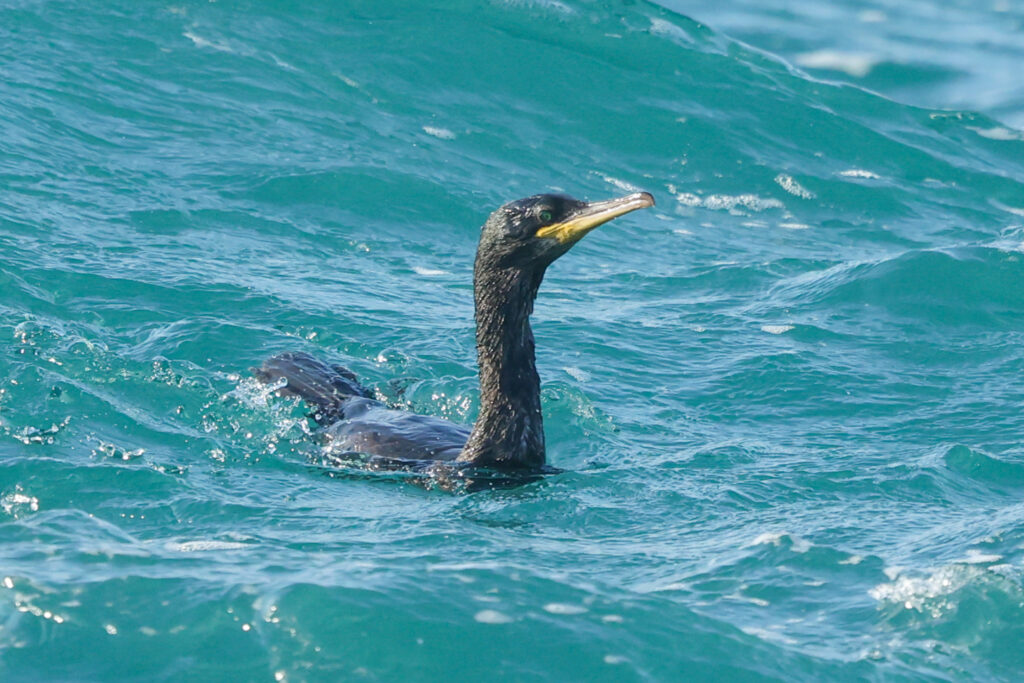
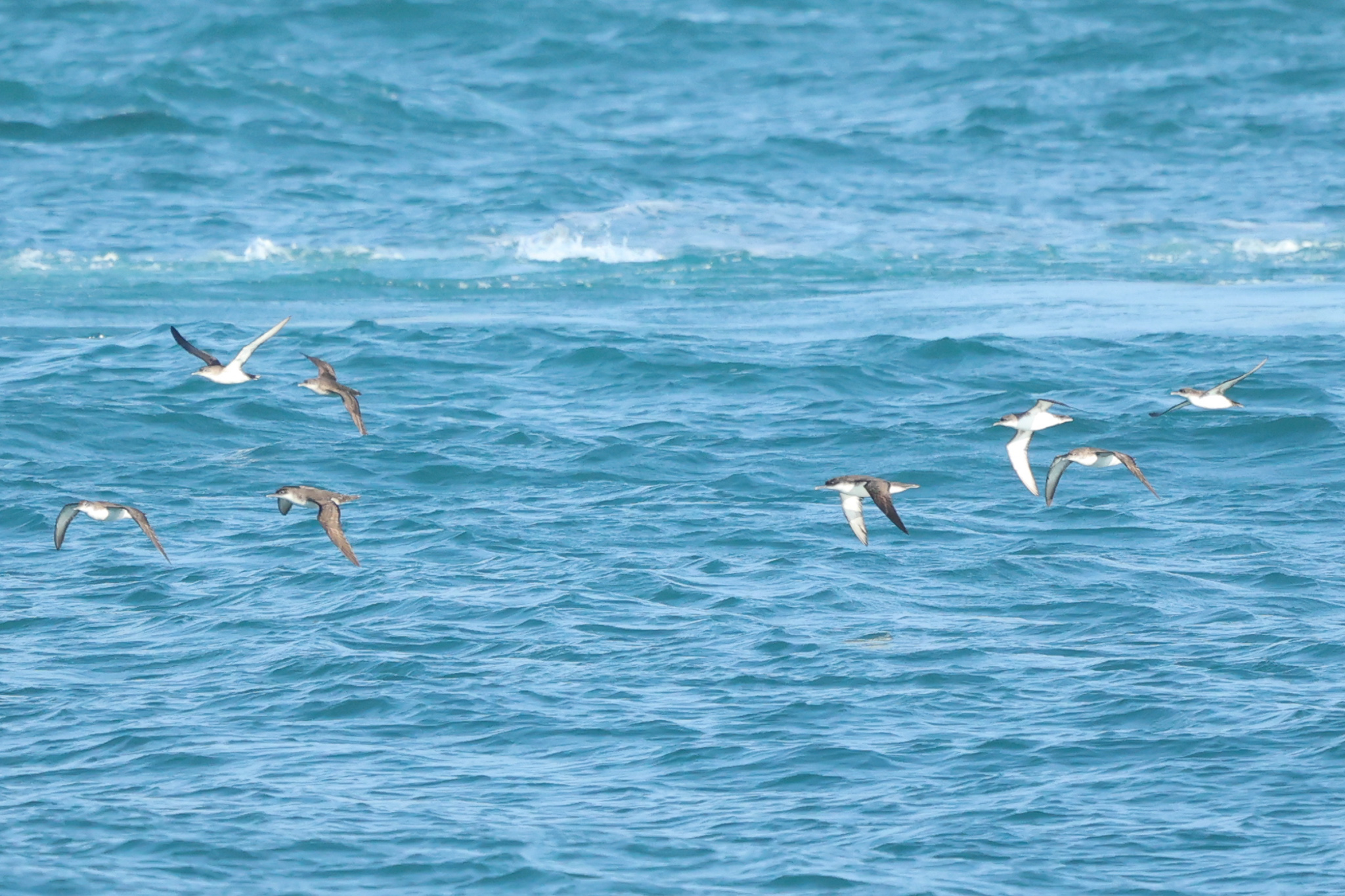
With the obligatory touristy sites done, it was a short walk down to the Bosphorus (a stretch of water connecting the Sea of Marmara with the Black Sea) to try for Yelkouan Shearwater. The birds proved to be easy as they use the Bosphorus as a passage to pass between the two seas and within minutes, we had seen hundreds of individuals. A short boat trip on the Bosphorus then delivered greatly improved views of Yelkouan Shearwater in addition to Pygmy Cormorant, Great Cormorant and European Shag. A notable non-birding sighting was that of two Harbour Porpoises. Day one drew to a close with the prospect of exciting forest birding at dawn.
Day 2- Belgrade Forest
Day two saw us up early and heading north of Istanbul to Belgrade Forest- a large protected area of mixed deciduous forest. We started off on foot at the entrance to Ayvat Bendi Nature Park (part of Belgrade Forest) – the park is free, and facilities include miles of hiking trails as well as picnic sites and a small restaurant.
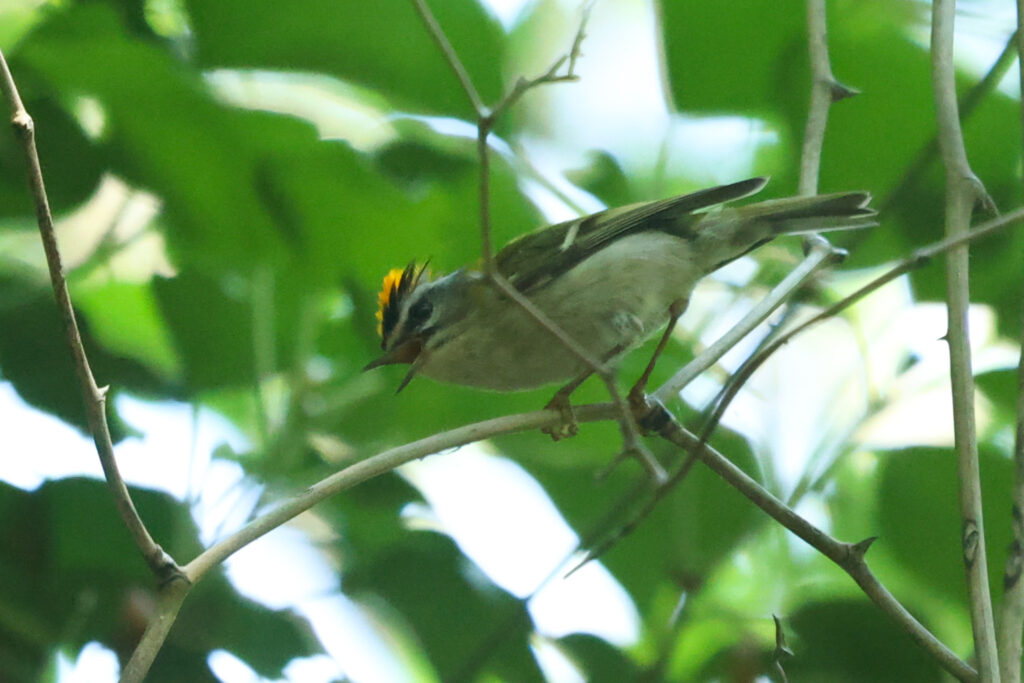
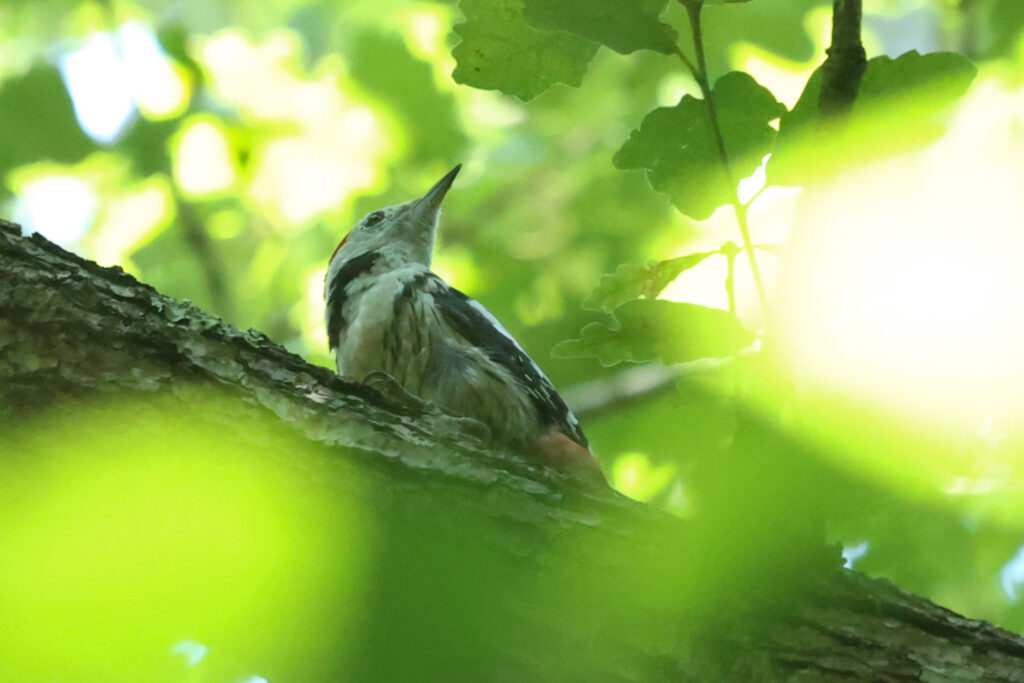
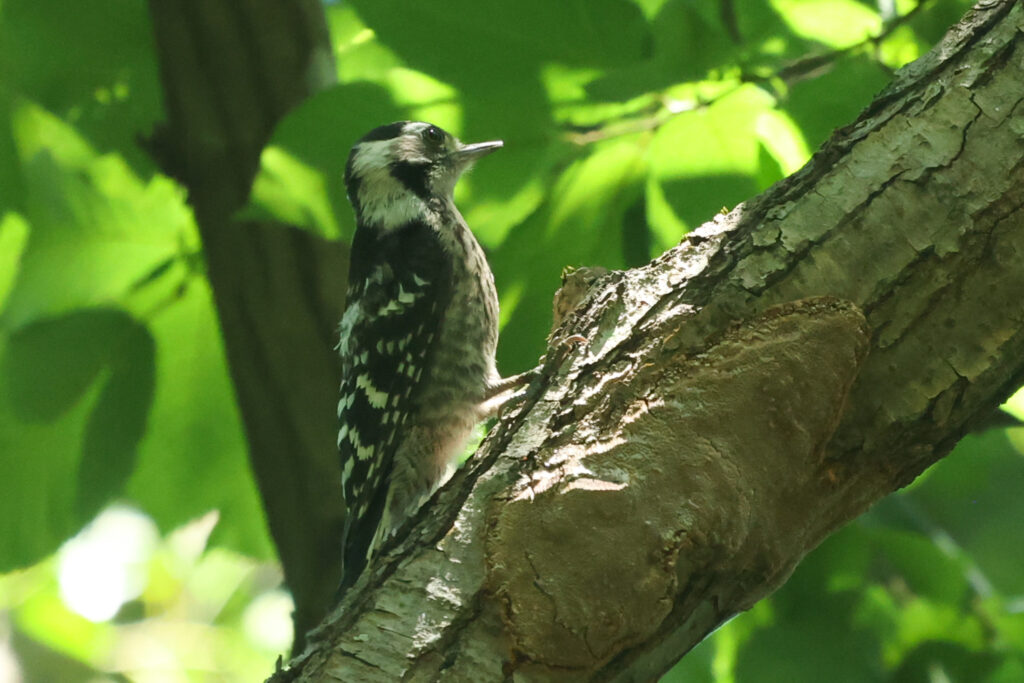
The birds started rolling in with sightings of Eurasian Greenfinch, Eurasian Blackcap, Song Thrush, Great Tit and Common Chaffinch. I had five family lifer targets for the trip, and three of them had to happen this morning as it would likely be my last morning in the appropriate habitat for the targets. Short-toed Treecreeper (Certhiidae) and Common Firecrest (Regulidae) fell in quick succession – both family lifers along with an array of woodpeckers: Grey-headed, Lesser-spotted, Greater-spotted and Middle-spotted.
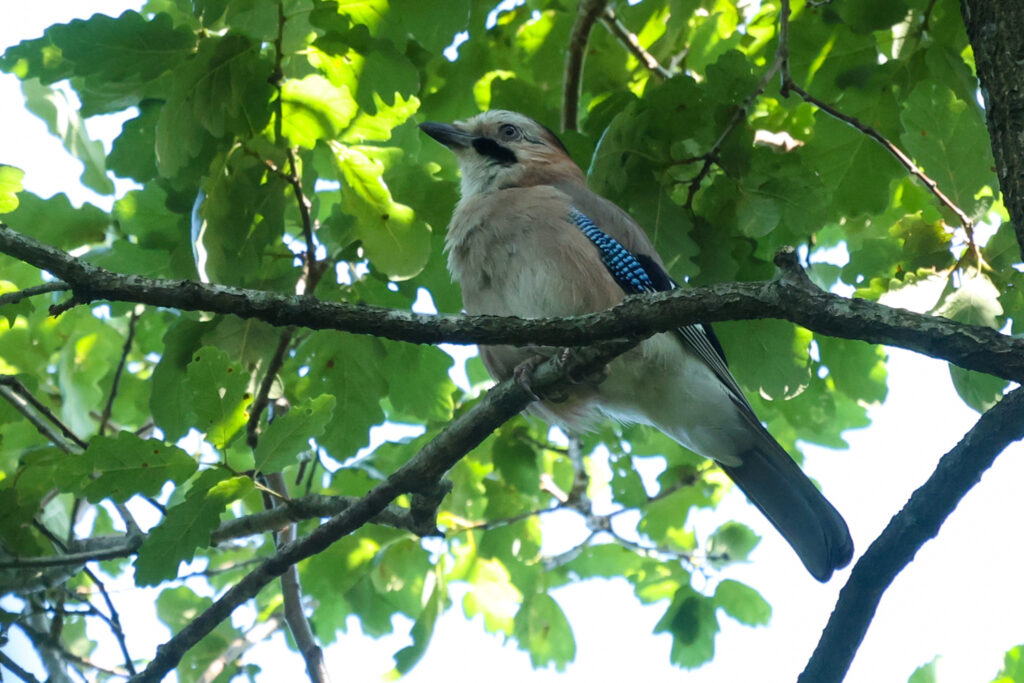
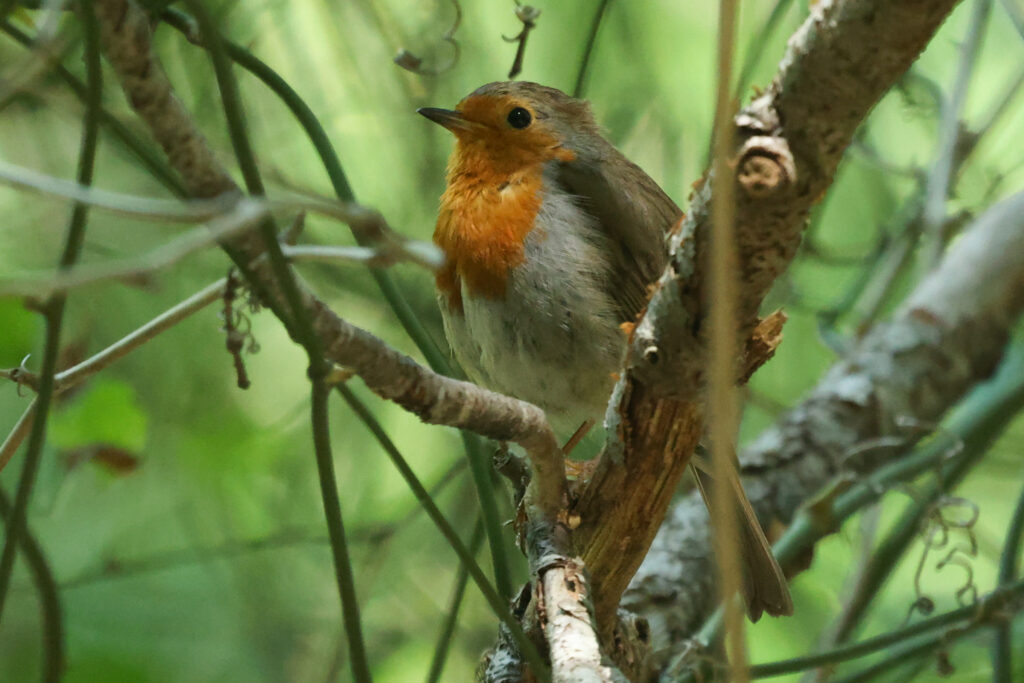
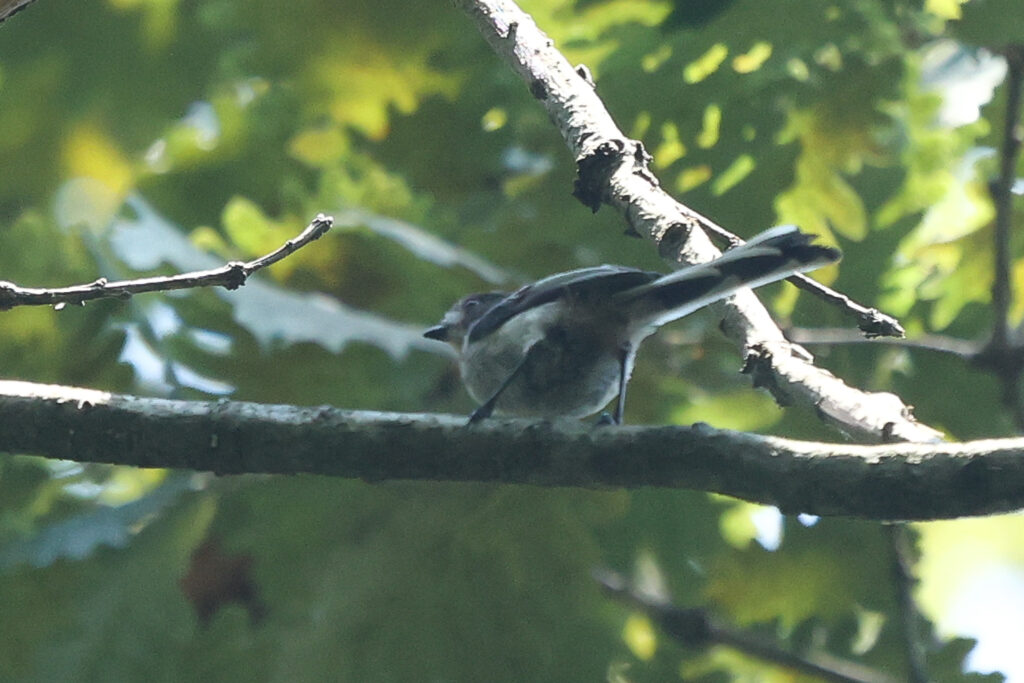
Continued perseverance delivered Eurasian Blue Tit, Eurasian Wren, Eurasian Jay and finally, Long-tailed Tit (Aegithalidae) – my third and final family target for the day. The picnic area around the entrance offered more open forest producing the first Hawfinch, Spotted Flycatcher, Common Chiffchaff and European Robin of the trip. The drive back to Istanbul offered a quick stop for lunch in Kemerburgaz, which added Eurasian Jackdaw to the list. With all of the targets cleaned up, we caught the overnight bus from Istanbul to Göreme in Cappadocia.
Day 3- Birding in Cappadocia
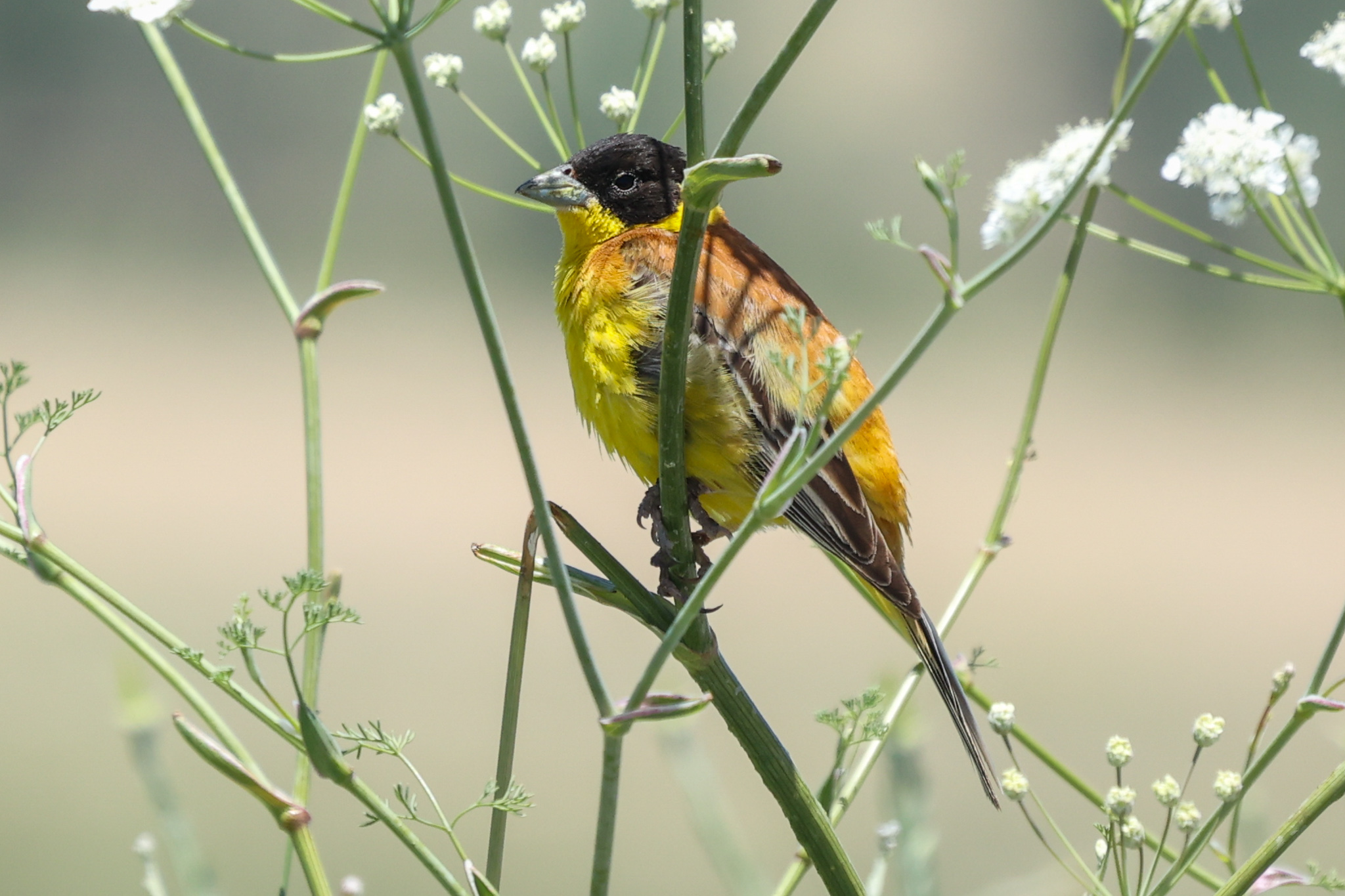
Day three dawned on the road; the bus had been an excellent choice as it offered the opportunity to cover distance during time that would have been spent asleep – therefore preventing wasted travel time during the day that could be used for birding. Roadside birding en route to Cappadocia produced Crested Lark, Black-headed Bunting, European Turtle Dove, Isabelline Wheatear, Long-legged Buzzard, Eurasian Hoopoe, Common Raven, Gull-billed Tern and the only Lesser Kestrel for the trip. We checked in at our AirBnB, collected the rental car and set off immediately.
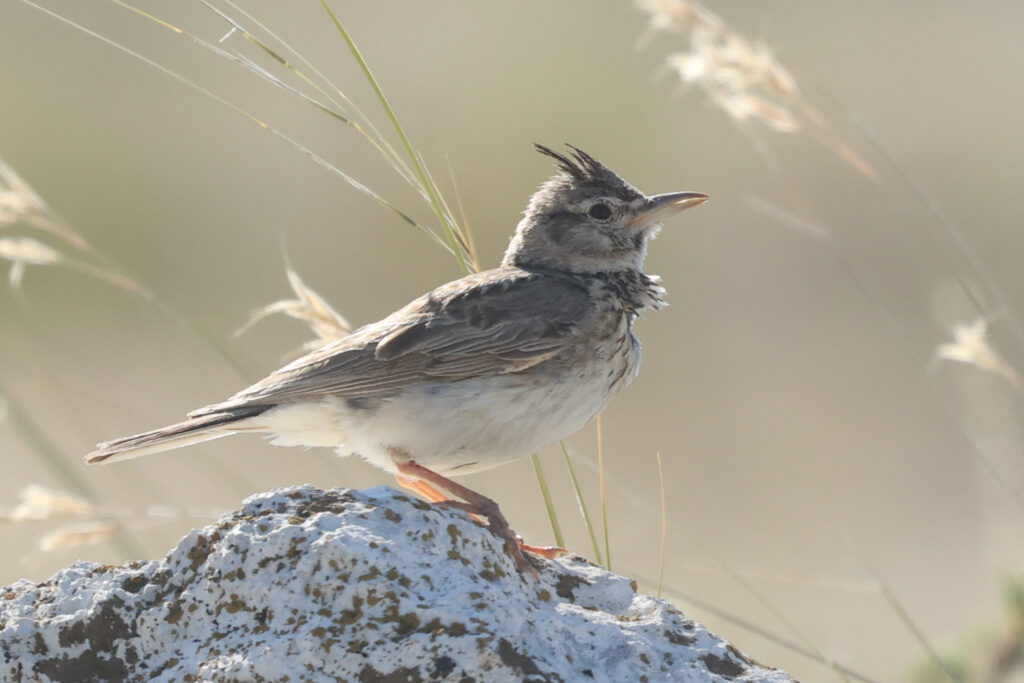
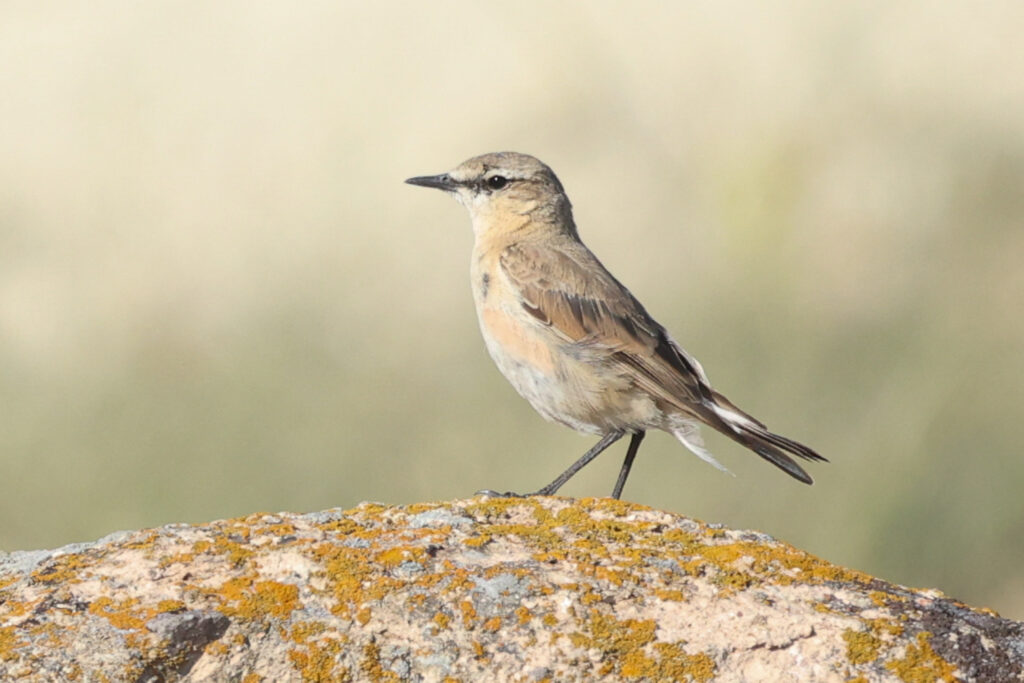
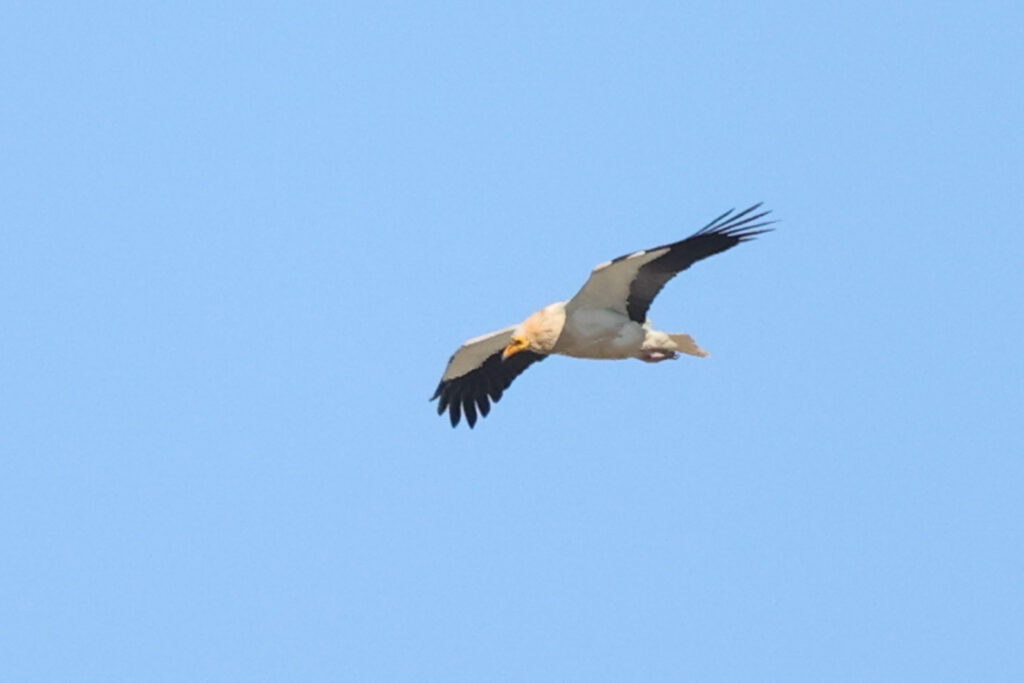
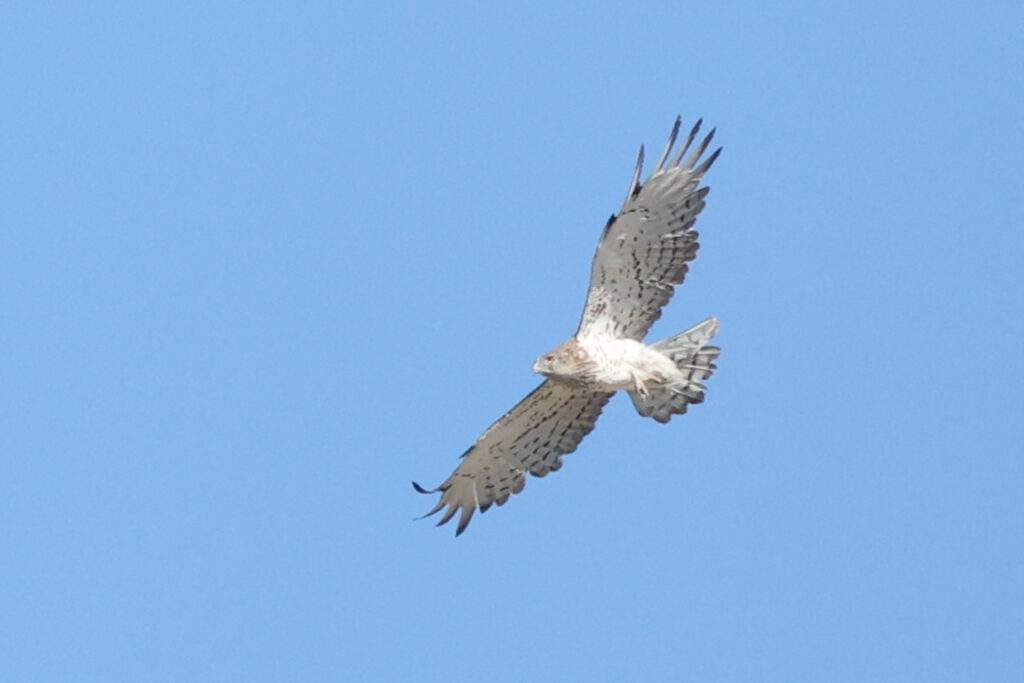
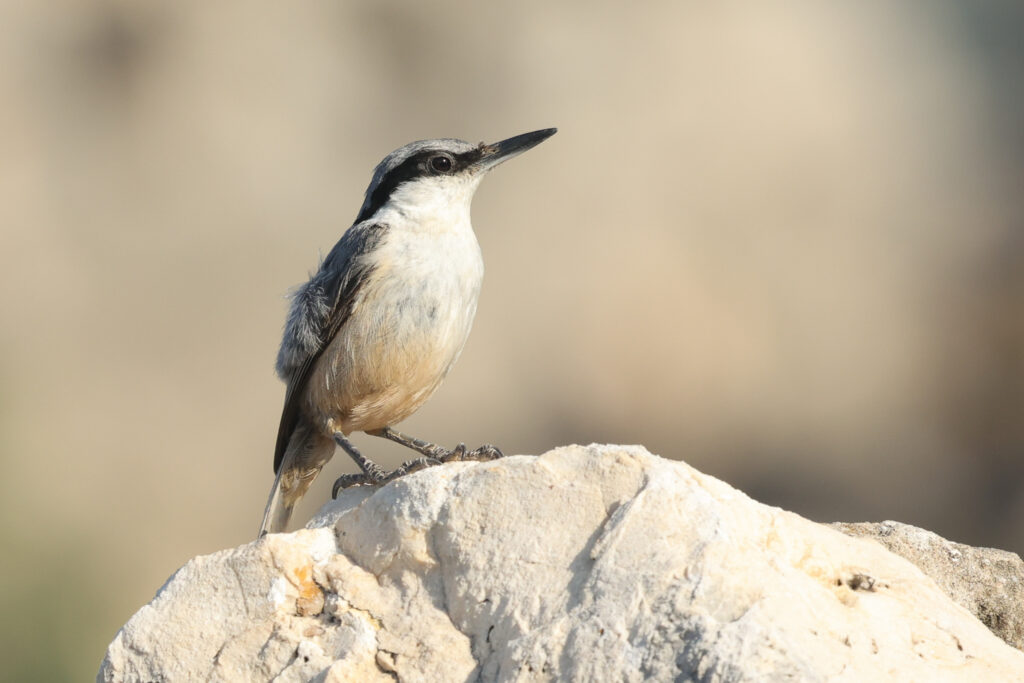
Göreme is set in an almost otherworldly setting with dramatic sandstone landscapes and rich human history. We decided to drive a few of the roads used to access sites such as Imagination valley and birded at any areas of suitable habitat. Noteworthy records included Western Rock Nuthatch, Eastern Black-eared Wheatear, Lesser Whitethroat, Crested Lark, Calandra Lark and several Isabelline Wheatears. An adult Egyptian Vulture and Short-toed Snake Eagle also made appearances, offering splendid views of both species.
Day 4- Göreme and Sultan Marsh
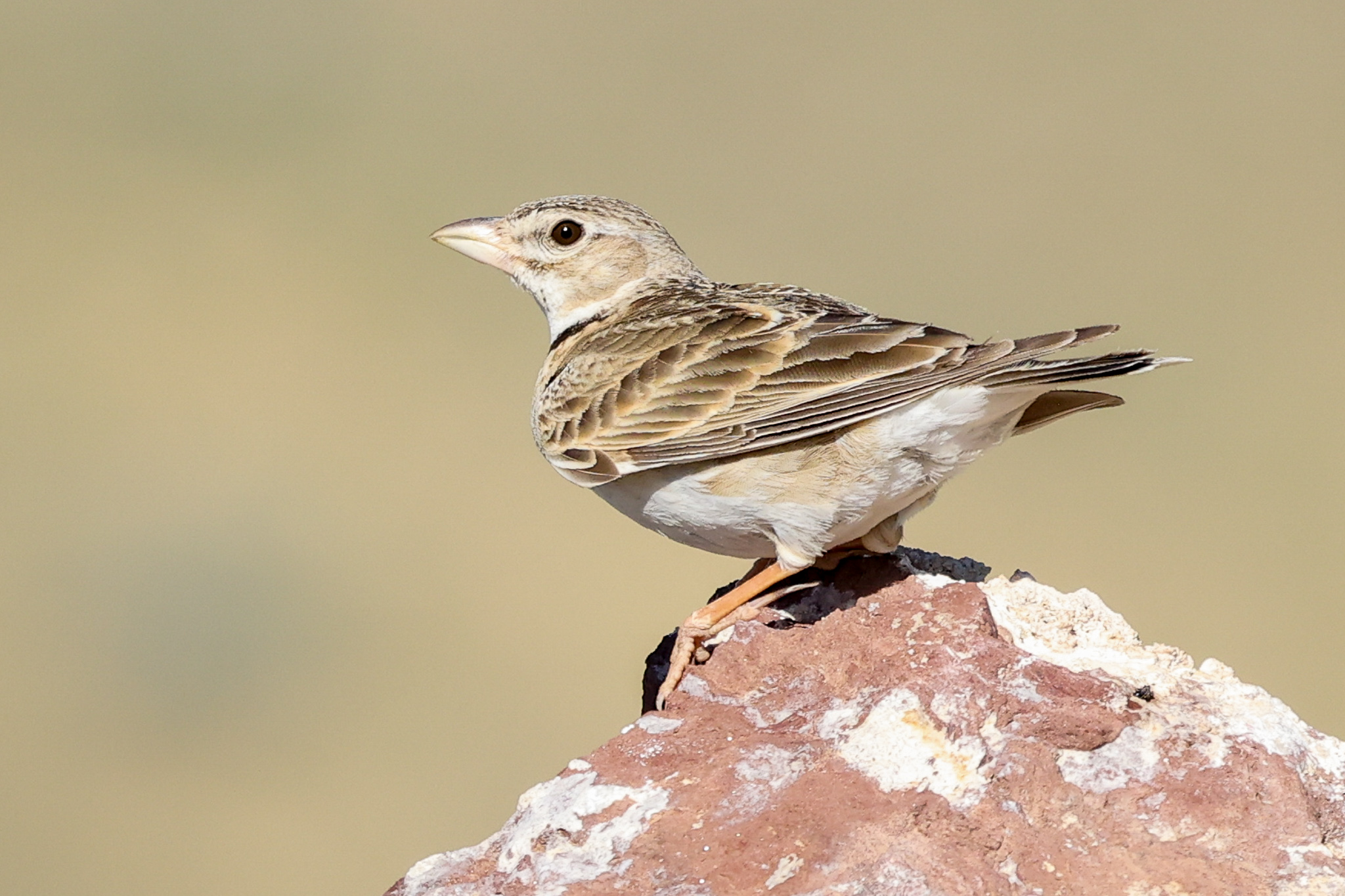
A pre-dawn start saw us heading to one of the major birding sites in central Turkey, the 39,000-hectare Sultan Marsh. The roadside birding was nothing short of spectacular, and we were soon distracted with Chukar Partridge, Greater Short-toed Lark, Cretzschmar’s Bunting, Western Rock Nuthatch and more Gull-billed Terns.
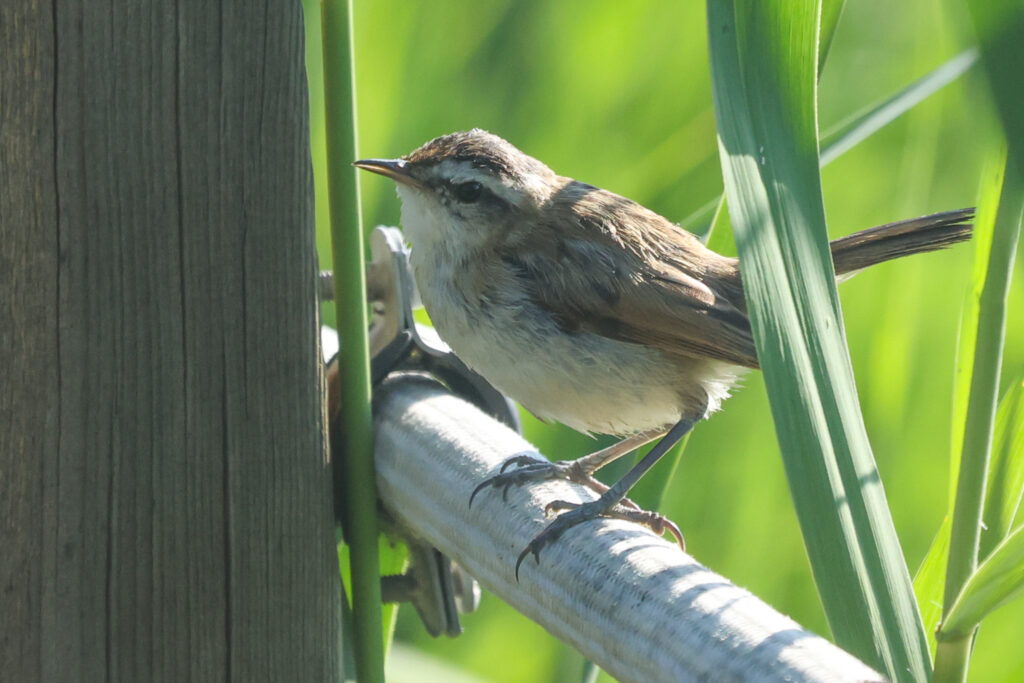
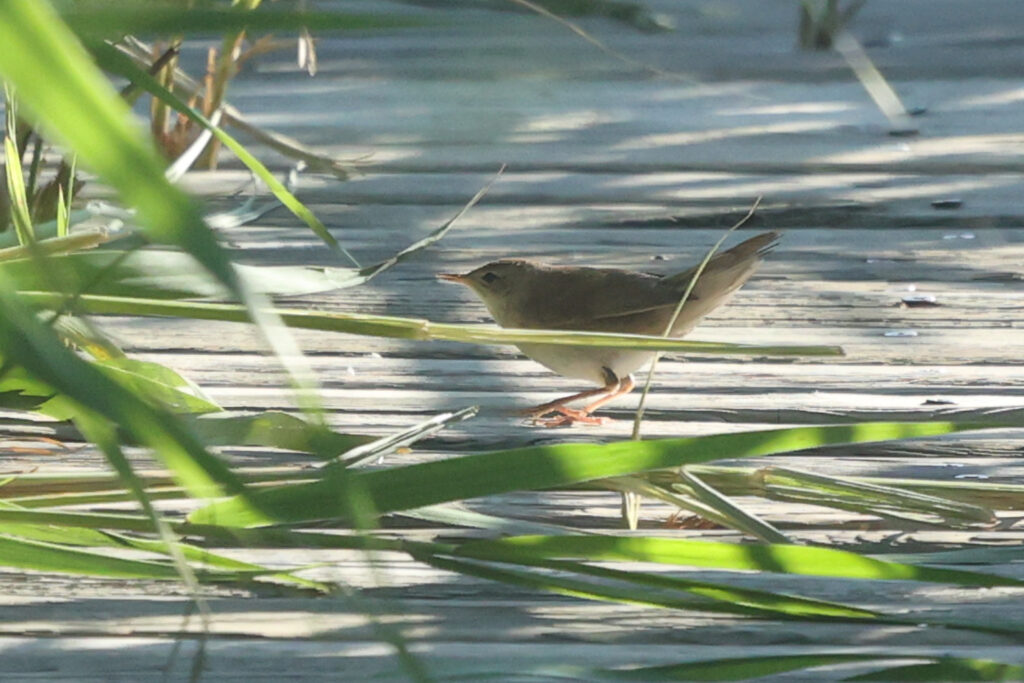
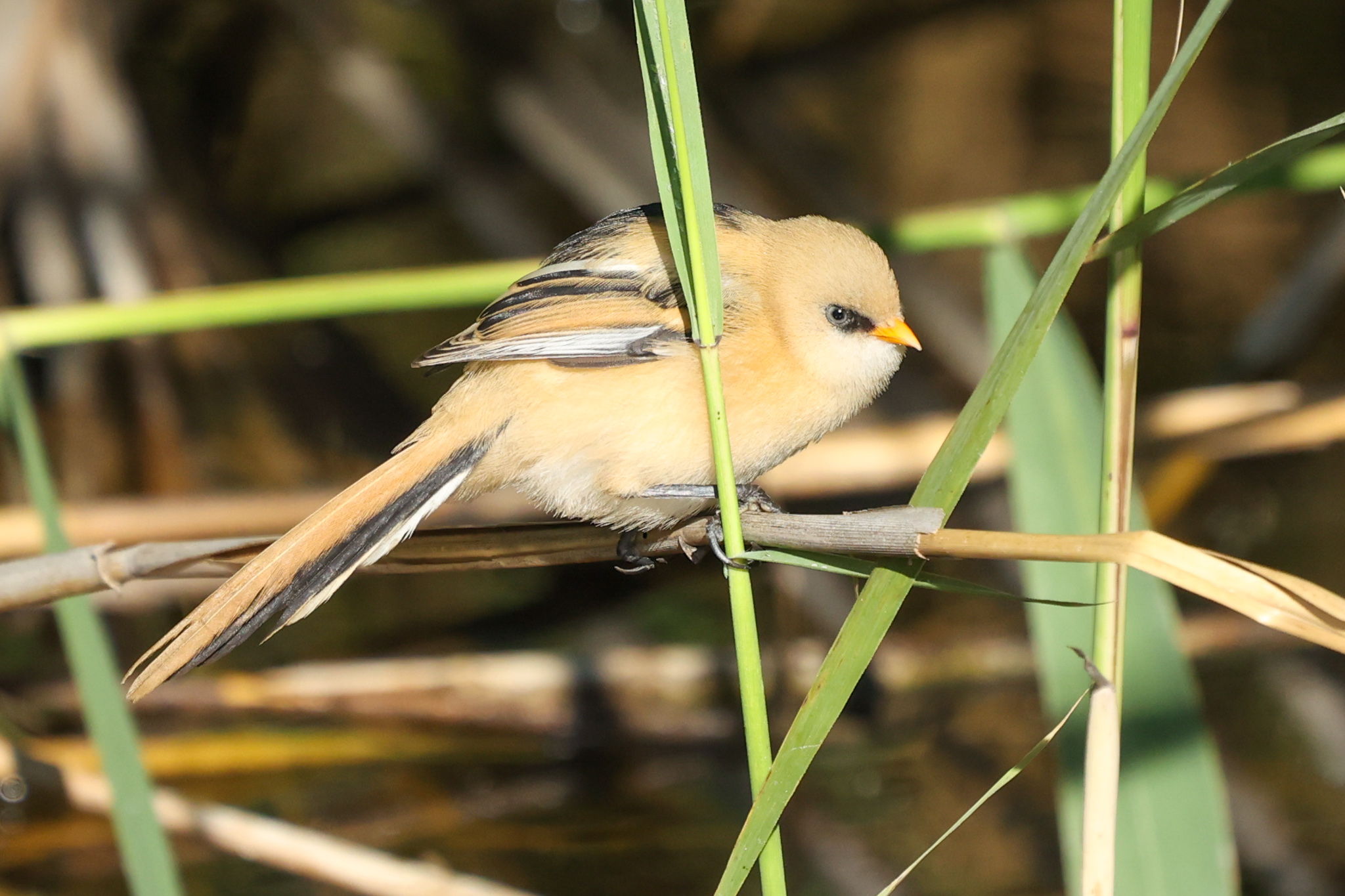
Upon arrival at Sultan, we were quickly notified that in order to access the birding at the marsh, it was compulsory to go with a local guide. Thankfully, there is always a guide present, and so we set off with Atalay Atasoy on one of several boardwalks penetrating the dense reedbeds. I would strongly recommend confirming the price of the excursion beforehand to avoid any unexpected guiding fees. Highlights included Little Owl, Red-crested Pochard, White-headed Duck, Ferruginous Duck, Moustached Warbler, Savi’s Warbler, Common Reed Warbler, Common Reed Bunting, Water Rail and Bearded Reedling (Panuridae – my fourth family lifer for the trip).
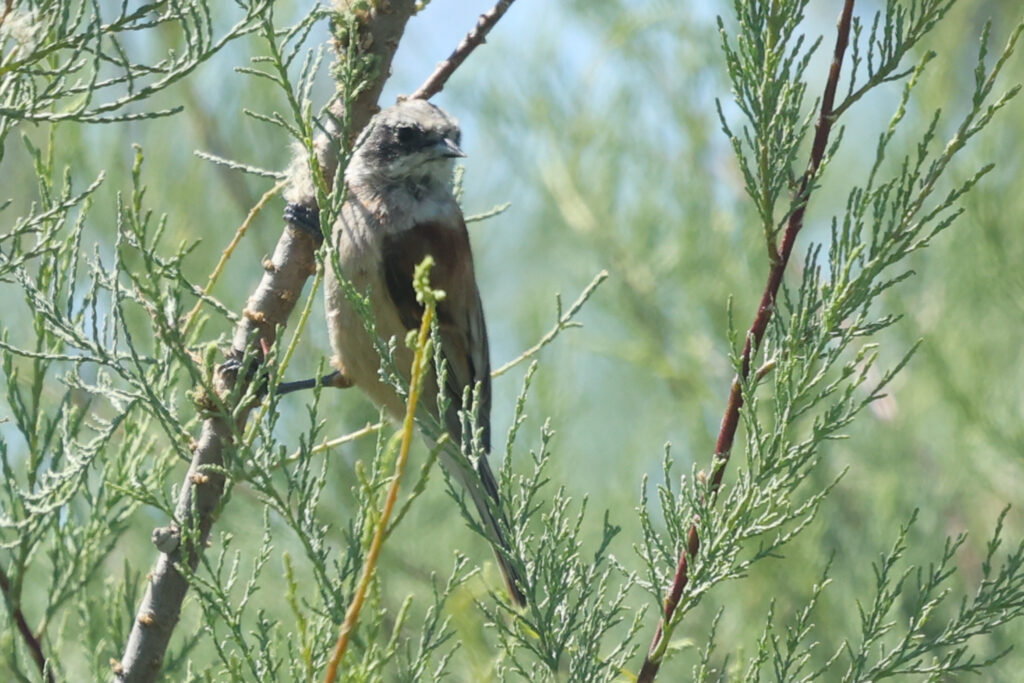
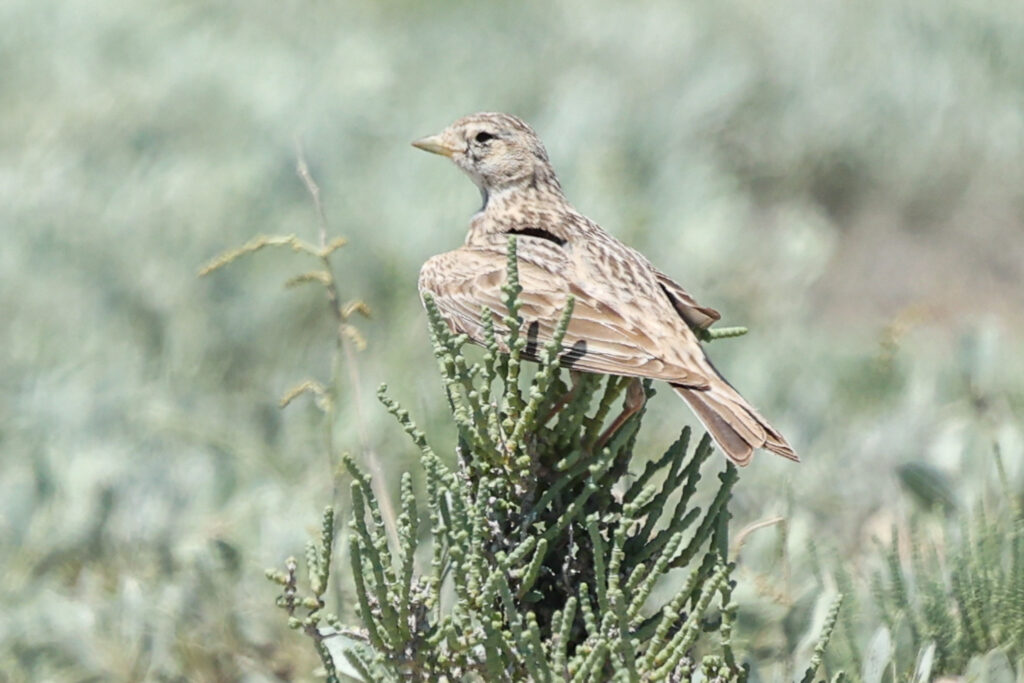
After an early morning Turkish tea, we set off again, this time in the car towards Sultansazlığı Kuş Cenneti – a large salt pan north of the marsh. The birding en route to the salt pan produced Eurasian Penduline Tit, Western Yellow Wagtail, Northern Lapwing, Black Stork and raptors, including Booted Eagle, Western Marsh Harrier (abundant), Eurasian Hobby and Common Kestrel. We also worked areas of suitable habitat for Turkestan Short-toed Lark, a recent split from Lesser Short-toed Lark, and were rewarded with saturation views.
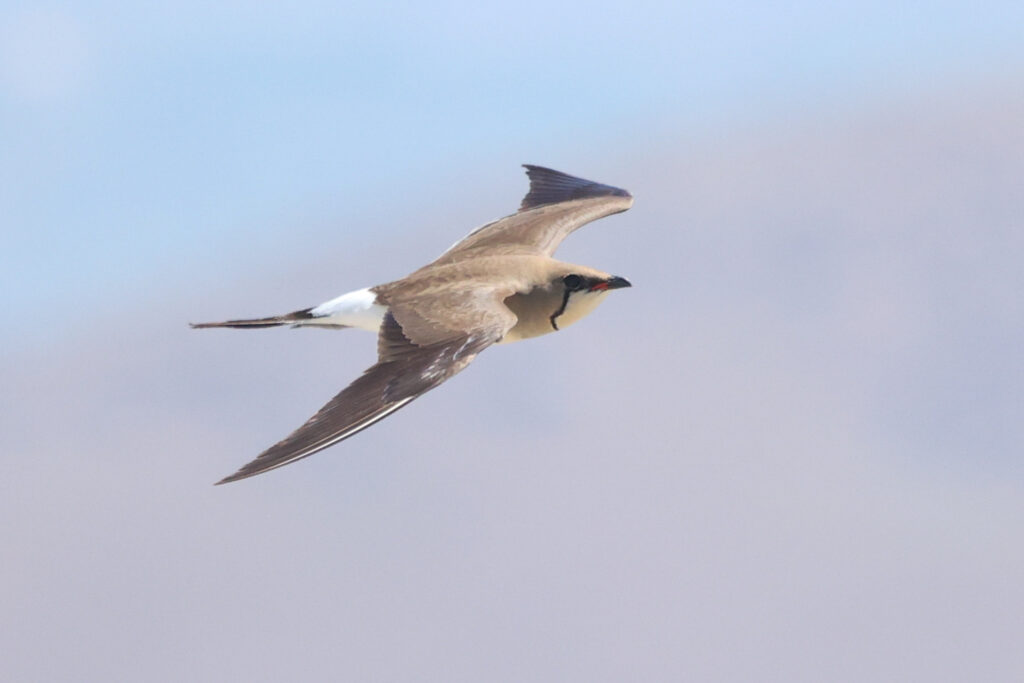
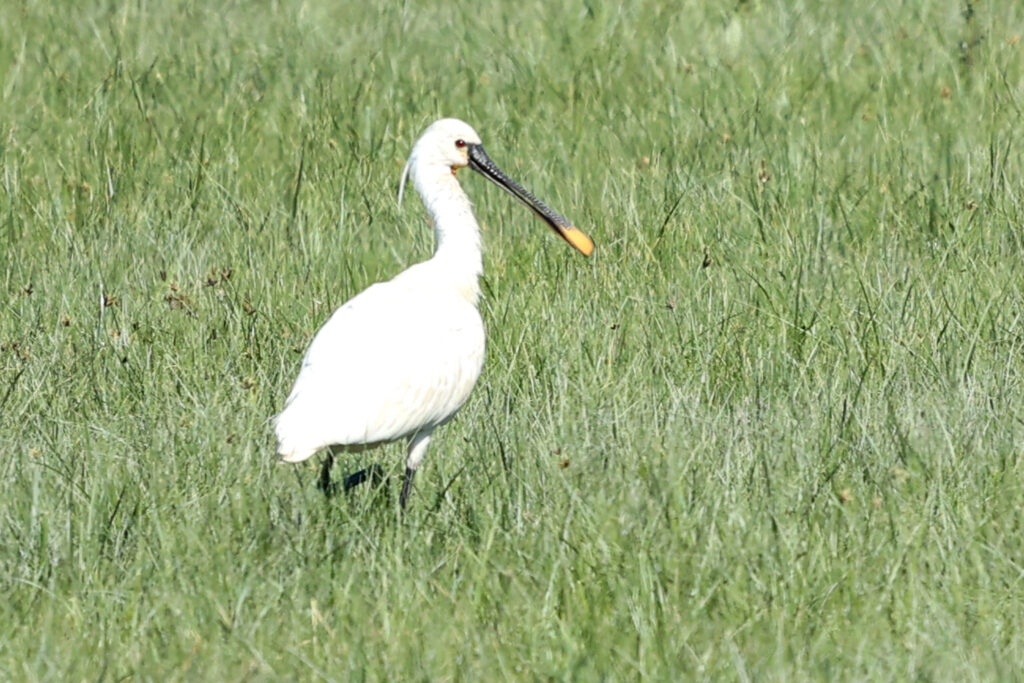
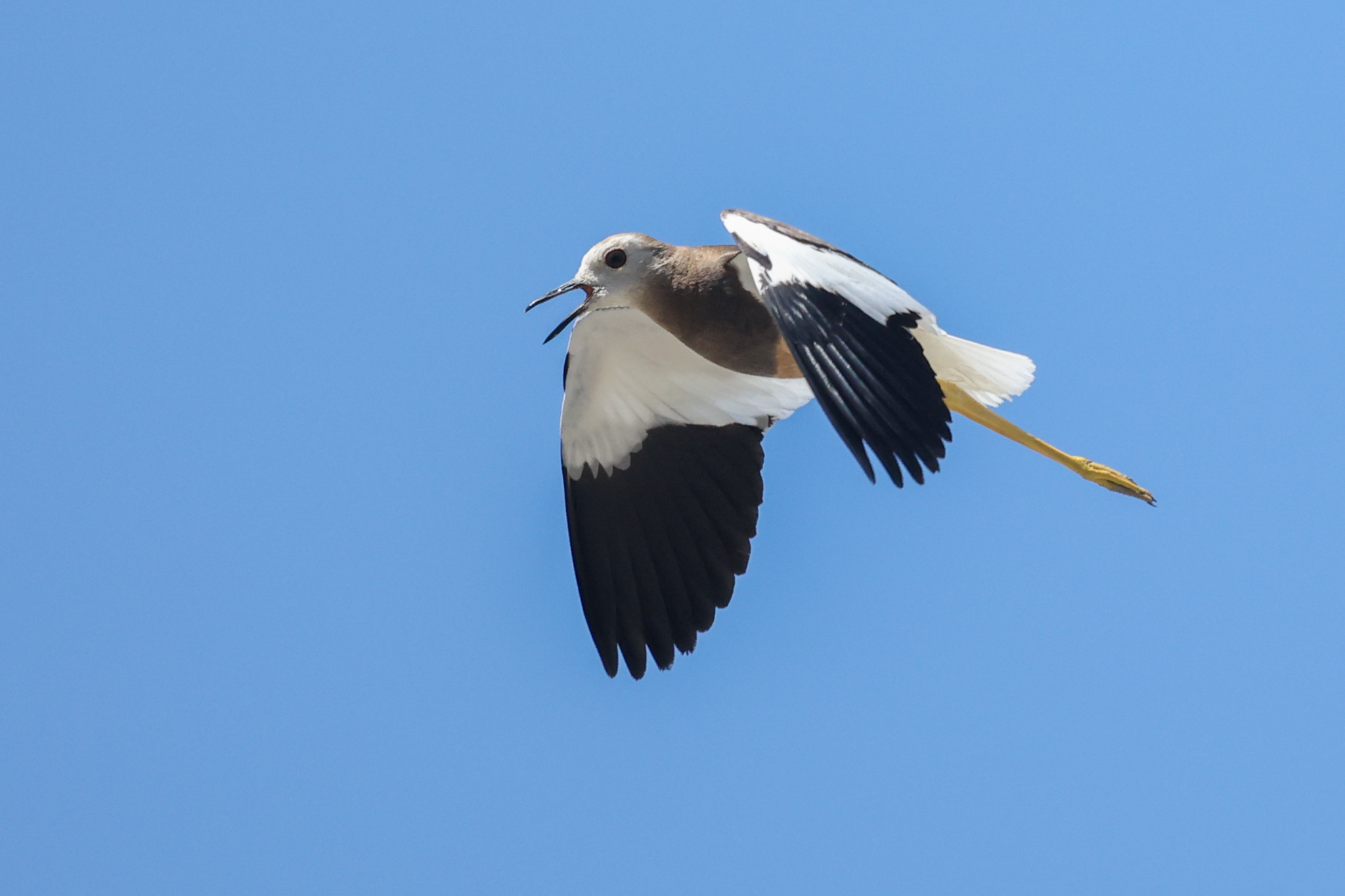
The salt pans delivered Common Crane, Kentish Plover, White-winged Tern, Whiskered Tern and a variety of waterfowl, including Garganey, Green-winged Teal, Ruddy Shelduck and Greylag Goose. Atalay then took us to one of his stakeouts for several notable species, and we added Collared Pratincole, Spur-winged Lapwing, Citrine Wagtail, Slender-billed Gull, Common Redshank, Black-tailed Godwit and a pair of rare White-tailed Lapwings (a species with only a handful of records in this part of Turkey).
After a highly successful day birding the Sultan Marshes, we made our way back to Göreme, stopping regularly for roadside birding with additions to the list coming in the form of Rock Sparrow, Corn Bunting, Upcher’s Warbler and Eurasian Goldfinch, amongst others.
Day 5- Göreme and Aladağlar National Park
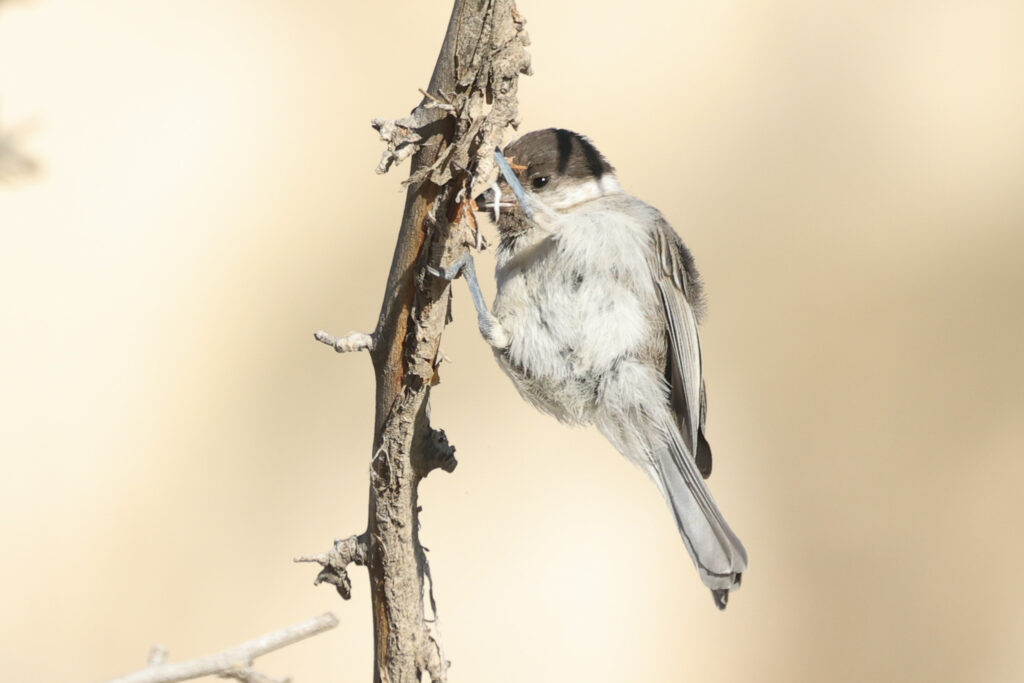
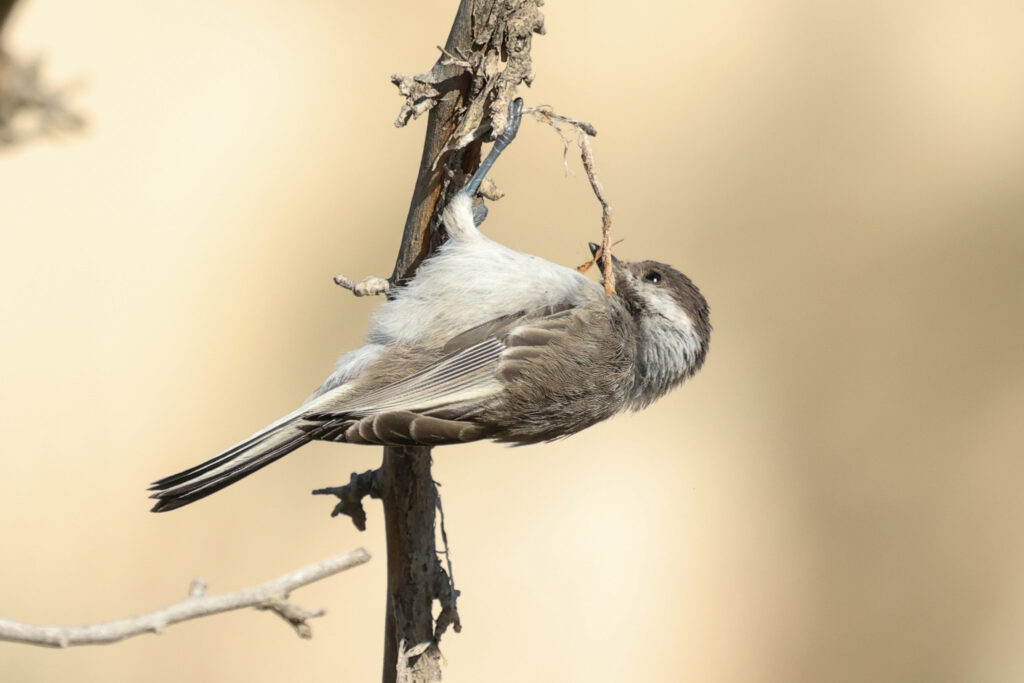
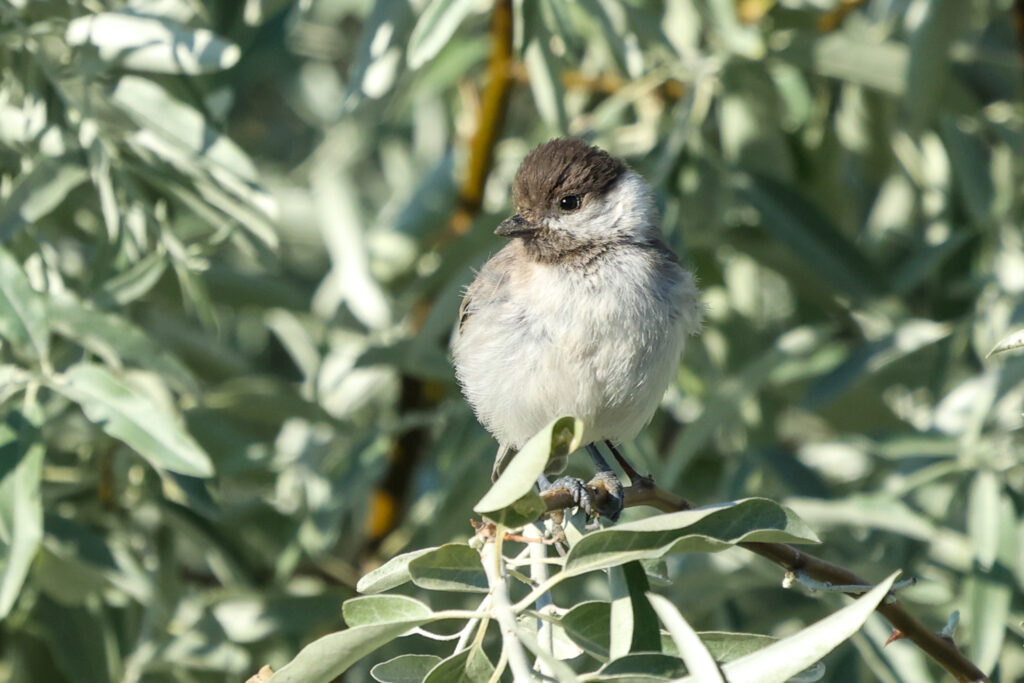
Day 5 saw yet another early start, this time to tackle the arid scrub around Göreme. Thankfully, the main target, Sombre Tit cooperated well, and we enjoyed incredible views of a pair of this localized species. Additionally, we managed improved views of Chukar Partridge, Eastern Olivaceous Warbler, Upcher’s Warbler, Lesser Whitethroat and both Great and Eurasian Blue Tit. With the main target out of the way, we set off south towards Aladağlar National Park. Roadside birding was again productive, with Syrian Woodpecker, Cetti’s Warbler, Common Nightingale, Lesser Grey Shrike and Eurasian Golden Oriole being new trip birds. The drive to Aladağlar took just over 3 hours – with a fair amount of roadside birding in spectacular countryside.
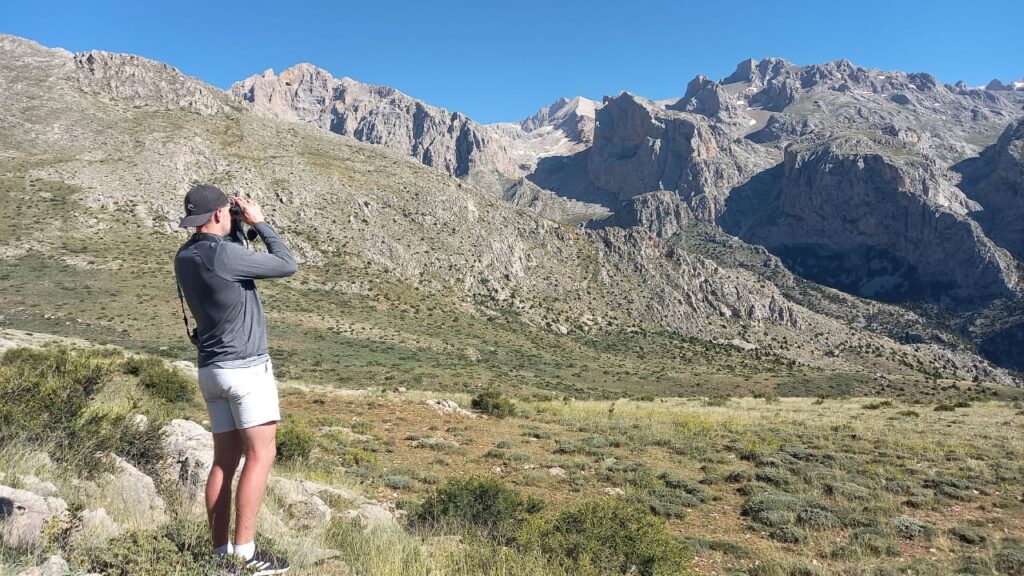
The Aladağlar mountains form part of the Anti-Taurus Mountain range and are host to an array of range-restricted species; the highest point, Demirkazık Tepe, towers over 3,700m above sea level. During the winter, heavy snowfall forces most birds down to lower altitudes making the primary target species easily accessible. In July, however, the snow is restricted to all but the highest peaks, so any shot at the high altitude specials involves considerable walking. We unpacked our luggage at Aladağlar Camping Bungalow and set off towards Emil Valley for our first exposure to Alpine birding.
We continued along the dirt track at Emil Valley until reaching a dead end at just over 1,900m above sea level. From here, we walked along an unmarked single track, reaching a maximum altitude of 2,050 m. The birds rapidly started falling into place with White-throated Robin (Irania), Northern Wheatear, Eastern Black-eared Wheatear, Red-billed Chough, Yellow-billed Chough, Ring Ouzel, Common Rock Thrush, Ortolan Bunting, Eurasian Linnet, European Serin and Rock Bunting. The habitat had a distinctly alpine feel; we were well above the treeline, yet I realized that we were still much too low for any of the main target species. Other noteworthy records included a pair of Golden Eagles, Wood Lark and our second Little Owl.
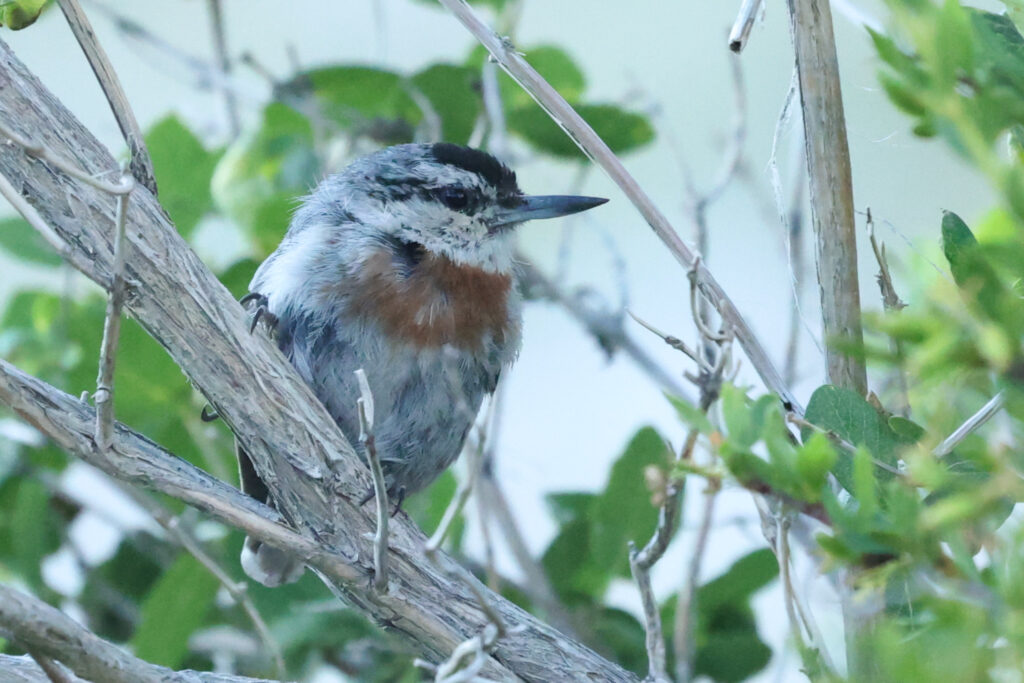
With the afternoon light beginning to fade, we headed back down into the treeline and were treated to mind-bending views of the near-endemic Krüper’s Nuthatch. In addition, we found a breeding pair of Sombre Tits, once again giving rewarding views of this species. Careful planning for this section of the trip was essential as I had one shot at each target species, and so far, it was working out splendidly. As the sun set, Eurasian Eagle-Owl and Eurasian Scops Owl were vocal around our accommodation in Çukurbağ.
Day 6- Birding in Aladağlar National Park and transfer to Mersin
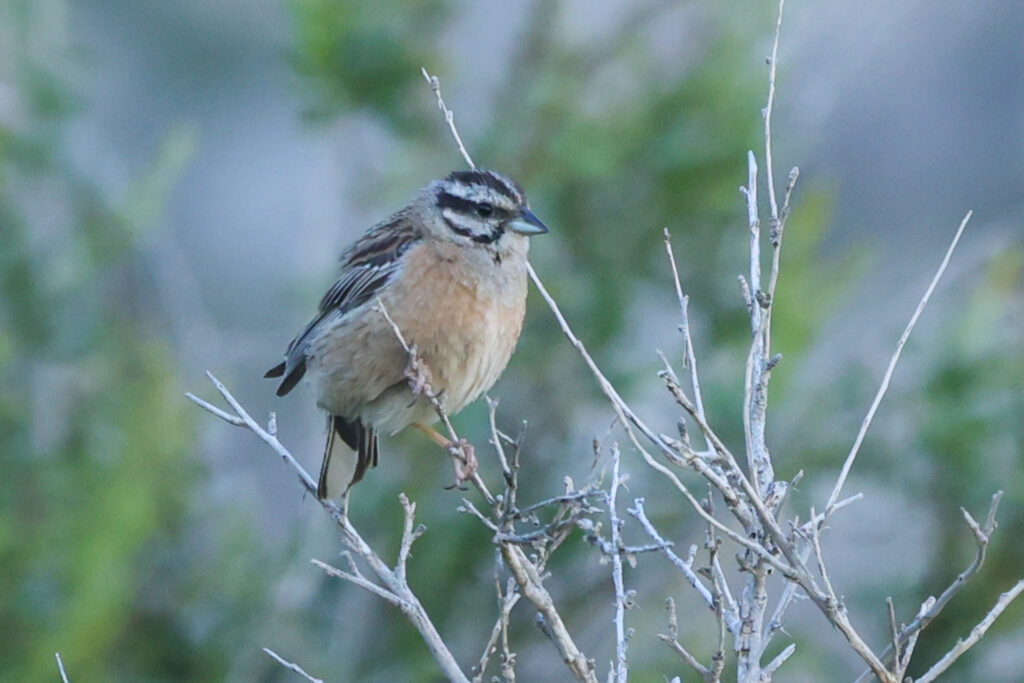
Day 6 was our earliest start yet, and saw us heading up the gravel mountain pass at Su Yalagi in Aladağlar National Park at 03:30 am. Our low clearance Fiat didn’t get us far, so we set off on foot in the dark. Ironically, most of the road was in splendid condition and would be accessible with relative ease in almost any car. Our goal for the morning was to reach a vantage point at just over 2,300 m to try for Caspian Snowcock. As the sun rose, the activity picked up, and we had: European Nightjar, Red-backed Shrike, Horned Lark, Eurasian Crag Martin, Black Redstart, Common Redstart, Cretzschamr’s Bunting, Chukar Partridge and White-throated Robin (Irania) to name a few.
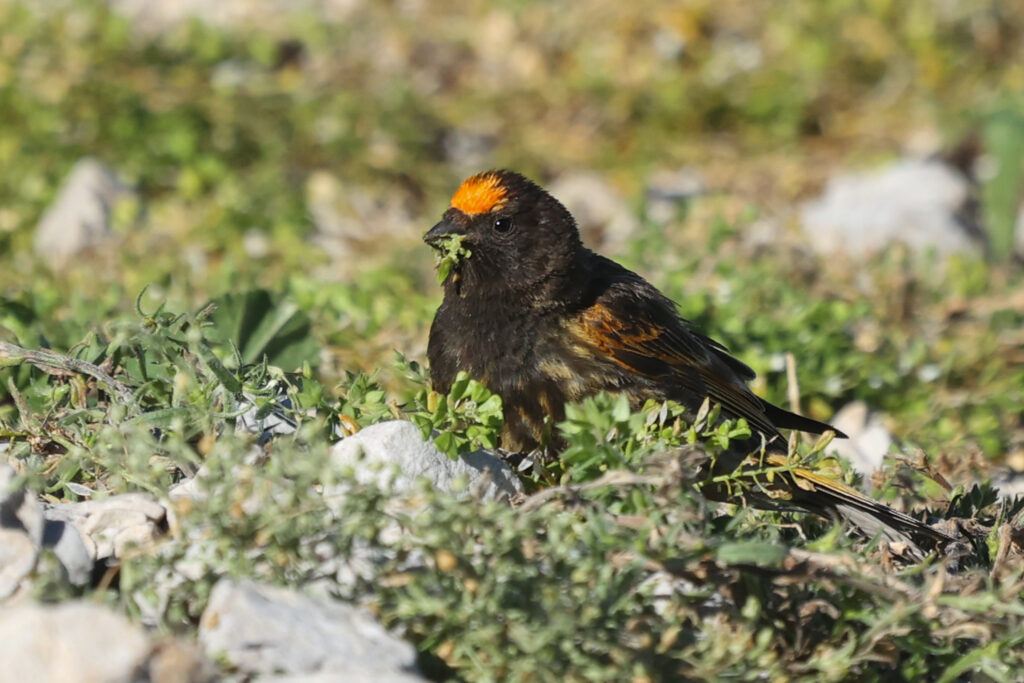
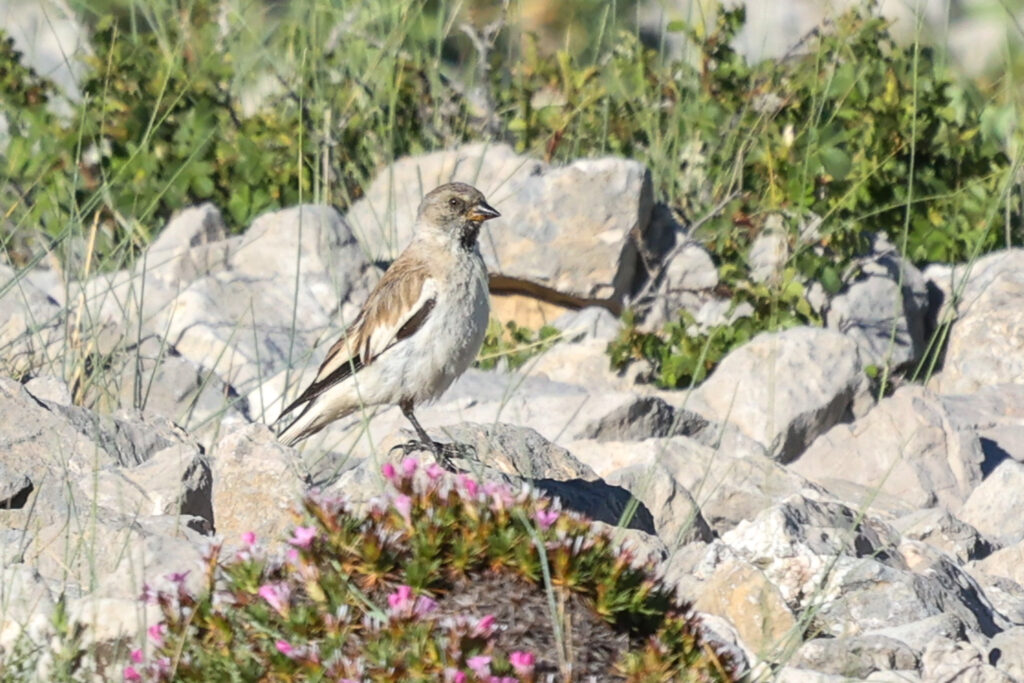
As we passed the 2,200m mark, the habitat changed dramatically from short scrub to a tundra-like landscape with almost no vegetation. Slowly, the high-altitude species started showing in the form of Fire-fronted Serin, White-winged Snowfinch, Crimson-winged Finch and Radde’s Accentor (Prunellidae), the latter being my fifth and final family target for the trip. The undisputed highlight, however, was a pair of Caspian Snowcocks, a range-restricted and seldom-seen species occurring from Turkey to western Iran. I was particularly keen on seeing the snowcocks, so celebrations were in order. In total, we had walked close to 15 kilometres before 9 am and miraculously walked away with our main target at the most challenging time of the year to try and see it.
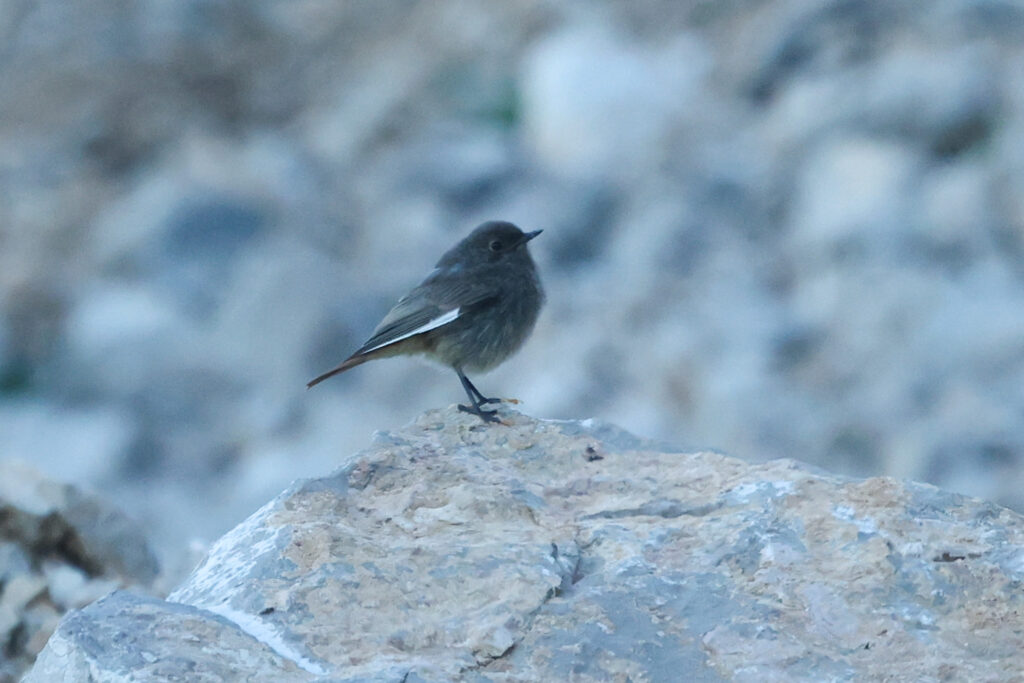
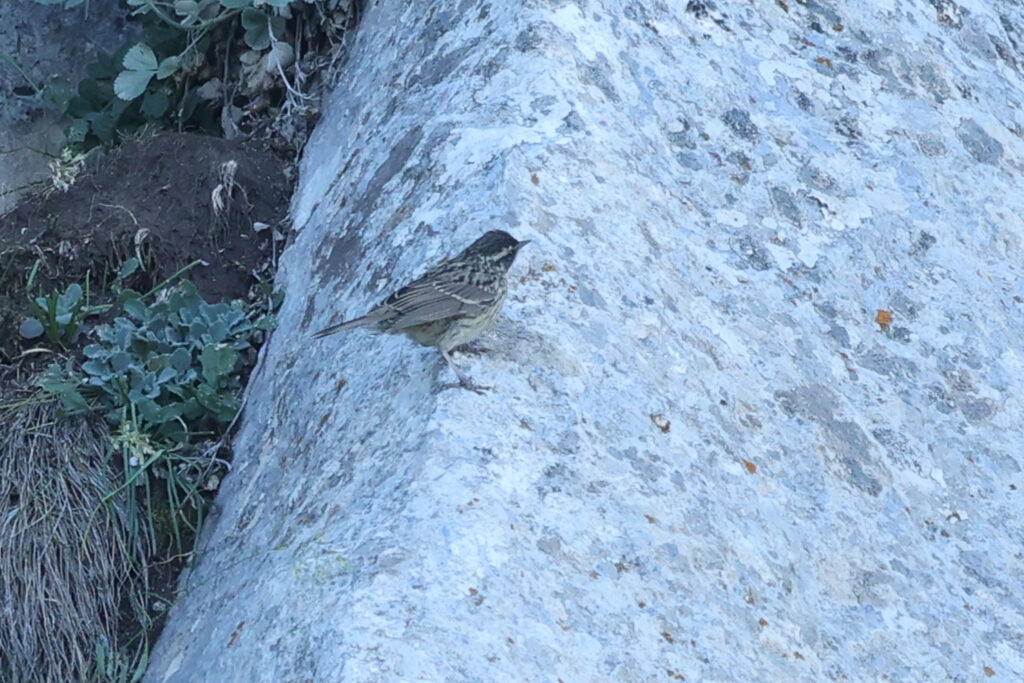
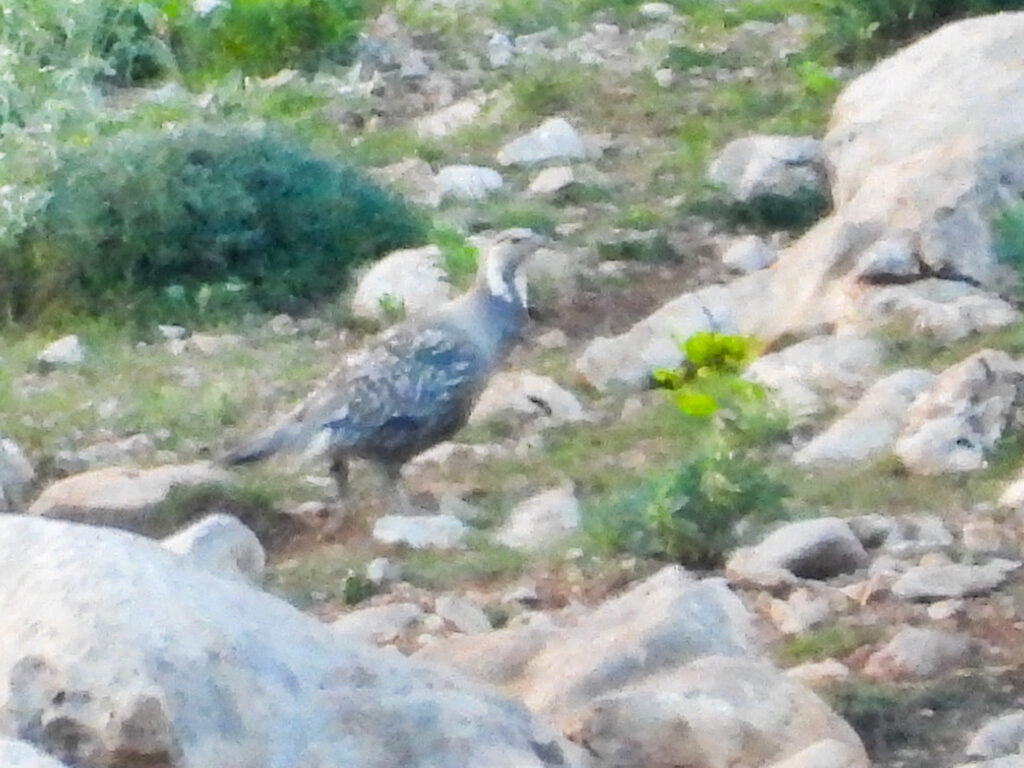
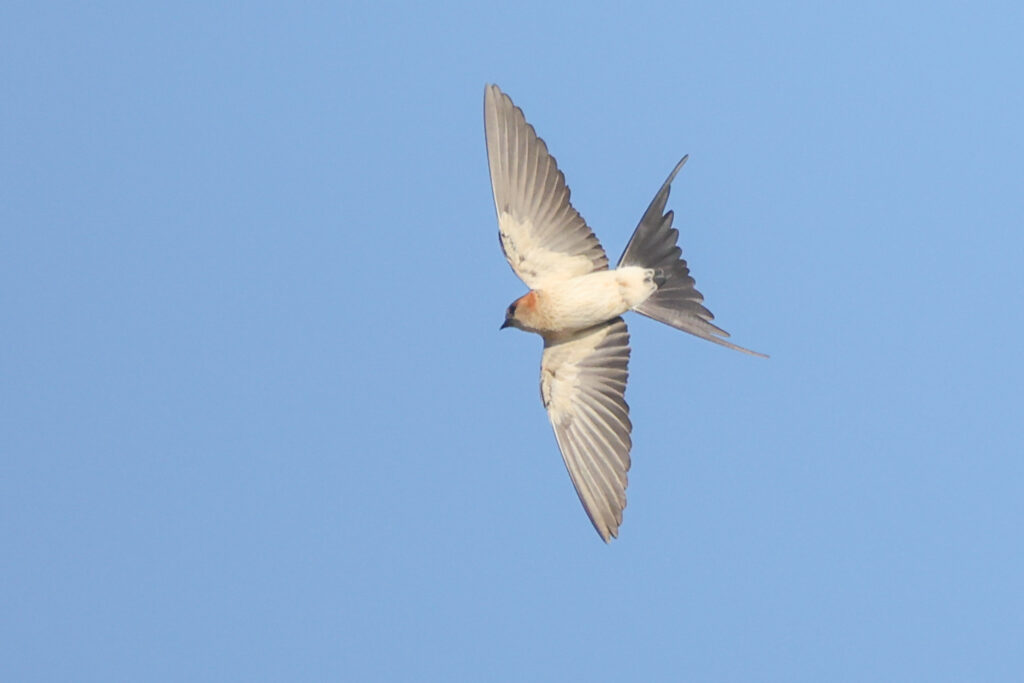
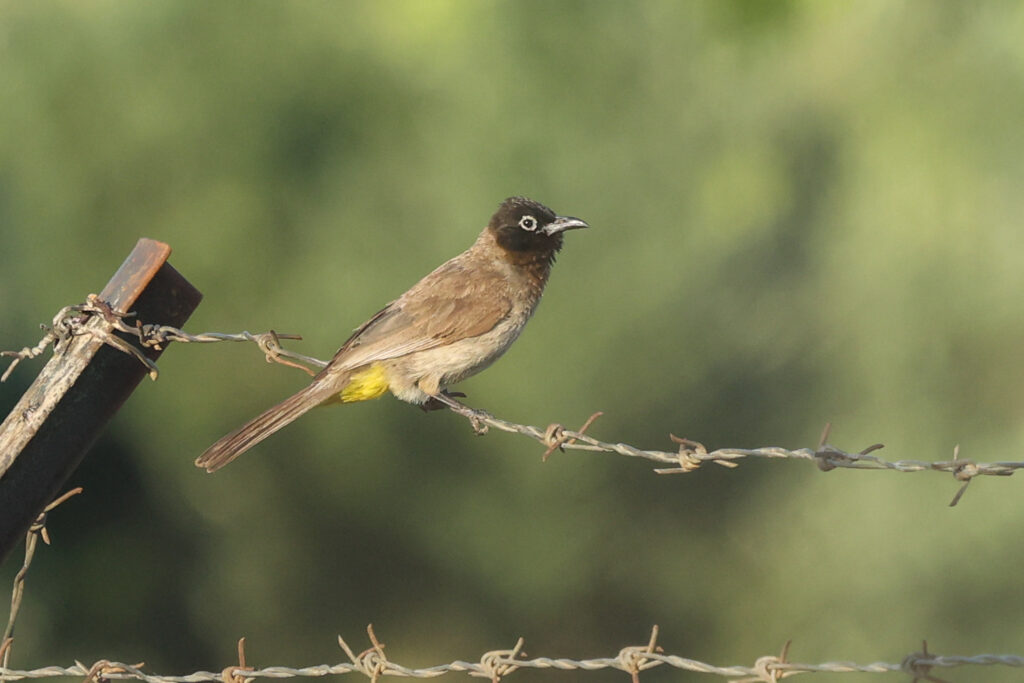
Our quick success meant we could leave early for Mersin and the southern coast. Mersin is a four-hour drive from Aladağlar and the roadside scenery was nothing short of breathtaking, with snow-capped peaks and pine-covered slopes. Upon arrival in Mersin, we unpacked at our AirBnB in the small beachfront town of Yemişkuyu and set off for some afternoon birding in the Mediterranean scrub. Unfortunately, the Mediterranean coast proved to be much hotter than anticipated. Although birding was slow, we managed a few coastal specials, including White-spectacled Bulbul, Rüppell’s Warbler (the main target) and European Red-rumped Swallow.
Day 7- Mersin to Istanbul (Karaburun)
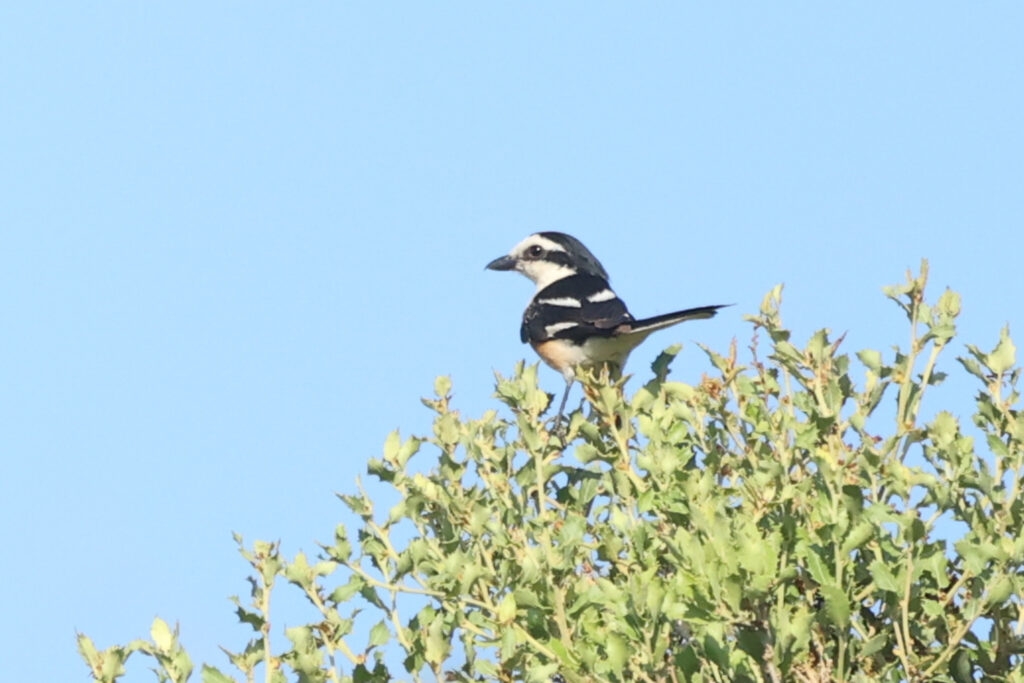
With a full day of travel ahead of us, it was another early morning out in the Mediterranean scrub, which produced improved views of Rüppell’s Warbler, Eastern Orphean Warbler, Masked Shrike, Short-toed Snake Eagle, Syrian Woodpecker and numerous White-spectacled Bulbuls. Due to my time constraints, I sacrificed a number of the classic southern coast targets for species such as Rüppell’s Warbler and Masked Shrike with relatively restricted global ranges. We then drove five hours back to Göreme, took the bus to Kayseri and flew back to Istanbul before taking a taxi at 10 pm to our accommodation in Karaburun – a small town on the coast of the Black Sea.
Day 8- Karaburun birding
Our final morning in Turkey dawned on the coast of the Black Sea and started off with a walk along Karaburun beach. I still needed a number of the regularly occurring gulls, so a seawatch was in order. Unfortunately, things started slowly with large numbers of Yellow-legged Gulls, European Shags and Great Cormorants – none of which were targets for the morning. With a lack of exciting activity, I decided to work through some coastal thickets, which produced Common Nightingale, Eastern Olivaceous Warbler, Spanish Sparrow and European Robin. The return to the seawatch proved considerably more productive than the first session, and I had excellent views of Mediterranean Gull, Black-headed Gull and Common Gull, and Common Tern.
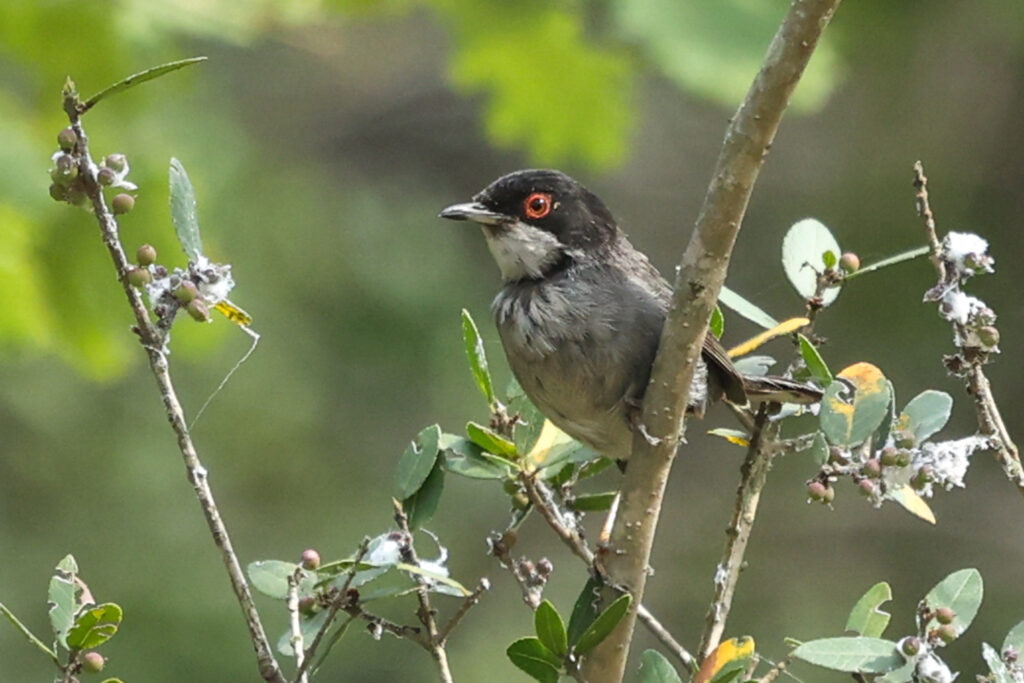
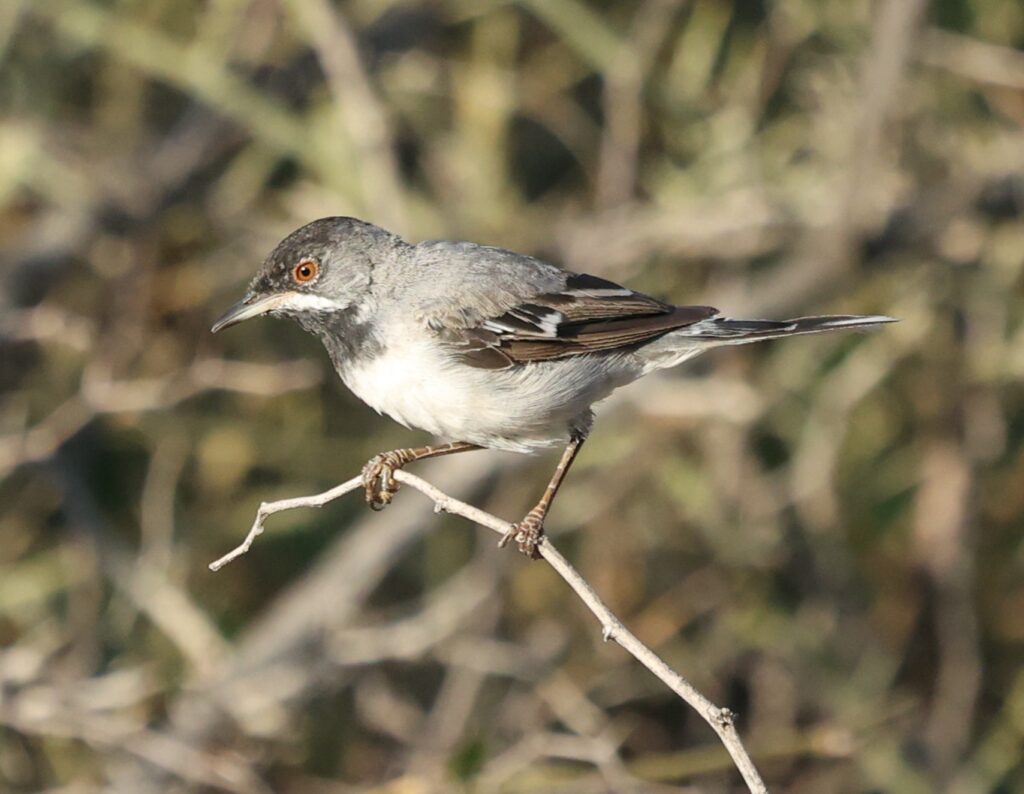
With the gulls sorted, we headed into an unnamed forest inland from Kuruburn (an easy ten minute walk from town) for a last attempt at Sardinian Warbler and a few remaining targets. Thankfully, through some perseverance, the warblers cooperated, and we had close-up views of four Sardinian Warblers. Other species seen here included the first Cirl Bunting of the trip, Lesser Whitethroat, Common Nightingale, European Red-rumped Swallow, Common House Martin, Hawfinch and Common Chaffinch. Additionally, European Green Woodpecker was heard but unfortunately not seen here. The final day produced seven lifers before catching our return flight to Johannesburg.
Conclusion
Turkey exceeded my wildest expectations; before setting out, I decided that 75 lifers would be a reasonable target, yet I ended up walking away with 110 lifers. The final trip total stood at 164 species; remarkably, not a single major target species was missed. Bird of the trip would have to go to Caspian Snowcock; not only was this the rarest (in terms of total observations on eBird) species seen on the trip, but it required the most effort to get to.
Overall, Turkey was enjoyable and logistically easy to travel in; the road network is superb, public transport was efficient and reliable, accommodation was readily available, and food was affordable and delicious. From a birding perspective, most species were readily accessible in a low-clearance sedan and open country birding made for a more relaxed birding pace. The country also presents additional interests to visitors with several historical and touristic sites to distract you along the way, making it the ideal place for those wishing to couple good birding with visiting the touristic areas.