This is the second part of our Western Australia birding trip and focuses on the northern leg of our trip. Read Part 1 about our time birding the southwest, and have a look at our eBird Trip Report here. Western Australian endemics are highlighted in red, near-endemics in blue, and mammals in green.
Day 9. 12 January 2025. Perth to Paynes Find
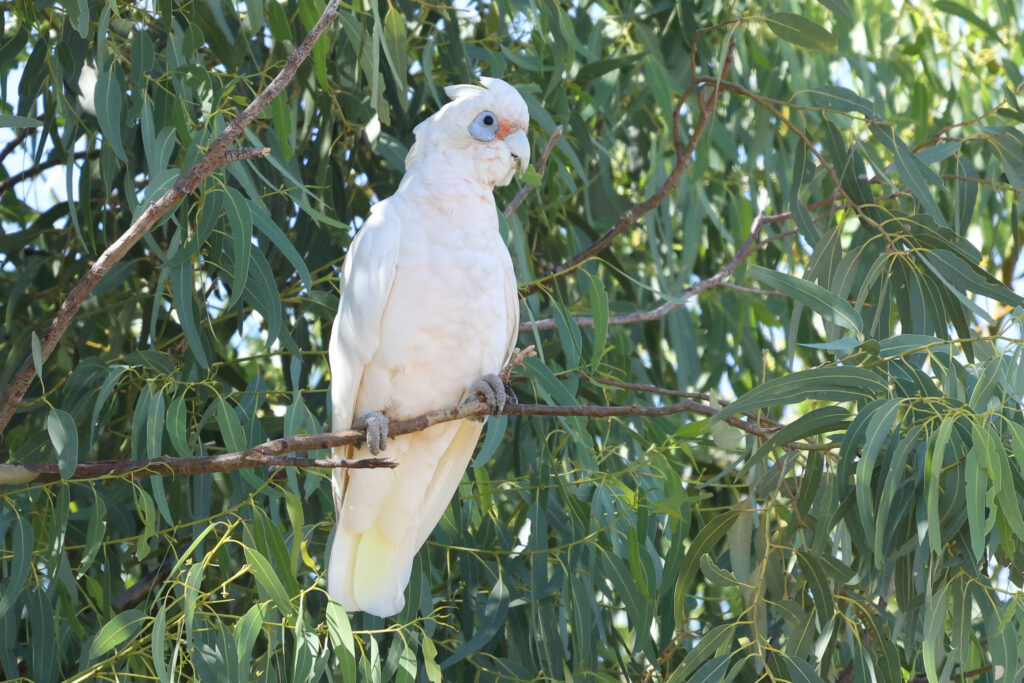
Today, we set off north along the Great Northern Highway. The vegetation was noticeably more arid and sparser and began to take on a distinctly Outback feel. We were heading towards Paynes Find (4.5 hours from Perth) and would decide on where to stay based on our birding success today. On the way, we connected with a large flock of Western Corellas (-30.104800, 116.631234) in the small town of Wubin, significantly improving our earlier views of this species at Lake Muir (Day 1).
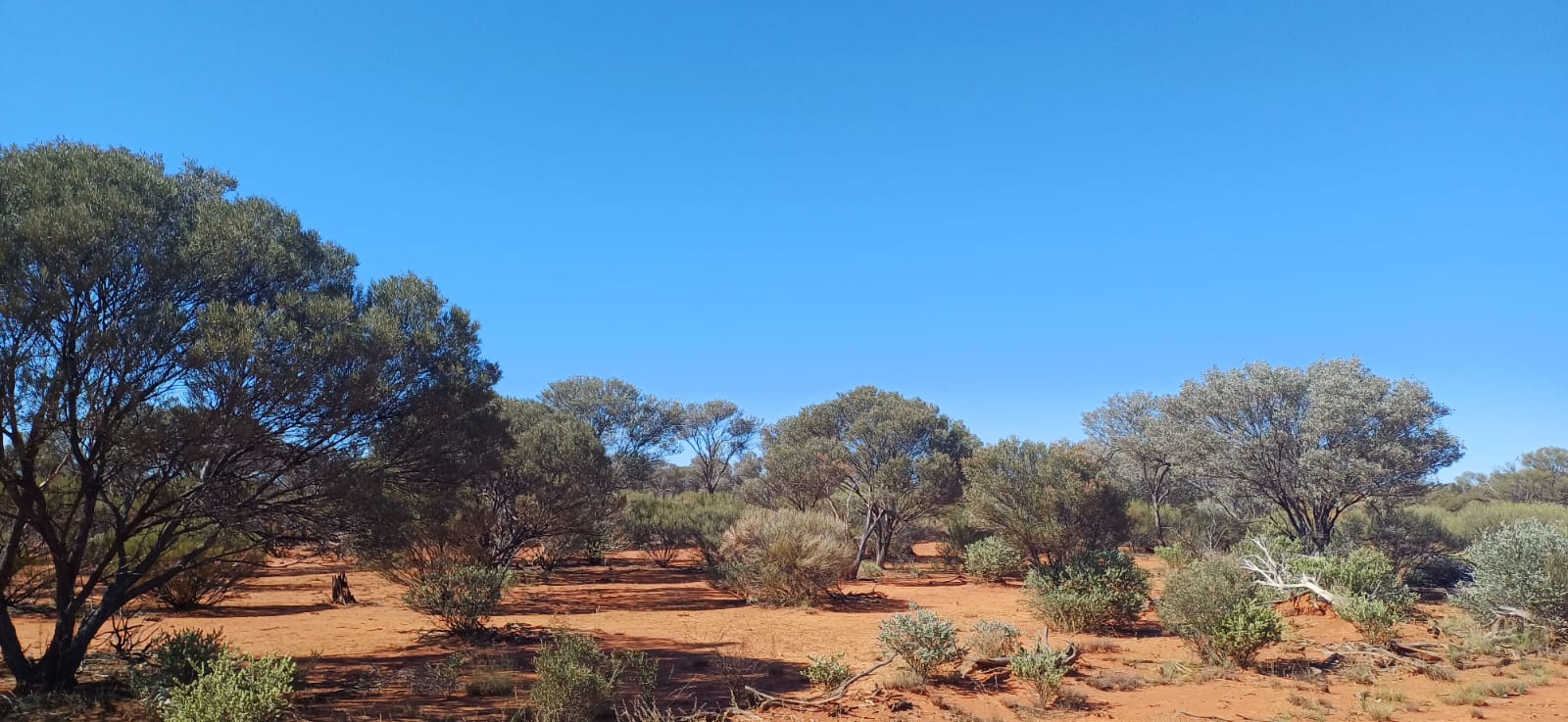
Our next stop was Mount Gibson Road (turnoff -29.641695, 117.132325), a dirt road that runs through arid eucalyptus woodland. We drove along the road and parked at the sand quarry (-29.640219, 117.154358), from where we walked around and explored the area. It was already extremely hot, and activity was essentially non-existent. We heard our main target, Copperback Quail-thrush, but it was calling from deep within the impenetrable vegetation and far away. The only other birds we saw here were a single Black-faced Cuckooshrike and a Southern Scrub Robin. Given the lack of activity, we decided to head to Paynes Find and try for the quail-thrush along the Paynes Find – Sandstone Road (turnoff -29.255057, 117.698545), where there were a few records in previous years.
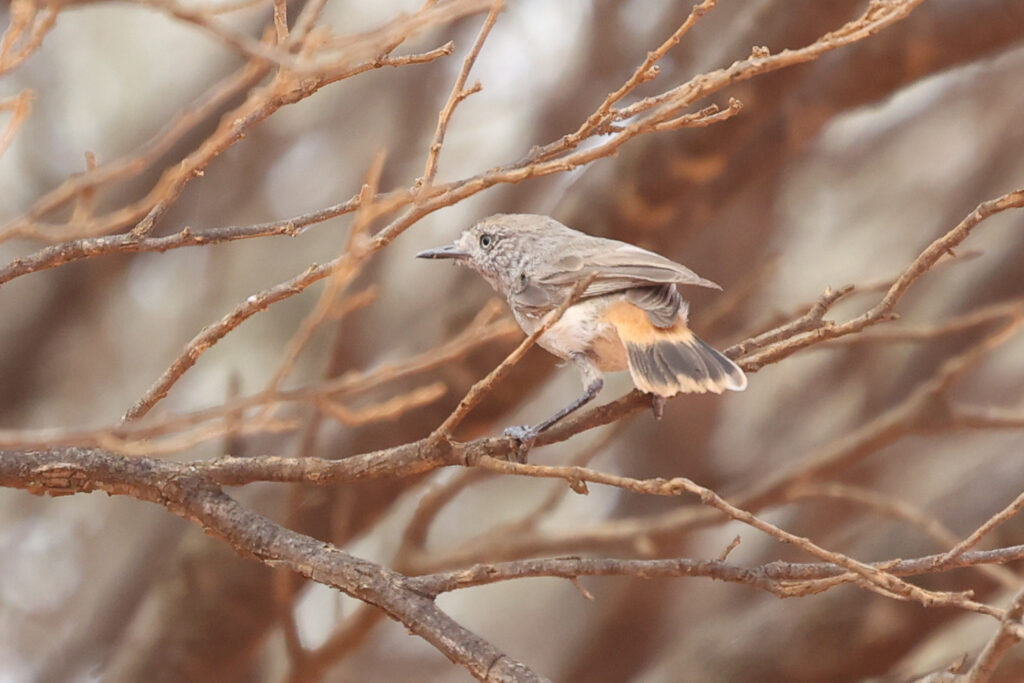
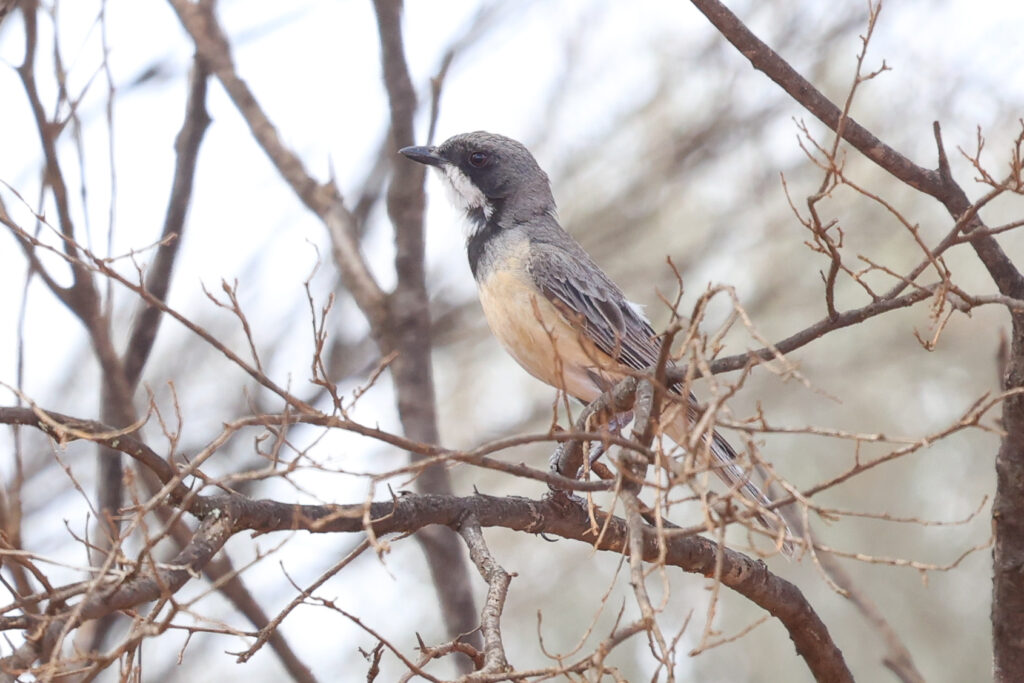
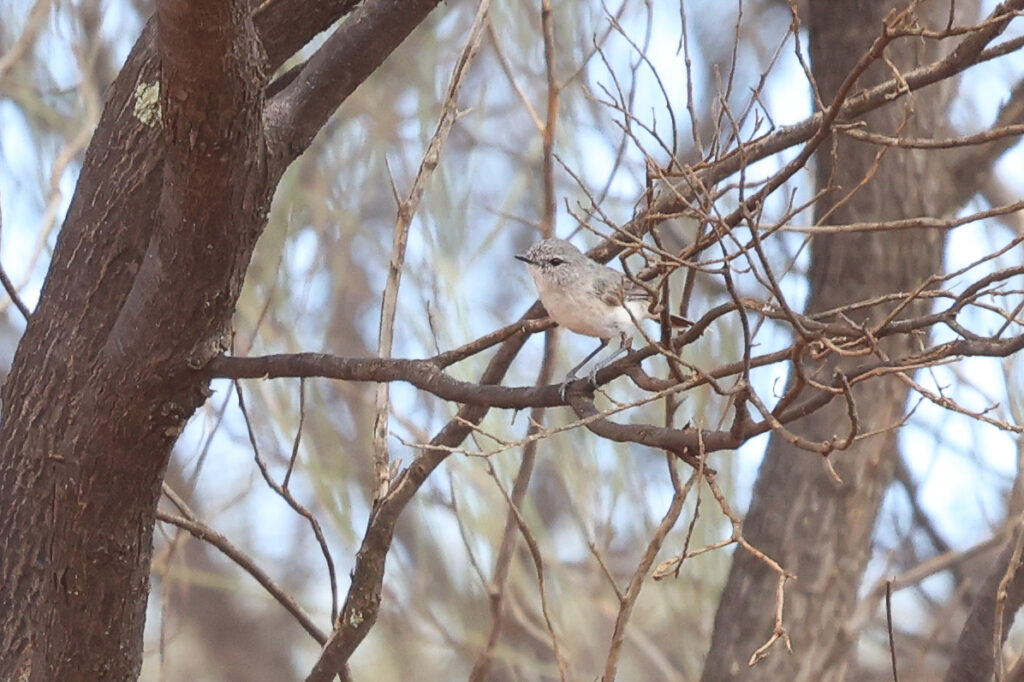
We worked the area hard, particularly around (-29.252099, 117.727018). Once the temperatures started dropping in the late afternoon, we had Mulga Parrot, Yellow-rumped, Chestnut-rumped and Slaty-backed Thornbills, Rufous Whistler, and a bird I was very keen to see – White-browed Treecreeper. We had considered driving through to Cue today, but this would have meant giving up on Copperback Quail-thrush, so we decided to camp for the night at the Paynes Find Roadhouse instead.
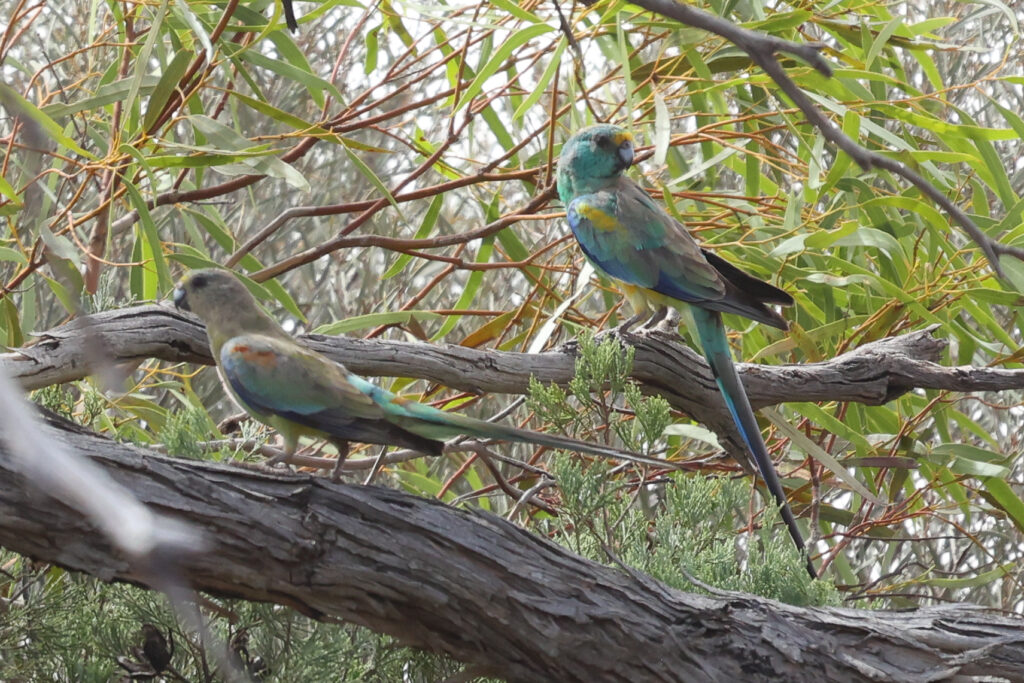
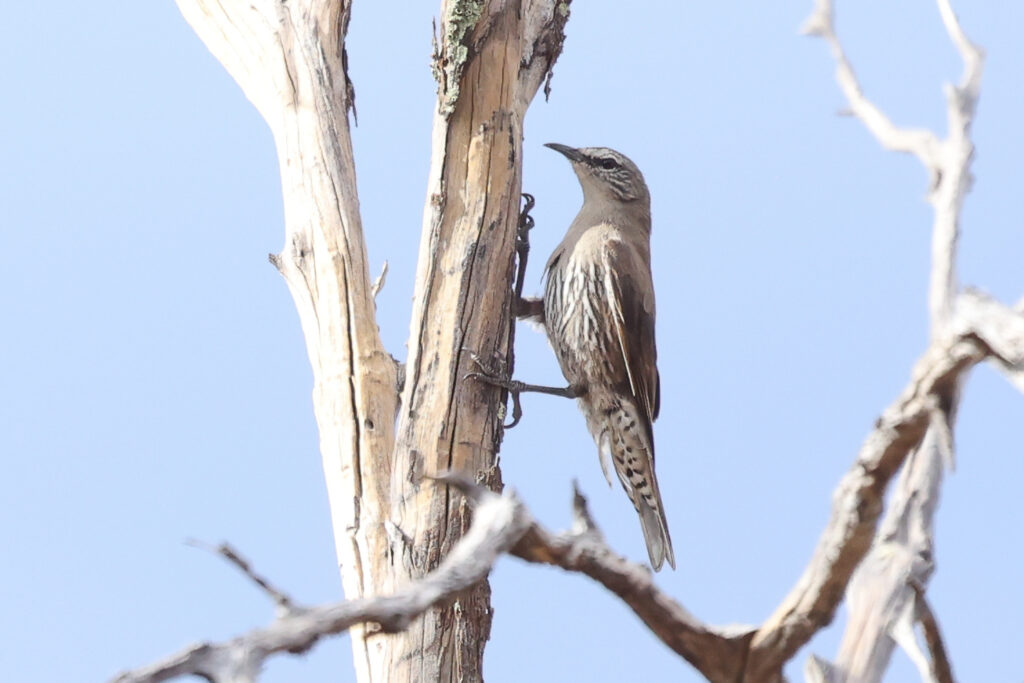
Overnight: Paynes Find Roadhouse – honestly, it’s not a bad place to stay. I was expecting the worst, but the campsite is fine for a night, there is a good restaurant and shop at the roadhouse, and the bathrooms are clean. You’re also very close to the Copperback Quail-thrush spot along the Sandstone Road, allowing you to get there early.
Day 10. 13 January 2025. Paynes Find to Cue
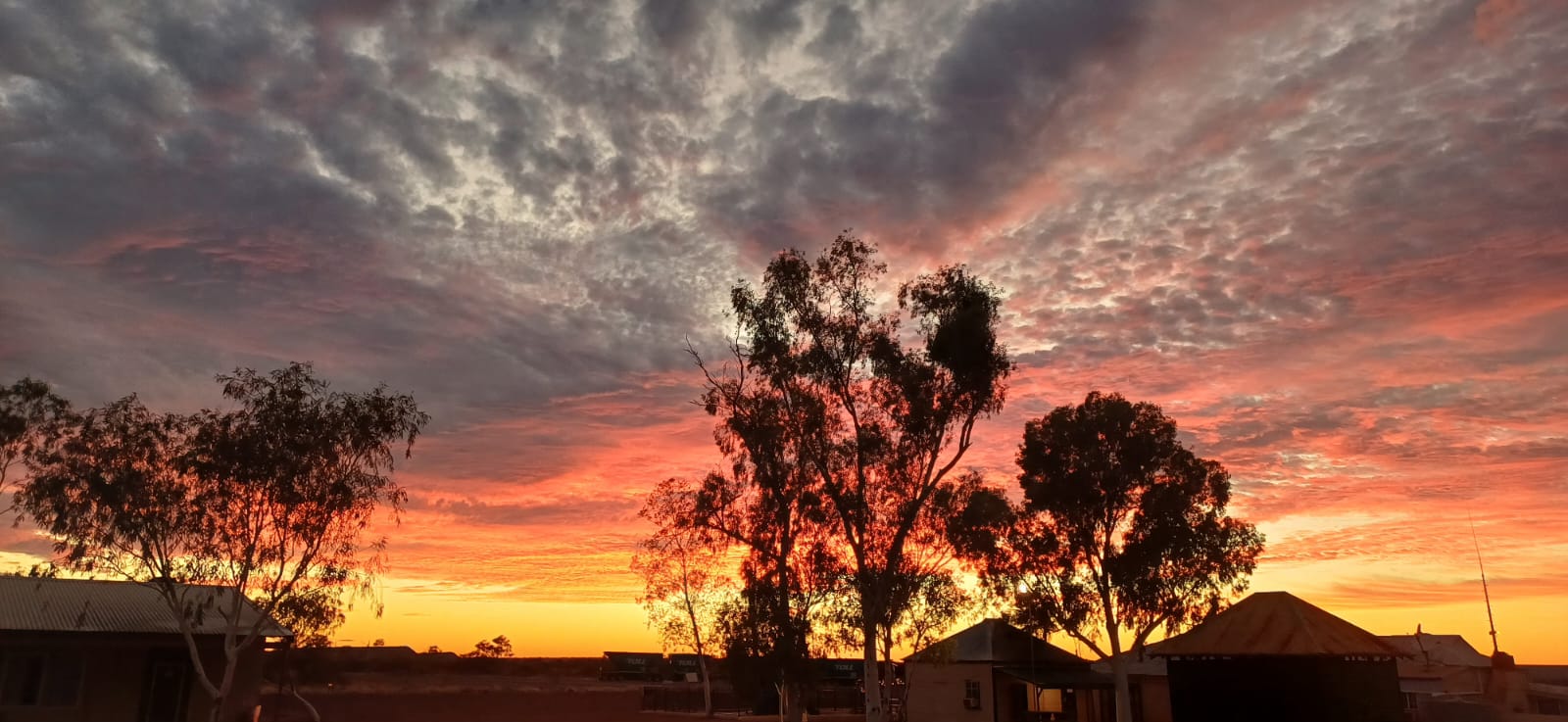
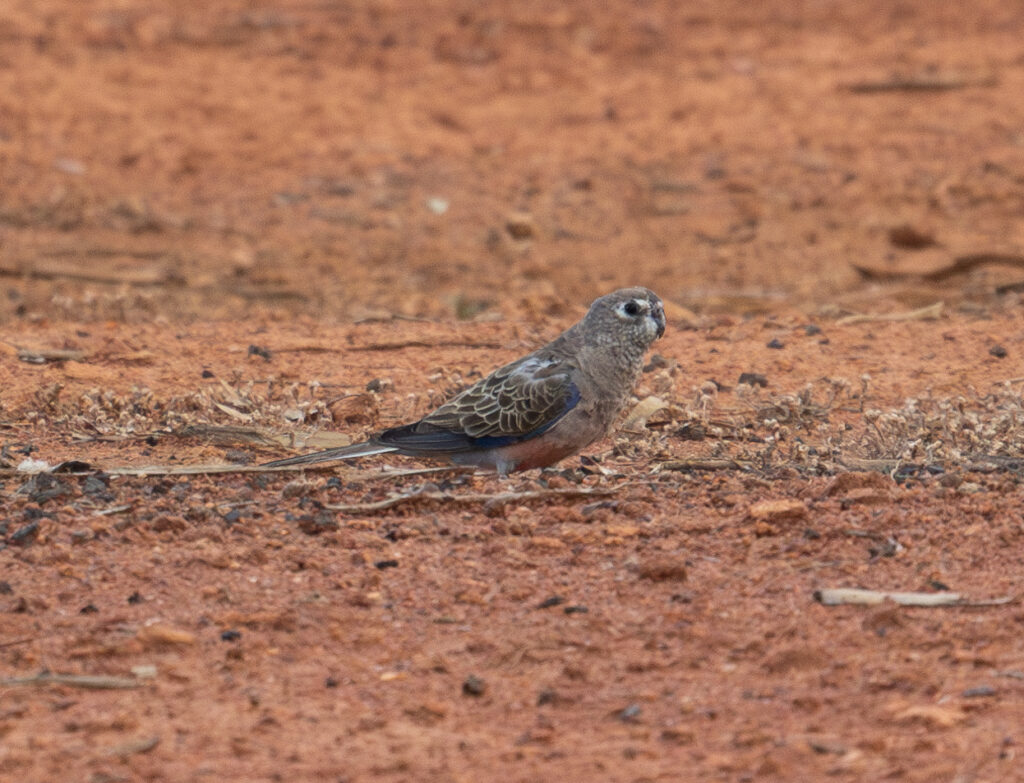
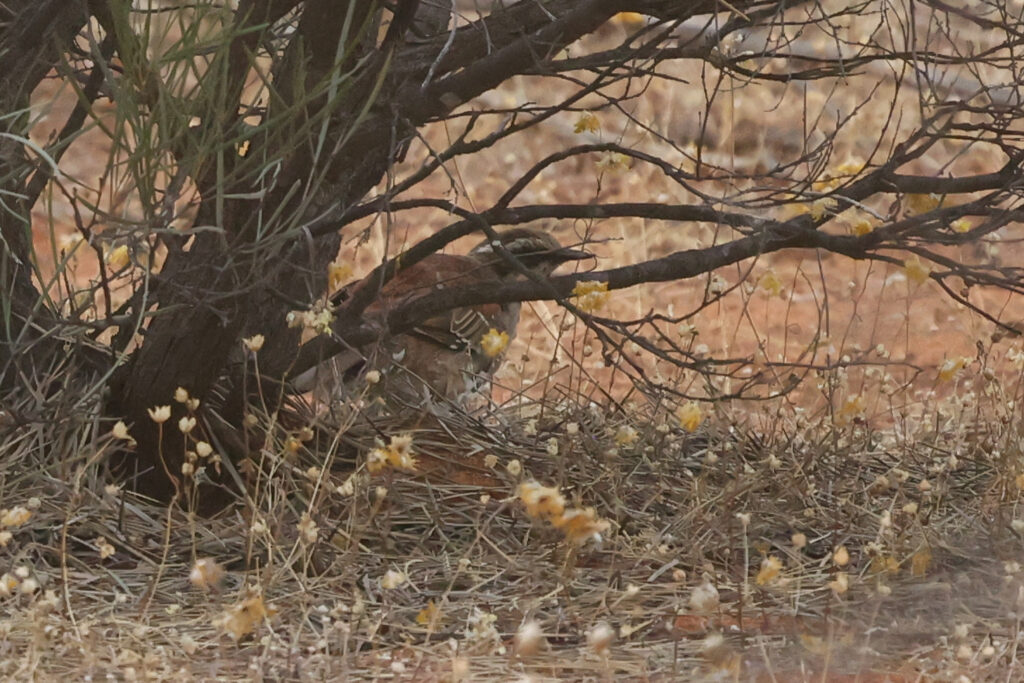
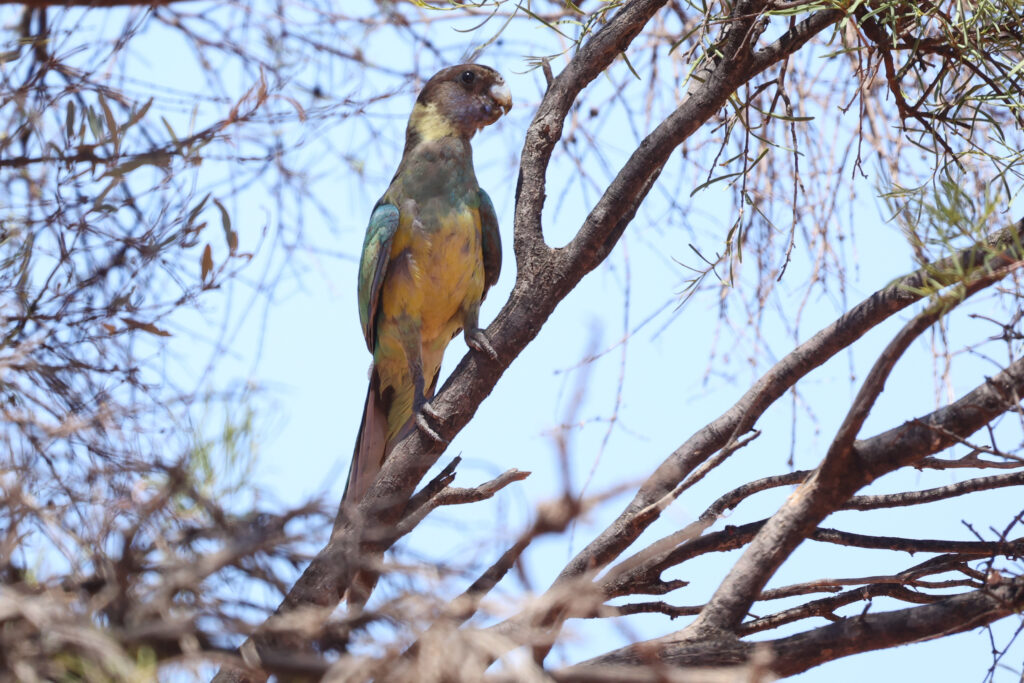
We were back along the Paynes Find – Sandstone road before sunrise and we worked the same area as yesterday (-29.252099, 117.727018). A pair of Bourke’s Parrots were an early highlight and were quickly followed by none other than Copperback Quail-thrush. We had heard the bird calling from quite far off the road, and a brisk walk in the direction of the call led us to a pair of these birds. They were extremely skittish, but we had good views. Mulga Parrots and a Grey Butcherbird were also around.
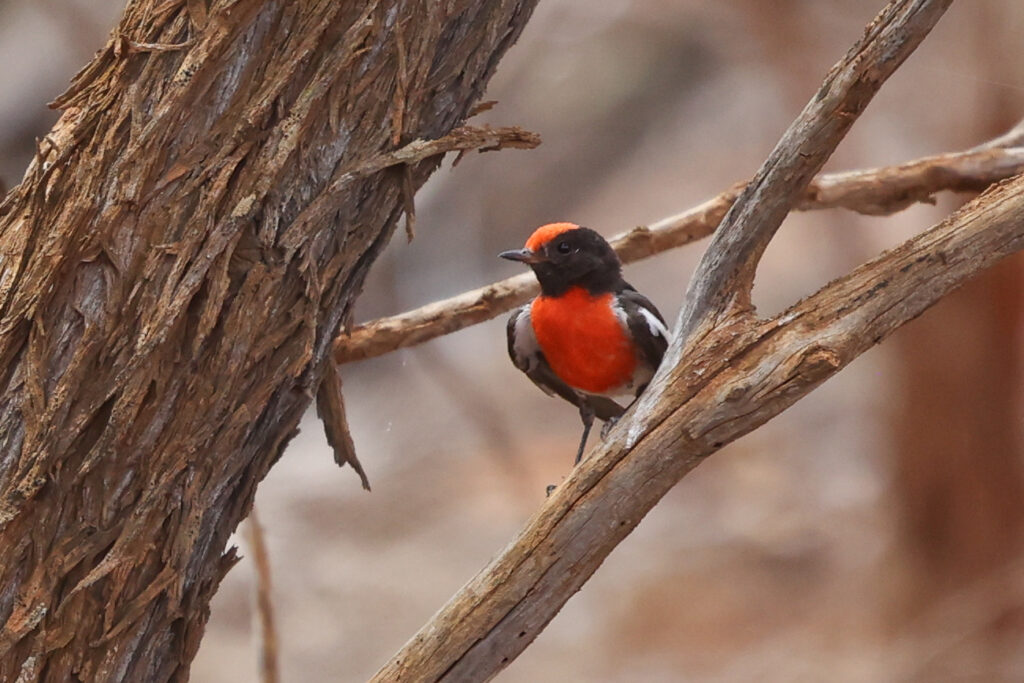
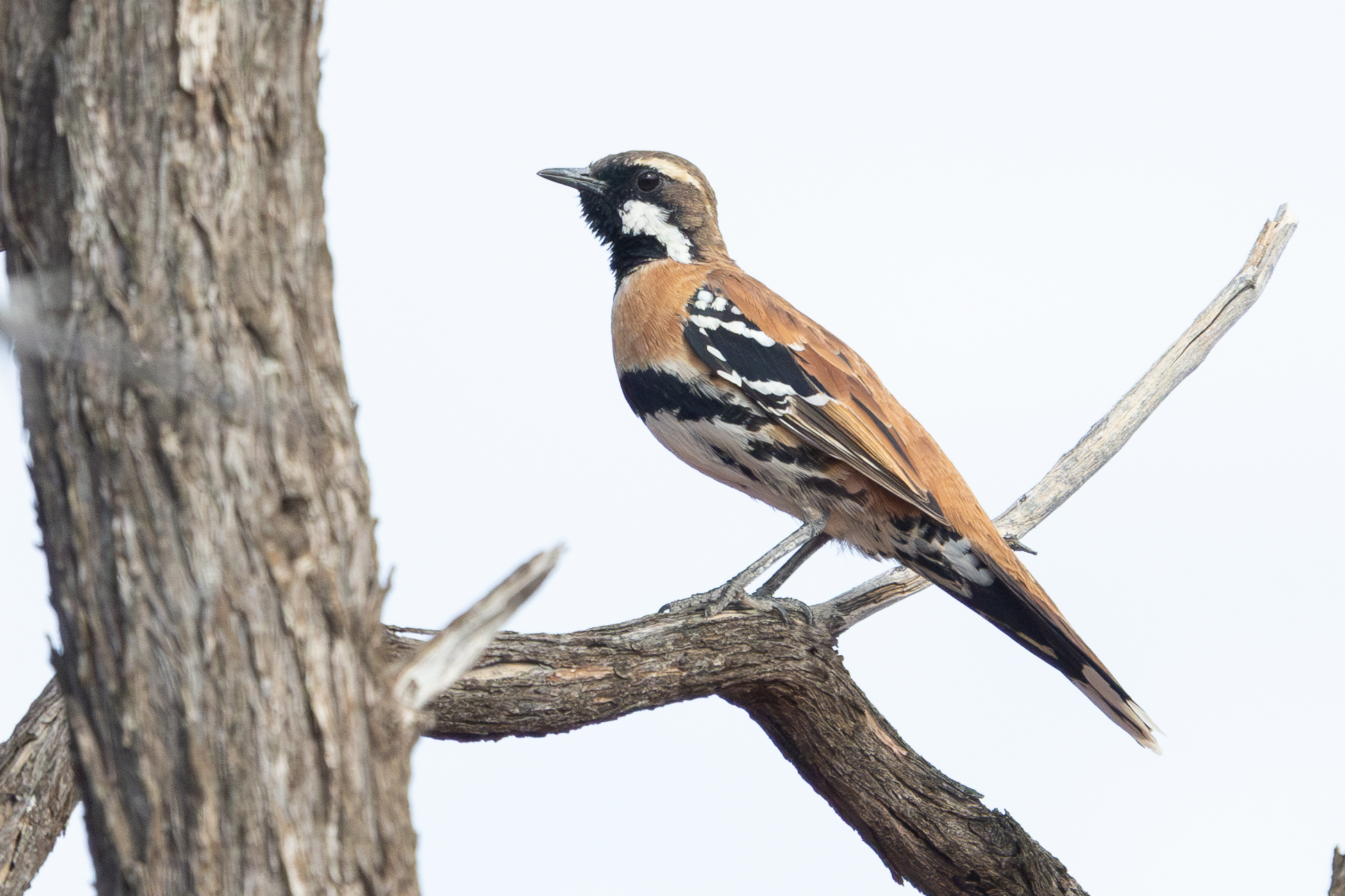
We set off towards Cue and pulled off on the side of the road at Kirkalocka Station (-28.562149, 117.777777); we walked about 300 m along one of the dirt tracks, hopped over a small fence (I am honestly not sure if this is allowed, but there are loads of eBird pins from this spot and I was in and out in less than 10 minutes) and quickly found Western Quail-thrush (-28.562288, 117.774976). This bird was incredibly obliging, much more so than the Copperback Quail-thrushes, and we had walk-away views. Other sightings included more Chestnut-rumped Thornbills and a Red-capped Robin here.
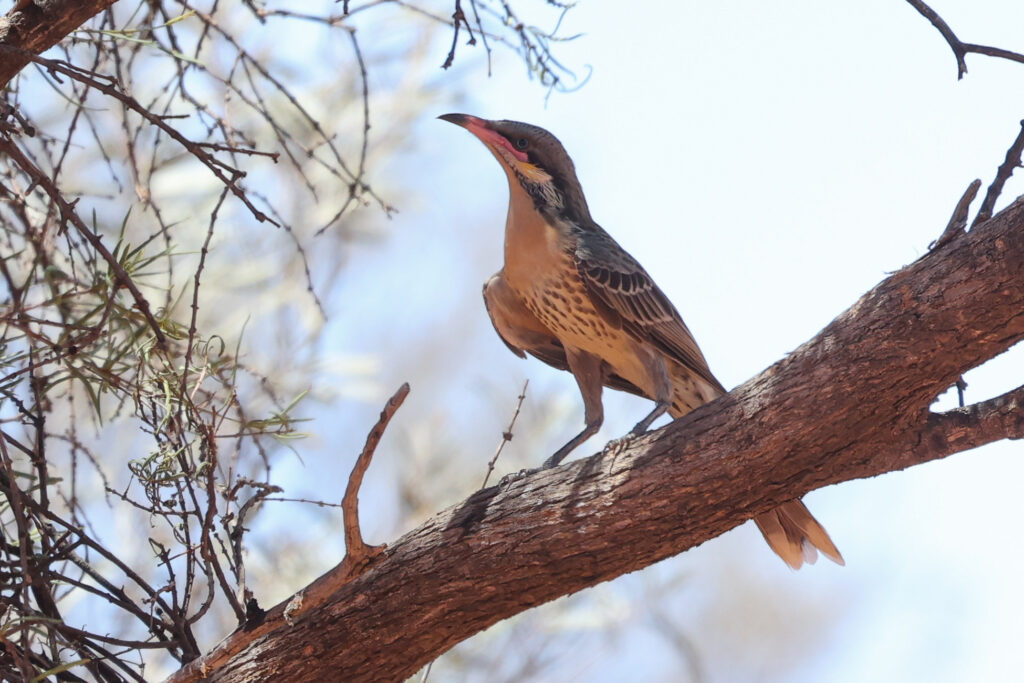
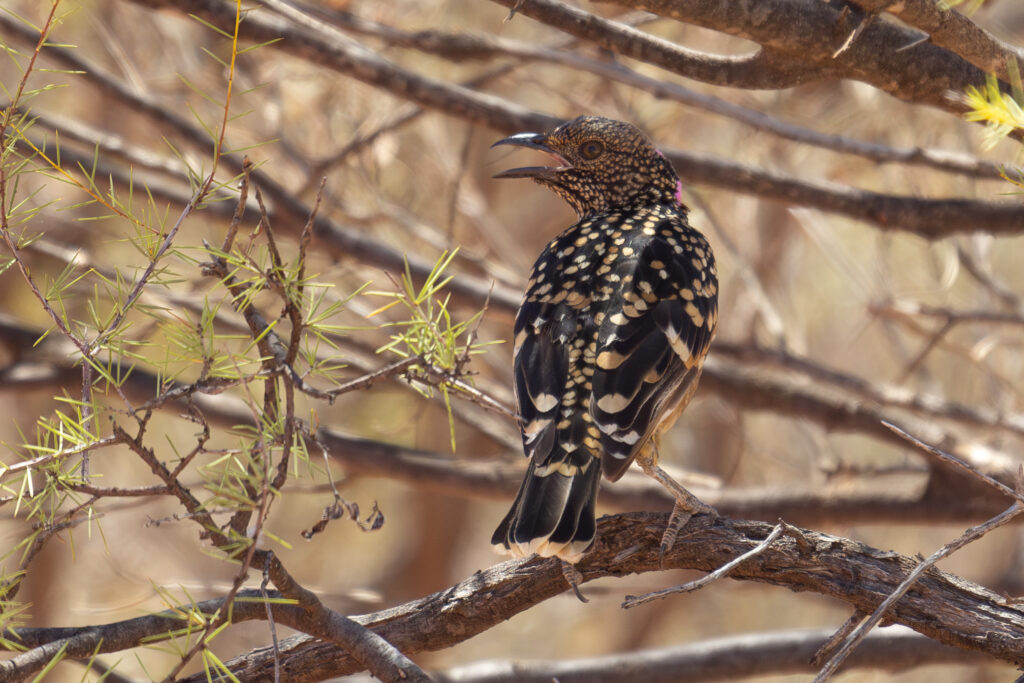
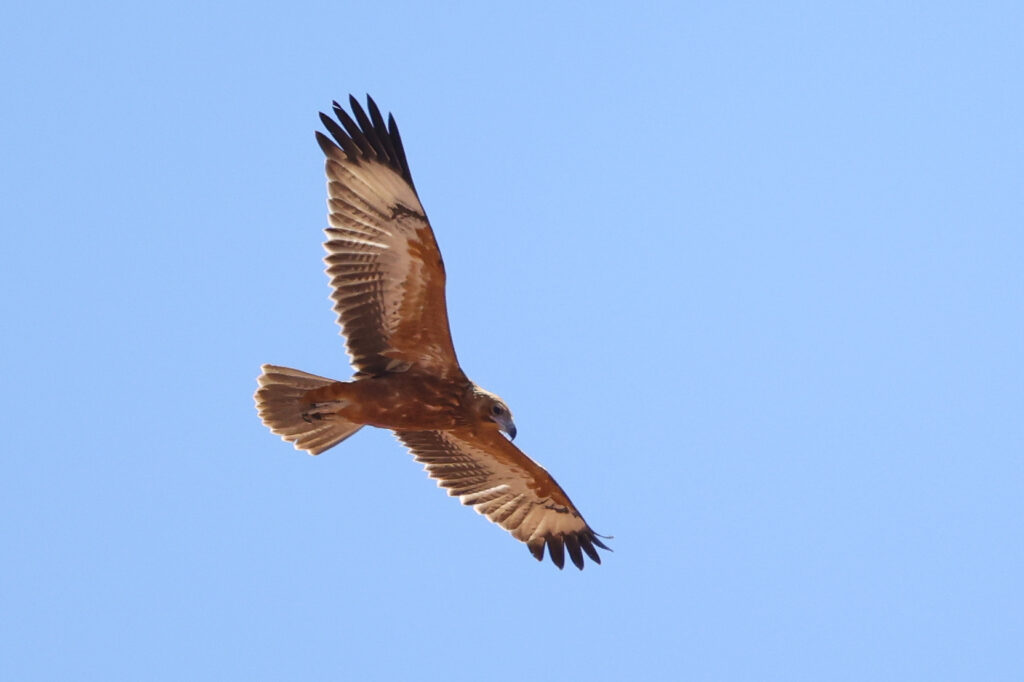
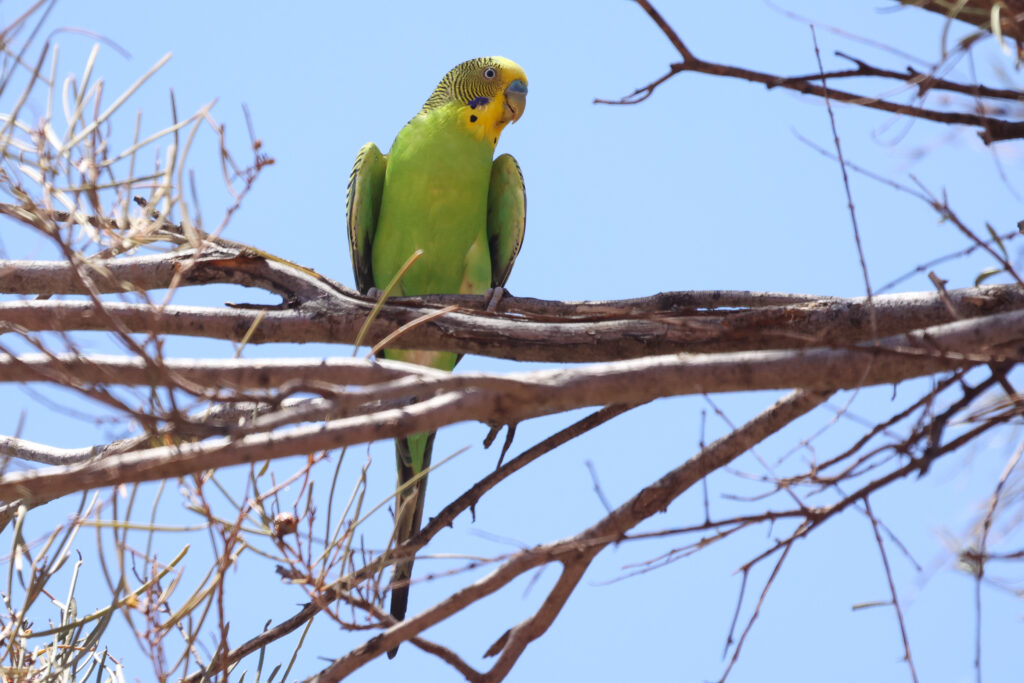
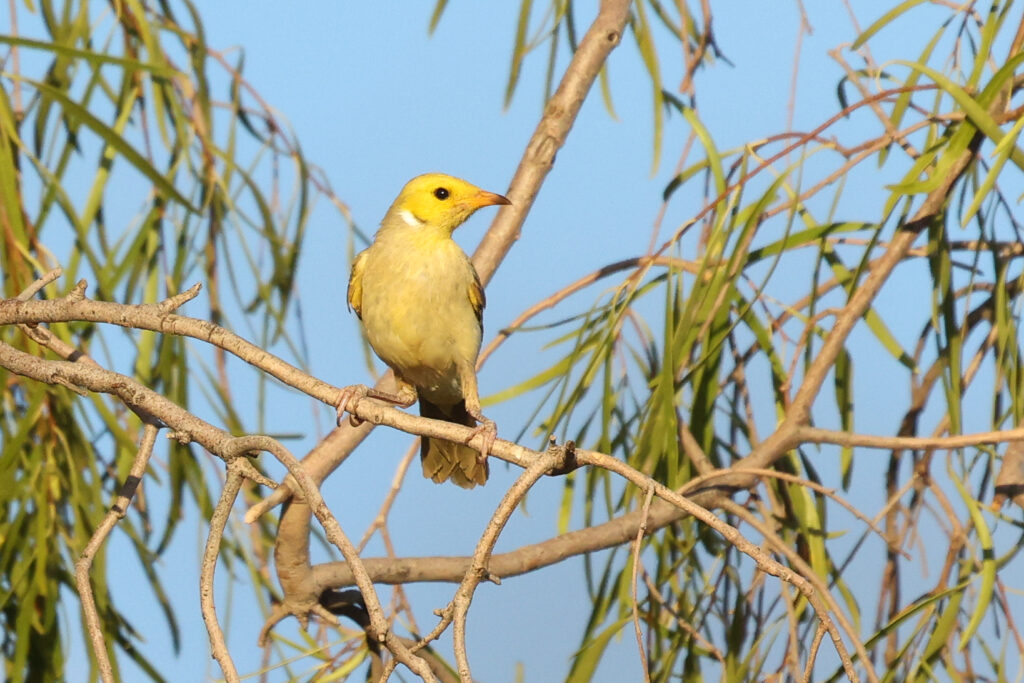
We passed through the towns of Mount Magnet and Cue before arriving at our accommodation at Nallan Station. En route, we started seeing small flocks of Budgerigars, the first near “The Granites” (-28.001813, 117.847812). At Nallan Station, we dropped off our swag and strolled around the farm grounds. It was just after 10:00, and already the temperature was well over 40ºC. Birds were congregating at the water-trough (-27.318099, 117.973660), including Crested Pigeon, Diamond Dove, Australian Ringneck (Port Lincoln subspecies, zonarius), Spiny-cheeked and White-plumed Honeyeaters, Magpie-lark and Australian Zebra Finch. An immature Black-breasted Buzzard cruised overhead, and we quickly got onto a bower-building Western Bowerbird.
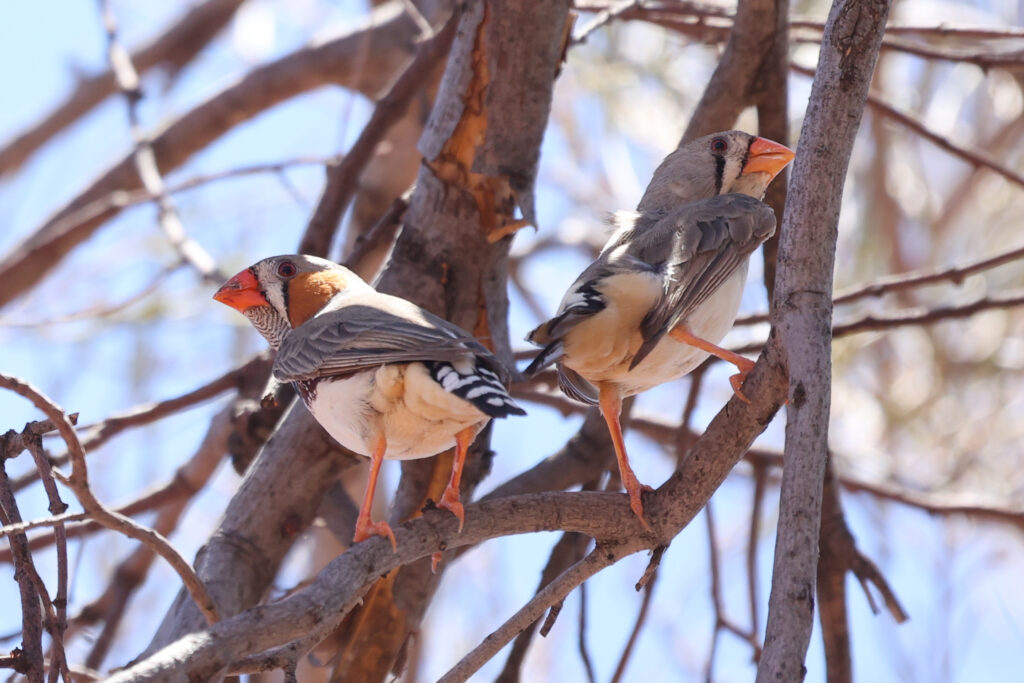
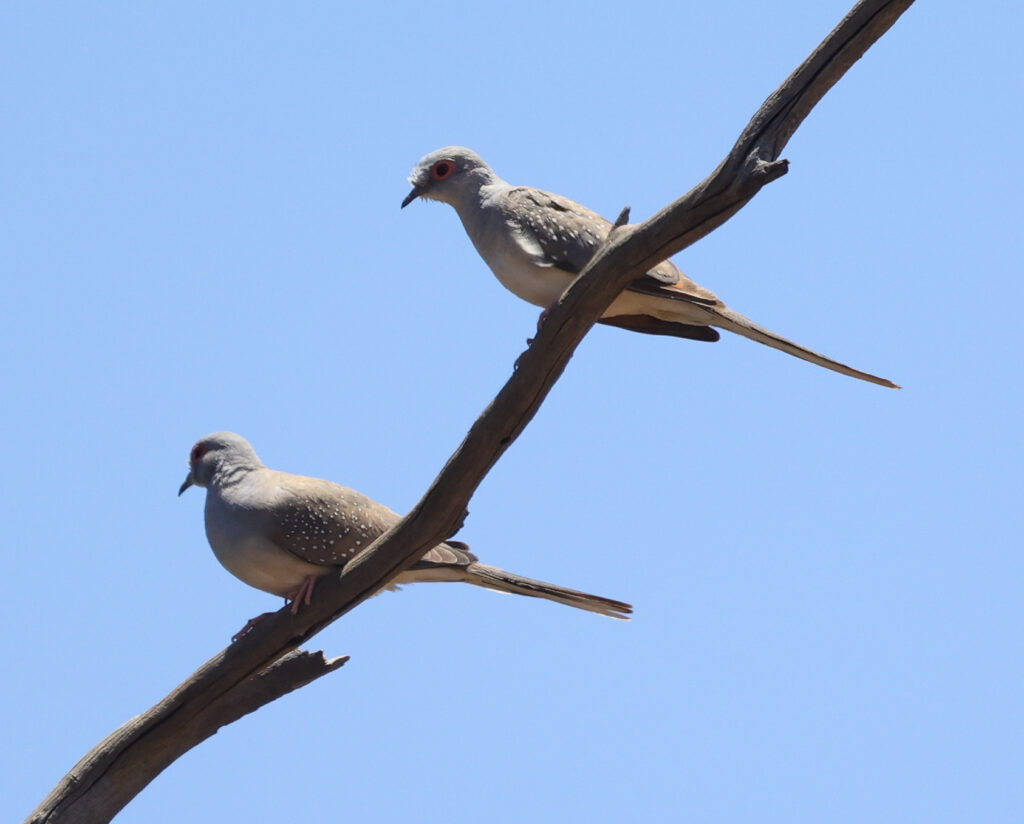
To escape the heat, we drove to Nallan Lake (-27.257497, 117.982380) in the air-conditioned car to look around. Large numbers of Diamond Doves and Australian Zebra Finches lay low in the shade of the trees around the lake, joined by smaller numbers of Budgerigars and Spiny-cheeked Honeyeaters. The lake itself had a few waterbirds, including Black Swan, Grey Teal, Eurasian Coot, Pied Stilt, Yellow-billed Spoonbill, Australian Pelican, Hoary-headed Grebe, and best of all, our only Red-necked Avocet for the trip. A Whistling Kite put in a brief appearance as we left the lake and made our way to Cue.
We escaped the worst of the heat with some cold drinks in a roadhouse (maybe the only one in Cue), and at 16:00, we headed east of Cue to the Austin Downs Road (-27.391260, 117.782249), where Banded Whiteface seems to be regular. It was still too hot, and the only bird around was a lone White-fronted Honeyeater (our only sighting of this species). We inspected a small waterhole at (-27.350472, 117.787150), which yielded our first Masked Woodswallow and a few other common species.
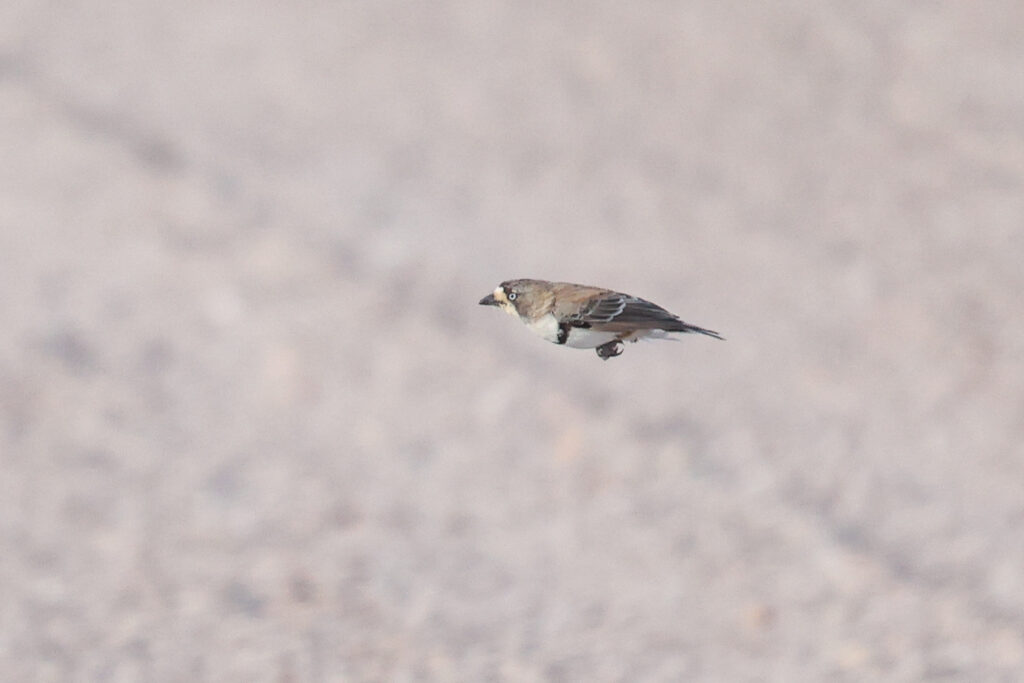
With the temperature still in the mid-40s, we returned to Cue to grab an ice cream and saw Torresian Crow at the roadhouse (-27.426685, 117.894943). At 17:45, we were back on Austin Downs Road; it was still incredibly hot with a mighty wind blowing (it felt like I was stepping into an oven every time I opened the door), but we managed to get onto Banded Whiteface and Hooded Robin without too much struggle. We then returned to our accommodation at Nallan Station and had an early night in the swag.
Overnight: Nallan Station Stay – Accommodation is rustic but pleasant. The chalets are quite pricey for what you get, and you’re probably best off camping here. Great birding right at the accommodation! We had a bower-building Western Bowerbird meters from our swag.
Day 11. 14 January 2025. Cue to Geraldton (via Sandstone)
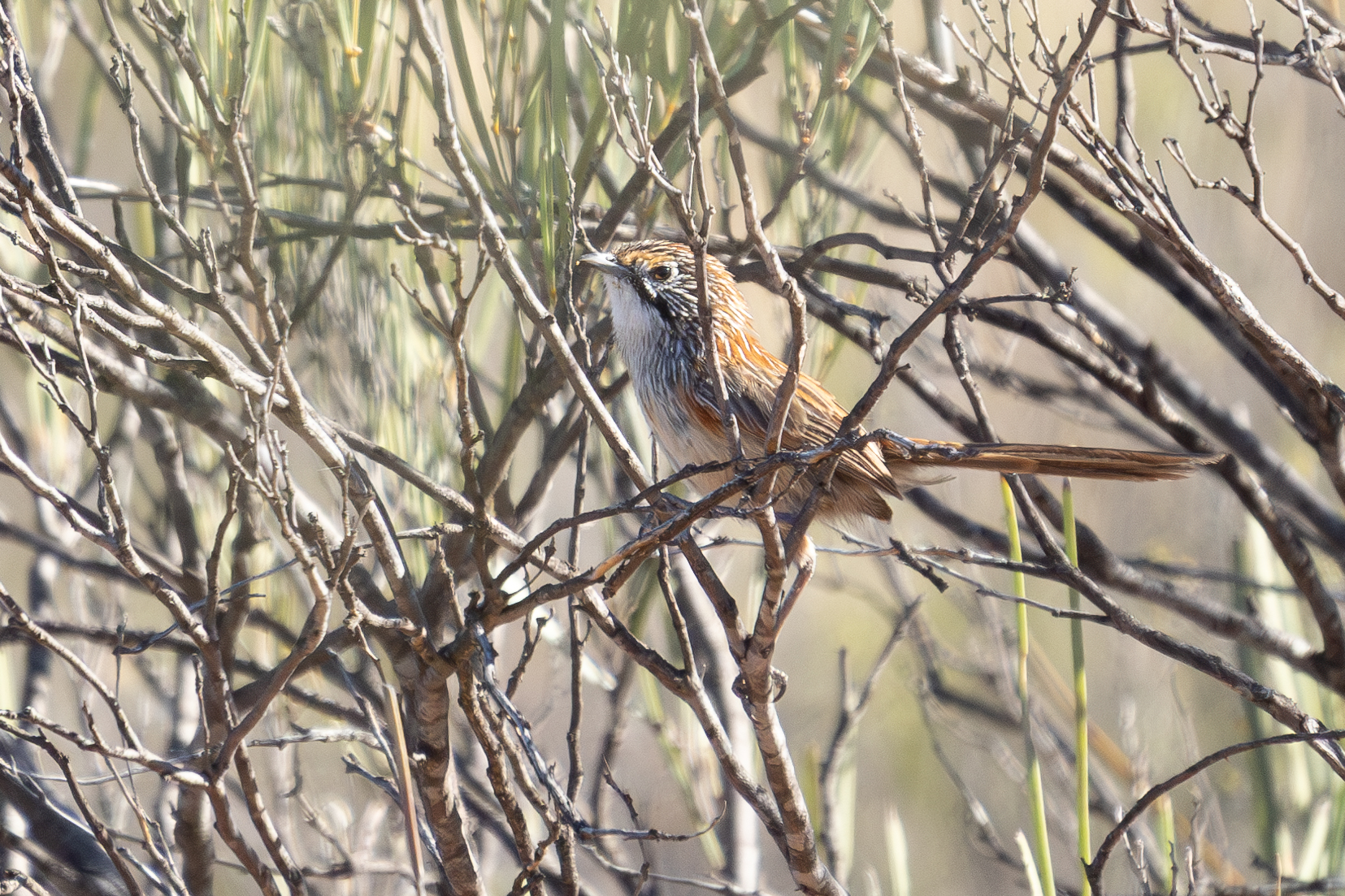
We packed up and left before sunrise as we had a 224 km drive to our first stop for the day. After our ordeal in the heat yesterday, I wasn’t going to risk missing the primary target for the day due to the heat. We drove south to Mount Magnet and east towards Sandstone, arriving just after 07:30 at our stop (-28.013932, 119.061453). Almost immediately, I heard a Sandhill Grasswren calling, and we had walk-away views of this species – one of the birds I was most keen to see on this trip! With the main target in the bag, we started heading towards Geraldton (445 km from the grasswren spot), stopping regularly to try for a few remaining Outback targets.
An exceptionally productive stop near Paynesville yielded three new birds: Southern Whiteface, Grey-crowned Babbler, and Crested Bellbird, and we had all too brief views of a Ground Cuckooshrike perched on the roadside (-28.179930, 118.315191). A coffee stop back in Mount Magnet yielded Little Crow, and a seasonal pond (-28.351364, 116.718862) just east of Yalgoo produced our only White-necked Heron of the trip.
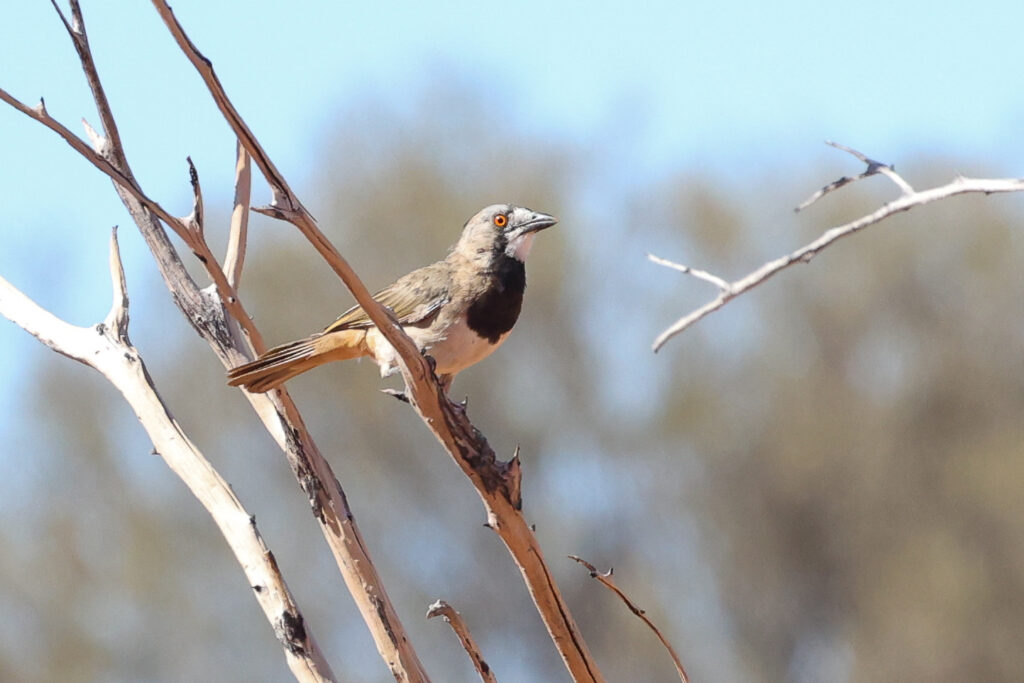
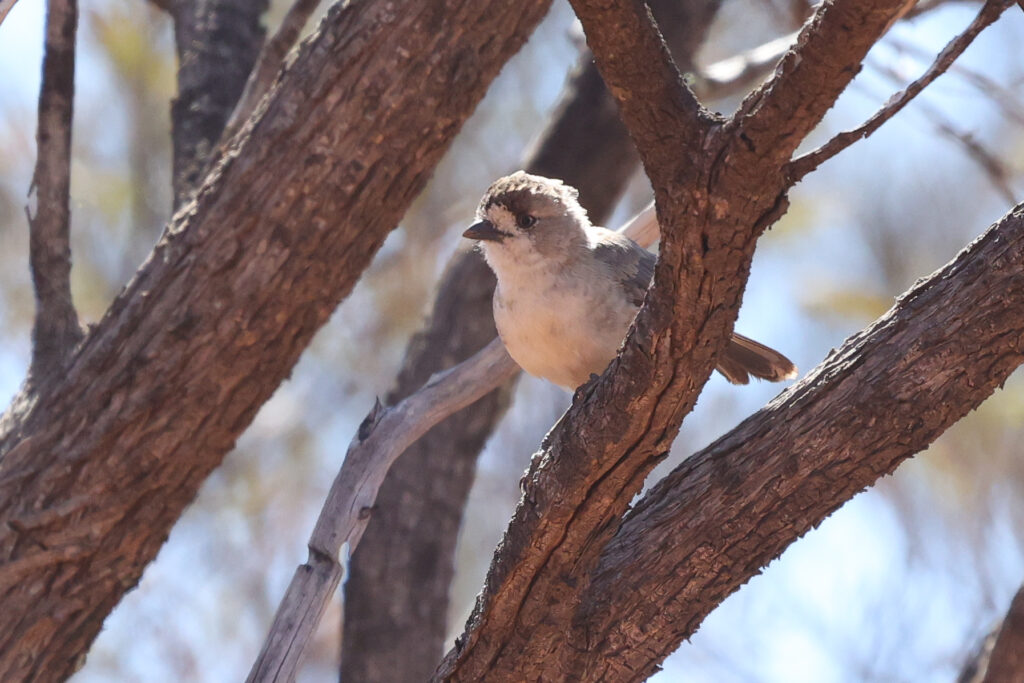
We arrived in Geraldton in the late afternoon and scored big with a Little Eagle cruising over the suburbs (-28.754367, 114.622363). We checked into our accommodation at Geraldton Caravan Park (-28.697667, 114.637670) after a long day in the car and enjoyed good views of Yellow-throated Miners in the campgrounds.
Overnight: Geraldton Caravan Park – we stayed here both on the way up to Carnarvon and on the way down. We decided to book a cabin here; it was pretty basic but fine for what we needed.
Day 12. 15 January 2025. Geraldton to Monkey Mia (Shark Bay)
Once again, we set off early from Geraldton and headed north along the North West Coastal Highway. We had approximately 430 km to drive today, and birding was somewhat limited until we reached our accommodation at Monkey Mia – a popular resort in Francois Peron National Park. Species seen along the way included Black-breasted Buzzard, Swamp Harrier, Torresian Crow and several Emu. Upon reaching Shark Bay, we checked out the Hamelin Pool Stromatolites (-26.401166, 114.161286), which are ancient rock-like structures created by cyanobacteria and are around 3.5 billion years old! We heard our first Chiming Wedgebill here and saw Red-capped Plover, Australian Pied Cormorant, Welcome Swallow, Rainbow Bee-eater, and Spiny-cheeked Honeyeater.
It must be stressed that the Shark Bay area is spectacular. The red desert-like habitats of the Outback give way to shallow, crystal-clear waters! What a place! After we had unpacked and set up camp at Monkey Mia, we took a walk along the Wulyibidi Yaninyina Walking Trail and found our main target, Western Grasswren (-25.796822, 113.719010), with ease. This species has a bizarrely disjunct range, with this subspecies (textilis) occurring only in the Shark Bay area and the other subspecies (myall) occurring on the other side of the continent in the Gawler Ranges.
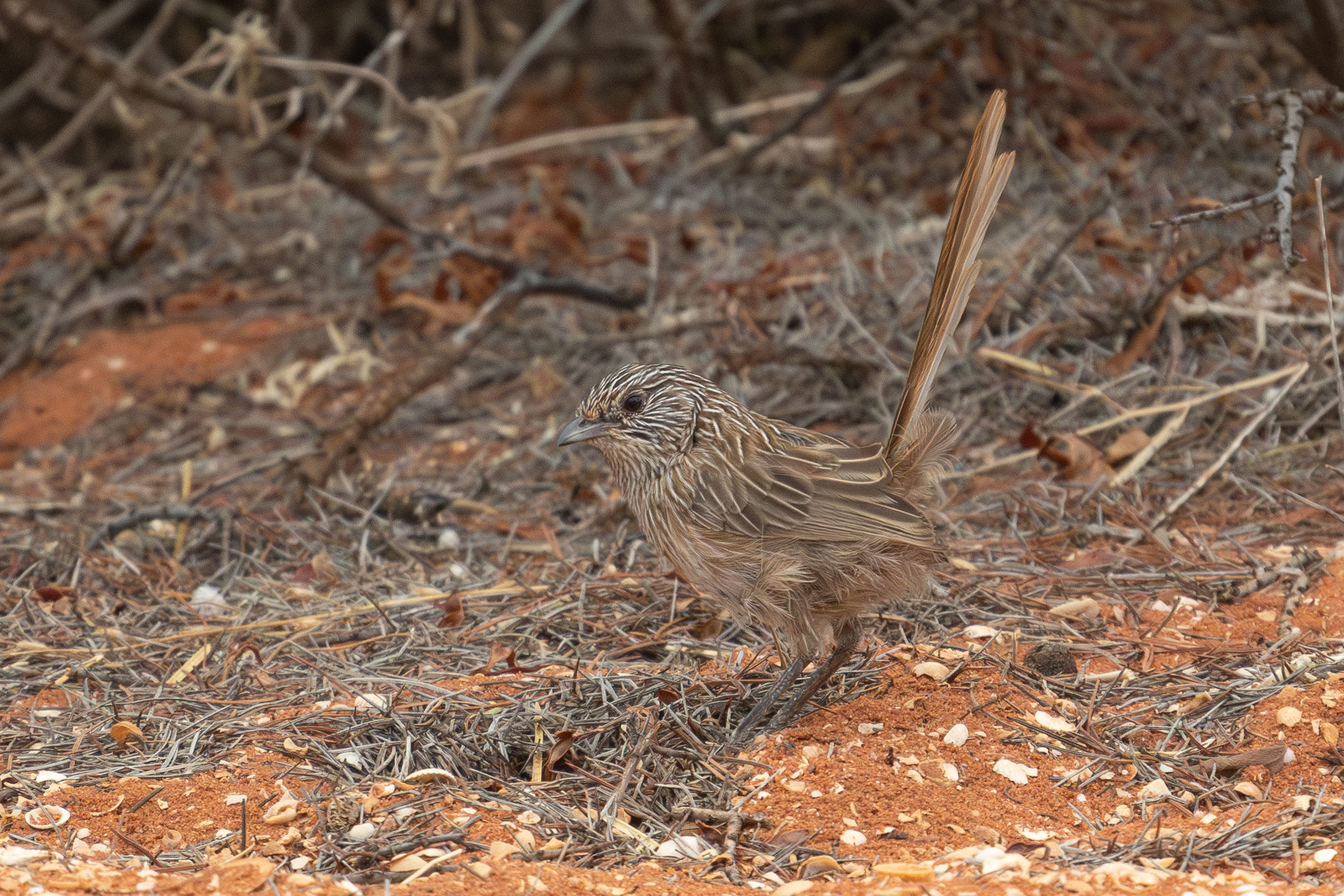
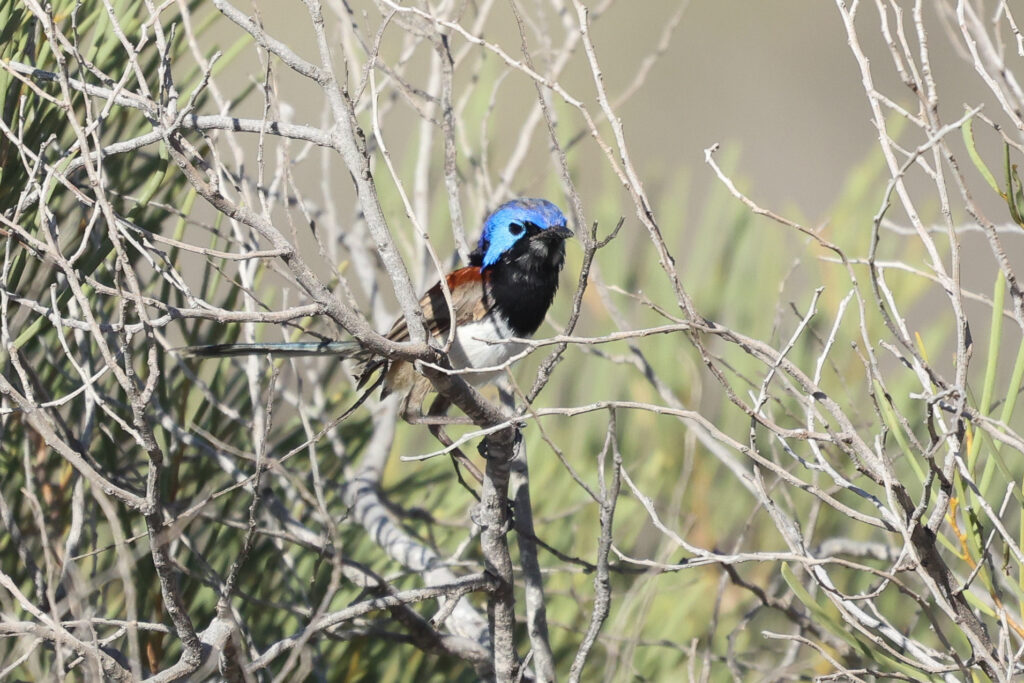
The scrubby vegetation here also held the gorgeous White-winged and Purple-backed Fairywrens and our first White-browed Babblers for the trip. The sandbars and beach near the trail ( -25.798098, 113.721020) held impressive numbers of coastal species. A sizeable tern roost consisted of Greater Crested, Lesser Crested, Caspian, and Common Terns, as well as a single Little Tern.
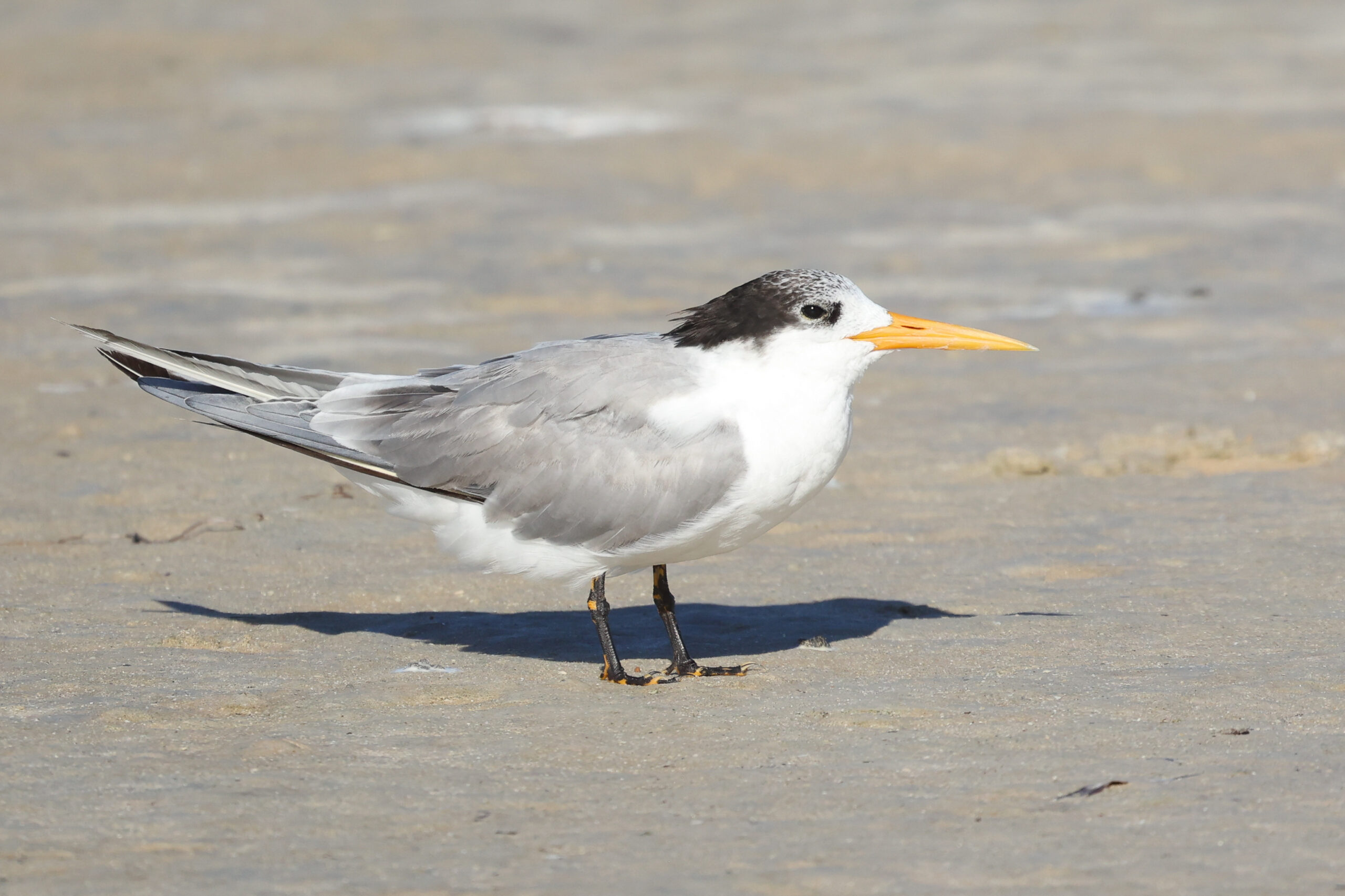
There were good numbers of Silver and Pacific Gulls and waders, including Pied Oystercatcher, Great Knot, Greater Sand and Red-capped Plovers, Bar-tailed Godwit, Grey-tailed Tattler, and Red-necked Stint. We also enjoyed a pair of hunting Ospreys as they frequently plunged into the water. The marine life is impressive around Monkey Mia, and we had frequent views of the famous Indo-Pacific Bottlenose Dolphins and several sharks, rays, and sea turtles seen from the beach.
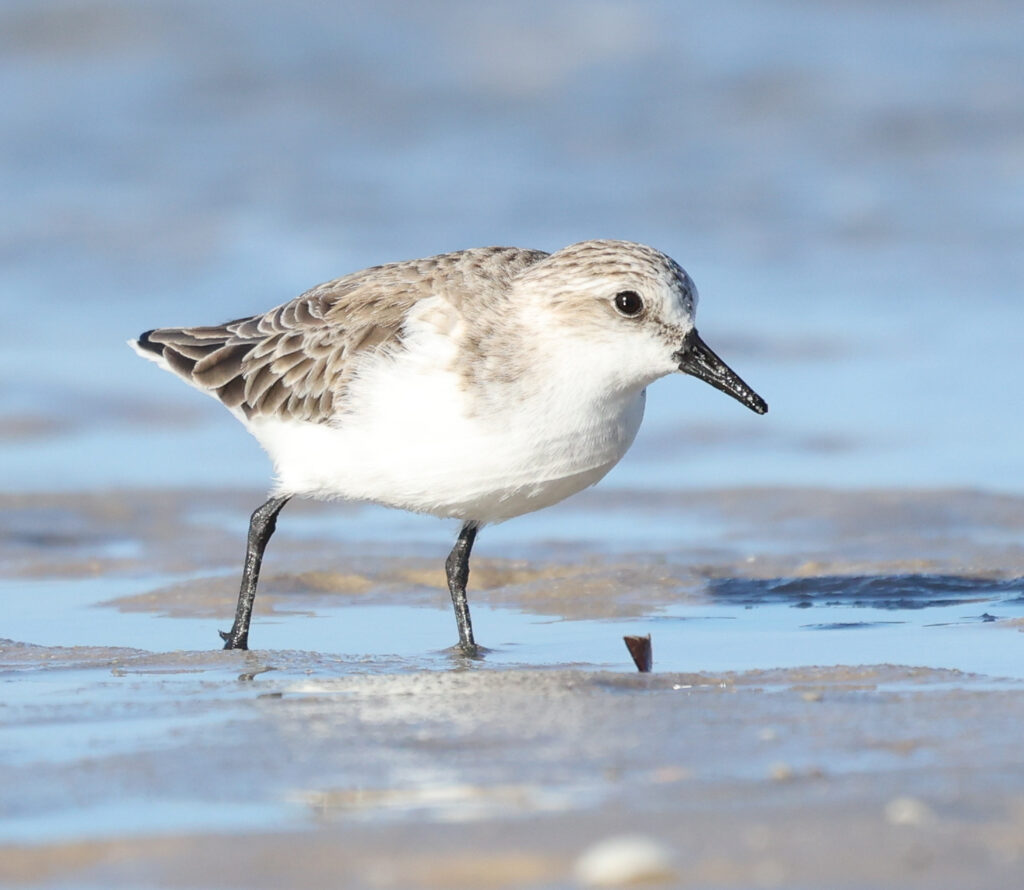
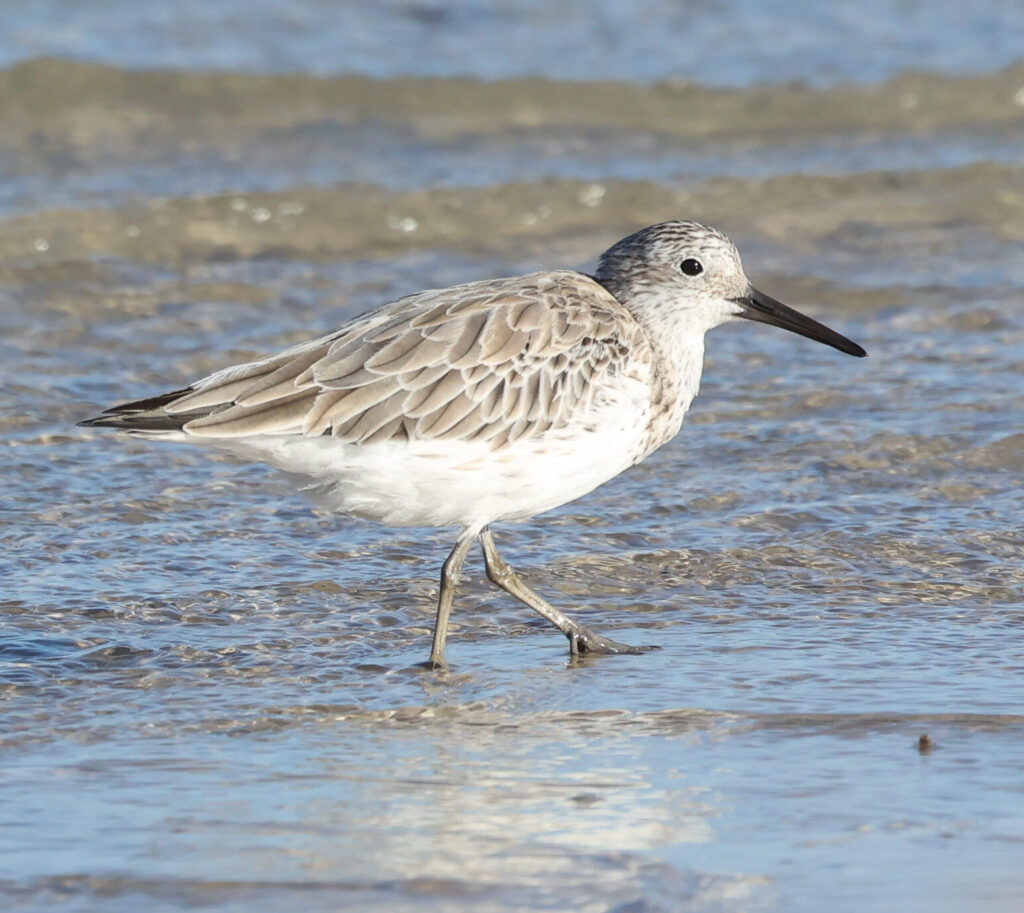
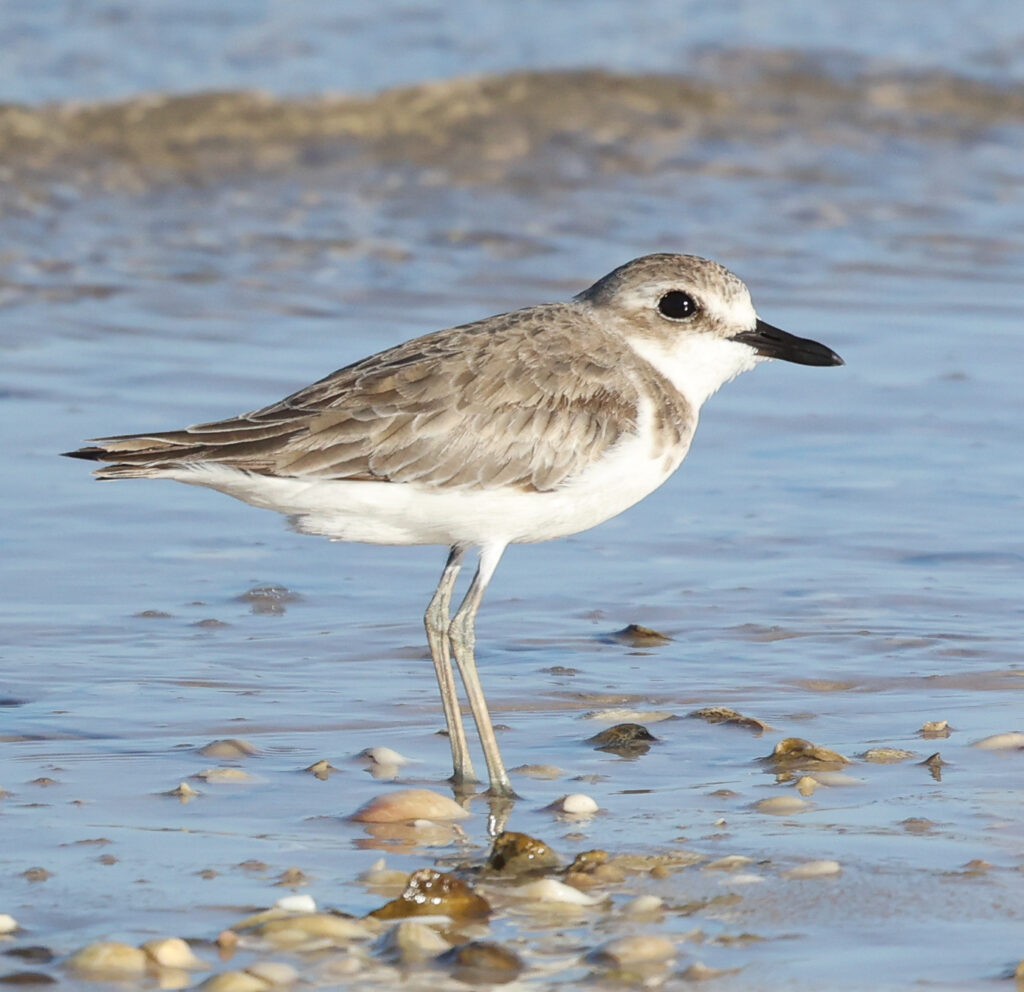
Overnight: RAC Monkey Mia Dolphin Resort – This was by far the most touristy destination we visited. It was reasonably busy, but we enjoyed our stay and spent three nights here. It felt like a holiday after a nonstop trip so far (in the best possible way). You could get away with one night here and might not need to stay here if you are on a tight schedule, as there are other sites for Western Grasswren in the area.
Day 13. 16 January 2025. Monkey Mia (Shark Bay)
I spent the morning getting repeat views of the Western Grasswrens at the same spot as yesterday. We then drove to Denham and quickly stopped at the Little Lagoon Creek Lookout (-25.906450, 113.526599) to pick up Canary White-eye in the mangroves. I spent most of the afternoon wader and tern watching at the same spot as yesterday and had the same suite of birds in addition to Common Greenshank. Rufous Fieldwren also showed itself with minimal effort in the dunes at the resort (-25.796159, 113.720506).
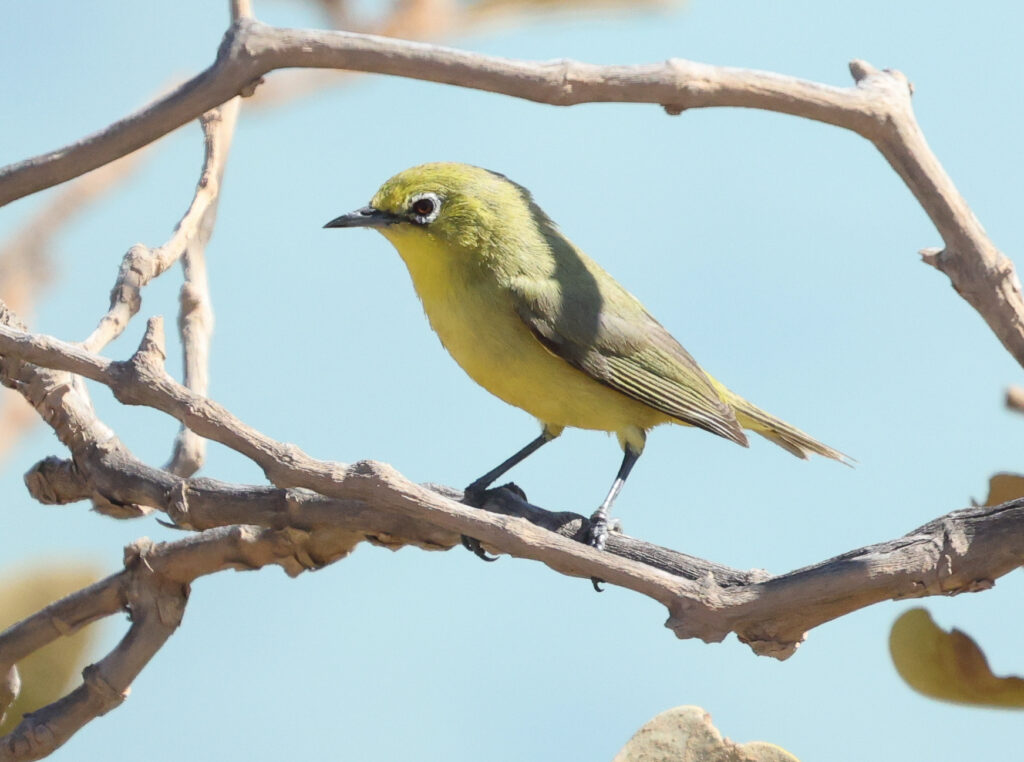
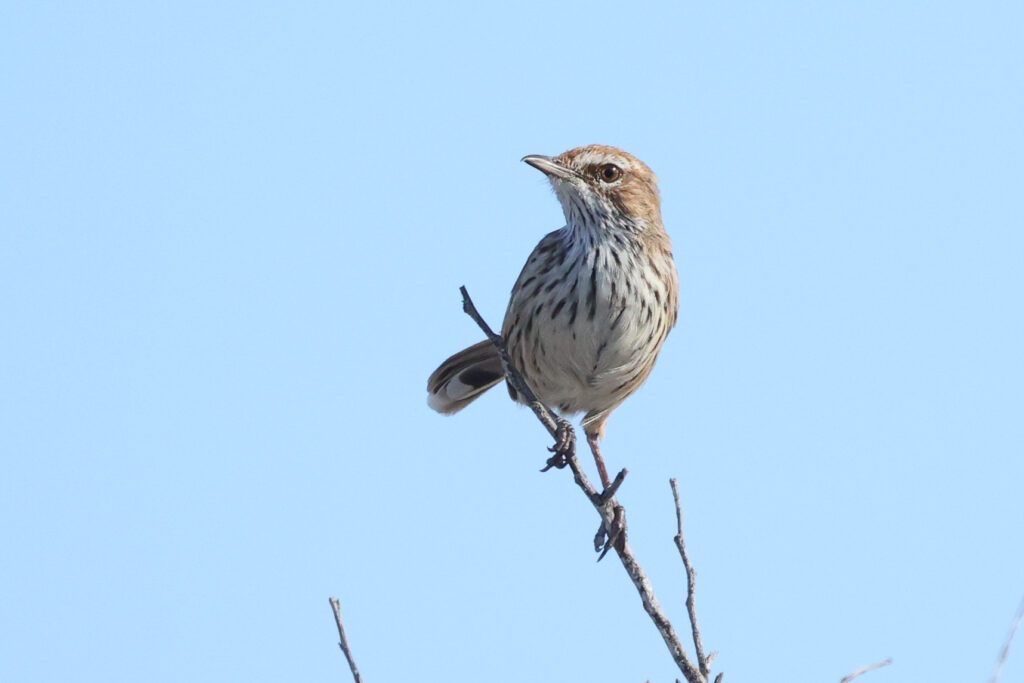
Overnight: RAC Monkey Mia Dolphin Resort
Day 14. 17 January 2025. Monkey Mia (Shark Bay)
We spent the entire day at Monkey Mia today. In the morning, we walked up the dirt road to the cell tower near the resort and had more views of Western Grasswren, Purple-backed and White-winged Fairywren, Nankeen Kestrel and our first looks at Chiming Wedgebill. This road was also where we encountered our first Red Kangaroo. The rest of the day didn’t yield any new species.
Overnight: RAC Monkey Mia Dolphin Resort
Day 15. 18 January 2025. Monkey Mia (Shark Bay) to Carnarvon
We bid farewell to Monkey Mia and started the 350 km journey to Carnarvon, the northernmost destination on our itinerary and our last new area on the trip. On the way, we decided to bird along the Hamelin Pool Road (-26.428294, 114.179719), which proved quite productive with sightings of Budgerigar, White-winged Fairywren, Black-faced Woodswallow, Chiming Wedgebill and two new birds: Redthroat and a large flock of Pied Honeyeaters. The drive to Carnarvon passed without event.
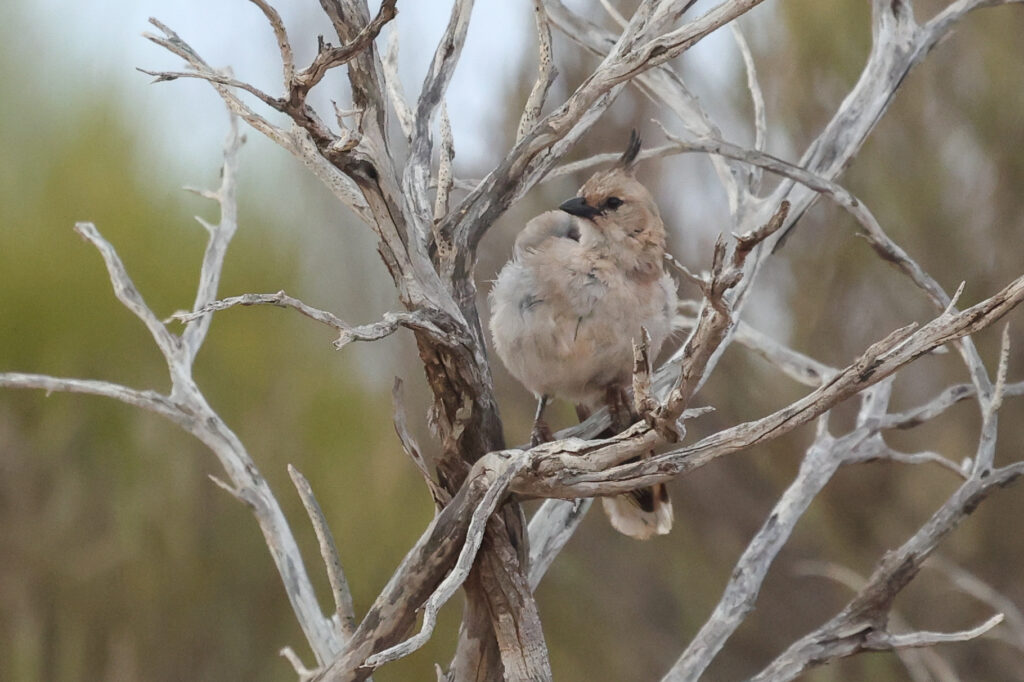
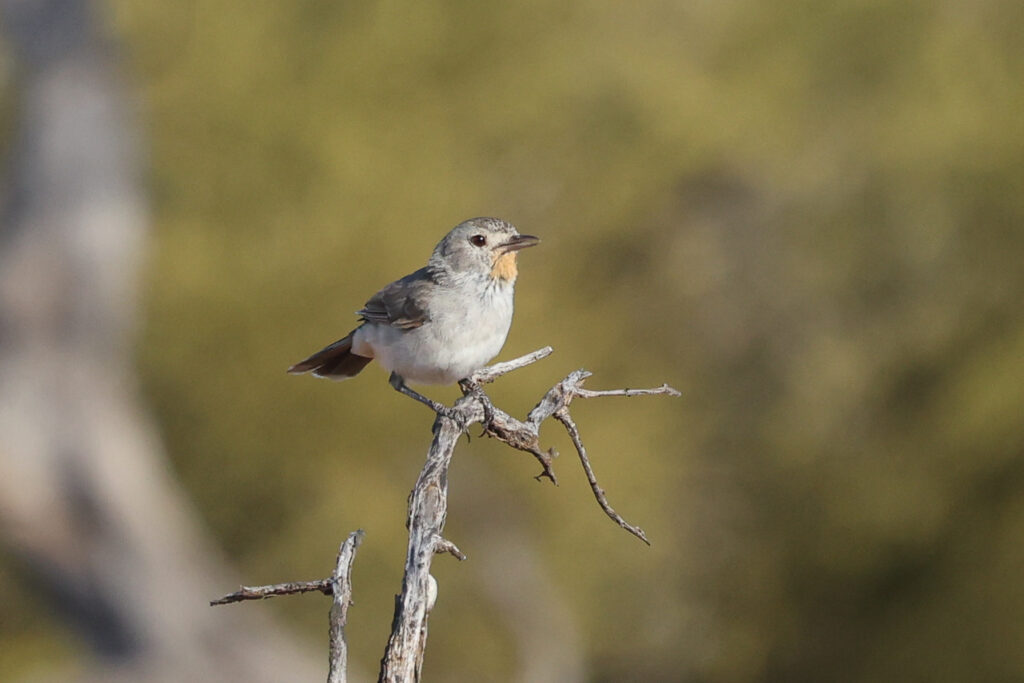
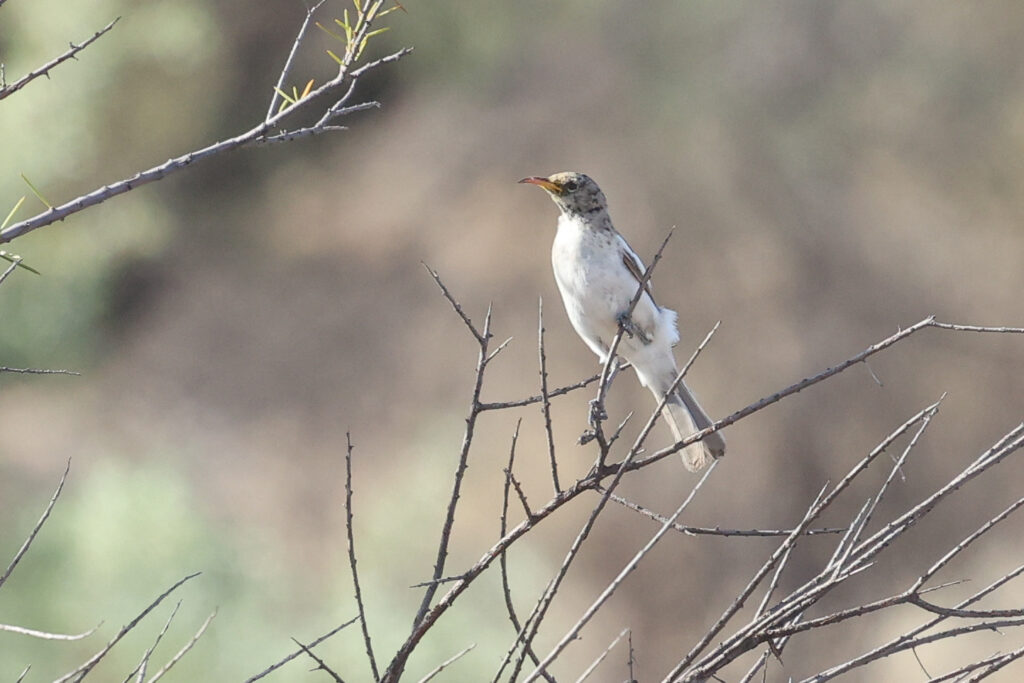
Upon arrival in the town, we pulled over next to a saline waterbody (-24.888678, 113.662836) that yielded Eurasian Whimbrel and Far Eastern Curlew. I wanted to get the mangrove specials out of the way, so we first tried the mangroves near Pelican Point (-24.895715, 113.639738). This spot was utterly dead and only had a small group of Bar-tailed Godwits and a Greater Sand Plover. After consulting eBird, we drove around to the Carnarvon Harbour mangroves at the end of Harbour Road (-24.902956, 113.649745), where we scored big with all four mangrove targets: White-breasted Whistler, Mangrove Fantail, Canary White-eye, and the WA endemic Dusky Gerygone.
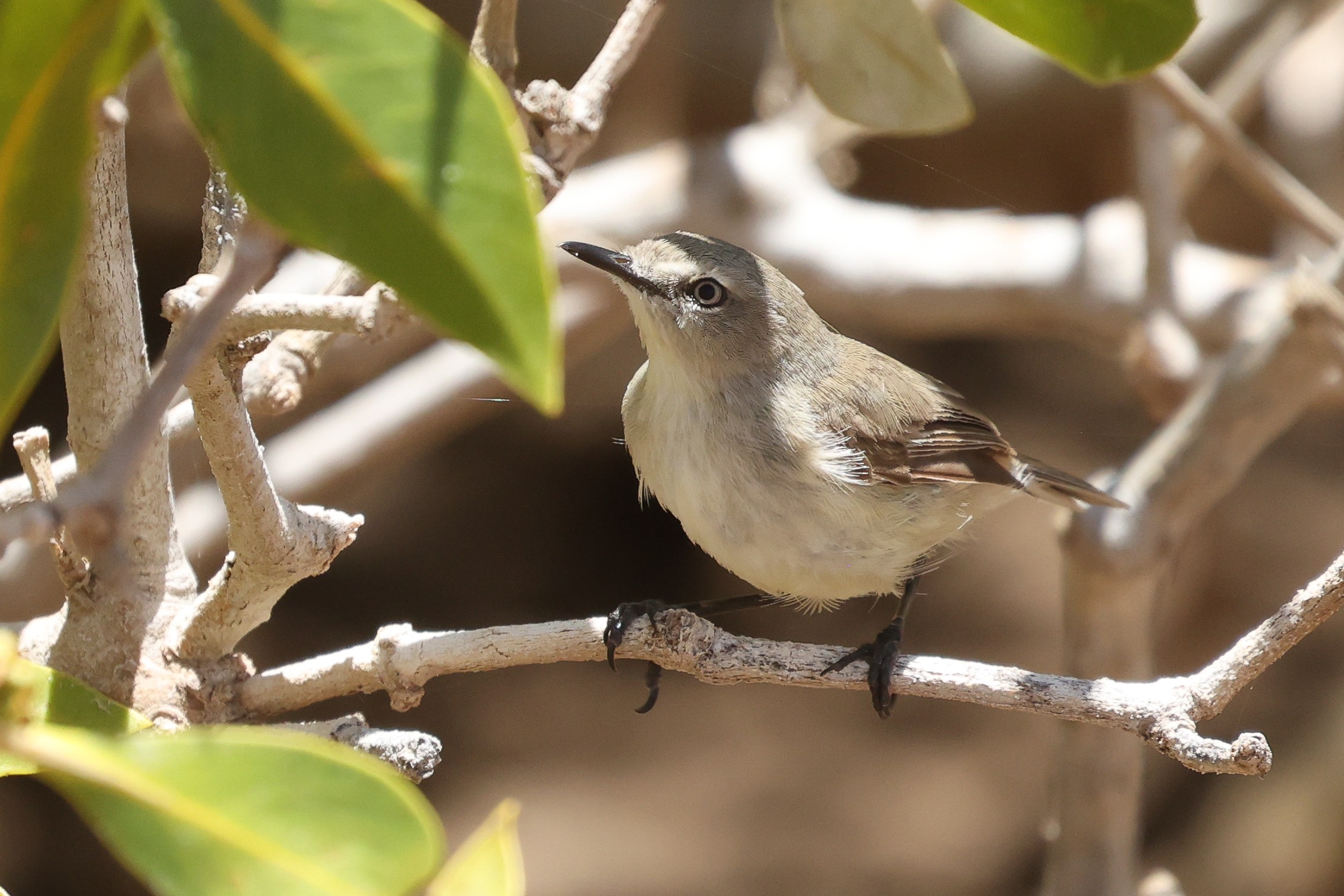
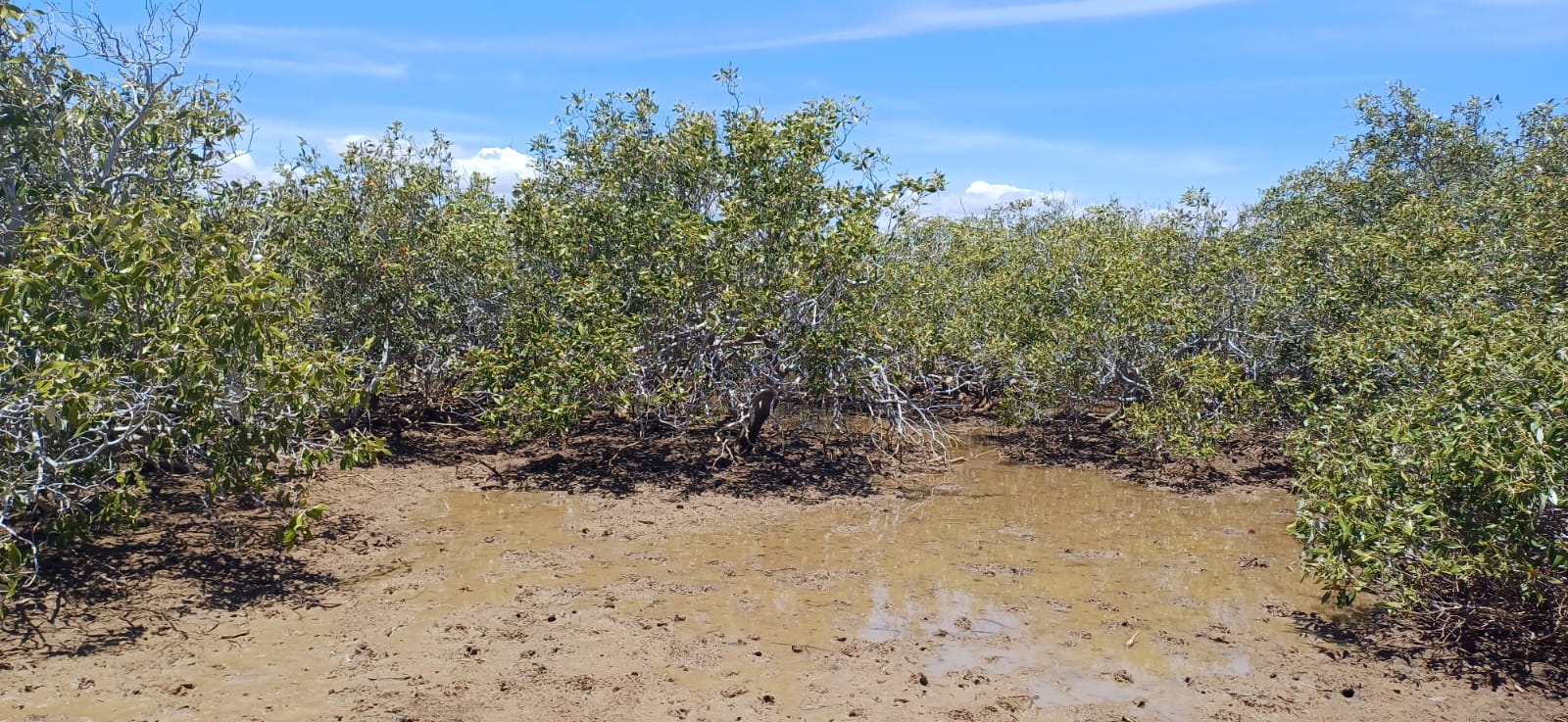
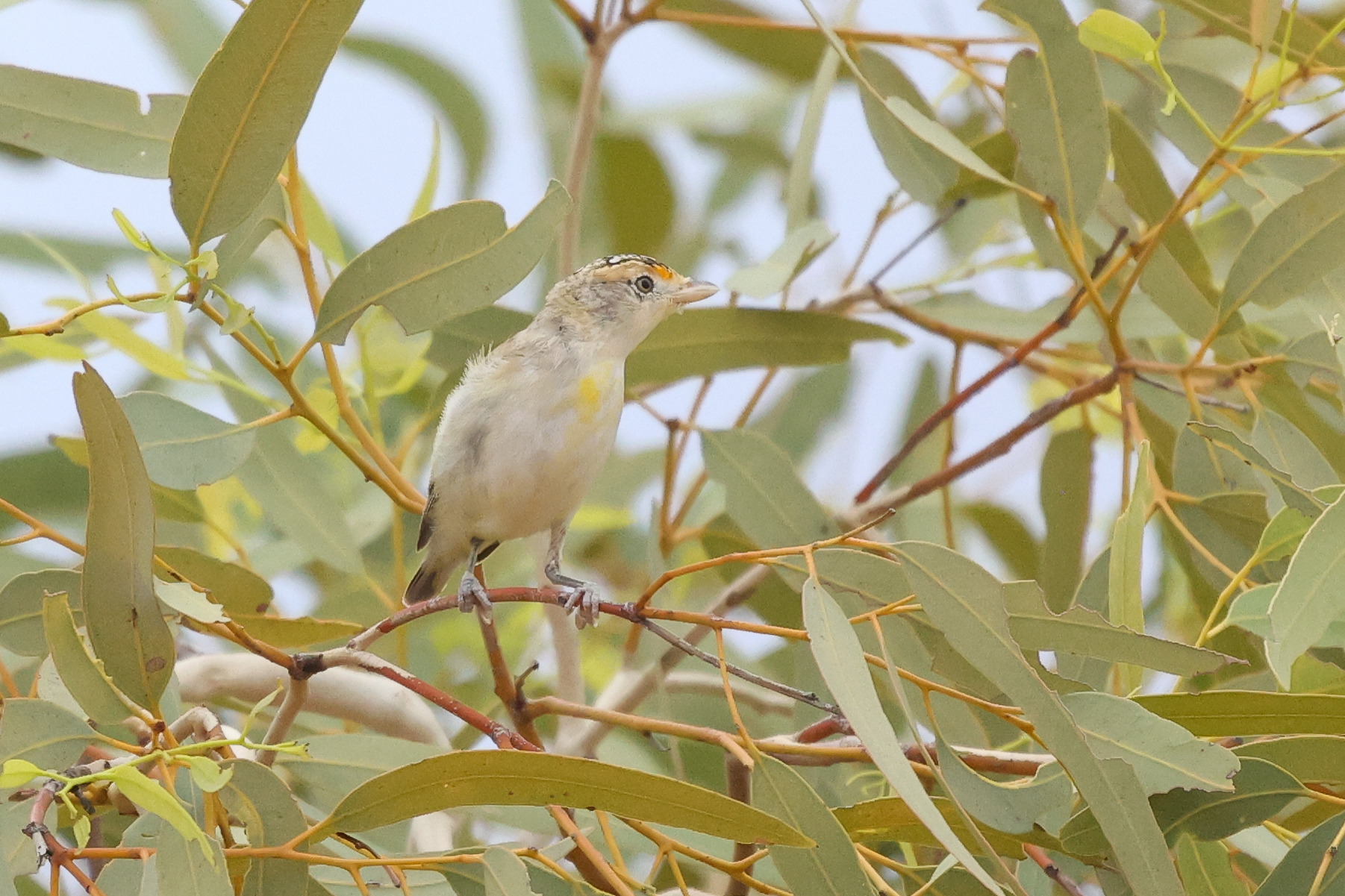
Some other species seen here included Great Knot, Common Sandpiper, Grey-tailed Tattler, Grey Plover, and Scared Kingfisher. With the mangrove targets seen, we dropped our bags and the swag at our accommodation (Carnarvon Capricorn Holiday Park) and continued to Rocky Pool (-24.756038, 114.138186), a spot along the Gascoyne River which usually has some water, about 50 km east of Carnarvon. Here, we found a lone Black-fronted Dotterel, flocks of Little Corellas, and several other species, including Red-browed and Striated Pardalotes, Australian Zebra Finch, White-winged Fairywren, White-plumed Honeyeater, Wedge-tailed Eagle and Whistling Kite.
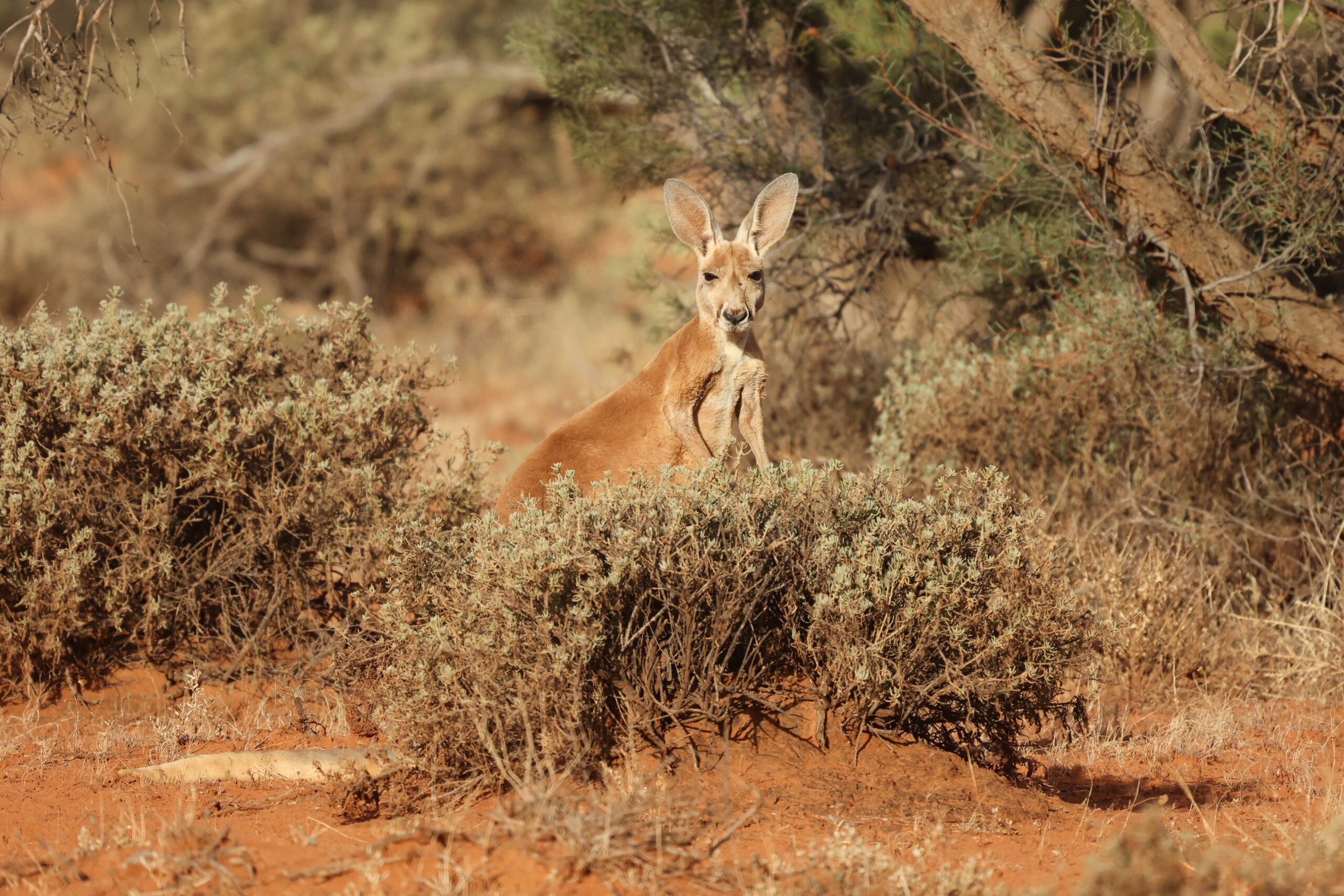
Two of our main targets here, Spinifex Pigeon and Black-tailed Treecreeper, were not seen during any of our visits to Rocky Pool. We saw several Red Kangaroos in the vicinity of Rocky Pool. After a long day out, we returned to our accommodation for an early night and were greeted by a Peaceful Dove as we exited the car.
Overnight: Capricorn Holiday Park – a pleasant place to stay on the outskirts of town. We stayed in a chalet here.
Day 16. 19 January 2025. Carnarvon and surrounds
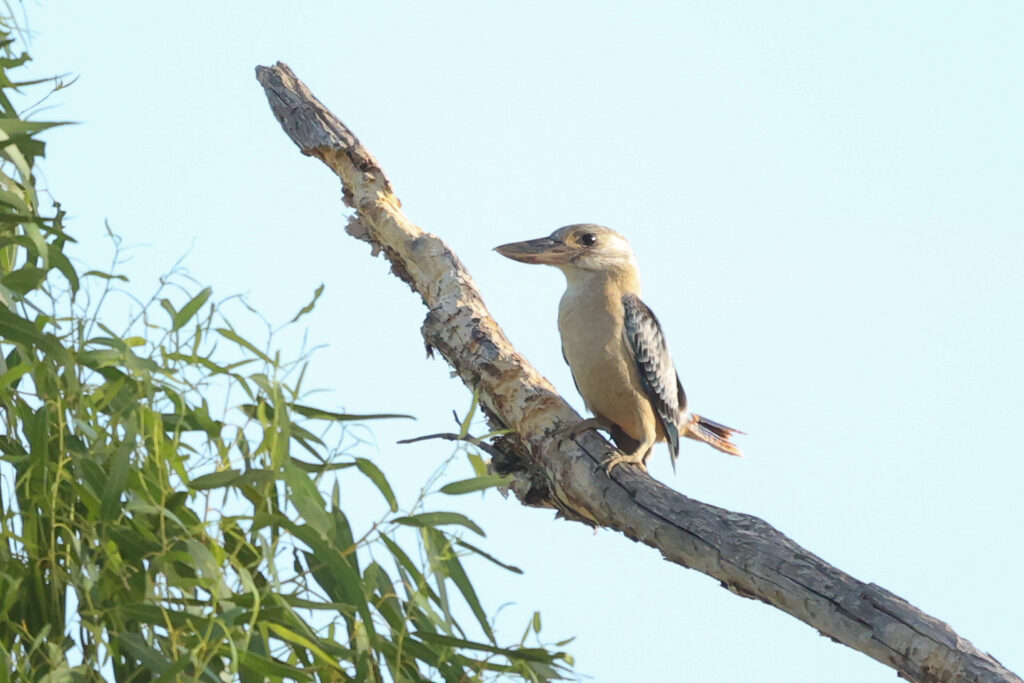
We spent an entire day birding around Carnarvon today. First, we returned to Rocky Pool to try again for Spinifex Pigeon and Black-tailed Treecreeper, which we did not see. We did, however, add Blue-winged Kookaburra, Cockatiel, Pied Butcherbird, and Crimson Chat. A few of the other species seen included Brown Goshawk, White-winged Fairywren, White-plumed Honeyeater, Budgerigar, and Australian Zebra Finch.
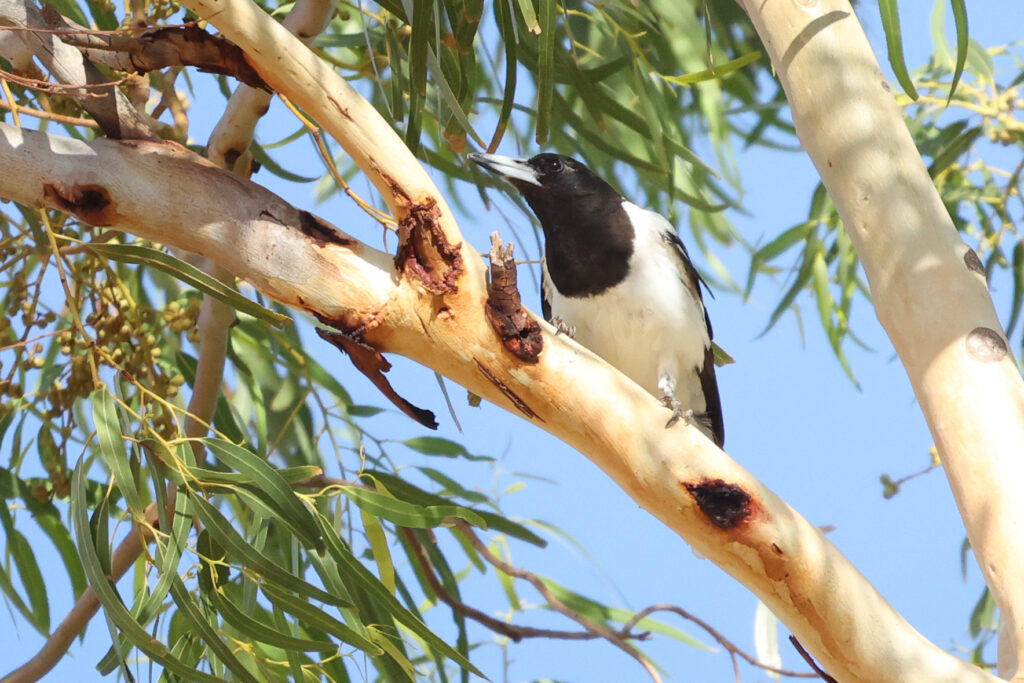
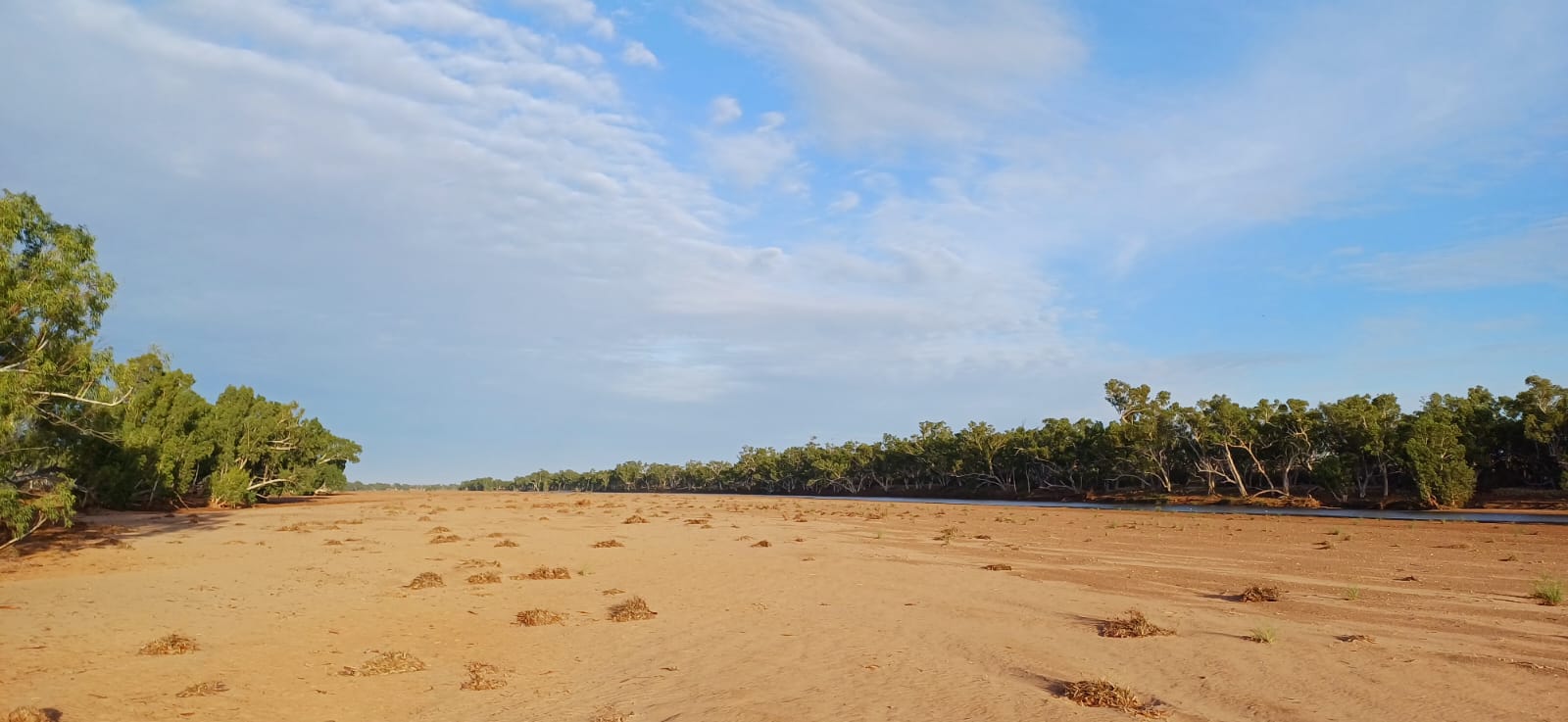
Carnarvon Sewage Works (-24.874604, 113.649048 – access from here and drive around the top of the works) was next for us, and we saw our first Australian Terns foraging over the Gascoyne River from here. White-winged Triller was seen flitting about in the trees along the river, and the works themselves had a few common waterfowl and shorebirds – nothing out of the ordinary. I worked the grassy vegetation for Star Finch, but it was already close to 40ºC, so I decided that we would try the following day.
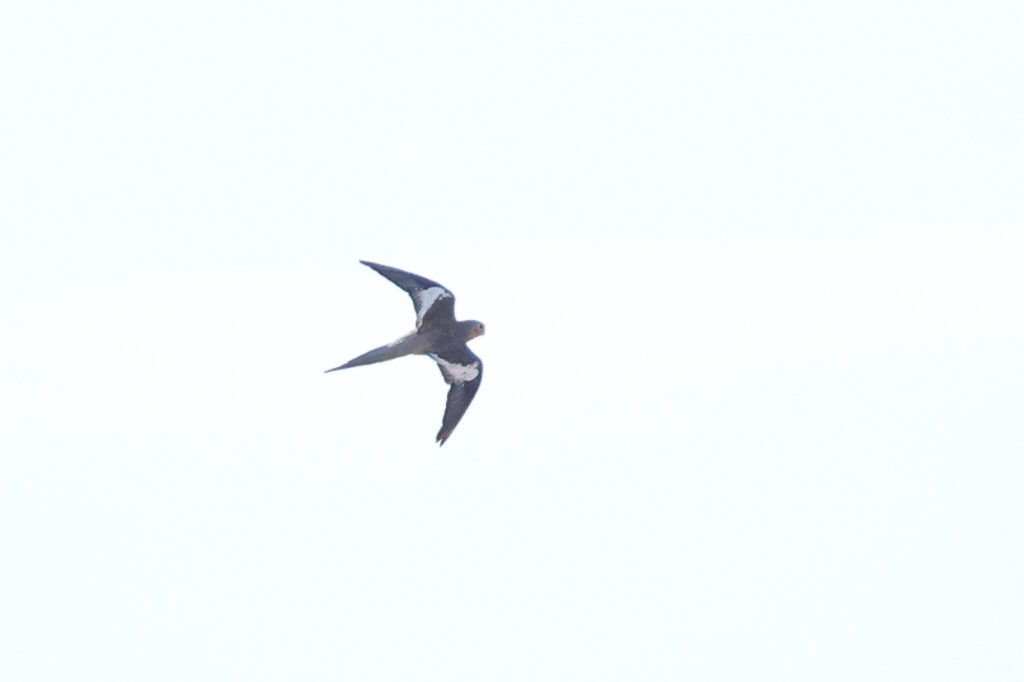
Next on the agenda was an area of short coastal scrub near Carnarvon Golf Course (-24.909368, 113.673885 – drive to here), where I picked up the scarce Slender-billed Thornbill (-24.912125, 113.674159) and a surprise Oriental Pratincole which came flying over. We then inspected a quarry (-24.932736, 113.717661) where White-backed Swallows had been seen, but again, the heat had caught up to us, and all I found was a group of Masked Woodswallows, a Purple-backed Fairywren, and a Laughing Dove.
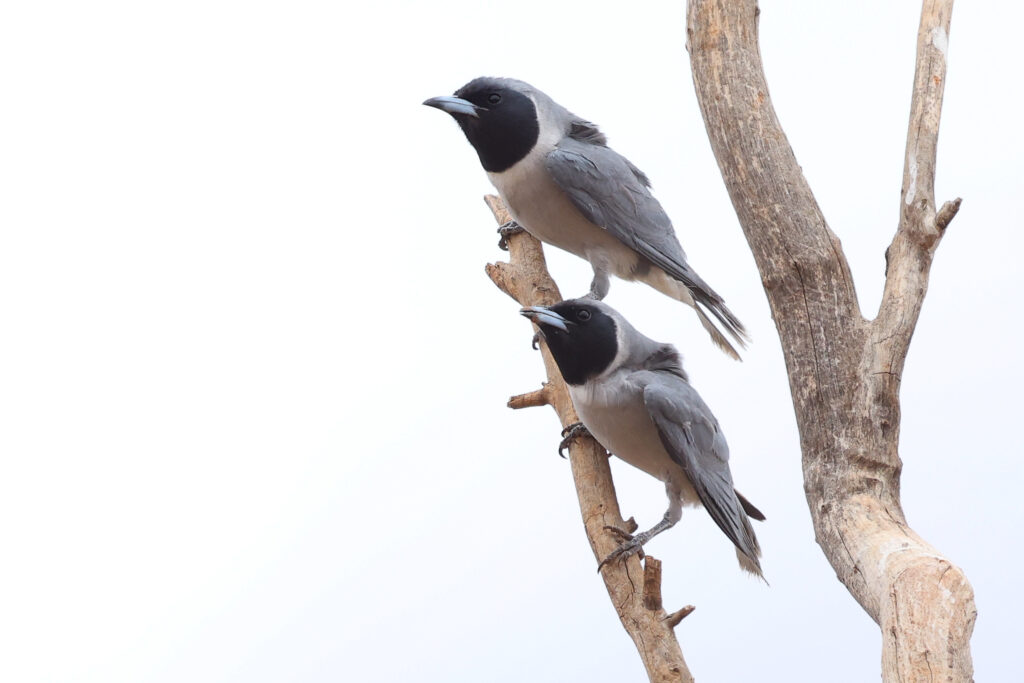
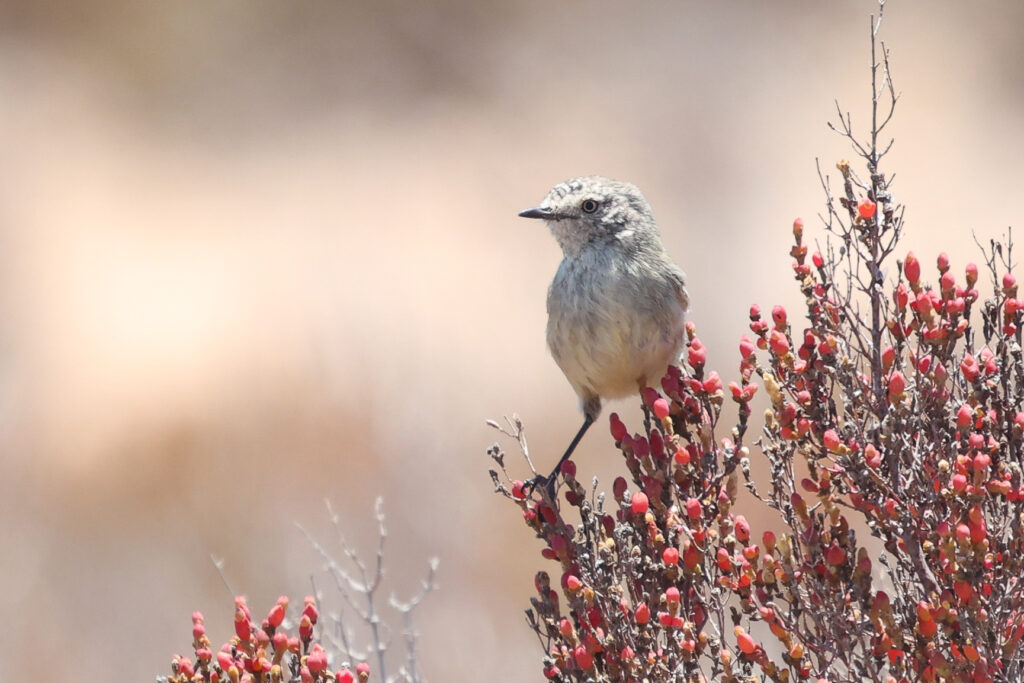
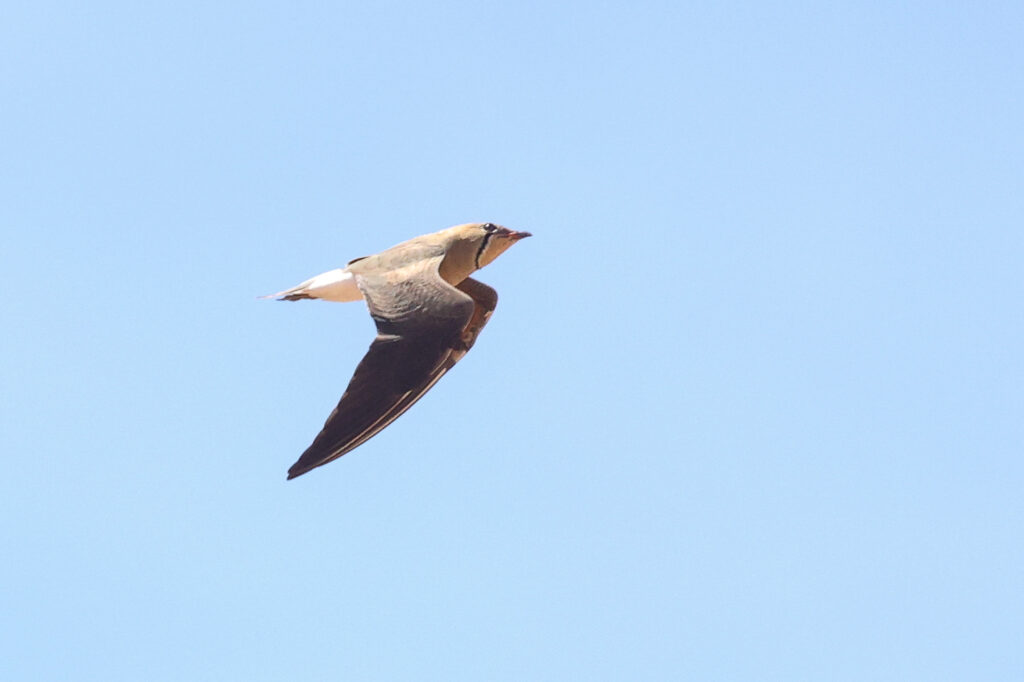
After the heat of the day had passed, we returned one last time to Rocky Pool before accepting the dip on our two targets there. We had views of another Crimson Chat and a Crested Bellbird. Just before sunset, we stopped at the Carnarvon Harbour mangroves again and added White-breasted Woodswallow and a single Fairy Martin in a large flock of Tree Martins and Welcome Swallows.
Overnight: Capricorn Holiday Park
Day 17. 20 January 2025. Carnarvon to Geraldton
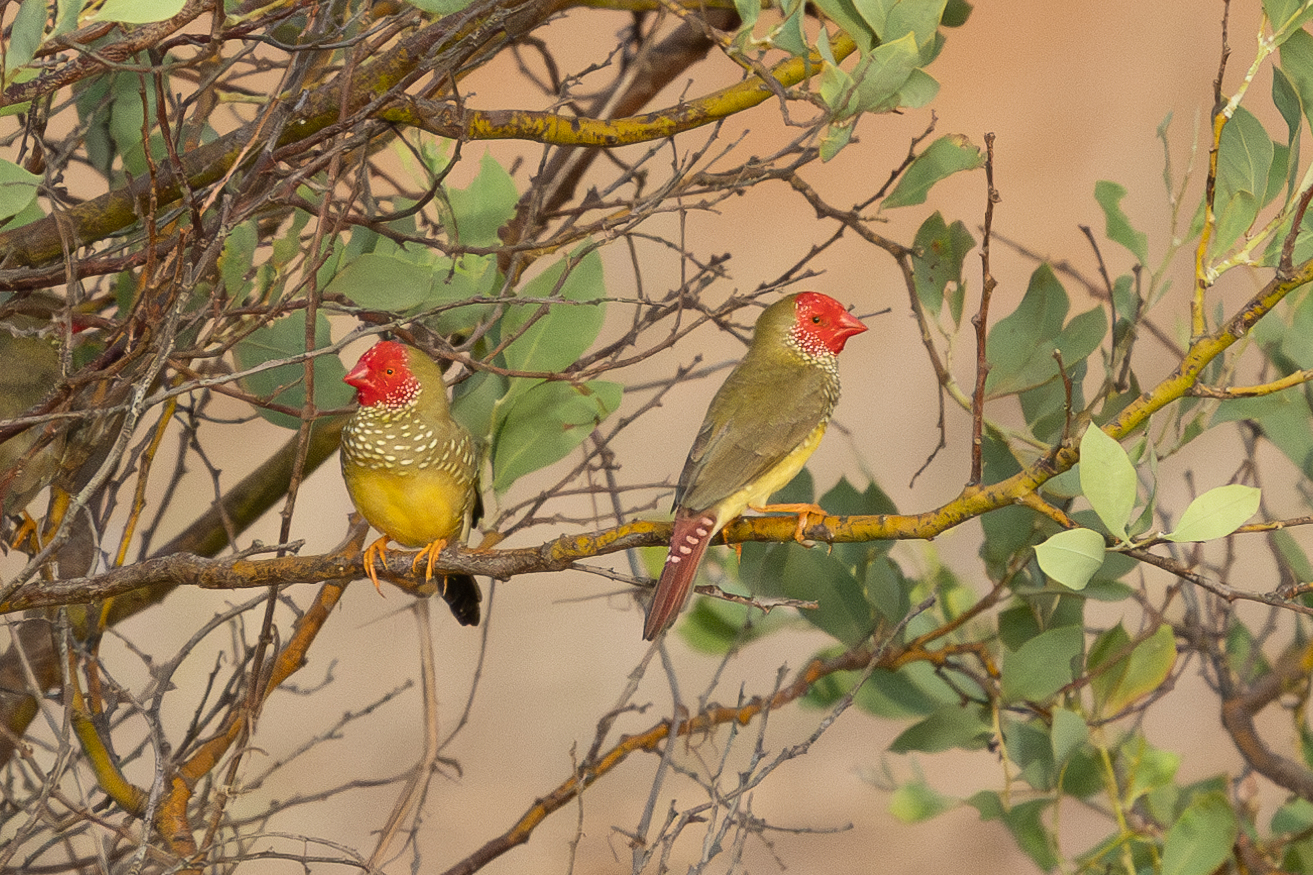
We were up before sunrise and watched a Pied Butcherbird at our accommodation before paying the Carnarvon Sewage Works a visit. As expected, the early morning start made all the difference, and we immediately found a large flock of Star Finches (-24.872002, 113.650948)! What an exceptionally cool finch!
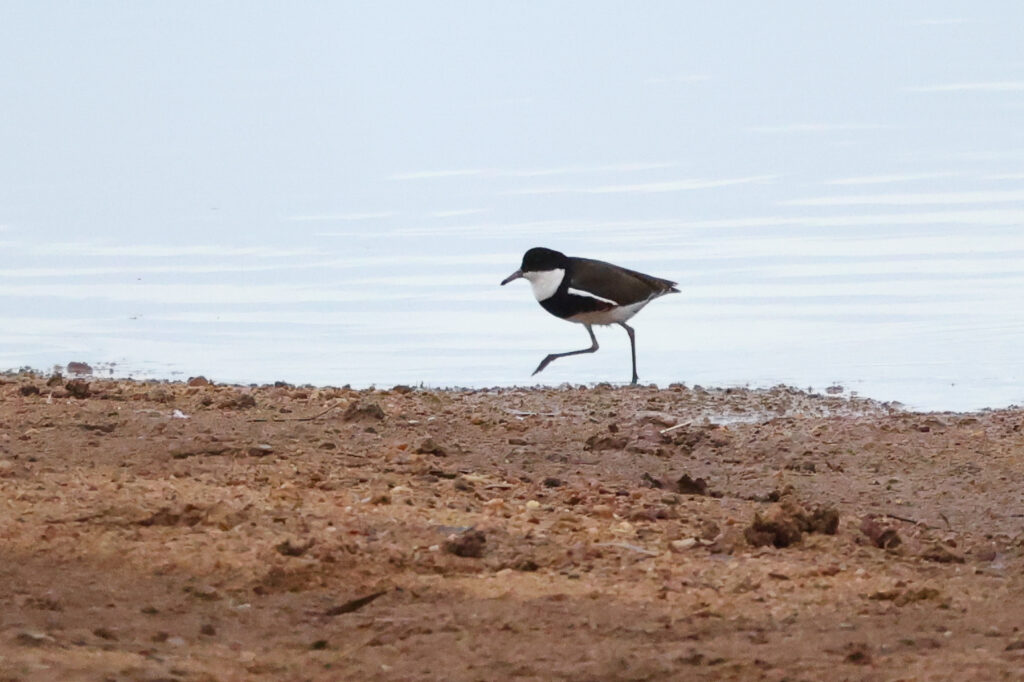
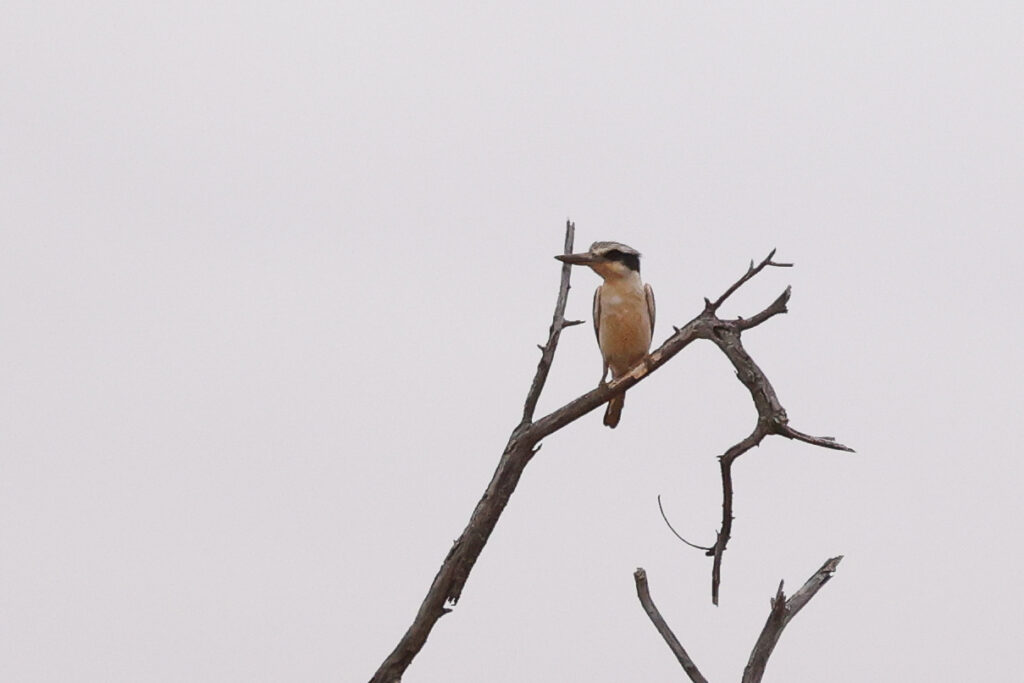
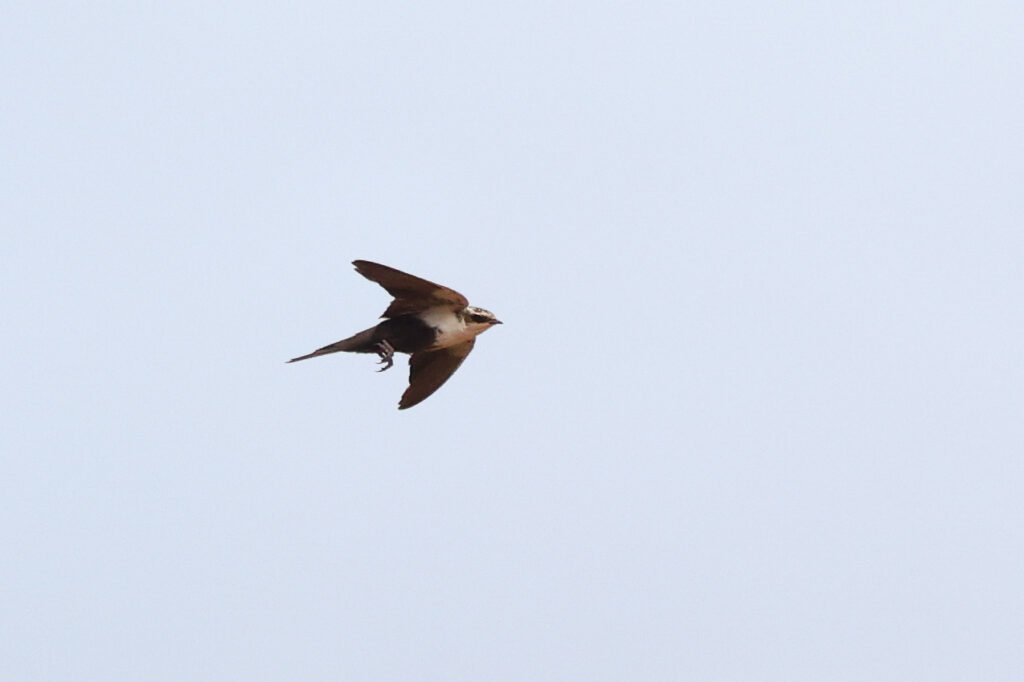
We then made a quick stop at Chinamans Pool Nature Reserve (-24.863929, 113.670295), where we saw Black-fronted and Red-kneed Dotterels, Australian and White-winged Terns, and a surprise Spotted Harrier, among a few other species. For some reason, we still hadn’t seen Red-backed Kingfisher. So we drove along the Carnarvon-Mullewa Road, trying at locations where it had been reported on eBird in the past and got it without much effort (-24.830768, 113.883748). In fact, we saw a second individual (-24.830887, 113.854720) on our way back to Carnarvon. We had large flocks of Masked Woodswallows and Budgerigars here (-24.840596, 113.776619). On our way out of Carnarvon, we stopped again at the quarry and saw no fewer than five White-backed Swallows (-24.932736, 113.717661).
The rest of the day was spent on the road as we undertook the 474 km drive south to Geraldton. A brief stop at the Overlander Roadhouse (-26.412175, 114.463968) in 47ºC heat produced flocks of birds coming down to a leaking pipe, including Common Bronzewing, White-winged Triller, Brown Songlark, Crimson Chat, Budgerigar, Diamond Dove, Australian Zebra Finch, and at least a hundred Masked Woodswallows.
Overnight: Geraldton Caravan Park
Day 18. 21 January 2025. Geraldton to Perth
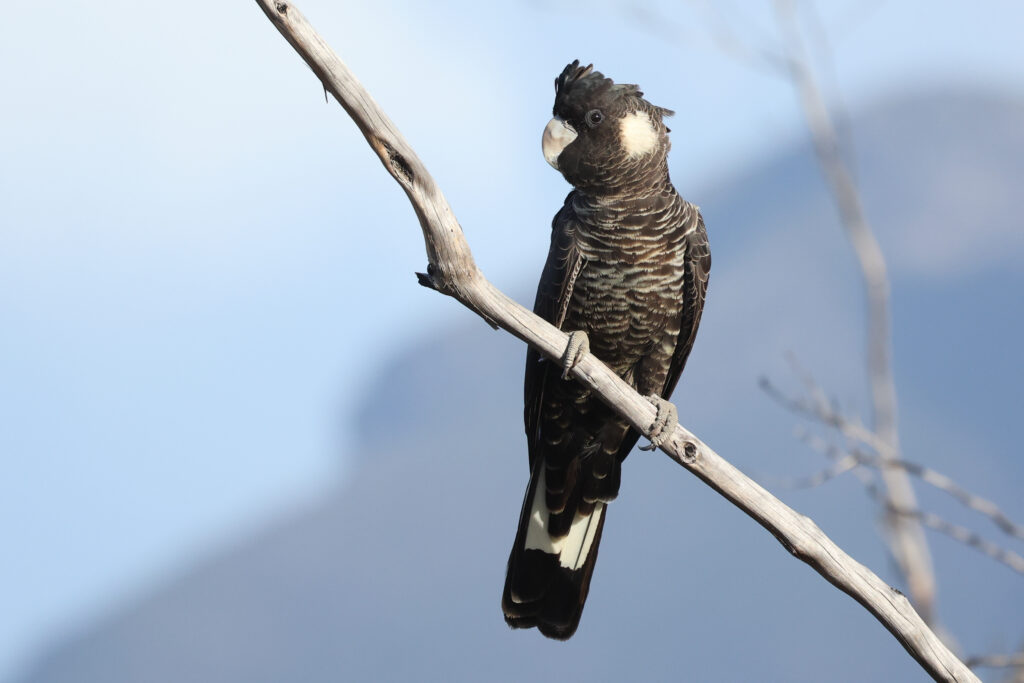
We left Geraldton early as we wanted to squeeze in some final birding around Perth before returning the car. The 400 km drive passed without event, and our first stop was at Yanchep National Park. I only had a single target here, Spotted Pardalote, and we found it relatively easily around the volunteer centre (-31.549438, 115.682117). We had heard this species earlier in the trip on our southwestern leg, but there were always other species distracting me, and in the end, we had to leave it for the final day. Other birds that we hadn’t seen for the past week, included Carnaby’s Black Cockatoo, Weebill, Grey Fantail, and Western Gerygone. We stopped for a few minutes at Herdsman Lake for a failed attempt at Little Grassbird. We did see Rainbow Bee-eater, Rufous Whistler and a few other common species.
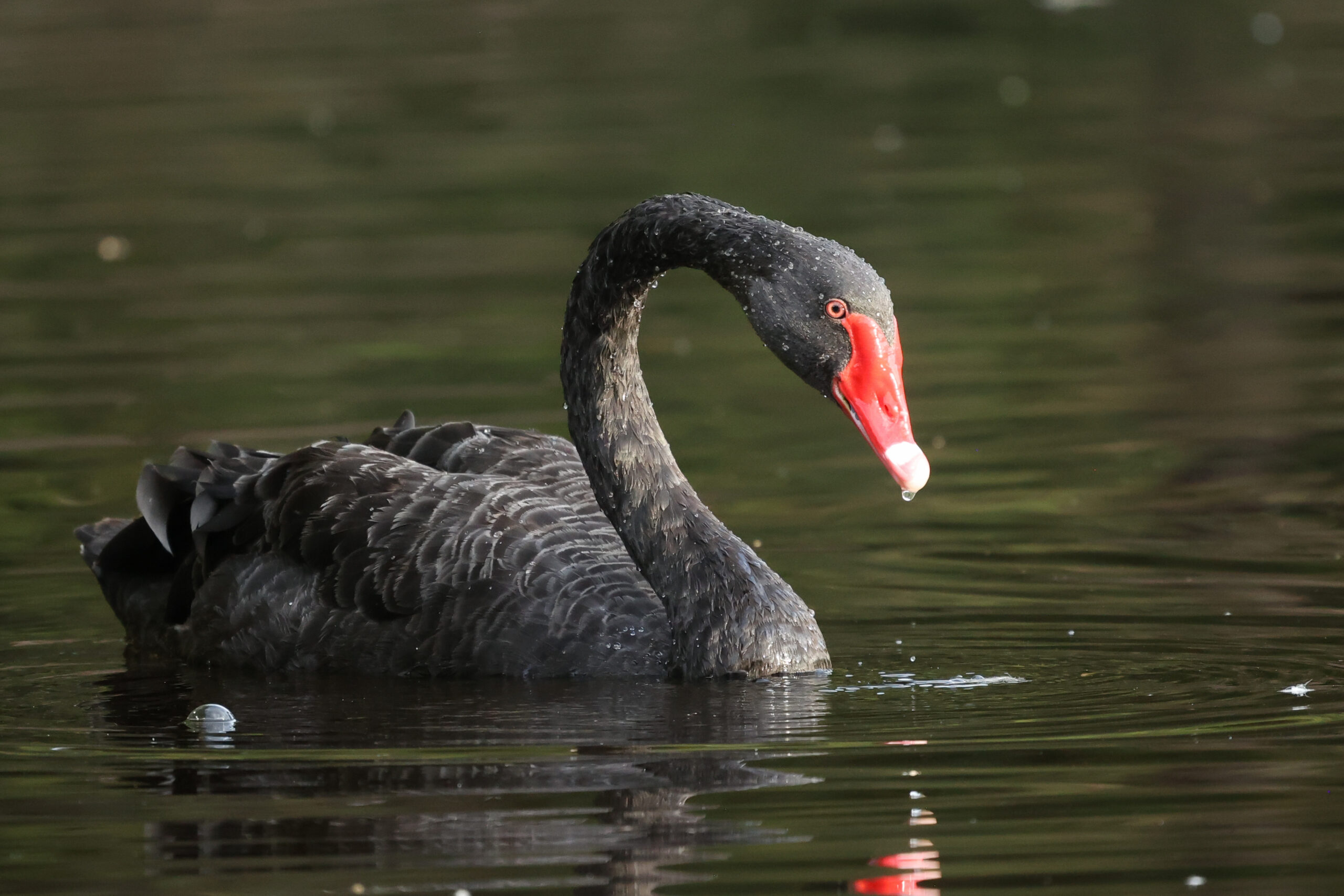
It was then time to say goodbye to our little Suzuki Swift, who had conquered the Outback and over 8,000 km of tarmac (and a fair distance on dirt roads, too!). For the last birding of the trip, we ended where we started at Woodlake Park in Ellenbrook. Unlike my first day almost a month ago, there was next to no chance for a lifer in Woodlake this time, and we saw many of the common suburban species in Perth. My last photograph of the trip was a gorgeous Black Swan. What a trip it had been!